wealthtech
(77)
The Caterer Who Learned to Speak Wall Street
Marie Swift built a national agency by mastering one small, difficult language: how financial advisers earn trust. Three decades later, its best marketing lesson is still the least glamorous one - know the business before you reach for the megaphone.

The Rudin Group Put the Lighthouse Out of Work
April Rudin built a consultancy around a small, stubborn observation: rich people are still people, and financial brands should stop talking to them like marble buildings. The result is a specialist firm that turns technical expertise into language clients might remember.

intelliflo wants to give financial advisers their week back
The software behind thousands of advice firms is taking aim at the work after the meeting. Its customers show why fewer forms can matter as much as smarter financial forecasts.

Dynamic Planner built a business on the second opinion
People wanted a human to check the computer’s financial advice. Dynamic Planner turned that habit into a software business, then rebuilt it when its original customers changed course.
Valuefy wants to end wealth management’s spreadsheet relay
The wealth technology company grew out of portfolio analytics. Its bigger bet is that advisers can do better work when the client, the trade and the back office share the same numbers.
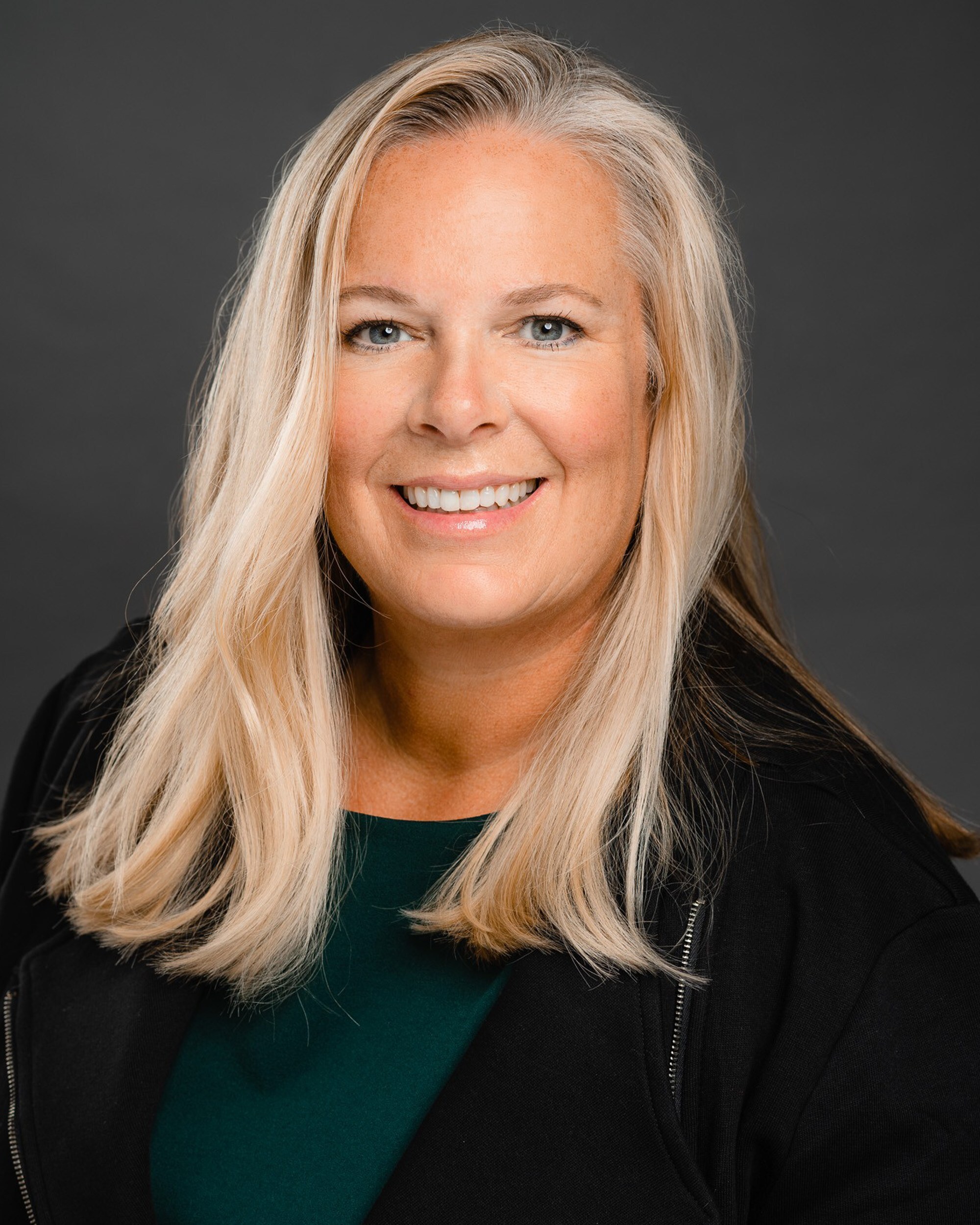
Sue Burton Knows Money Needs Better Material
The former stand-up comedian has spent more than two decades making finance easier to understand - from financial-literacy classrooms and national bank campaigns to startup pilots and Envestnet's next growth chapter.
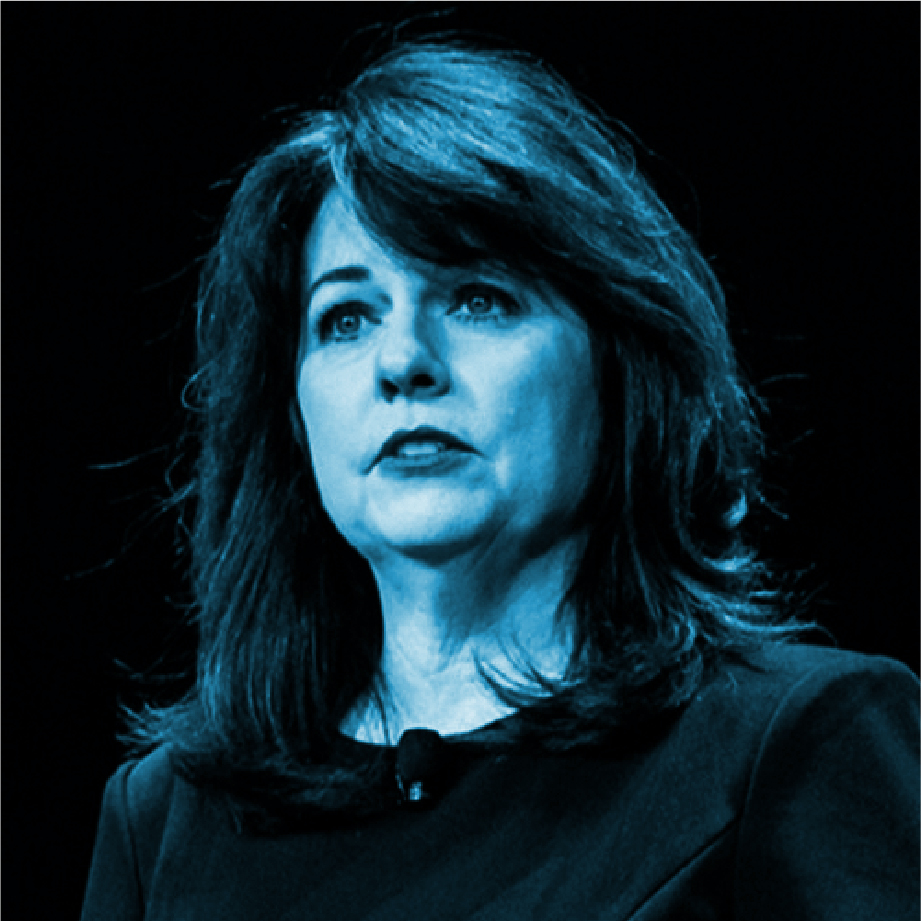
Leigh Asher Retired. Then Fintech Called Her Back.
After three decades turning invisible financial technology into something people could see, enter and gather around, Leigh Asher left Fiserv for retirement. Two years later, InvestCloud gave her a reason to return.
Envestnet Built the Operating System for Advice. Now It Has to Make the Whole Thing Feel Like One Product.
After 25 years of buying and building the plumbing behind financial advice, Envestnet reaches roughly a third of U.S. advisors. Its new challenge is less about adding another tool and more about making a sprawling suite behave like one coherent machine.

Snappy Kraken Put the Boring Parts of Advisor Marketing on Autopilot - Without Pretending Trust Can Be Automated
Seven thousand advisors use Snappy Kraken to keep prospects warm, clients informed and compliance teams out of panic mode. Its real product is not content - it is follow-through.

Advisor360° Spent 20 Years Learning the Advisor Workday. Now It Wants AI to Run the Busy Parts
The wealthtech company began as an internal system built for people who actually advise clients. Its next act is a bigger bet: unify the data first, then let AI handle the administrative drag.

Betsy Perez Is Teaching a $5 Trillion Brand to Speak Human
At Orion, Betsy Perez has an unusual brief: make a sprawling wealthtech platform feel coherent, useful and trusted. Her answer begins with a star, continues in real-world communities, and now reaches into the strange new territory where AI decides which advisers get found.
Rachel Eccles Is Marketing the Conversation Before the Money
The English major turned fintech executive has spent her career making complicated subjects easier to enter. At eMoney, her real product is not software alone - it is permission to begin a useful conversation about money.

Laura Barger's Long Game: Make Finance Feel Like It Was Built for People
Before she marketed wealth infrastructure, Laura Barger learned to see the person at the far end of the product. Her career is a study in making complicated systems legible - and making their promises answerable to evidence.

Orion Built a $6 Trillion Control Room - Now Advisors Have to Learn Every Switch
The Omaha wealthtech company spent 27 years turning portfolio accounting into an advisor operating system. Its scale is the pitch; making all those acquired parts feel like one product is the test.
Addepar Built the $9 Trillion Answer to One Expensive Question: What Do We Actually Own?
Addepar turned the family office's ugliest spreadsheet problem into a global data platform. The software is powerful, costly and increasingly difficult to replace - which is precisely the point.

WBI’s $1 Billion Day Was the Easy Part. Then It Had to Build the Advisor’s Operating System
WBI made its name by launching 10 active ETFs and attracting more than $1 billion in a day. Its harder, more revealing act is Cy - a platform built to turn an advisor’s paperwork, portfolio math and operational drag into one guided workflow.
InvestCloud Put $4 Trillion on One Screen. The Hard Part Is Making the Plumbing Disappear.
InvestCloud grew by turning the wealth industry’s jumble of old systems into modular software. After a $1 billion deal made the platform much bigger, its next test is harder: make public and private assets feel like one portfolio without making the machinery visible.
Alison Durant Learned Strategy on the Water - Then Took It Into the C-Suite
A sailing instructor's unexpected internship became a career in technology marketing. Three decades later, Durant still treats leadership like navigation: read the conditions, trust the crew, and keep the plan flexible.

Alex Cavalieri Is Making Alternative Investing Less Alternative
The CAIS chief marketing officer has a practical brief: turn a difficult corner of finance into something advisors can learn, discuss and use. His playbook begins with useful content - and ends in rooms full of people.
Justin Boatman Learned Product Strategy in the Most Unexpected Place
Before fintech, Justin Boatman built programs and media for a church. Now he turns advisor problems into products, product launches into live shows, and even the family allowance into a lesson about risk.

CAIS Built a $2 Billion Business Out of Wall Street's Least Glamorous Problem
Independent advisors wanted private markets. What they lacked was the institutional plumbing. CAIS spent 17 years assembling access, diligence, education and paperwork into one operating system - and turned the boring middle into a company valued above $2 billion.

Phuoc Tran Keeps Building for Vietnam's Next Investor
After logistics and a 500,000-agent sales network, Phuoc Tran turned to a harder delivery problem: making markets legible to Vietnam's new investors. Anfin's evolution from fractional stocks to commodity derivatives reveals an operator who treats access as a product discipline, not a slogan.
Andres Garcia-Amaya Put Wall Street on the Other Side of the Table
His parents needed advice they could trust. His old industry gave them a maze. So the former J.P. Morgan strategist built Zoe - first as a matchmaker, then as the operating system behind the relationship.
Anish Malhotra Wants Real Estate to Move at Market Speed
After helping digitize financial markets, the Plotify founder turned to a slower target: the paperwork, financing and fragmented decisions behind owning a rental home.
Mark Swan Wants AI to Give Financial Advisers Their Time Back
From Aberdeen classrooms to Revolut’s fire hose and a $40 million New York startup, Swan has built his career around one stubborn idea: software should clear the desk so people can do the human work.
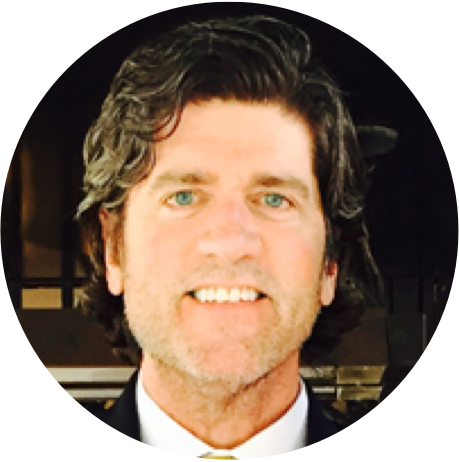
John Rourke Spent Three Decades Making CRM Feel Less Like Work
Before Wealthbox secured a $200 million majority investment, its CEO spent years testing one stubborn idea: business software can be powerful without making its users miserable.
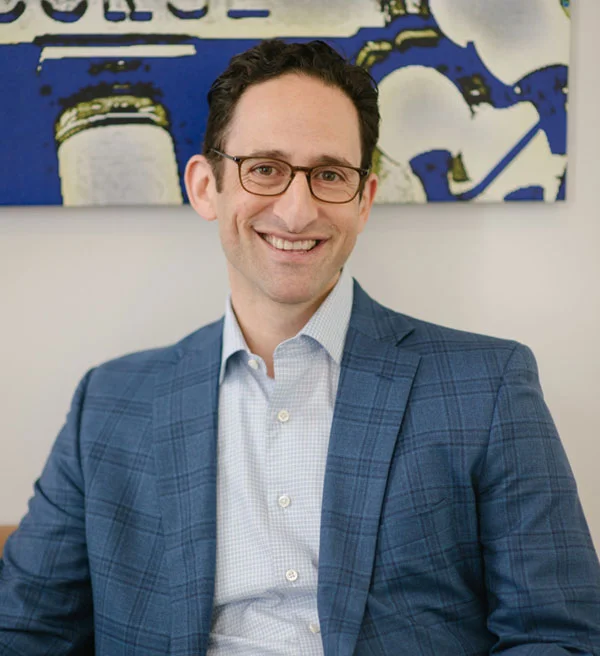
Adam Holt Drew Finance Back to One Page
Before Asset-Map became software used to organize trillions in financial instruments, it was Adam Holt's hand-drawn answer to a stack of reports nobody wanted to read.

Parker Ence Wants AI to Take the Notes - So Advisors Can Stay in the Room
A guitar teacher turned four-time tech CEO found his next company hiding in the least glamorous hour of a financial advisor's day: the paperwork after a good conversation.
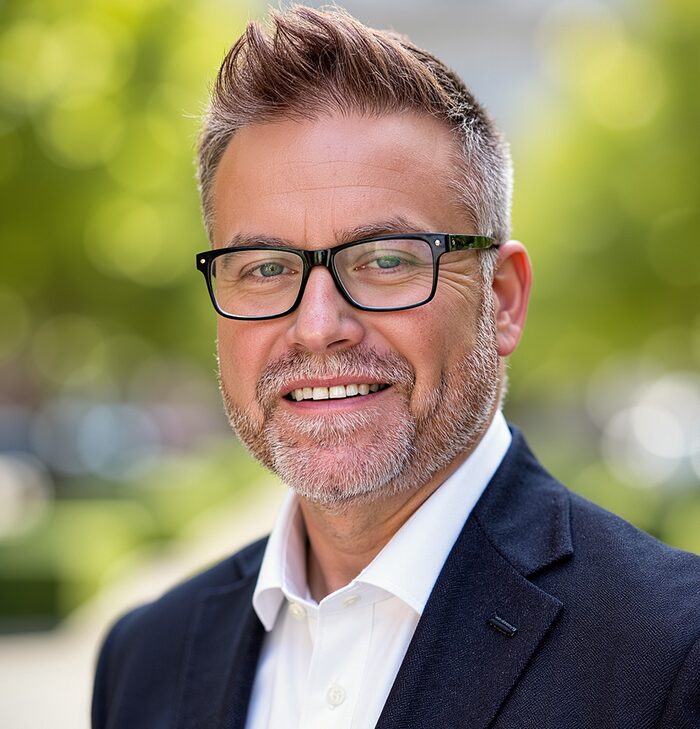
Dave Christensen Put the Impossible List Back on the Desk
For two decades, Dave Christensen has built marketing technology around a stubborn question: how can financial advisors grow without sounding less human? Now, as FMG's CEO, he is reopening the product ideas that once looked impossible.
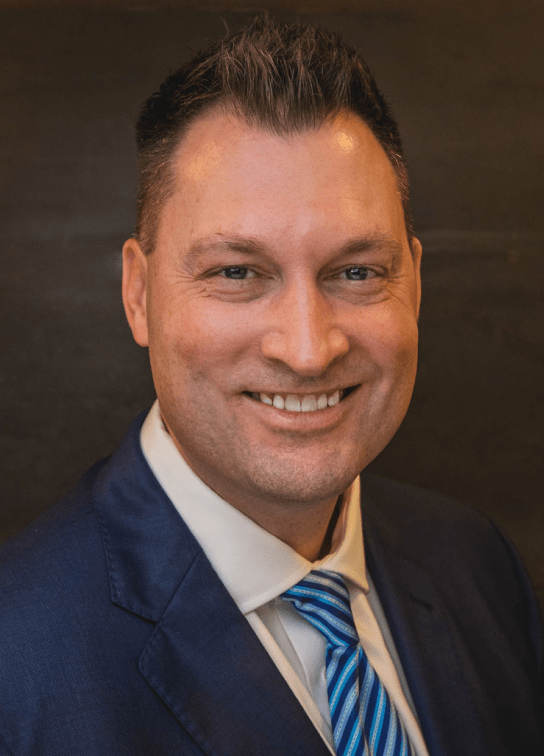
Aaron Brodt Built the Firm. Then He Built the Operating System.
A former college basketball player and oil trader spent years building a wealth firm - then discovered that the machinery behind advice was the harder business to fix.