bioinformatics
(70)
The Chip Factory That Learned to Read Tissue
Centrillion borrowed the tools of a semiconductor fab to make biology legible - then discovered that the most useful product might be the manufacturing system behind the chip.
Loka stopped chasing a hit. It started building yours.
The Silicon Valley consultancy found its business in other people’s hard problems. Today, its work runs from investment proposals to drug discovery, with an unusually concrete test for AI: does it make it into use?
Ilsong Lee’s Second Act Is Making Research Less Mechanical
After decades spent turning complex semiconductor systems into businesses, Cipherome’s CEO is applying the same operational instinct to the messier machinery of clinical and genomic data.
Giordano Bottà Left Oxford to Put a Number on the Invisible
A mosquito-genomics researcher spotted a stubborn gap between scientific discovery and useful software. He packed up in Oxford, returned to Rome, and began the long work of making inherited risk legible in the clinic.

Brian Gilman Has Spent 25 Years Making Science Easier to Search
Before AI promised to read all of biology, Brian Gilman was already trying to make scientific information usable. At Plex Research, his old obsession has acquired a new engine - and a stricter test: show the evidence.
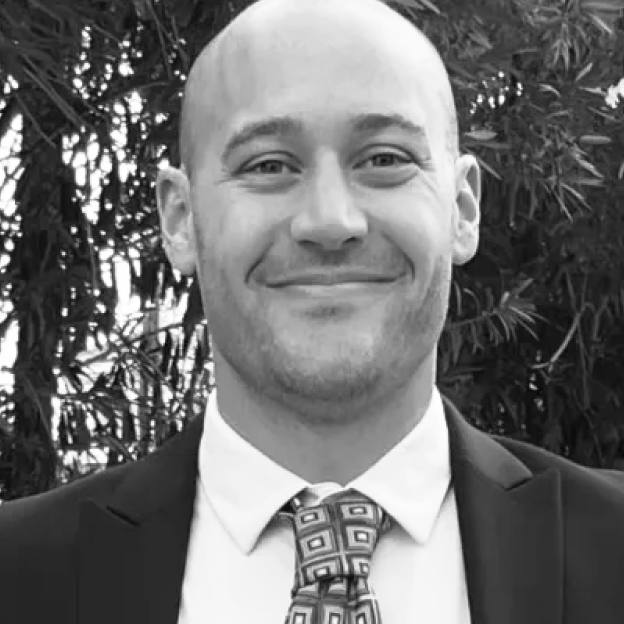
Bradley Murray Is Turning a Wild Scientific Search Into a Clinical Routine
He learned to read genomes, helped build CRISPR programs, and sat on the investor's side of the table. Now Bradley Murray is betting that the future of diagnostics depends less on inspired guessing and more on disciplined execution.

Pilgrim Jackson Is Teaching Cancer Drugs to Find Their People
After 13 years inside Celgene, the biochemist left to chase a stubborn question: what if a drug fails because its trial never found the patients whose proteins say yes?
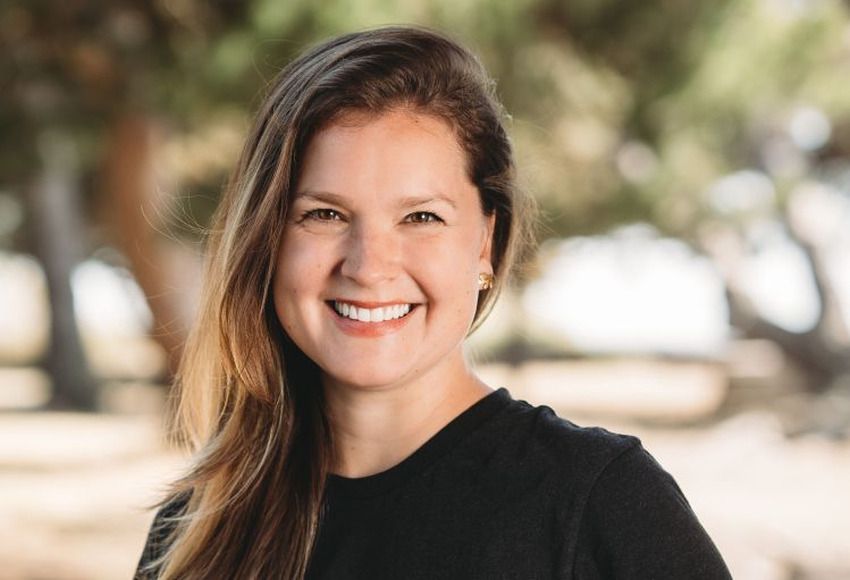
Jasmin Hume Is Teaching AI to Read Nature's Ingredient List
The protein engineer behind Shiru is compressing years of ingredient discovery into months - and turning nature's overlooked molecules into products manufacturers can actually use.
Delve Bio Built One Test for 68,000 Suspects - Now It Wants Doctors to Use It Before the Guessing Game
The UCSF spinout turned an academic pathogen-hunting assay into a 48-hour clinical service. Its next challenge is bigger than sequencing: persuading hospitals to order one broad test earlier, without pretending every strange read is the answer.

The Biotech Betting That Cancer Drugs Fail Because Nobody Looked at the Proteins
80% of cancer compounds that reach clinical trials fail. Yatiri Bio thinks the problem is that drug developers have been reading the wrong molecules - and it built a proteomics platform to prove it.

Shiru Built an "Amazon for Proteins" - and It Wants to Kill Palm Oil
A protein biochemist got tired of ingredient hunts that take 15 years. So she built a search engine for nature's proteins - and its first product is a fat that behaves like butter without the palm oil.
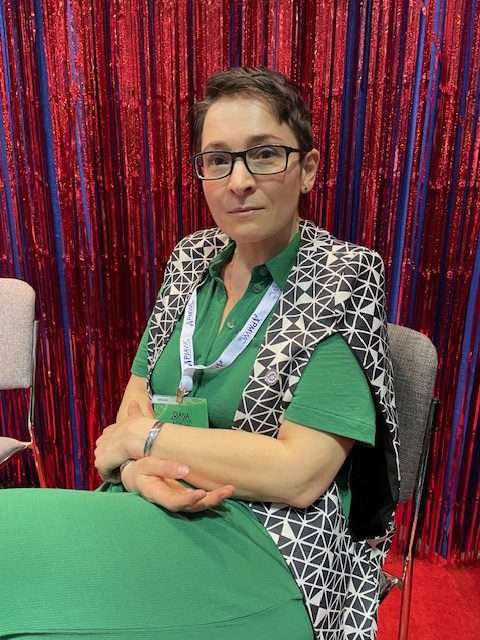
Diana Abdueva Is Teaching Blood to Keep Better Notes
The computational biologist behind Aqtual has spent two decades learning how to pull useful signals from noisy biology. Now she is building a company around a deceptively simple idea: the blood carries a running record of what the body is doing.
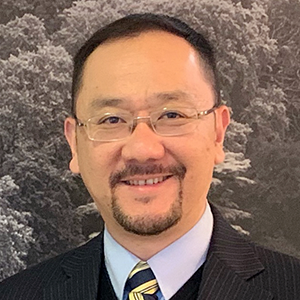
David Ge Builds the Quiet Machinery Behind Liquid Biopsy
Before a genomic test can read a signal, someone has to rescue it from the noise. David Ge has spent his career moving upstream - from interpreting DNA data to engineering the chemistry that decides what reaches the sequencer.
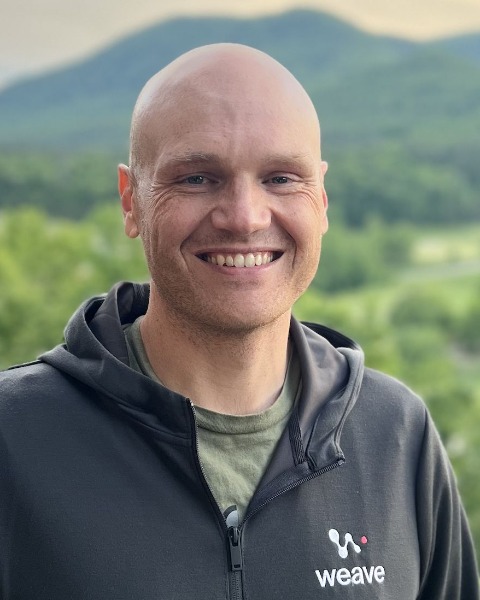
Brandon Rice Is Turning Drug Development’s Paper Trail Into Working Memory
The Weave Bio CEO began with Neanderthal genomes and ended up rebuilding one of drug development’s least glamorous systems. His wager is simple: let software carry the paperwork so experts can carry the judgment.
The $4.3 Billion Toll Road Beneath the Genome Era
Illumina put DNA sequencing on a repeatable industrial workflow. Now it is trying to turn the machines, chemistry and software already embedded in laboratories into an operating system for multiomic medicine.
Imagene Labs
Imagene Labs is a Singapore-based health-tech company that runs an enterprise-grade, cloud-based B2B genetic analytics platform. Using patented ancestry-based genetic risk analytics and ethnically-relevant reference datasets, it turns a simple saliva sample into DNA insights that fitness, beauty, nutrition and healthcare brands use to build personalized products and services. Its consumer-facing brand, Ori, packages these insights into fitness, skincare and nutrition DNA tests for the Asian market and beyond.
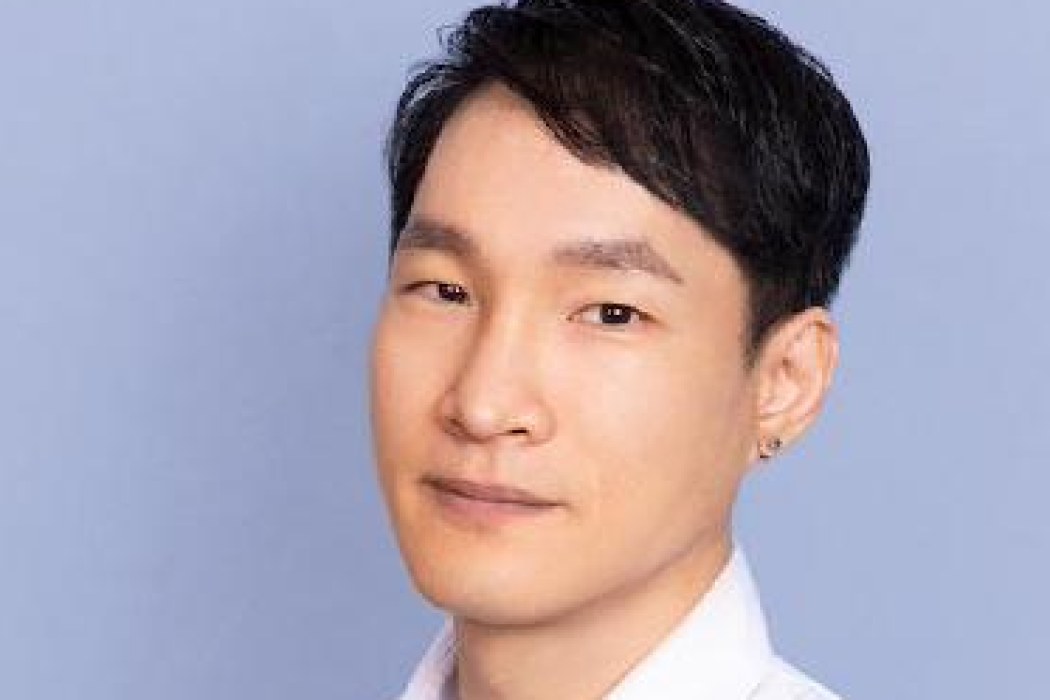
Daehwan Kim
Daehwan Kim is a computational biologist and software engineer whose genome-alignment tools - TopHat, HISAT and HISAT2 - are cited more than 78,000 times and are used by researchers worldwide to read DNA and RNA data. A former Michael L. Rosenberg Assistant Professor in the Lyda Hill Department of Bioinformatics at UT Southwestern Medical Center, he co-founded Omphalos Lifesciences, where he invented L++, a high-level programming language meant to describe living systems the way C++ describes machines. His goal is a fully programmable, simulatable virtual cell.

Biotia
Biotia is a New York-based health-tech company that fights infectious diseases by combining next-generation DNA sequencing with AI-driven software. Its metagenomic platform identifies bacteria, fungi, parasites and viruses - plus antimicrobial-resistance markers - from a single sample against a curated database of more than 16,000 microbial species. Spun out of the Jacobs Technion-Cornell Institute at Cornell Tech and operating a CLIA-certified lab in New York City, Biotia turns a single microbiome test into an actionable clinical report to help providers diagnose hard-to-detect infections and support pathogen surveillance from the hospital to outer space.

BostonGene
BostonGene is a Waltham, Massachusetts biotechnology company that applies AI-driven multiomics to cancer. Its Tumor Portrait platform integrates DNA and RNA sequencing with immune and tumor-microenvironment analysis into a single test, producing molecular profiles that help oncologists select therapies and help pharmaceutical partners design trials, identify biomarkers, and accelerate drug development. Founded in 2015 and led by CEO Andrew Feinberg, the company reached unicorn status in 2022.
Code Ocean
Code Ocean is a New York-based B2B SaaS platform that makes computational research reproducible, traceable and collaborative. Its flagship Compute Capsule bundles code, data and the exact software environment together so an analysis runs identically today or years from now. Used by pharma, biotech and leading research institutes, and integrated with journals like Nature and IEEE, Code Ocean is building a trusted virtual lab where both scientists and AI agents can run real analyses with full version control, lineage and compliance.
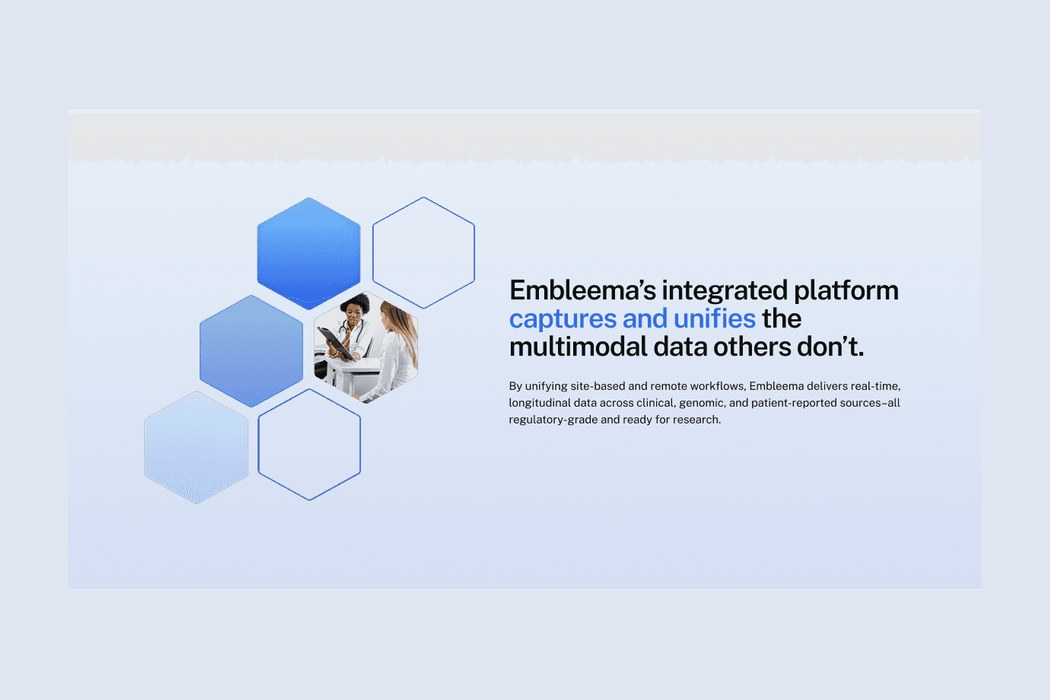
Embleema
Embleema is a New York- and France-based healthcare technology company that builds a unified real-world data and evidence platform for clinical research. It aggregates clinical, genomic, and patient-reported data from electronic medical records, wearables, biospecimens, and patient apps into regulatory-grade datasets, and uses no-code protocol tools plus dynamic consent to help pharmaceutical sponsors, research sites, and patient groups run non-interventional and Phase IV studies faster and at lower cost. Founded in 2017 by Robert Chu, the company started with a patient-driven health blockchain and its analytics stack has been used by the FDA for genomic regulatory review.
Form Bio
Form Bio is an Austin-based computational life sciences company that builds AI-driven software to speed up the design, characterization, and manufacturing of genetic medicines, especially adeno-associated virus (AAV) cell and gene therapies. Spun out of Colossal Biosciences in 2022 with a $30M Series A, its platform lets scientists model billions of therapeutic vector designs in silico to improve efficacy, safety, and manufacturability before ever entering the lab, targeting the manufacturing bottleneck that drives the majority of FDA rejections in the field.
Omphalos Lifesciences Inc
Omphalos Lifesciences is a Dallas-based biotech software company building a programmable virtual cell platform. Founded by computational biologist Daehwan Kim - creator of the widely used HISAT and TopHat sequencing tools - the company created L++, a high-level programming language that lets biologists describe, simulate, and visualize living systems the way software engineers write code. Its Life Designer platform aims to accelerate drug discovery, precision medicine, and biomanufacturing by running experiments in silico before they hit the lab bench.
Plex Research
Plex Research is a Cambridge, Massachusetts company building an AI-powered scientific intelligence platform for drug discovery. Its proprietary focal graph technology stitches billions of minimally processed experimental data points from genomics, proteomics, chemical biology and clinical sources into a queryable biomedical knowledge graph, then pairs it with large language models so scientists get evidence-backed answers in seconds - every result traceable to the underlying experiments. Trusted by 40+ pharma and biotech teams, Plex helps researchers identify and evaluate drug targets, uncover hidden pharmacology, and, through its AutoPlex agent, run autonomous multi-step research campaigns.
Complete Genomics
Complete Genomics is a San Jose-based life-science technology company and the Americas arm of MGI. Founded in 2005 as a pioneer of affordable whole-human-genome sequencing, it develops and sells next-generation sequencing instruments, reagents, and analysis software built on its proprietary PCR-free DNBSEQ (DNA nanoball) technology. The company aims to drive down the cost of sequencing - from the landmark $5,000 genome to sub-$100 - and supplies researchers, clinical labs, and biotech companies with a full workflow spanning sample prep, library construction, sequencing, and data analysis.
Karius
Karius is a Redwood City, California life-sciences company that turns a single blood draw into a broad infectious-disease diagnosis. Its flagship Karius Test uses microbial cell-free DNA (mcfDNA) sequencing, metagenomics and AI to detect more than 1,000 pathogens - bacteria, DNA viruses, fungi and parasites - often within a day of receiving a sample. Founded in 2014 out of Stephen Quake's lab at Stanford, the company aims to give clinicians a fast, non-invasive alternative to invasive biopsies and slow cultures, with a focus on the immunocompromised patients who need answers most urgently.

Allelica, Inc.
Allelica is a genomics software company building the tools that move polygenic risk scores (PRS) out of the research lab and into routine clinical care. Its cloud platform lets labs and health systems develop, validate, and apply PRS across multiple ancestries, and its clinical test AbsoluteDx combines rare-variant (monogenic) and genome-wide (polygenic) risk in a single report. The company's stated priority is equity - building risk scores that work for patients regardless of genetic ancestry - and its multi-ancestry coronary artery disease work was cited in the 2026 ACC/AHA cardiovascular prevention guidelines.
Cipherome, Inc.
Cipherome is a San Jose-based clinical genomics and bioinformatics company on a mission to find the drug that works for each individual. Its no-code platform COMPASS lets researchers transform, query, and analyze massive clinical and genomic datasets - like the 500,000-participant UK Biobank - without writing code, while its Xentinel platform uses explainable AI to predict and reduce adverse drug reactions. Backed by roughly $16-23M through a Series B, the 12-person team pairs Silicon Valley software with Seoul National University biomedical-informatics research.
Clear Labs
Clear Labs is a San Carlos, California genomics company that builds Clear Dx, a fully automated next-generation sequencing platform. It turns whole genome sequencing - normally a slow, expert-heavy lab process - into a push-button diagnostic used by food manufacturers and public health labs to detect pathogens like Salmonella and Listeria, characterize SARS-CoV-2 and TB, and identify bacteria and fungi from clinical specimens, often with next-day results.

CoA Nexus, Inc.
CoA Nexus, Inc. (formerly Srust, Inc.) is a Tokyo- and Menlo Park-based deep-tech HR startup that uses proprietary AI to read tens of millions of research papers and patents, visualize a scientist's real skills, and match R&D talent with companies - from university spinouts to large manufacturers. Its flagship platform, CoA Researcher, is billed as Japan's largest researcher-matching platform, supporting full-time roles and side work across biotech, chemistry, medical science and semiconductors. The company raised a roughly ¥300 million Series A in October 2025 to expand its global researcher database and go beyond the reach of conventional job ads.