adtech
(166)
Harmonica gives a good story more than one job
A countertop garden, a cauliflower pizza and a jar of honey reveal how this agency works: find a reason to believe, then put it to work across the buying journey.

Permutive Wants Publishers to Sell What They Know
Publishers know their readers. Too often, somebody else gets paid for that knowledge. Permutive is building the software to change the transaction - and now wants AI agents to handle more of the work.
LoopMe wants to know if the ad changed your mind
The London adtech company turns consumer surveys into instructions for the next ad buy. With Chartboost in its pocket, it is taking that feedback loop deeper into mobile games, apps and connected TV.

Admixer wants you to run your own ad business
The company that began by selling ads on Ukrainian websites now sells the machinery behind the market. Its pitch to agencies and publishers: keep more control over the audience, the auction and the money.

Lynn Tornabene Puts Marketing in the Product Room
After two decades inside digital advertising's pivotal companies, Lynn Tornabene is joining two jobs that businesses often keep apart - and turning the customer feedback loop into the work itself.

Matthew Duffy Is Teaching Advertisers to See the Whole YouTube Screen
After three decades near the fault lines of digital media, Pixability's CMO has a plain-spoken case for YouTube: stop treating its ads, creators, and brand channels as separate worlds.

Christina Cubeta Wants Marketing to Keep Its Soul - and Show Its Work
After helping scale adtech, modernize a flower business and turn motherhood into an operating credential, Christina Cubeta is asking a harder question: what should marketing preserve when machines begin making the buys?

Laurel Rossi Built a Career Where Growth and Belonging Share the Same Brief
From selling her own digital agency to challenging adtech's 'sea of sameness,' Laurel Rossi has made one idea unusually consistent: growth works better when more people can take part in it.

Jon Lorenzini Wants Marketing’s Prettiest Graphs to Earn Their Keep
After years inside Google, Facebook and Snap, the LiftLab executive has arrived at a bracing standard for analytics: if a dashboard does not change a decision, it is décor.

Nancy Roberts Is Making Ad Tech Speak Human
After years spent selling algorithms, retargeting and creative technology, RZR's chief marketing officer keeps returning to a stubbornly analog advantage: speak clearly, notice the person, and build the room you once needed.

Shachar Orren Left the Newsroom - Then Built the Business Meant to Keep Newsrooms in Business
After nearly a decade editing other people’s stories, Shachar Orren joined a six-person startup and learned to sell. Twelve years, one rebrand and several pivots later, she is still working on the same stubborn question: how can publishers turn attention into a business without making the audience pay the price?

Jeff Fagel Wants Television to Show Its Work
After a career stretching from margarine and Kmart to streaming ads and AI, the Chicago CMO keeps returning to one stubborn question: did the marketing move the business?

Jon Schulz Has Spent a Career Making Advertising Answer for Itself
From Windows 3.0 migrations to Ford's digital showroom and Viant's AI-era advertising platform, his work keeps returning to one stubborn question: did the marketing actually work?

Smartly Makes Ad Operations Less of a Circus
Smartly turns product feeds, media budgets, and a small army of ad variants into one coordinated workflow. The payoff is speed and control, provided your campaign volume can justify an enterprise contract.
Infillion Bought Ad Tech’s Wreckage. Now It Wants to Be the Operating System for Every Ad.
A social-good startup became an ad company, survived Disney, bought MediaMath out of bankruptcy for $22 million and rebuilt nine pieces of ad tech into one modular machine. With Catalina now inside, Infillion is trying to connect the ad you saw to the cereal you actually bought.

He Drove Uber to Keep JamLoop Alive. Now It Wants to Make TV Ads Behave Like Search.
JamLoop survived a broad first act, a bootstrapped near-death stretch and an industry addicted to fuzzy metrics. Its second act is a sharper bet: sell local advertisers the reach of television, the controls of digital and proof that reaches beyond a click.
Scope3 Found the Waste in Your Ad Budget. Now It Wants AI Agents to Spend It.
The ad-tech veterans behind Scope3 built a carbon meter for the internet's advertising pipes. Four years and $45 million later, they are turning that map into an AI marketplace - with real budgets, open standards and a hard question about who gets to make the buy.

PatientPoint Turned the Doctor’s Waiting Room Into Healthcare’s Most Valuable Ad Slot
The company found a business hiding in medicine’s dead time: give practices useful screens, give patients timely education, and let health brands pay for access to the moment when attention is unusually high.
LiftLab Wants Marketers to Stop Taking Credit - and Start Proving What Their Ads Actually Caused
Ad platforms are generous graders of their own homework. LiftLab gives growth teams a sterner test: what changed because the ad ran, how far can spending scale, and when should the money move somewhere else?

RZR Is Betting the Next Great Mobile Ad Won't Stay on Your Phone
After 16 years as Aarki, the mobile ad veteran changed its name and widened its field of view. Its new pitch is simple: one learning system should follow performance from the first TV impression to the returning app customer.

Zeta Global Threw Away Two-Thirds of an Acquisition - and Kept the Piece That Built a $1.3 Billion Machine
The company began by buying customers for brands. Then it bought a software business, sold most of it, and discovered the platform it wanted to become. Now Zeta is asking CMOs to swap a messy stack for one data-and-AI operating system.

Pixability Bet Brands Would Pay to Make YouTube Less Chaotic
YouTube has the audience, Google has the auction, and advertisers still have a thousand ways to waste an impression. Pixability built its business in that gap - selling data, judgment, and control to brands that cannot afford to guess.
MINT Wants to Be the Operating System for Advertising - Before AI Makes the Mess Worse
Brands bought thousands of marketing tools and still run billion-dollar media operations through spreadsheets. MINT's bet is simple: unify the data, map the workflow, then let specialized AI agents handle the busywork without handing them the keys.
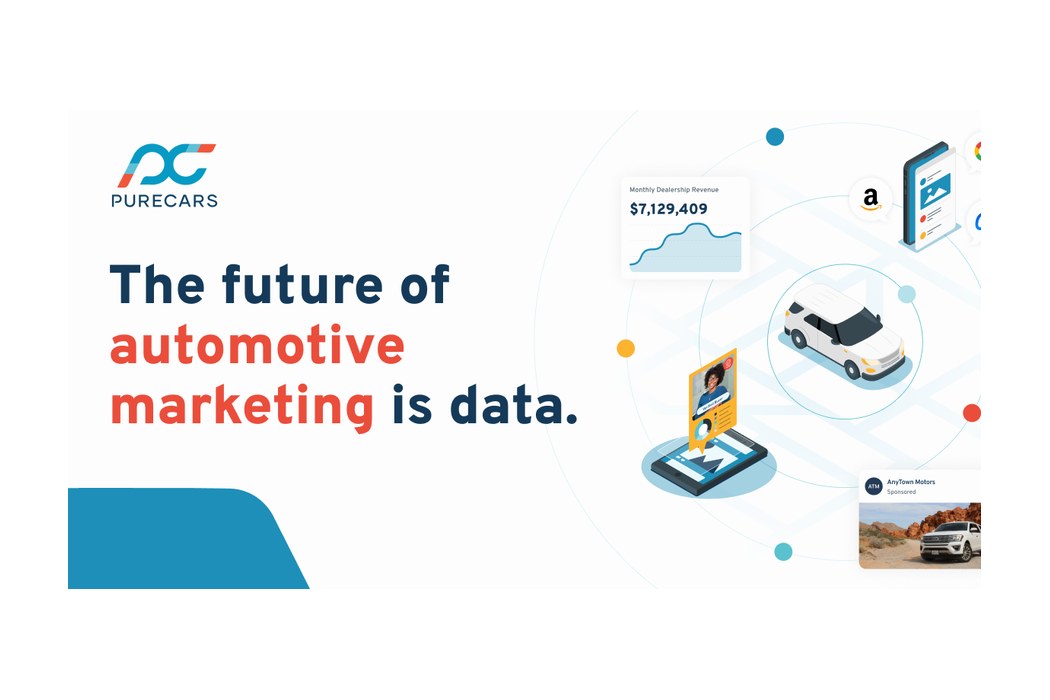
PureCars Found a $250 Million Blind Spot in the Dealership Ad Budget
Car dealers do not lack data; they lack a clean way to act on it. PureCars built a business by connecting the messy records in the dealership basement to the ads, messages and appointments happening upstairs.

DeepIntent Survived the DSP Winter - Then Taught Pharma Ads to Count Prescriptions, Not Clicks
The New York ad-tech company nearly ran out of road when venture funding for new DSPs froze. A decade later, it sells pharma marketers something the open web rarely offers: a way to connect media spend with clinical outcomes.
Viant Survived Myspace. Now It Wants to Prove Your TV Ad Was Actually Watched
The 27-year-old adtech company outlived the portal era, bought and carried Myspace, and emerged with a sharper bet: connected-TV ads should be addressable, explainable, and measured by more than a play button.

Ju-Kay Kwek Has Spent 15 Years Making Data Less Precious
Before AI could answer a revenue question, someone had to make the numbers trustworthy. The Switchboard co-founder has built a career in that stubborn, essential gap.

Arthur Leopold Is Teaching Advertising to Follow the Crowd
He learned early that attention moves faster than institutions. Now the former Cameo president is building Agentio to help advertising money catch up with the creators who already have the crowd.

Alex Kronman Put the College Newspaper Back on the Media Plan
He found a market hiding in plain sight: thousands of campus outlets, millions of hard-to-reach students, and an advertising system still powered by phone calls. His fix began at the editor's desk.

Jeremy Fain Learned to Read the Internet. Then He Taught It to Bid.
The Cognitiv co-founder spent two decades learning how digital advertising actually works. His more revealing operating system was built earlier - in code, competition and the company of two childhood friends.