agentic-ai
(1,035)
Don White and the question that wouldn’t leave the ballpark
A search for bacon on a stick helped shape Satisfi Labs. Its co-founder has spent the years since asking how much a conversation can actually get done.
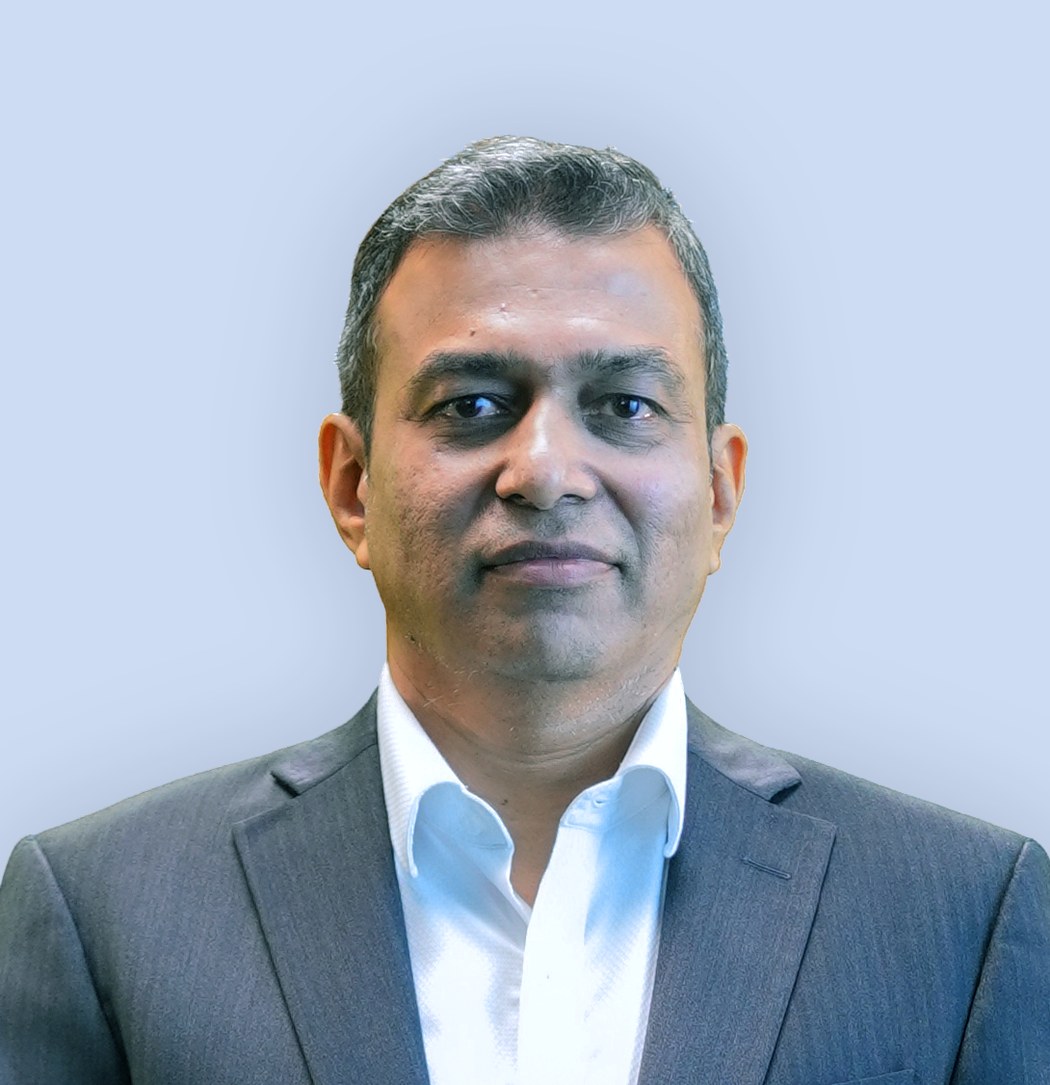
Aatish Dedhia and the art of paying attention
A catalogue problem led the Zycus founder into procurement. Decades later, his interests run from autonomous software to classical music, bird conservation and the engineering students building what comes next.

Jerry Ting and the case against busywork
A law student’s irritation with contract review became Evisort. Now, after its acquisition by Workday and a new seat on Asana’s board, Jerry Ting is taking the same question into larger rooms: why are people still doing this by hand?

Puneet Mehta and the case for a quieter machine
Before Netomi, Puneet Mehta built trading systems and an app for navigating New York. His next wager is that useful AI should leave customers with fewer reasons to ask for help.
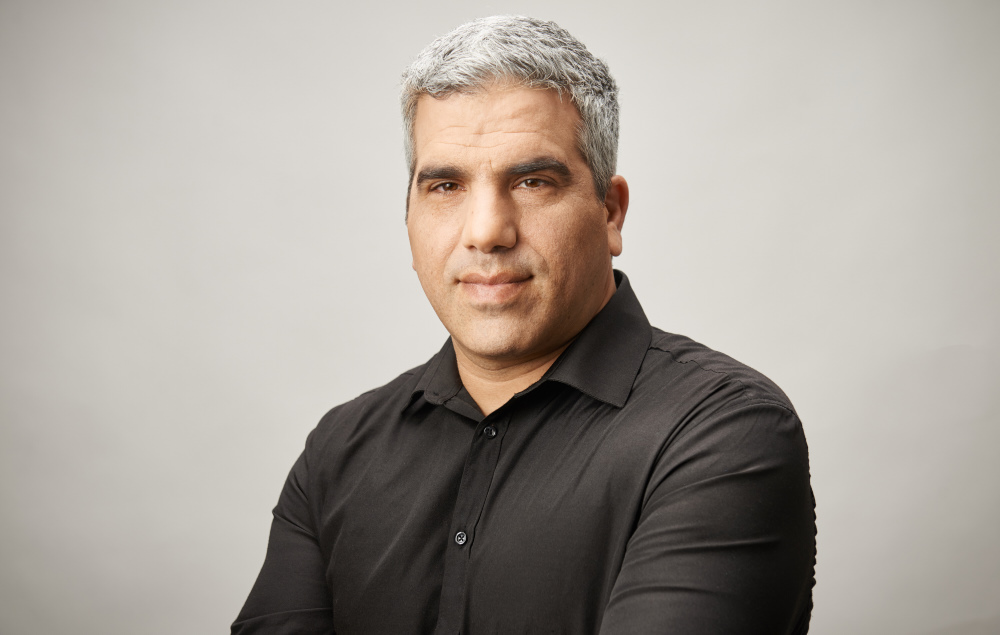
Ofer Smadari and the art of starting over
After selling Luminate Security, Ofer Smadari reunited its founding team and built another company. Getting Torq to a $1.2 billion valuation meant giving up on the first idea.

Richard Pennington and the promise that got bigger
FourNet began with four founders and one customer. Twenty-one years later, Richard Pennington is steering a business of around £65 million towards AI, with the same awkward question at its heart: who takes responsibility when the technology has to work?

Sonny Sehgal and the Side Hustle That Outlasted the Syllabus
A student project for Chase Manhattan became a business he built with his brother Rickie. Four decades later, Transputec’s co-founder is still chasing useful ideas - and asking who will be accountable when the software starts acting for itself.

Jakob Freund and the business between the boxes
Jakob Freund turned a Berlin consultancy into Camunda by paying attention to the handoffs everyone else had to live with. Now he is asking where AI belongs in the process, and who gets to decide what it can do.

Saxon AI makes the back office answer back
The company’s bet is simple: enterprise AI earns its keep when it can reach the information people need to do their jobs. A football-equipment maker shows what that looks like.
TCG Digital makes AI do the shift work
From plasma pools to refinery floors, TCG Digital puts enterprise AI where decisions have consequences. Its mcube platform starts with the unglamorous job of getting the data to agree.

Highspot makes the sales pitch findable.
Sales materials nobody used helped inspire a company. Highspot built a business around getting sellers the right material, then expanded into coaching, AI and a merger with its longtime rival.

Innover Digital makes AI earn its keep
A wasted truck journey. A missing spare part. An invoice nobody wants to type. Innover Digital builds AI around the expensive little problems that keep big companies waiting.

Ataccama asks the awkward question: can you trust your data?
Before an AI agent makes a decision, someone has to check its facts. Ataccama has built a business around that deceptively difficult job.

Skai and the sale that would have happened anyway
An ad can take credit for a sale without causing it. Skai has built a business around helping marketers see the difference - and put the next dollar somewhere better.

CriticalRiver makes your software earn its keep.
The enterprise already bought the software. CriticalRiver works on the harder part: getting its systems, data, and people to work together. Now it is applying that same approach to AI.

Sparq goes where the work gets stuck
The Atlanta engineering firm is betting that useful AI begins with the awkward handoff, the aging application, and the spreadsheet somebody still has to fix.

Aly Hemraj and the Work Behind a Simple Yes
A client thanked him for answering a call. His team’s offsite featured paper airplanes. At Tru, Aly Hemraj’s work connects enterprise technology with the people expected to make it run.

Guillaume de Zwirek learned when to change the score
Classical guitar taught him to practice. Google taught him scale. Building Artera in Santa Barbara has meant deciding which lessons to keep - and which ones to rewrite.
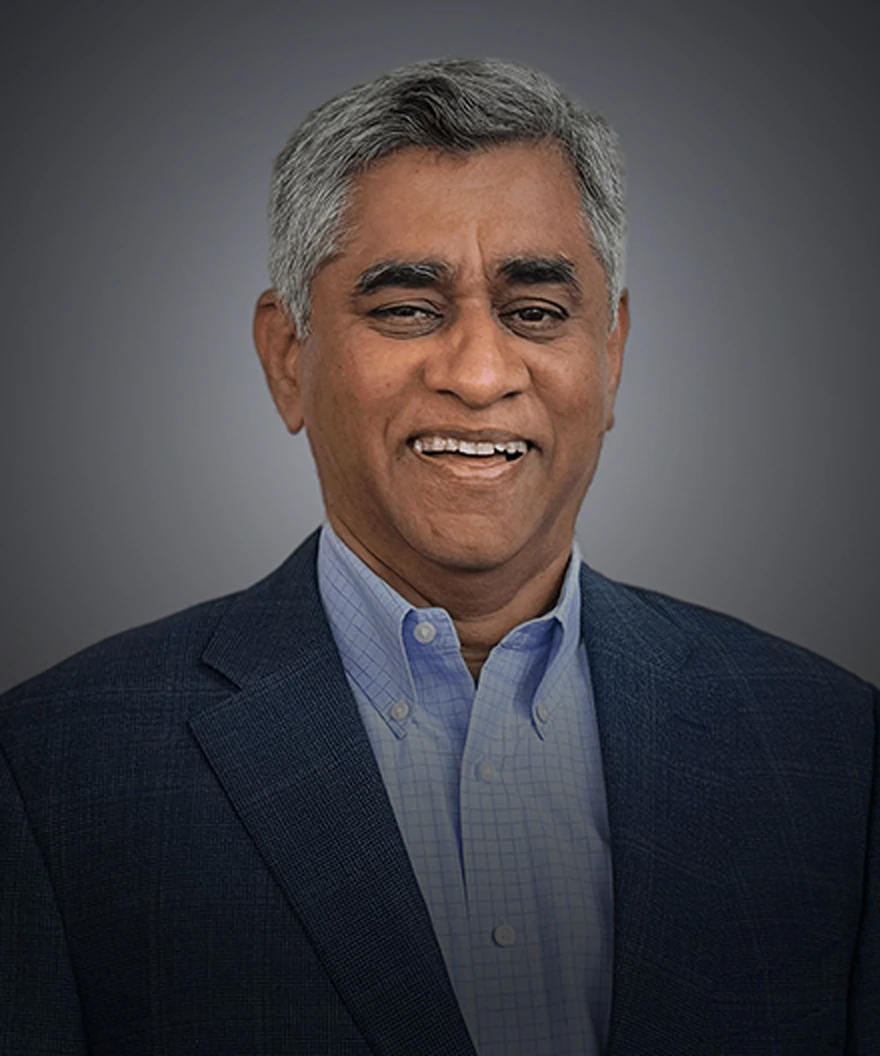
Ram Varadarajan and the art of setting a trap
At Arcot, Ram Varadarajan helped online shoppers prove who they were. At Acalvio, he gives intruders something else to prove: that they have taken the bait.

Ibrahim Alshamrani and the Price of a Minute
After years in cybersecurity leadership, Ibrahim Alshamrani co-founded COGNNA in Riyadh. His wager is that security teams need machines that can act quickly, and people who know when to take charge.

Muddu Sudhakar Keeps Coming Back to the Waiting Room
From storage networks to Aisera to Salesforce, Muddu Sudhakar has spent his career finding the places where enterprise work gets stuck. His latest project returns to a familiar queue: the IT help desk.

Kevin Moore and the Price of Knowing What You Know
He once sold months of software work for $5,000. At Vooban, Kevin Moore has spent the years since learning how to turn technical knowledge into a business - and how to keep that knowledge from walking out the door.

Kevin Frechette and the purchases nobody had time to question
He learned to sell enterprise technology, then started asking why companies paid different prices for it. Fairmarkit grew from that question into a business built around the buying decisions that slip through the cracks.

Christian Nentwich and the unfinished business of making things agree
He built Duco around the unglamorous work of checking financial data. Back as CEO in March 2026, Christian Nentwich is asking what happens when software can take on more of the work itself.

Nas Radev and the Trouble with 22 Right Answers
An engineering project became Infinite Lambda. Now its co-founder and CEO is trying to automate the work that built his business - while keeping people responsible for the decisions.

Mike Murchison and the art of answering
Before building Ada, Mike Murchison and his co-founder joined seven customer service teams. The experience still shapes how he builds software, leads people and thinks about AI.

Roey Eliyahu and the trouble with a perfectly ordinary request
A childhood computer prank taught Roey Eliyahu what hidden access could do. At Salt Security, he has spent a decade following that problem from everyday APIs to AI agents that act on their own.
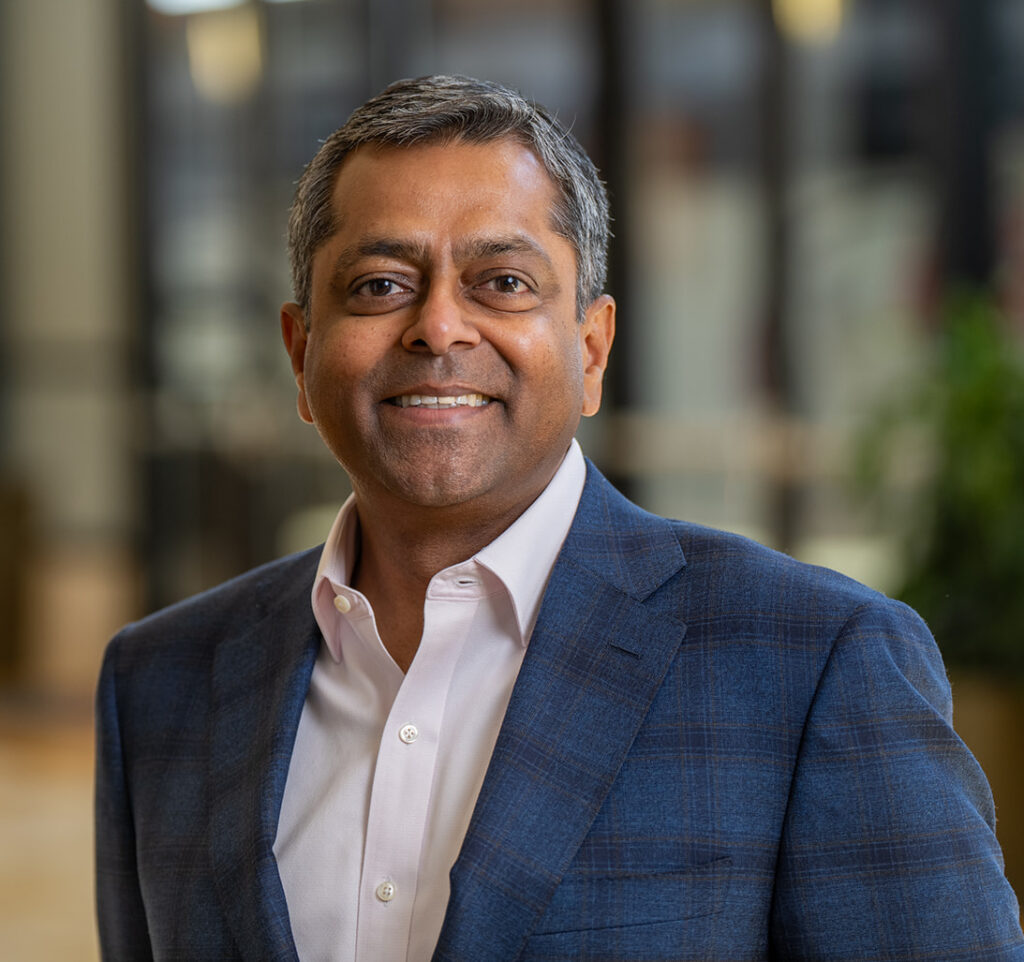
Manish Sood and the trouble with being early
In 2011, Manish Sood put his savings behind a cloud data company that some customers could scarcely imagine buying. Fifteen years later, Reltio belongs to SAP, and his old question has acquired a new urgency: can a business trust what it knows?
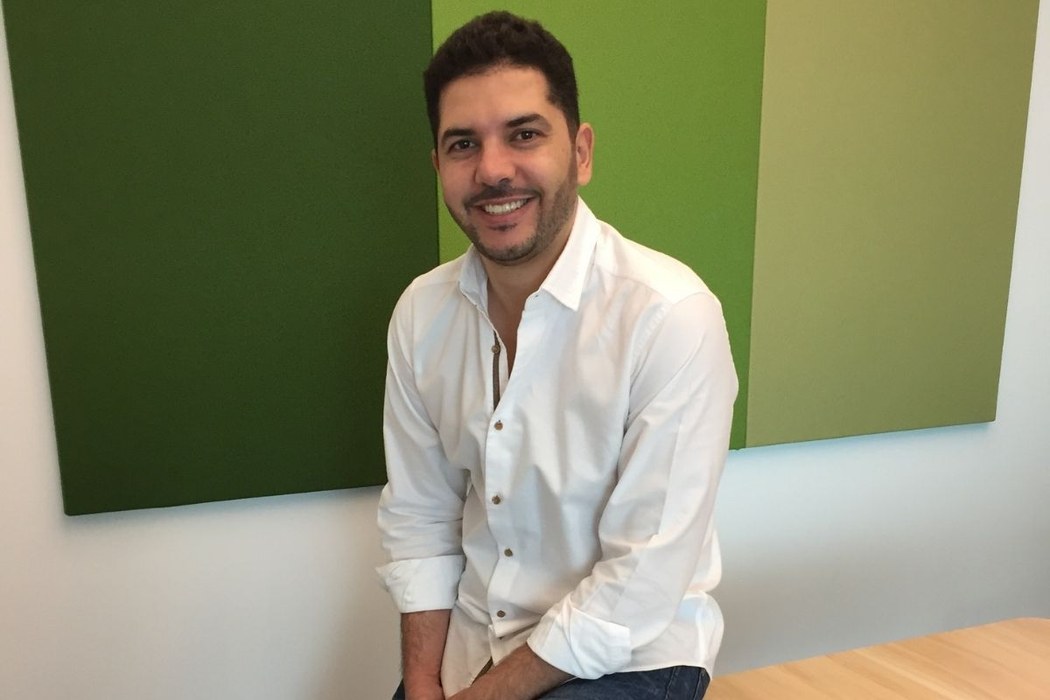
Imad Hammad and the 60-day deadline that became CarSwitch
Before CarSwitch had a settled name, Imad Hammad and Ali Malik gave it a launch date. The business that followed grew around a stubbornly practical question: how much of selling a used car could they take off someone else’s hands?

Centro found the work hiding behind the ads.
Buying an ad takes a moment. Everything around it can take weeks. Centro, now Basis Technologies, built its business in that gap.