sap
(81)
Navdeep Singla and the last few feet of enterprise software
A factory basement with no signal makes a useful test of a technology company. Navdeep Singla has spent his career bringing SAP closer to the people doing the work.

Saxon AI makes the back office answer back
The company’s bet is simple: enterprise AI earns its keep when it can reach the information people need to do their jobs. A football-equipment maker shows what that looks like.

Gemini Consulting & Services makes the connections count
An elephant alert, a student record, an insurance policy. Three very different problems reveal the same business: helping information reach the people who can use it.

Frederic Laluyaux and the Decision That Wouldn’t Go Away
A Paris startup taught him how quickly technology can erase a business. After SAP and Anaplan, Frederic Laluyaux built Aera around a question that kept returning: why do companies have so much information and still take so long to act?

Tomer Shiran and the Homework Problem That Followed Him to Work
His daughter could get an answer about the solar system in seconds. Tomer Shiran wanted the same ordinary convenience for people trying to understand their own company’s data.

Manish Sood and the trouble with being early
In 2011, Manish Sood put his savings behind a cloud data company that some customers could scarcely imagine buying. Fifteen years later, Reltio belongs to SAP, and his old question has acquired a new urgency: can a business trust what it knows?
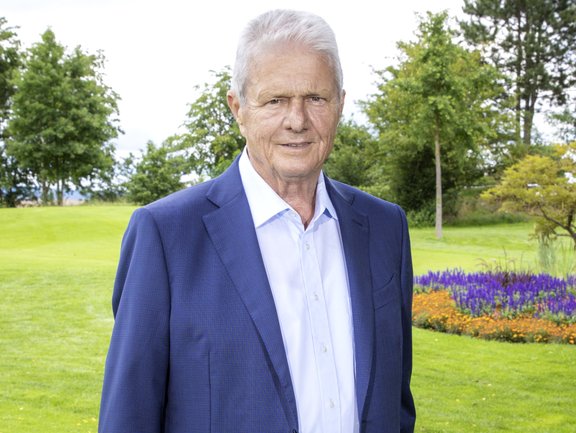
Dietmar Hopp and the curious economics of staying home
He helped turn five IBM colleagues into SAP. Then Dietmar Hopp used the proceeds to change the place he came from - one football club, school programme and public playground at a time.

Tijl Vuyk and the Art of Making Work Disappear
He founded Redwood Software in 1993 and spent decades asking why people were still doing the same tasks twice. His answer became a business built around the work most of us would rather forget.

CyberTech makes the map match the business
A water pipe can have two identities: one on a map, another in an enterprise database. CyberTech builds the connections that help utilities, cities and transit agencies agree on what is actually there.

SAP LeanIX: See it. Then simplify it.
Before a company can change its technology, it has to agree on what it owns. SAP LeanIX turns that surprisingly difficult question into a shared map - and, sometimes, a shorter shopping list.

TSP wants SAP projects to remember.
The Silicon Partners turns the repetitive work of SAP transformation into reusable tools. Its bigger bet: the decisions made during a project should keep working long after the consultants leave.

SAP NS2 puts a border around the cloud
The cloud promises to go everywhere. SAP NS2 makes a business of controlling where it goes, who can touch it, and how government gets its work done.

Enterprise Minds wants the mistake to happen in software
A refinery mixer is an expensive place to discover your AI was wrong. Enterprise Minds builds digital twins, automation and enterprise software around a practical idea: test the intervention before making the change.
LRS makes the last mile work
A document can cross a global network and still fail at the printer. Levi, Ray & Shoup built a business around getting it the rest of the way.
Savantis Solutions Makes the Back Office Part of the Show
A cinema ticket is the start of a surprisingly complicated chain. Savantis connects the customer-facing moment to the machinery behind it - and sells the expertise to keep that machinery running.

Sanish Mondkar and the problem hiding in the coffee queue
After leading product teams at Ariba and SAP, Sanish Mondkar went looking at hourly work from the other side of the counter. The result was Legion, built around a deceptively difficult question: can a better schedule serve the business and the person working it?

Maran Nagarajan and the long way home
Four college friends came back to Tamil Nadu to build a company. For KaarTech’s Maran Nagarajan, the harder journey was learning how to make it last.

Axity makes the pieces work together
A cloud migration can become a data problem. A data problem can become a security problem. Axity built a Latin American IT business around following the whole chain.

SAP Taulia makes a business out of waiting
Big buyers want to pay later. Their suppliers want cash sooner. SAP Taulia sells a way for both to get their wish - provided someone funds the days in between.
Sigga and the surprisingly expensive trip to the printer
Factories buy sophisticated software, then send technicians out with paper. Sigga closes that peculiar gap between what SAP knows and what maintenance crews can actually do.
Codesoft and the art of hiring the missing piece
A nine-month contract can reveal more about an IT company than a page of promises. Codesoft’s story lives in the space between buying technology and finding the people who can make it work.

Utopia Global and the Trouble With One Spare Part
A factory can have two names for the same spare part and pay for the confusion twice. Utopia Global built a business around making enterprise data agree with the world it describes.
Fingent and the expensive art of waiting
A dock, a service ticket, a factory: Fingent builds software for the awkward gaps between people and their systems. Its most useful lesson is to follow the handoff before buying the technology.

The Invoice That Got Away
A customer should not have to discover your billing error. Datricks connects to enterprise systems and watches the financial process unfold, looking for the exceptions a periodic audit may miss.

Michael DiGiandomenico Has Spent 30 Years Asking What Comes Next
Before he ran Savantis, Michael DiGiandomenico learned enterprise change from nearly every seat at the table - finance, delivery, consulting and operations. His career is a study in the unglamorous art of choosing the right road before anyone starts driving.

John Schwarz Left the Tower for a Hot Townhouse
After 35 years inside enterprise software's established institutions, John Schwarz started again in a rented Vancouver townhouse. The wager was simple: business data should answer a question before the questioner loses patience.

ISB Global makes rubbish add up
A collection truck, a weighbridge and an invoice ought to tell the same story. ISB Global has spent decades building software to make that happen - and more than £15 million rebuilding it for bigger ambitions.

On Device Solutions takes SAP off the desk and onto the factory floor
More than 800 paper forms at one car manufacturer tell the story. On Device Solutions builds mobile software for the people doing the maintenance, counting the stock and keeping the machinery moving.
Neem fixes the big systems. And the tiny pictures.
The UK consultancy works on both sides of the shopping basket: the data that moves products and the images that help people choose them. Its most revealing work makes complicated things easier to see.

Basis Technologies Wants to Give SAP Its Weekends Back
A Kimberly-Clark migration cut technical downtime from 18 hours to five with help from ActiveControl. Behind that result is a British software company betting that better change decisions can matter as much as faster deployments.