car-t
(36)
Caribou Cut a Third of Its Team to Bet the Company on Two Cancer Drugs - Here’s What Focus Costs in Biotech
The CRISPR pioneer traded a sprawling platform story for two off-the-shelf cancer therapies, a smaller herd, and a very specific test: can ready-made CAR-T match custom-built medicine before the cash clock runs out?

Best Buy Paid $400 Million for Current Health. Then Its Founder Bought the Company Back - and Narrowed the Bet
Current Health began with a wearable, grew into a hospital-at-home operating system, and became a $400 million retail-health wager. Its second act is more disciplined: help hospitals and drugmakers move the hardest care out of the building without making clinicians gamble on safety.
Legend Biotech
Legend Biotech turned an experiment from a room the size of a freight elevator into a medicine used to treat more than 10,000 people. Now it must prove that one demanding, personalized therapy can become a platform for the next generation of cancer care.
Arcellx
Arcellx rebuilt a crucial part of CAR-T therapy with a compact synthetic binder. Its lead treatment is now under FDA review - and the company behind it has become part of Gilead's Kite.
Sabah Oney
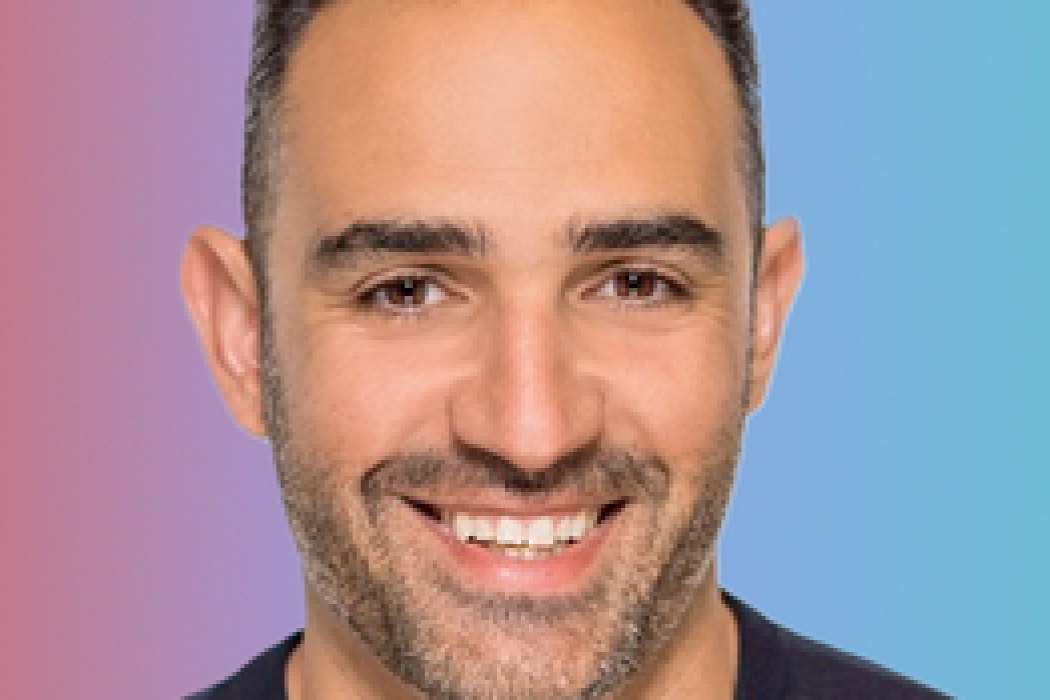
Sabah Oney is the president and CEO of Dispatch Bio, a Philadelphia- and San Francisco-based biotech engineering a universal treatment for solid tumors using CAR-T cell therapy. Born in Cyprus and in the U.S. since age 18, he holds a genetics degree from the University of Kansas, a PhD in genetics and genomics from Duke, and an MBA from Stanford. Across nearly two decades in biotech he helped scale Ariosa Diagnostics (acquired by Roche), took Alector public as its chief business officer, co-founded Vilya, and served as a venture partner at ARCH. Dispatch launched publicly in 2025 with $216 million behind its FLARE platform and CAR-T pioneer Carl June among its founders.
Daniel Getts
Daniel Getts, PhD, is the co-founder and CEO of CREATE Medicines (formerly Myeloid Therapeutics), a Cambridge, Massachusetts biotech building RNA-based in vivo immune programming therapies that reprogram T cells, NK cells and myeloid cells directly inside the body. An immunologist trained at the University of Sydney with an MBA from Western Michigan, he previously founded Cour Pharmaceuticals and served as VP of Research at TCR2 Therapeutics. He has more than 45 peer-reviewed publications, multiple issued patents, and a track record of large pharma partnerships, including Takeda's $420M licensing deal for TIMP-GLIA. In May 2026 CREATE closed a $122 million Series B to advance its in vivo CAR pipeline across autoimmune disease and oncology.
CREATE Medicines
CREATE Medicines is a Cambridge, Massachusetts clinical-stage biotech building in vivo immune programming - therapies that use an mRNA-lipid nanoparticle platform to turn a patient's own T cells, NK cells, and myeloid cells into chimeric antigen receptor (CAR) cells directly inside the body, rather than extracting and re-engineering them in a lab. Formerly Myeloid Therapeutics, the company rebranded in October 2025 as its pipeline expanded beyond myeloid cells and cancer into autoimmune disease and fibrosis. Its repeat-dosable, off-the-shelf approach aims to make CAR therapy cheaper and more scalable than conventional cell therapy, and the company says it has dosed more than 50 patients - among the largest clinical datasets for in vivo CAR to date.
Leucid Bio
Leucid Bio is a clinical-stage London biotech developing next-generation CAR-T cell therapies for refractory solid tumors. Spun out of King's College London in 2014 to commercialize two decades of research by Dr John Maher, the company's proprietary Lateral CAR platform redesigns the CAR receptor so its signalling domains sit laterally alongside the cell membrane - mimicking natural immune receptors to boost potency while reducing toxicity. Its lead candidate, LEU011, is an autologous NKG2D-targeting CAR-T therapy now in the Phase I/IIa AERIAL trial for refractory solid tumors.
Made Scientific
Made Scientific is a Princeton, New Jersey-based contract development and manufacturing organization (CDMO) focused exclusively on cell therapies. Formerly BioCentriq, it was rebranded in March 2025 and is backed by South Korea's GC Corporation. The company runs a 60,000 sq. ft. GMP facility with five ISO 7 / Grade B cleanrooms, offering process and analytical development, GMP manufacturing of autologous and allogeneic products, aseptic fill and finish, QC release testing, regulatory consulting, and workforce training, taking cell therapy programs from preclinical development through commercial supply.
Sanavia Oncology Inc.
Sanavia Oncology is a New York-based biotech company developing next-generation cancer immunotherapies for patients who don't benefit from existing treatments. Its proprietary platform pairs high-throughput sequencing, single-molecule super-resolution microscopy, 3D protein modeling and artificial intelligence to discover novel, clinically relevant cancer-specific epitopes in drug-resistant tumors, then generates antibodies with atomic-level specificity to those targets. The company is building antibody drug conjugates (ADCs), bispecific T cell engagers (TCEs) and CAR-T therapies - led by its SANA-01 ADC - and is backed by Two Bear Capital.

Filippo Petti
Filippo Petti is the Chief Executive Officer of Leucid Bio, a London-based clinical-stage biotech developing next-generation CAR-T cell therapies for solid tumours built on a proprietary lateral CAR platform spun out of two decades of King's College London research. Appointed CEO in July 2023, Petti pairs a bench-science start at OSI Pharmaceuticals with years on Wall Street as a healthcare investment banker and equity analyst, and a prior run leading Celyad Oncology as CEO and CFO. Under his watch, Leucid moved its lead asset LEU011 into the AERIAL Phase I/IIa trial, reporting early proof-of-concept in relapsed/refractory solid tumours in late 2025.
Joanne Smith-Farrell
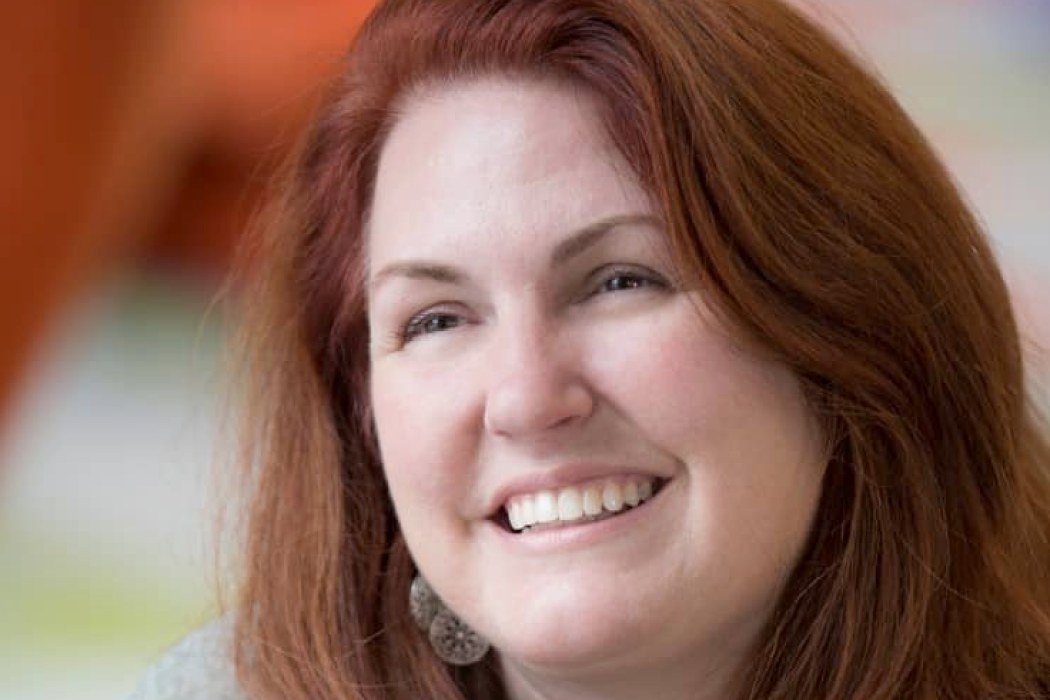
Joanne Smith-Farrell is the President and CEO of Be Biopharma, a Cambridge, Massachusetts company building a new class of medicines from engineered B cells - the body's own protein factories. A physicist by training who moved into drug development, she has spent more than 25 years leading teams tackling cancer and rare diseases, most notably building bluebird bio's 400-person oncology cell therapy business behind the CAR-T therapy Abecma. Since taking the helm at Be Bio in early 2021, she has steered the company through more than $350 million in funding as it works to turn B cells into durable, in vivo sources of therapeutic proteins.

Eureka Therapeutics, Inc.
Eureka Therapeutics is a clinical-stage biopharmaceutical company in Emeryville, California, developing next-generation T-cell therapies for cancer, with a focus on hard-to-treat solid tumors. Founded in 2006 by Dr. Cheng Liu, the company pairs its E-ALPHA phage-display antibody engine with its ARTEMIS T-cell receptor platform - an alternative to conventional CAR-T designed to keep engineered T cells potent inside immunosuppressive tumors while sharply reducing the inflammatory cytokine release linked to CAR-T toxicity. Its lead program, ECT204, targets GPC3-positive advanced liver cancer and has received FDA RMAT designation.

Dispatch Bio
Dispatch Bio is a Philadelphia-based cancer biotech that emerged from stealth in July 2025 with $216 million to pursue a 'universal' immunotherapy for solid tumors. Its first-in-class Flare platform uses an engineered virus to install a synthetic, tumor-specific antigen on cancer cells while remodeling the tumor's immune-suppressive environment, effectively giving CAR T cells a target where none existed. Founded in 2022 out of the Parker Institute for Cancer Immunotherapy and ARCH Venture Partners, the company is led by CEO Sabah Oney and counts CAR T pioneer Carl June among its scientific co-founders.
Server Ertem
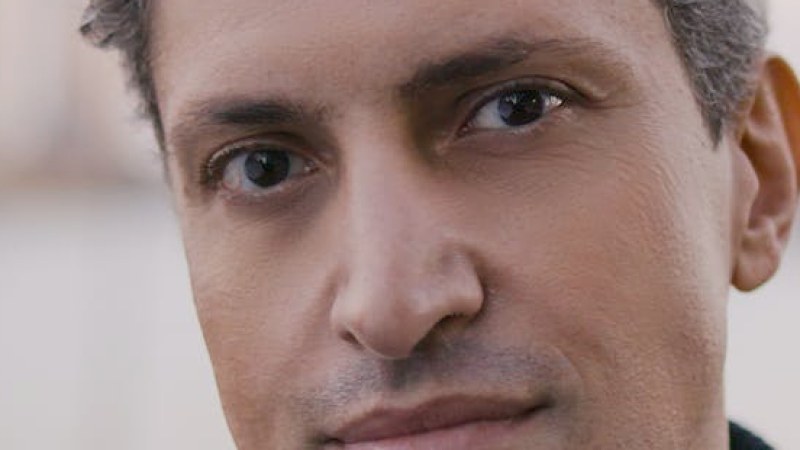
Server Ertem is the founder and CEO of Sanavia Oncology, a New York biotech developing antibody drug conjugates, T-cell engagers, and CAR-T therapies aimed at the roughly 80% of cancer patients whose tumors escape today's treatments. He built the company after a PhD in cancer cell biology at Weill Cornell, a postdoc at Memorial Sloan Kettering, and a Runway Startup Postdoc fellowship at Cornell Tech - stitching high-throughput cell biology, super-resolution microscopy, and machine learning into a platform designed to find cancer-specific epitopes on validated targets with atomic-level precision.

Axelyf
Axelyf is a Brookline, Massachusetts biotech (with an R&D subsidiary in Iceland) building next-generation lipid nanoparticle delivery systems for RNA medicines. Founded by former Moderna drug-delivery leaders, it pairs a proprietary AXL ionizable-lipid library with an AI model called ANNA to make RNA and gene-editing payloads reach the right tissue with higher potency and less toxicity. In mouse liver studies its AXL LNPs showed roughly 4-5x higher gene-editing efficiency than the LP-01 clinical benchmark at equivalent doses, without evidence of liver toxicity. The company closed $2.6M in seed funding in August 2025 to push its lead autoimmune program and lipid library toward preclinical and non-human-primate studies.

Ridge Bio
Ridge Biotechnologies is a Bay Area startup using AI-driven enzyme and targeted drug design to build the next generation of precision medicines. Its platform pairs proprietary machine learning models with high-throughput, cell-free wet-lab experimentation to design enzymes and delivery systems for applications spanning antibody-drug conjugates, in vivo CAR-T, targeted nucleic acid delivery, biocatalysis and radiotherapies. The company emerged from stealth in September 2025 with an oversubscribed $25 million seed round led by Sutter Hill Ventures.

Arsenal Biosciences, Inc.
Arsenal Biosciences (ArsenalBio) is a clinical-stage, programmable cell therapy company in South San Francisco engineering CAR-T cell therapies for solid tumors. By combining CRISPR genome engineering, synthetic biology, high-throughput target discovery and machine learning, it builds 'integrated circuit T cells' that carry logic gates and multiple drug functions to attack tumors while sparing healthy tissue. Founded in 2019 by surgeon-executive Ken Drazan with leading academic immunologists, the company has raised roughly $850M total, including an oversubscribed $325M Series C in 2024 backed by ARCH, NVIDIA's NVentures, Regeneron Ventures and Bristol Myers Squibb.

AvenCell Therapeutics
AvenCell Therapeutics is a clinical-stage cell therapy company building switchable, universal CAR-T treatments that can be turned 'off' and 'on' even after they are inside a patient. By pairing this controllable switch with a CRISPR-engineered, off-the-shelf allogeneic platform, AvenCell aims to widen the narrow safety window of conventional CAR-T while cutting the cost and wait time of manufacturing, targeting hard-to-treat blood cancers like AML, B-cell malignancies and, increasingly, autoimmune disease.
CellFE
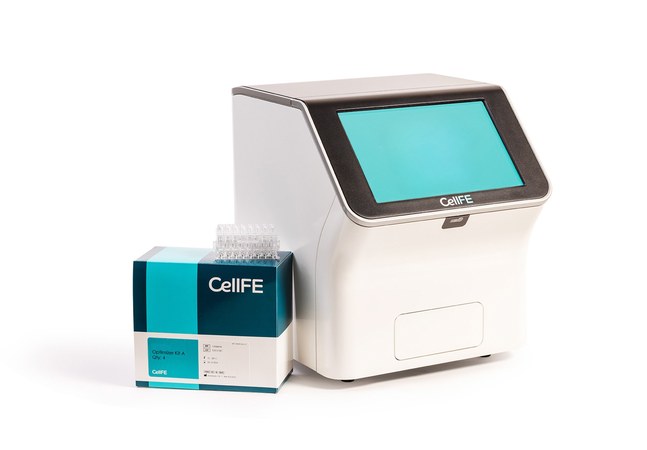
CellFE is an Alameda, California biotechnology company building microfluidics-based, non-viral cell-engineering instruments and consumables. Its Ryva mechanoporation platform squeezes cells through microfluidic channels to transiently open their membranes and deliver gene-editing payloads (mRNA, CRISPR-RNP, DNA vectors) in under 10 milliseconds, aiming to preserve cell health and viability where viral vectors and electroporation fall short. The goal is to make lifesaving cell therapies such as CAR-T faster, cheaper, and more scalable to manufacture.
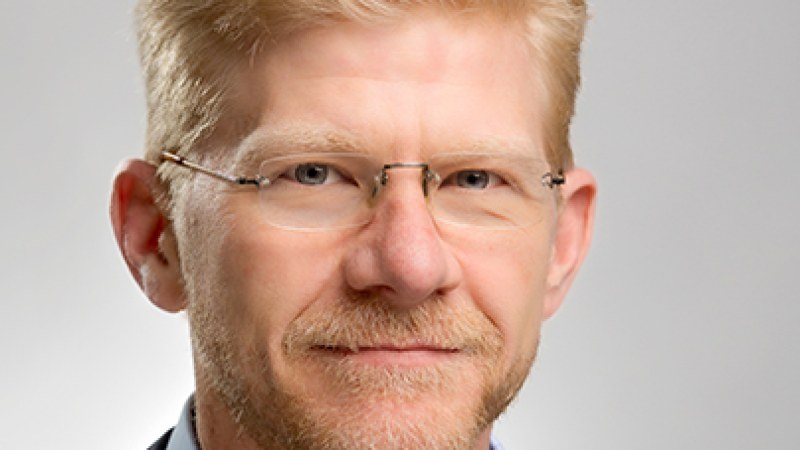
Andrew Schiermeier
Andrew Schiermeier is the President and CEO of AvenCell Therapeutics, a clinical-stage biotech in Cambridge, Massachusetts and Dresden, Germany building switchable, universal CAR-T cell therapies for hard-to-treat cancers like acute myeloid leukemia. An engineer-turned-operator with a Harvard PhD in applied mathematics, he spent two decades across startups and global pharma - five years at CRISPR pioneer Intellia Therapeutics rising to COO, and a stint running Merck KGaA's oncology business across 60-plus countries - before taking AvenCell's helm in 2021 and leading its $112 million Series B in 2024.
Ken Drazan
Ken Drazan is the Chairman, CEO and co-founder of Arsenal Biosciences (ArsenalBio), a South San Francisco clinical-stage company building computationally designed, programmable T-cell therapies to attack solid tumors. A board-certified liver transplant surgeon turned operator and investor, he previously was President and Chief Business Officer of GRAIL (acquired by Illumina), founded the robotic surgery company Verb Surgical (acquired by Johnson & Johnson), and co-founded the private equity firm Bertram Capital. At ArsenalBio he has raised hundreds of millions of dollars and forged collaborations with Bristol Myers Squibb and Genentech, betting that gene-edited 'integrated circuit' T cells - and an AI foundation model of the T cell - can turn cell therapy into something curative for cancers that have resisted it.
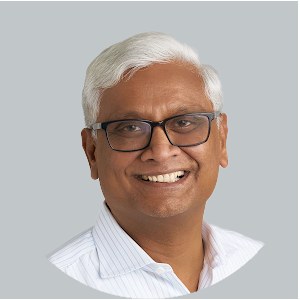
Kumar Srinivasan
Kumar Srinivasan is the President and CEO of Wugen, a St. Louis clinical-stage biotech building off-the-shelf memory NK and CAR-T cell therapies for cancer. A chemist turned dealmaker, he spent 25+ years in pharma and biotech business development, most notably engineering the partnering strategy at Turning Point Therapeutics that culminated in its $4.1 billion acquisition by Bristol Myers Squibb. Since taking Wugen's helm in March 2023, he has steered its lead programs WU-CART-007 and WU-NK-101 into pivotal and early clinical trials.
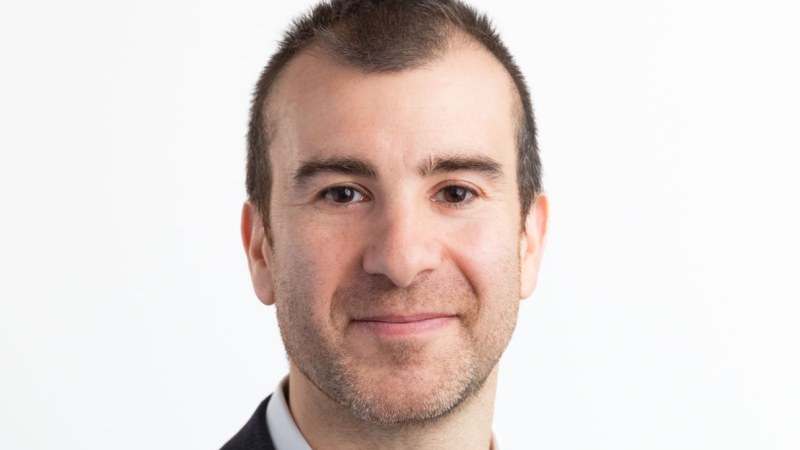
Marc Lajoie
Marc Lajoie is a protein designer turned biotech CEO. He co-founded Outpace Bio in 2021 in Seattle, where he is chief executive, building engineered cell therapies that aim to bring the kind of cures seen in blood cancers to the solid tumors that make up the vast majority of cancer cases. Trained in George Church's genome-engineering lab at Harvard and David Baker's Institute for Protein Design at the University of Washington, Lajoie helped pioneer the design of proteins with moving parts - molecules that compute, switch, and make decisions inside living cells. Outpace raised a $144M oversubscribed Series B in 2024 to push its AI-powered, protein-designed therapies toward the clinic.

Wugen
Wugen is a clinical-stage biotechnology company in St. Louis engineering off-the-shelf, allogeneic cell therapies for cancer. Spun out of Washington University in St. Louis in 2018, it builds CRISPR-edited CAR-T cells and cytokine-induced memory NK cells designed to be manufactured once from healthy donors and delivered to many patients. Its lead program, WU-CART-007 (soficabtagene geleucel), is a CD7-targeted allogeneic CAR-T in a pivotal trial for relapsed/refractory T-cell leukemia and lymphoma, carrying FDA Breakthrough Therapy, RMAT, Fast Track, Orphan Drug and Rare Pediatric Disease designations.

Zafrens
Zafrens is a San Diego biotechnology company building an ultra-high-throughput single-cell platform that isolates, images, runs assays on, and sequences millions of individual cells per day. Its Z-Screen technology swaps the conventional 96-well plate for a credit-card-sized plastic chip holding 50,000 to 200,000 microwells, each with integrated imaging and multi-omic sequencing. By linking perturbation to genotype, phenotype and function at single-cell resolution, Zafrens compresses multiple stages of drug discovery into a single benchtop experiment - a 500x to 2,000x jump in the number of experiments a scientist can run at one timepoint.
Aleta Biotherapeutics
Aleta Biotherapeutics is a Natick, Massachusetts immuno-oncology company building CAR T Engagers (CTEs) - simple biologic proteins that make existing CAR-T cell therapies work better. Its lead drug, ALETA-001, bridges a patient's CD19-targeted CAR T-cells to CD20 on cancer cells, aiming to rescue patients who relapse after standard CAR-T treatment for B-cell cancers. Founded in 2015 by Paul Rennert and Roy Lobb, the company is running a Phase 1/2 trial in the UK with Cancer Research UK and reported encouraging early data in December 2025.

Kytopen
Kytopen is a Cambridge, Massachusetts biotech and MIT spinout building Flowfect, a non-viral, continuous-flow platform that uses fluid flow plus electric fields to deliver mRNA, DNA and CRISPR payloads into cells. The technology aims to engineer hundreds of billions of cells in minutes, removing a major bottleneck in discovering, developing and manufacturing advanced cell therapies like CAR-T and NK-cell treatments.

Simcha Therapeutics
Simcha Therapeutics is a clinical-stage biopharmaceutical company in New Haven, Connecticut that uses directed evolution to engineer next-generation cytokine immunotherapies for cancer. Its lead program, ST-067, is a first-in-class 'decoy-resistant' interleukin-18 (IL-18) variant engineered to evade the natural decoy protein (IL-18BP) that tumors exploit to silence the immune system. Spun out of Aaron Ring's lab at Yale School of Medicine and backed by $40M in Series B financing, Simcha is advancing ST-067 through Phase 1/2 trials in solid tumors and partnering with Janssen to armor CAR T cell therapies.
Cellares
Cellares is the first Integrated Development and Manufacturing Organization (IDMO) for cell therapy. Its Cell Shuttle - a fully automated, high-throughput platform roughly the size of a small conference room - replaces a warren of manual labs with one box that can run 16 patient batches in parallel, cutting labor and facility footprint by about 90 percent.