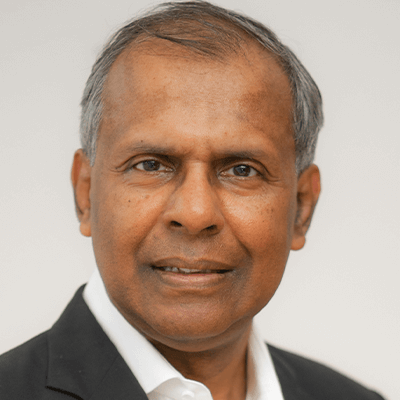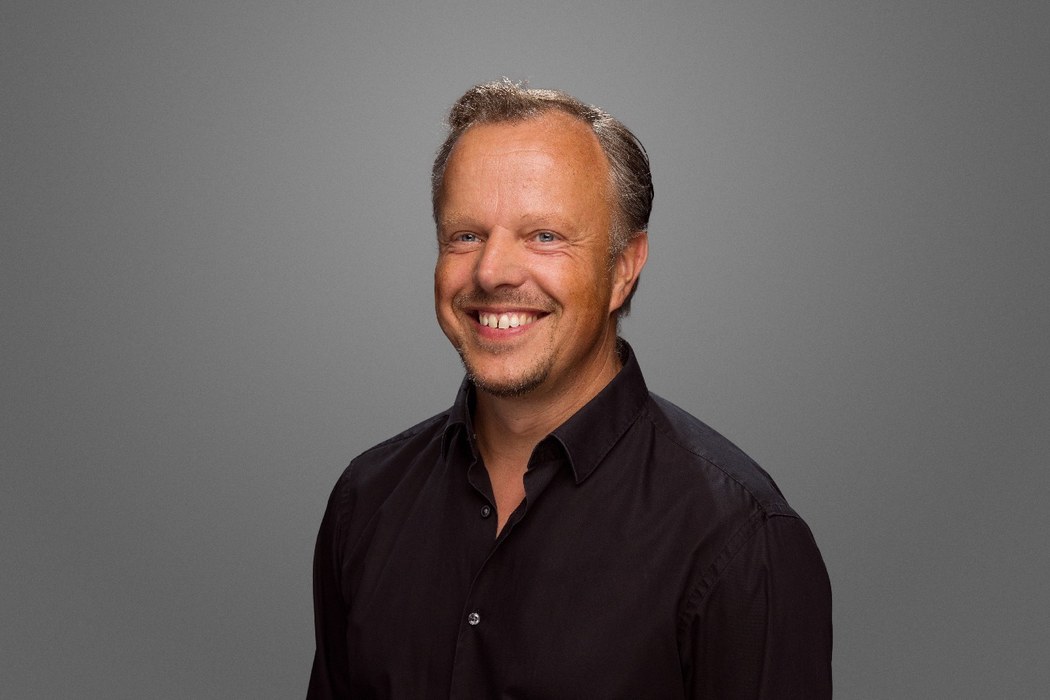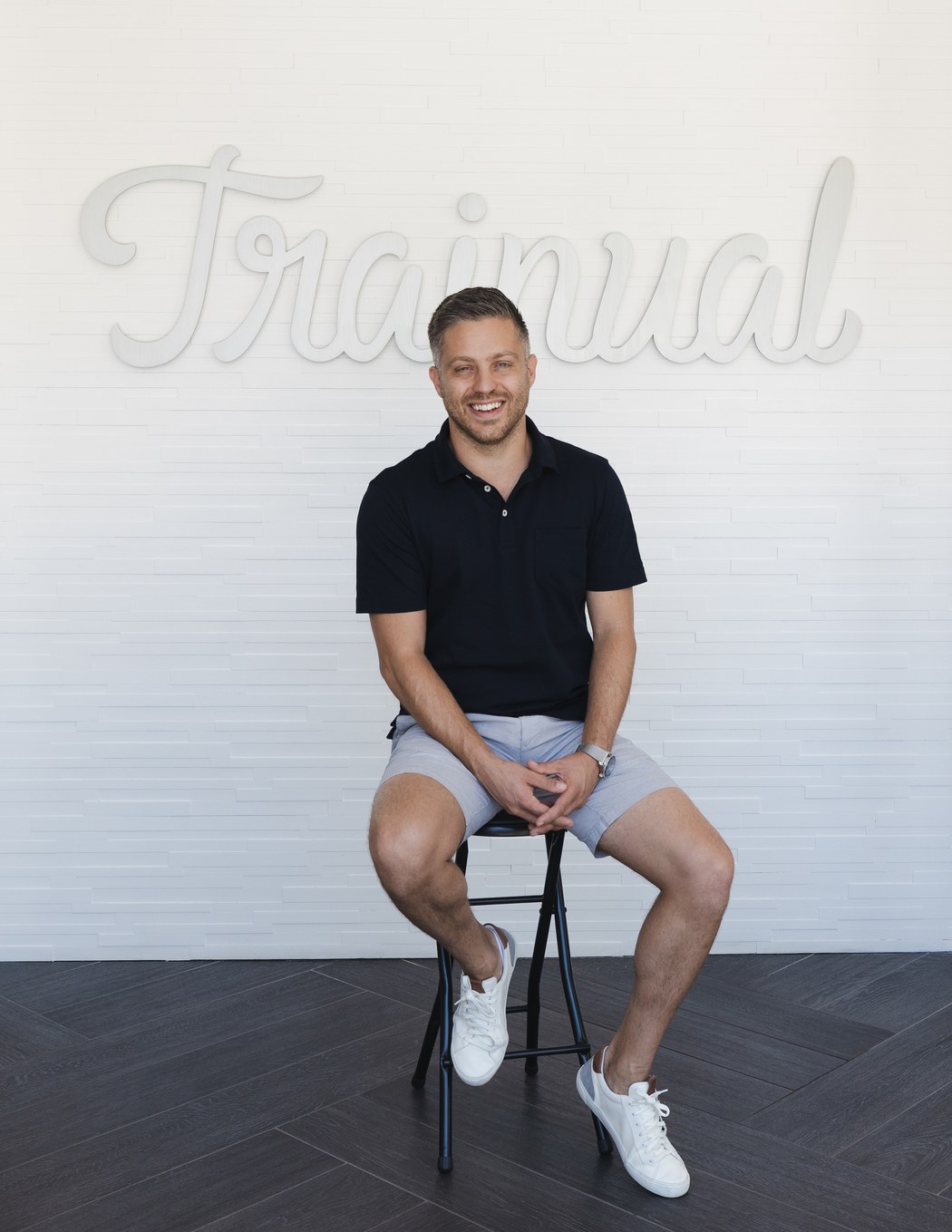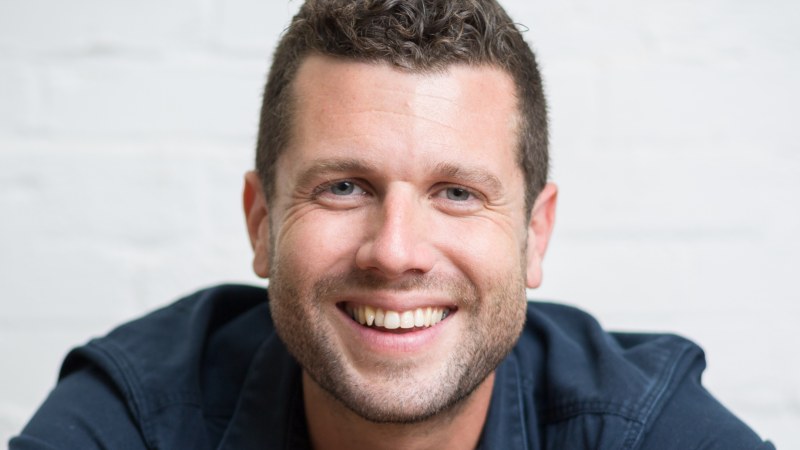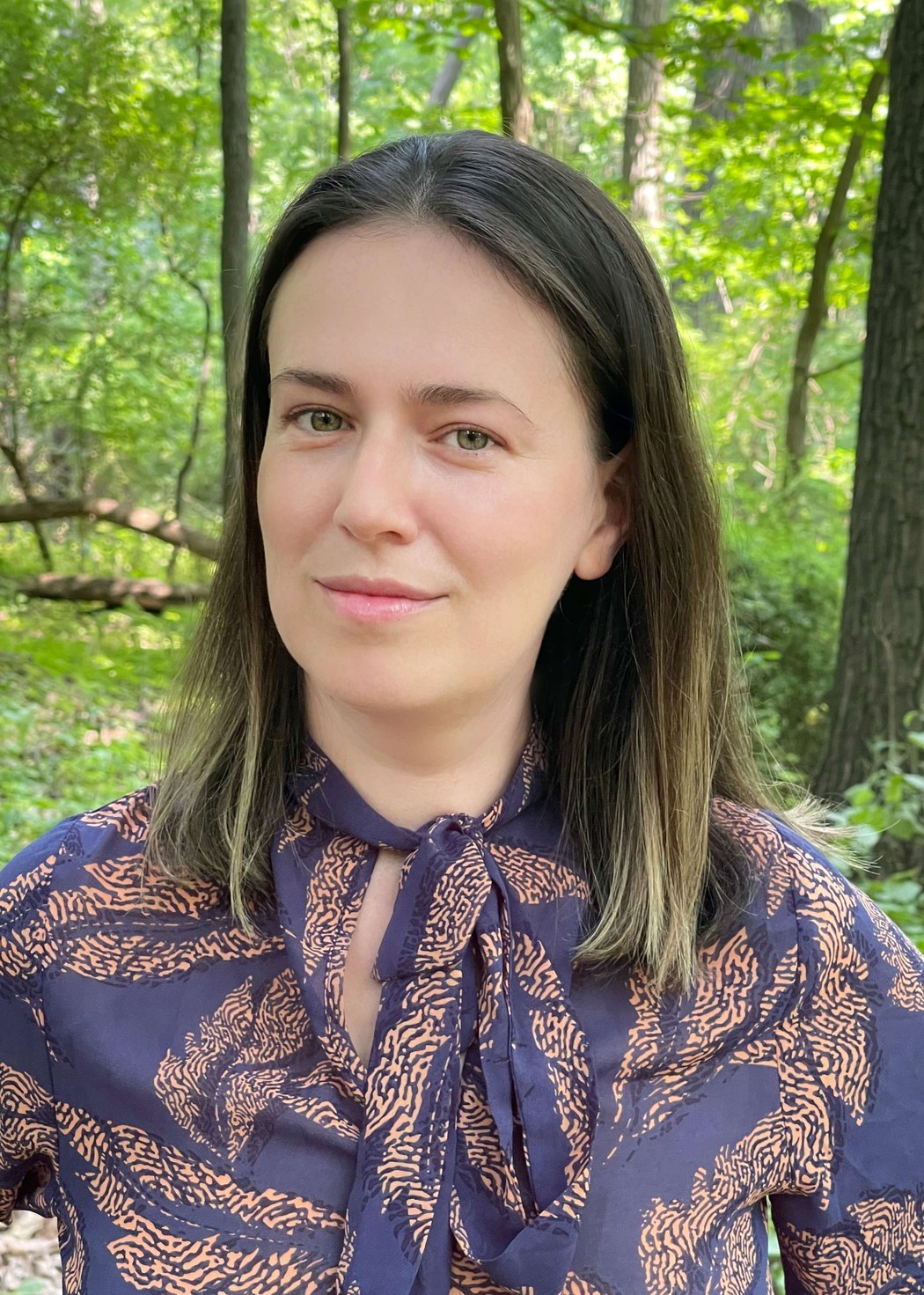
Paul Archer is the founder and CEO of Duel, a London-based brand advocacy SaaS platform that helps global brands like Charlotte Tilbury, Lush, ELEMIS, Victoria's Secret and Abercrombie & Fitch turn customers, creators and fans into a measurable growth channel. Before software, Archer drove a 1992 London black cab around the world, breaking two Guinness World Records and writing a best-selling book about it. He co-founded Duel in 2017 with viral games developer Naio Tsarouchis; the company raised a $16M Series A in September 2025 co-led by Molten Ventures and Bright Pixel.
Brian de Haaff is the co-founder and CEO of Aha!, the world's #1 product development software, which he built past $100 million in annual recurring revenue without taking a dollar of venture capital. Fully remote and profitable from the start, Aha! now serves more than a million product builders. A three-time software CEO, de Haaff is the author of Lovability and the originator of ideas like the Minimum Lovable Product and The Responsive Method. He writes prolifically for an audience of hundreds of thousands, arguing that great companies chase value, not valuation.
Robert Frederick is the founder, CEO and President of Sirqul, Inc., a Seattle IoT company built around an Engagement-as-a-Service platform of hundreds of APIs and patented edge devices. An MIT Media Lab alum and TR35 honoree with 41 issued patents, he helped launch Amazon Anywhere and co-founded Amazon Web Services and the AWS Marketplace before scaling the voice startup Snapvine past 5 million users. He is also an author and music producer.
Jeremy Keeshin is the CEO and co-founder of CodeHS, the online platform that teaches computer science to millions of middle and high school students. A Stanford computer science graduate who cut his teeth as a section leader for the university's legendary intro programming courses, he launched CodeHS in 2012 with classmate Zach Galant to bring coding to schools that had never offered it. He wrote 'Read Write Code,' a friendly primer arguing that coding is the new literacy, and he still finds time to juggle, chase crosswords, and crack jokes rooted in his college days running the satirical paper The Stanford Flipside.
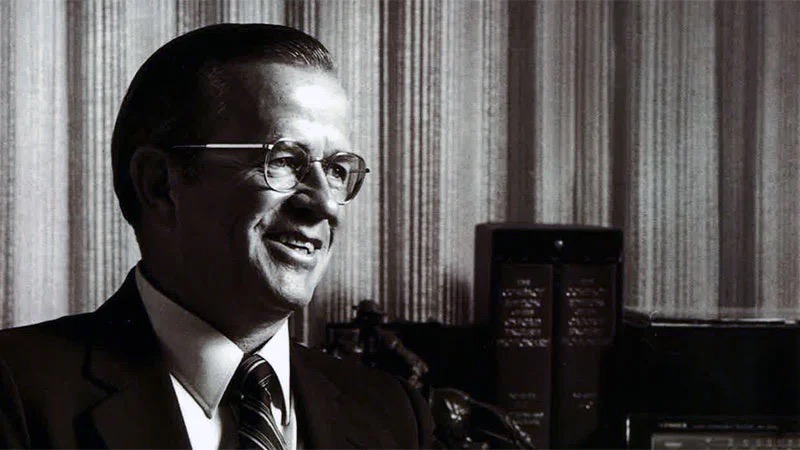
John Francis Crowley is the President & CEO of the Biotechnology Innovation Organization (BIO), the world's largest biotech trade association with 1,100+ member companies in 30+ countries. A Georgetown and Harvard Business School alumnus, Navy Reserve veteran who served in Afghanistan, and author of 'Chasing Miracles,' Crowley co-founded Novazyme Pharmaceuticals - which sold to Genzyme for ~$175-200 million - and later built Amicus Therapeutics from a 5-person startup into a global biopharmaceutical company. His life story inspired the 2010 CBS Films feature 'Extraordinary Measures,' in which Brendan Fraser portrayed him alongside Harrison Ford. Since taking the helm at BIO in March 2024, he has repositioned the organization around U.S. biotech competitiveness, FDA modernization, and patient advocacy.
David Feinleib is a serial entrepreneur, former venture capitalist, and author who is now Founder and CEO of It'sRapid.ai, a Palo Alto AI platform that turns product data and existing assets into finished commerce content for major brands. He has founded multiple companies acquired by EMC, HP, and Keynote Systems, sold Content Analytics to Syndigo in 2019, invested as a General Partner at Mohr Davidow Ventures, and written four books including 'Why Startups Fail' and 'Big Data Bootcamp.'
Olga V. Mack is the CEO of TermScout, an AI-powered contract certification platform that grades contracts as fair, balanced, and market-ready before negotiation even begins. A serial legal-tech CEO and former general counsel, she earlier ran Parley Pro through its 2022 acquisition by LexisNexis and stayed on to lead CounselLink. She is a six-time TEDx speaker, a Stanford CodeX fellow, the Generative AI Editor of the MIT Computational Law Report, an adjunct professor at UC Law SF, and the author of multiple books on boards, blockchain, and legal operations. Born in Ukraine and educated at UC Berkeley, she has spent her career trying to make law less of a bottleneck and more of a service.
Rachel Schneider is the founder and CEO of Canary, a New York fintech that lets employers and donors give tax-free emergency cash grants to workers in crisis. Before building software, she spent years studying how American families actually handle money - co-authoring the acclaimed book The Financial Diaries with economist Jonathan Morduch - and held senior roles at Merrill Lynch, the Aspen Institute, and the Financial Health Network. Canary turned that research into a product: a confidential application that moves money to people at the moment they need it most.

Eric Berridge is a 23-year Salesforce ecosystem veteran and CEO of Coastal, a premier Salesforce consultancy he joined in 2020 and took the helm of in September 2023. He previously co-founded Bluewolf in 2000 - one of the first Salesforce-focused consulting firms - and built it to a major acquisition by IBM in 2016. A TED speaker, two-time author, and MFA-holder in creative writing who never studied computer science, Berridge argues that the humanities are tech's most underrated competitive advantage. Under his leadership, Coastal was acquired by Tata Consultancy Services (TCS) for $700 million in January 2026, the largest professional services acquisition in Salesforce ecosystem history.
Alexander Kates is the cofounder and CEO of Vetcove, the free ordering platform that lets veterinary practices, zoos, aquariums and animal welfare groups shop every supplier at once - think Kayak, but for the stuff that keeps animals healthy. He built it with his brother Mitch after watching the inventory manager at their father's equine veterinary practice juggle 30-40 vendor tabs by hand. Before veterinary supply chains, Kates was a digital strategist who advised Fortune 500 companies, taught executives on four continents, and co-wrote a bestselling marketing textbook. Vetcove now employs hundreds and serves a large slice of US veterinary hospitals.
Chad Collins is the co-founder, chairman and CEO of Corganics, a Dallas-based clinical cannabinoid company that sells pharmaceutical-grade, broad-spectrum CBD exclusively through healthcare professionals. A 20-year veteran of biopharma, payor systems and medical devices - including stints as a VP at Galderma and CEO of Boston Select Asset Group - he co-founded Corganics in January 2020 with Reggie Gatewood to drag CBD out of what he calls the retail 'Wild West' and into the clinic. He is also the author of 'Run to the Fire,' the true story of his father, a doubly amputated Vietnam veteran, with a foreword by NFL Hall of Famer Roger Staubach.
Jason Wachob is the founder and co-CEO of mindbodygreen, the wellness media company he started in 2009 and grew into a platform reaching millions of monthly readers. A former Columbia varsity basketball player turned Wall Street equities trader, he traded the trading floor for organic cookies and then for a digital publication built around the idea that real wealth is measured in well-being, not net worth. He hosts The mindbodygreen Podcast, wrote the bestselling book Wellth, and co-authored The Joy of Well-Being with his wife and business partner Colleen Wachob.
Ken McDonald is the CEO of Leonardo247, a Plano, Texas proptech company whose proactive operations and maintenance software runs across more than 2 million rental units. A Stanford MBA and Dartmouth math-and-economics grad, he has spent 25-plus years turning small online businesses into large ones - scaling LifePics from a few thousand users to 12 million, helping push TeamSnap past 15 million users as Chief Growth Officer, and running dozens of SaaS and payments products as Chief Product Officer at Togetherwork. He co-wrote 'How to Acquire Your First Million Customers' and now applies an operator-first view of AI to the unglamorous world of apartment maintenance.
Robin Berzin is the founder and CEO of Parsley Health, a holistic, root-cause medical practice she launched in 2016 to make functional medicine modern, data-driven, and reachable online nationwide. A Columbia-trained physician who started out chasing securities fraud as a paralegal at the U.S. Attorney's office, she co-founded the doctor-messaging app Cureatr in medical school before building Parsley into one of the largest functional medicine practices in the country. She is the author of State Change, a World Economic Forum Tech Pioneer, and one of Inc.'s 100 most innovative women in business.
Ross Guberman is the founder and CEO of BriefCatch, a Word-native AI legal-writing platform used by 50+ AmLaw 200 firms, courts, and federal judges. A bestselling author of Point Made and Point Taken and president of Legal Writing Pro, he has trained thousands of lawyers and judges to write more clearly and persuasively, then built software to do it at scale. In December 2025 BriefCatch closed a $6M Series A led by Full In.
Web Augustine is the founder and CEO of HiWire, a Menlo Park outfit that runs high-end executive search and fundraising help for early-stage startups at entrepreneur-friendly terms. A Stanford-trained mechanical engineer turned marketer, he was the first product manager on HP's DeskJet inkjet line, Sun Microsystems' employee 152, and the founding VP of marketing who helped spin VeriSign out as a standalone company in 1995. Four decades in, he splits his time between recruiting CEOs and VPs for founders, advising on pitch decks and financial forecasts, and writing books - including a 2020 political satire and a 1,400-entry quotations collection.
John Gerzema is the CEO of The Harris Poll, one of the most recognized names in American public opinion and market research. A four-time author and New York Times bestseller, he built a career turning consumer data into early warnings about cultural change, from the post-2008 values shift to the case for traditionally feminine leadership traits. He spent decades inside ad agencies like Fallon and Young & Rubicam before taking the helm of Harris in 2017, where he now turns weekly polling into a running read on the American mood.
Ryan Avent is an American economics writer and author who spent 15 years at The Economist, six of them writing the magazine's flagship Free Exchange column. He wrote The Wealth of Humans (2016), a widely discussed argument that automation, globalization and a productive elite are creating a glut of labor that breaks the old social contract of work. He now runs portfolio communications at the investment fund Select Equity Group, writes the Substack newsletter The Bellows, and has a book on belief and the fate of societies forthcoming from Yale University Press.
Yuval Levin is an Israeli-American political theorist and one of the most influential conservative thinkers in Washington. He directs Social, Cultural, and Constitutional Studies at the American Enterprise Institute, founded and edits the policy journal National Affairs, and writes for The New York Times and National Review. A student of the Committee on Social Thought at the University of Chicago, he is best known for books that read the present through political philosophy, from The Great Debate on Burke and Paine to American Covenant, his 2024 argument that the Constitution was built to hold a divided nation together.
Allison Schrager is an economist who turned the study of risk into a full-contact reporting beat - hanging out with brothel madams, big-wave surfers, paparazzi and horse breeders to figure out how the best risk-takers actually decide. A senior fellow at the Manhattan Institute, Bloomberg Opinion columnist and City Journal contributing editor, she holds a PhD in economics from Columbia and once helped Nobel laureate Robert Merton design retirement products. Her 2019 book 'An Economist Walks into a Brothel' argued that financial theory belongs everywhere people gamble with their futures; her follow-up, 'Worth the Risk,' is due from Yale University Press in September 2026.
Binyamin Appelbaum is the lead writer on business and economics for The New York Times editorial board, and the author of 'The Economists' Hour,' a history of how economists came to reshape American policy. Before joining the editorial board in 2019, he spent nearly a decade as a Washington correspondent covering the Federal Reserve and economic policy in the aftermath of the 2008 financial crisis. His subprime-lending investigation at The Charlotte Observer won a George Polk Award and was a Pulitzer Prize finalist.
Charlie Sykes spent 23 years as one of Wisconsin's most influential conservative talk-radio voices, then walked away and turned his fire on his own movement. He co-founded The Bulwark, became a fixture of the Never Trump opposition, and now writes the Substack newsletter and hosts the podcast 'To the Contrary.' Author of nine books and an MSNBC contributor, he is a rare media figure who publicly reckoned with the part talk radio played in remaking the American right.
Howard Husock is a senior fellow in Domestic Policy Studies at the American Enterprise Institute, where he studies housing, municipal government, civil society, and philanthropy. A former Emmy-winning WGBH documentary filmmaker who later taught case studies at Harvard's Kennedy School and ran research at the Manhattan Institute, he has spent four decades arguing that American housing policy keeps making the same trillion-dollar mistake. His 2025 book The Projects rereads the history of public housing as a story of demolished communities, not just demolished buildings.
Jared Bernstein is an American economist who chaired the White House Council of Economic Advisers from 2023 to 2025, capping a career built around one question: how the economy works for people who earn paychecks rather than collect dividends. A jazz double-bassist turned social worker turned policy economist, he spent decades at the Economic Policy Institute, advised Joe Biden as his chief economist, and championed full employment and rising wages for low- and middle-income workers. He is the author of Crunch and The Reconnection Agenda, a longtime CNBC contributor, and a prolific blogger and columnist.
Jennifer Rubin is a political commentator, author, and editor-in-chief of The Contrarian, the Substack publication she co-founded with attorney Norm Eisen in January 2025 after resigning from The Washington Post. A former labor lawyer who graduated first in her class at UC Berkeley Law, she spent years as the Post's resident conservative voice writing the 'Right Turn' column before breaking sharply with the Republican Party over Donald Trump and registering as a Democrat in 2020. Today she writes daily commentary in defense of democracy and is an MSNBC contributor.
Jim Tankersley is the New York Times Berlin bureau chief and a longtime economics journalist who spent 17 years dissecting Washington's tax fights and the fortunes of the American middle class. A small-town Oregon kid turned Stanford grad, he broke major scoops on the Biden economic agenda, won the Livingston Award, was part of a Pulitzer-finalist team, and wrote 'The Riches of This Land,' a narrative reckoning with what happened to the postwar middle-class dream. In 2025 he traded the West Wing for Germany.
Kevin D. Williamson is an American journalist and author who roams the country as national correspondent for The Dispatch, filing the Monday-morning newsletter Wanderland and the recurring column Econ for English Majors. A former roving correspondent who spent 15 years at National Review, he writes about economics, liberty, and the texture of American life with a prose style that prizes wit, contrarianism, and the long view. He is the author of seven books, including The Smallest Minority and Big White Ghetto.
Michael Lind is an American writer, columnist, and professor who has spent three decades refusing to sit in either political team's section. A fifth-generation Texan who began on the right at the Heritage Foundation and migrated toward New Deal economic nationalism, he co-founded the New America Foundation in 1999, wrote for The New Yorker, Harper's and The New Republic, and now teaches at the LBJ School at UT Austin while writing a column for Tablet. He is the author of more than a dozen books, including The New Class War, Land of Promise and Hell to Pay, all of them circling one question: who actually runs the country, and what do they owe the people who don't.
Patrick Ruffini is a Republican pollster and data strategist who co-founded Echelon Insights, one of the most accurate private polling firms in America. His 2023 book, 'Party of the People: Inside the Multiracial Populist Coalition Remaking the GOP,' was later called by The New York Times 'the book that predicted the 2024 election.' A pioneer of digital campaigning who built Bush-Cheney's web operation in 2004, Ruffini has spent two decades arguing that the diploma divide, not race, is the fault line redrawing American politics.
Reihan Salam is the fifth president of the Manhattan Institute for Policy Research, a Brooklyn-born son of Bangladeshi immigrants who climbed from editorial researcher to one of the most cited voices on the American right. A former executive editor of National Review and associate editor of The Atlantic, he co-wrote Grand New Party with Ross Douthat and authored Melting Pot or Civil War?, making the case for a working-class, multi-ethnic conservatism and a skills-based immigration policy.