Person / Journalist / Author
Charlie Sykes
He spent 23 years as the voice in Wisconsin's ear every weekday morning. Then he turned the microphone on his own movement - and never looked back.
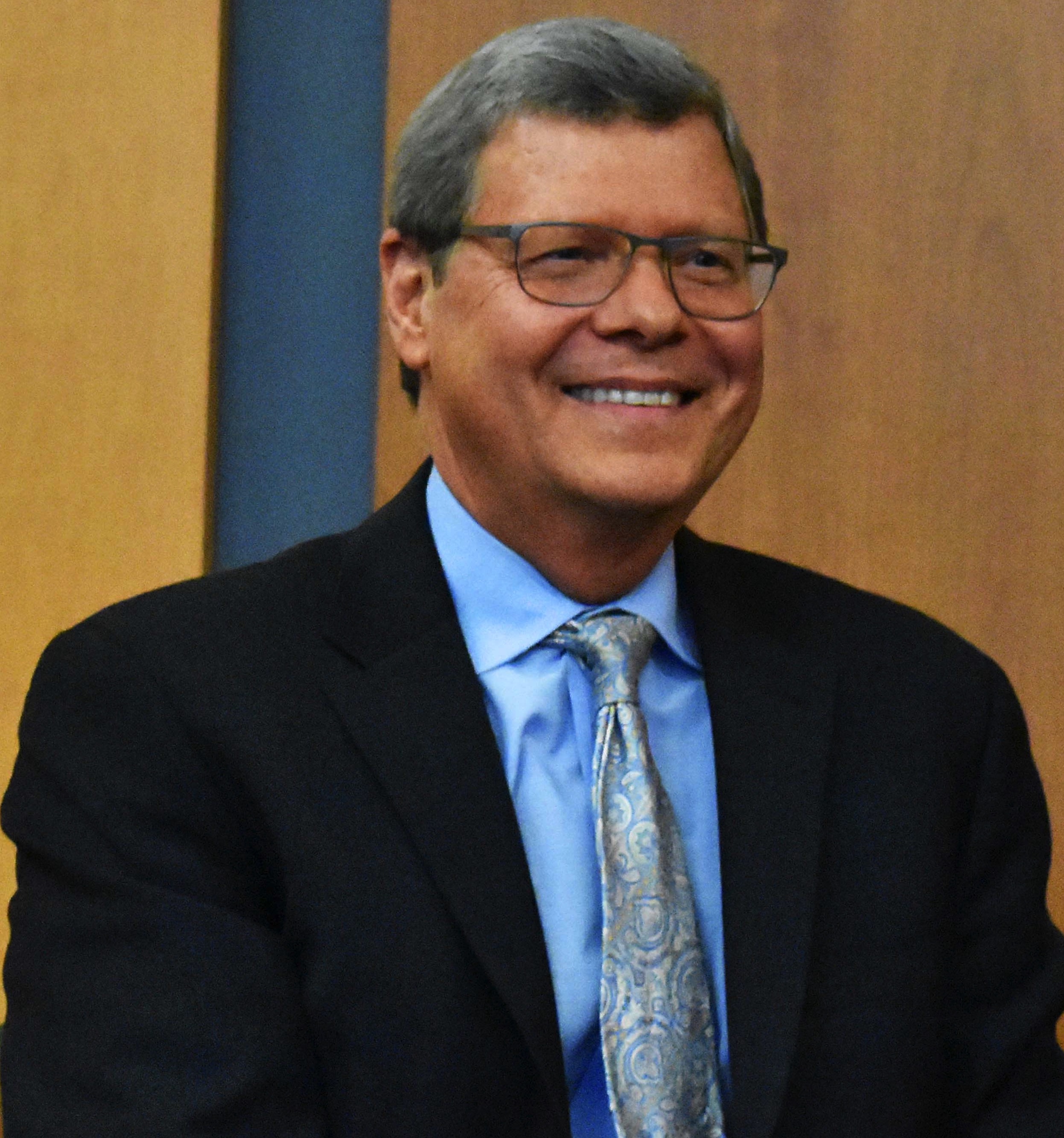
He spent 23 years as the voice in Wisconsin's ear every weekday morning. Then he turned the microphone on his own movement - and never looked back.
Every weekday for 23 years, a single voice set the agenda for conservative Wisconsin from a WTMJ studio in Milwaukee. Governors took his calls. A 2002 recall campaign he led helped push out a sitting county executive. When Charlie Sykes talked, the state's right listened - and acted.
Today that same voice is busy taking apart the talking points it once manufactured. Sykes now writes the Substack newsletter "To the Contrary" and hosts the podcast of the same name, sitting down each week with what he calls the smartest people he can find to make sense of a politics he helped shape and then disowned. His promise to listeners is deliberately unglamorous: "straight, sober, and sane - with a dash of snark."
The pivot was not subtle. In 2016, while much of talk radio fell in line behind Donald Trump, Sykes refused, campaigned against him, and cast a write-in vote for Evan McMullin. Then he did the thing few media figures ever do. He looked at the machine he had spent decades building and admitted what it had done.
"As we learned this year," Sykes wrote, "we had succeeded in persuading our audiences to ignore and discount any information from the mainstream media." It was less a hot take than an autopsy - a man explaining, in real time, how the right had been trained to distrust everything but the people training it. He had been one of the trainers. He said so.
That candor became the engine of his second act. In 2017 he published "How the Right Lost Its Mind," a book that read like a letter to colleagues who had stopped speaking to him. A year later he co-founded The Bulwark, which grew into one of the most-read center-right outlets in the country and a clearinghouse for the Never Trump opposition. He launched The Bulwark Podcast and, for about five years, ground out daily episodes and newsletters at a pace he later described as "the hamster wheel of crazy."
Sykes did not start behind a microphone. Born in Seattle in 1954 and raised partly in Wisconsin, he graduated summa cum laude in English from the University of Wisconsin-Milwaukee in 1975 - the son of a working journalist, Jay G. Sykes of the Milwaukee Sentinel. He took a staff job at a West Allis weekly, then joined The Milwaukee Journal, where he worked the City Hall beat. A detour to Cleveland Magazine ended when the magazine folded; he came back to run Milwaukee Magazine as editor-in-chief by 1984.
His first book, "Profscam," arrived in 1988 and set a template. It grew out of an essay his late father had written about teaching at UW-Milwaukee, and it took a flamethrower to the academy. More books followed in the same key - "The Hollow Men," "Dumbing Down Our Kids," "A Nation of Victims," "Fail U." - a body of work obsessed with the institutions Americans were told to trust. Radio came almost by accident in 1989, when he filled in for another Milwaukee host. By 1993 he had the WTMJ morning show that would define him, plus a Sunday television slot, "Sunday Insight."
The Bulwark was not just a website. It was a destination for conservatives who could not stomach the direction of their party but had nowhere left to read. Sykes served as its founding editor-in-chief, and before that he had taken the helm of The Weekly Standard, the flagship of the old conservative establishment, as it neared its end. He carried the institutional memory of a movement into outlets built explicitly to oppose where that movement had gone. Few people were better positioned to write the obituary, because few had spent as long inside the building.
His radio years gave him something most pundits lack: a feel for how an audience actually moves. He knew the rhythms of grievance and reassurance because he had used them, daily, for more than two decades. That is part of what gives his criticism its sting. When Sykes writes about how outrage media keeps listeners hooked, he is not theorizing. He is describing a craft he practiced at a high level, in a major market, with real political consequences attached.
The personality that came through the radio - quick, combative, allergic to cant - carried over to the page and the screen. He argues in clean declarative sentences and is comfortable being the skunk at the garden party. The snark he promises listeners is not decoration; it is the house style of someone who has spent a lifetime in arguments and learned that a sharp line lands harder than a lecture.
In February 2024 Sykes left The Bulwark, saying he wanted to step off the daily treadmill and access, in his words, the part of his brain that wasn't "TrumpTrumpTrump." It was not retirement. He kept up his MSNBC commentary, and within a year he was back with his own shingle. "To the Contrary" launched in early 2025, newsletter and podcast together, carrying a tagline aimed squarely at readers who feel politically homeless: "You are not the crazy ones."
What makes Sykes unusual is not that he changed his mind. Plenty of pundits drift. It is that he changed it loudly, in public, about his own life's work, and then kept showing up to argue about it. His politics traveled the entire spectrum over the decades - liberal, conservative Democrat, conservative Republican, libertarian, and finally a relentless Trump critic. The through-line was never a party. It was the willingness to say the institution might be the problem, even when the institution was his.
That habit started early. The young reporter who worked the Milwaukee City Hall beat learned to treat power skeptically regardless of who held it, and the editor who ran Milwaukee Magazine learned to chase the story that made readers uncomfortable. By the time he wrote "A Nation of Victims" and "A Nation of Moochers," the targets were cultural rather than civic, but the instinct was identical: find the comfortable consensus and poke it until it bleeds. The radio show simply gave that instinct a daily megaphone and a live audience that talked back.
It is tempting to read his arc as a single dramatic reversal, but the more accurate picture is a man who kept following the same compass and watched the landscape shift underneath him. The conservatism he championed in the 1990s was built on arguments about ideas, institutions, and character. When the movement traded those arguments for a personality, Sykes did not so much abandon his side as discover his side had moved. He stayed put and called it out - and that, more than any single book or broadcast, is the work that defines him now.
We had succeeded in persuading our audiences to ignore and discount any information from the mainstream media.
You are not the crazy ones.
Straight, sober, and sane - with a dash of snark.
From the academy to privacy to the unraveling of the right, Sykes kept circling the same question - which institutions deserve your faith, and which ones are selling you a story.
He helped train an audience to distrust everything but talk radio. Then he spent his second act explaining, on the record, what that cost.
The Charlie Sykes turnHis political journey hit every stop on the line: mainstream liberal, conservative Democrat, conservative Republican, libertarian, and finally a vehement Trump critic.
"Profscam," his first book, grew out of a posthumously published essay his father wrote about teaching at UW-Milwaukee.
In 2002 he led a recall campaign against a sitting Milwaukee County executive - proof his radio show was a political weapon, not just chatter.
His newsletter's tagline, "You are not the crazy ones," is aimed squarely at readers who feel politically homeless.
The full archive of "To the Contrary" lives on YouTube and the major podcast apps.
► YouTube · To the Contrary With Charlie Sykes ► Apple Podcasts · To the Contrary with Charlie Sykes