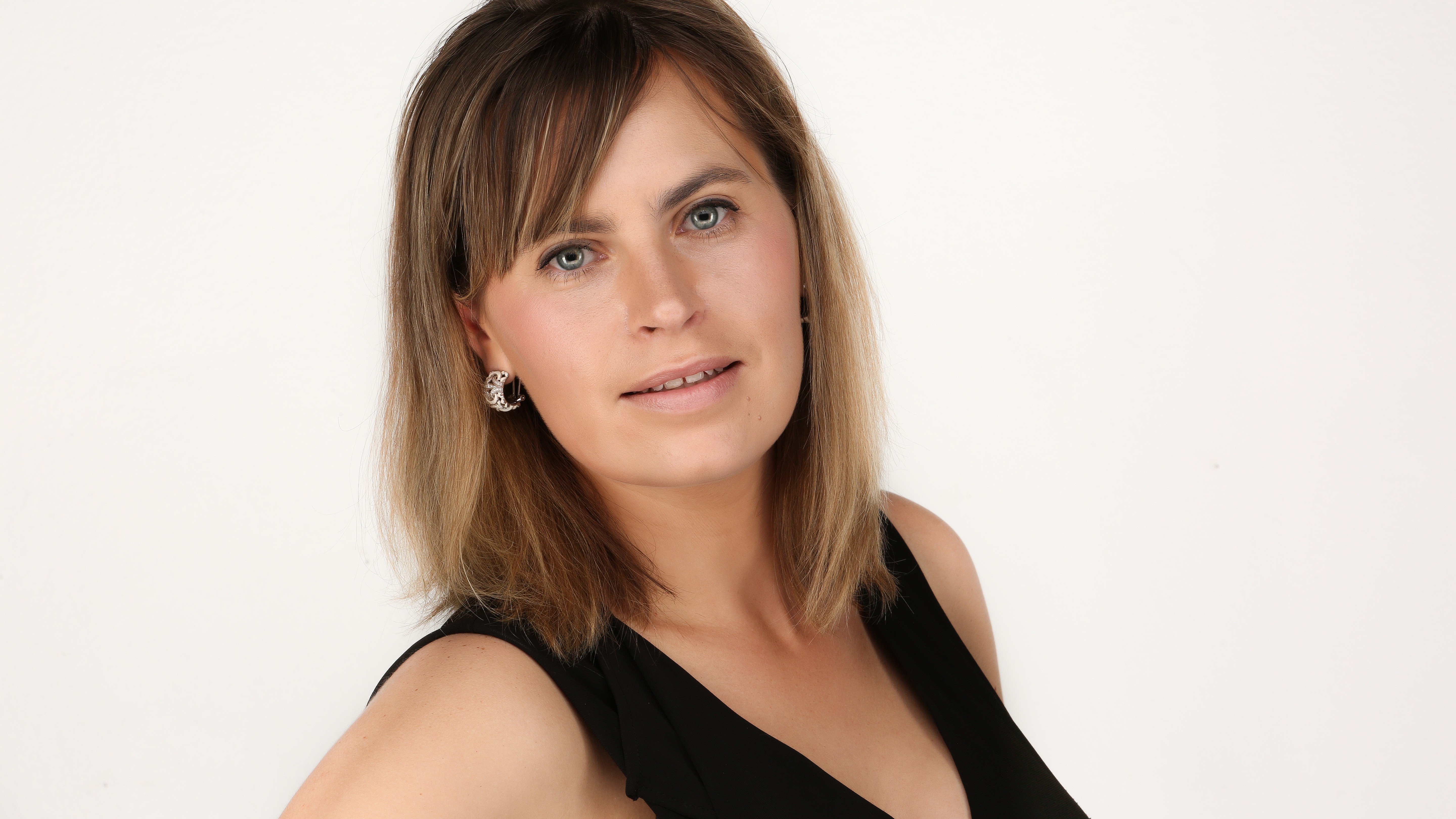
Most people sign a contract and hope. Olga Mack measures it. As CEO of TermScout, she runs a company that reads a contract against roughly 1,000 data points and hands back a verdict - fair, balanced, market-ready, or not. Buyers get a badge. Sellers get a shorter sales cycle. The lawyers get to stop arguing about clauses that were never the real problem.
She took the job in April 2025, and it reads like the logical end of a long argument she has been making for years: law is a bottleneck, and bottlenecks can be engineered away. TermScout was founded in 2021, raised a $5 million seed in 2022, and built its name certifying contracts as trustworthy before a negotiation even begins. Mack's pitch is blunt - companies pour millions into optimizing sales, finance, and operations, then let a redline thread sit in someone's inbox for three weeks.
"Contracts should accelerate business, not slow it down. Companies spend millions optimizing their sales, finance, and operations - yet contracts remain a major bottleneck."
- Olga Mack, on taking the TermScout job
This is not her first rodeo, and that matters. Before TermScout she was CEO and chairwoman of Parley Pro, a contract lifecycle management company that LexisNexis acquired in 2022. She did the thing founders are supposed to do and rarely manage: she sold, and then she stayed, running CounselLink as a LexisNexis vice president until 2024. When she left, she went looking for another contract problem to solve. She found one.
Her resume is almost suspiciously broad. She has been a San Francisco Deputy District Attorney prosecuting cases, a general counsel at the sales-engagement company ClearSlide, and VP of Strategy at Quantstamp, a blockchain security auditing platform. She has passed through Yahoo, Visa, Zoosk, and Wilson Sonsini. She taught at Berkeley Law and did research at Stanford Law. If there is a seat at the intersection of law and code, she has probably sat in it.
Born in Ukraine and educated entirely at UC Berkeley - two bachelor's degrees in 2003, a J.D. in 2006 - she built a career out of refusing to pick a lane. Lawyer or technologist. Operator or author. Practitioner or professor. The answer was always "yes, and." Today she is an adjunct professor at UC Law SF, a fellow at Stanford's CodeX center for legal informatics, and the Generative AI Editor of the MIT Computational Law Report. The day job is CEO. The side quests are a full life.
What ties it together is a single conviction she keeps returning to on stage: law should be a service, not a barrier. She has given six TEDx talks circling that idea from different angles - the universal language of law, law as a service for all, how smart contracts will reshape trust and commerce. The talks are not victory laps. They are the argument she is now trying to prove with a balance sheet.