saas
(3,386)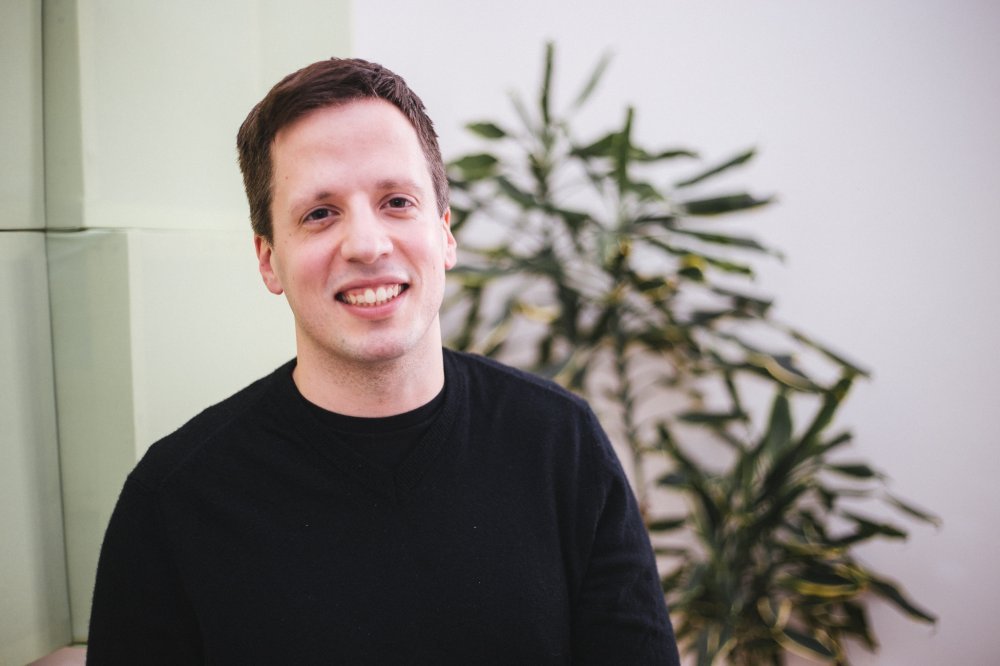
Marin Šarić and the argument inside the algorithm
From Google’s book scanners to a robotics lab in Stockholm, Marin Šarić kept meeting the complications hidden inside simple tasks. At OptimoRoute, the next one was a working day that had to be efficient and fair.
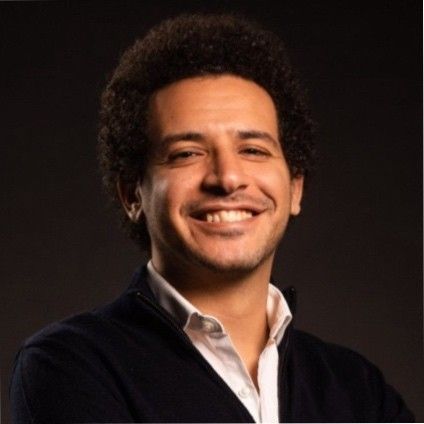
Ahmed Khairy and the Trouble With Coming Back
He returned to entrepreneurship to help brands bring customers back. At Gameball, Ahmed Khairy has found that loyalty involves as much doubt, discipline and arithmetic as it does rewards.

Mitchell Harper and the business of starting again
A PHP chat room brought Mitchell Harper and Eddie Machaalani together. Listening to merchants helped them build BigCommerce; learning when to hand over the controls shaped what Harper did next.

Olof Mathé and the Art of Making a Connection
Before he built a business around the inbox, Olof Mathé helped make a photo booth that needed two people. His work in software and art keeps returning to the same question: what makes a connection possible?
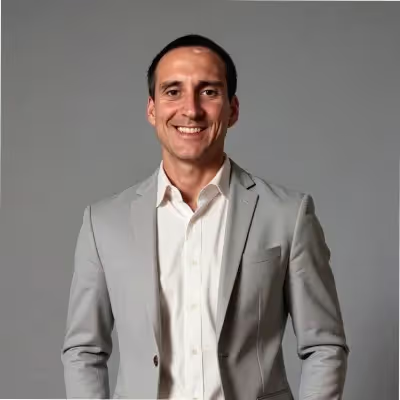
Joey Frasier and the Work Around the Work
Before Worksuite’s 2023 transaction, Joey Frasier spent years connecting the unglamorous details of freelance work. His next chapter puts those operating lessons into other founders’ hands.

Andy Powell and the business hiding in a repair bill
A temperamental BMW led Andy Powell to a directory of mechanics. Proving that the directory worked led to CallRail. His career keeps turning on the same question: what is making this harder than it needs to be?
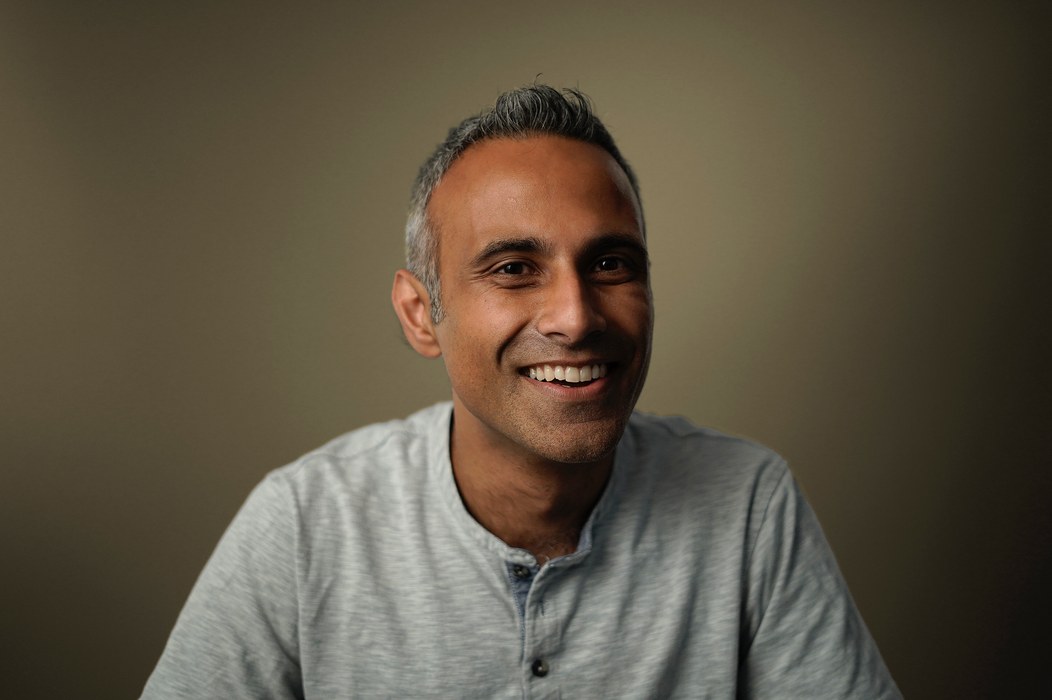
Sidharth Kakkar and the trouble with being indispensable
After building Freckle, Sidharth Kakkar set out to give people back their time - at Subscript, that meant rethinking finance software and the boss’s calendar. With Woodrow, he is testing how much of the work AI can take on.

Tien Tzuo and the business of being chosen again
He helped Salesforce sell software by subscription, then built Zuora to take the idea beyond software. Along the way, Tien Tzuo discovered that a company’s founder needs an upgrade, too.

Jesse Buckingham and the art of starting over
He helped grow a logistics software business from $2 million to more than $20 million in recurring revenue. Then Jesse Buckingham gave up the established operation to tackle the work still hiding in freight brokers’ inboxes.

Jackson Noel and the art of doing it by hand
Jackson Noel helped build a business that automates software onboarding. His advice to founders began with a surprisingly personal assignment: do the work yourself first.
Tyler Koblasa and the trouble with explaining things
He helped turn CloudApp into a business built around showing people what you mean. Now the founder and former CEO of the company known as Zight is applying his attention to AI content, wildlife encounters, and the misunderstood shark.
Timo Rein and the art of getting to no
Before co-founding Pipedrive, Timo Rein sold books door to door and learned the value of a clear refusal. He carried that attention to people, time and the next useful action into a sales software company.

Robert Österlund and the business of an uneventful Friday
Before Worklio, Robert Österlund took his software team on a Mediterranean cruise. His next undertaking would demand a different kind of coordination: getting payday right, under somebody else’s brand.

Shailesh Kumar Davey and the value of a long innings
Zoho’s co-founder spent decades building the machinery behind the software. As Group CEO, he brings a patient, team-first approach to a business learning how to live with AI.

Vivien Garnes and the problem of 1,000 ties
A necktie business left Vivien Garnes with a living room full of stock. The effort to sell it became Upfluence - and a career spent asking what influence is actually worth.
Oleksii Kratko and the Trouble With a Cheaper Yes
The Snov.io founder thought a $9 option would help customers take the first step. The experiment went the other way - a useful clue to how he builds, tests and changes his mind.

Quan Truong and the trouble with a beautiful website
Quan Truong learned that giving someone a website was only the beginning. From Beeketing to ShopBase, the OpenCommerce Group co-founder has kept following the harder question: how does the merchant actually make a living?

Glenn Trout and the business hiding in the paperwork
After the dot-com crash, Glenn Trout built a business around documents people still needed. His path from MSDSonline to VelocityEHS and Source Intelligence follows a stubbornly practical idea: make complicated information easier to use.

Sushil Garg and the business of the unnoticed
A hotel guest sees the room. Sushil Garg saw the purchasing behind it. The BirchStreet founder built a software business around the orders, invoices and small decisions that keep hospitality running.

Itzik Levy and the business of getting your day back
After co-founding a company acquired by Microsoft, Itzik Levy turned to businesses with no IT department. At vcita, a scheduling tool became a long-running attempt to give small business owners more time for the work they chose.

Dennis van der Heijden and the art of becoming less necessary
A $50 WordPress plugin helped start Convert.com. A purchase request for less than $50 helped its co-founder question what a CEO was for.

Ryan Fyfe and the trouble with other people’s clocks
A shift schedule once stood between Ryan Fyfe and the running track. Building Humanity taught him how much of working life depends on who gets to control the calendar.
Christian Owens and the value of the boring bits
He learned to sell software before he finished school. After building Paddle around the chores developers wanted to escape, Christian Owens is starting again with Clove - and another profession buried in paperwork.

Jagath Wanninayake and the art of starting again
He sold Clarix for $40 million, co-founded a record label, and returned to software with Suvoda. His career keeps circling a practical question: how do you get people to come along?

Kevin Boyle and the art of making yourself useful
An Amstrad, a seven-person team, and a problem hiding inside Salesforce. How Gearset’s co-founder turned an engineer’s instinct for fixing things into the work of running a company.

Terrel Bird and the cost of being early
Before internet calling became ordinary, Terrel Bird put his capital behind it - and paid for arriving early. The TCN co-founder’s story runs from an Ontario steel business to a Utah software company still changing after a quarter-century.
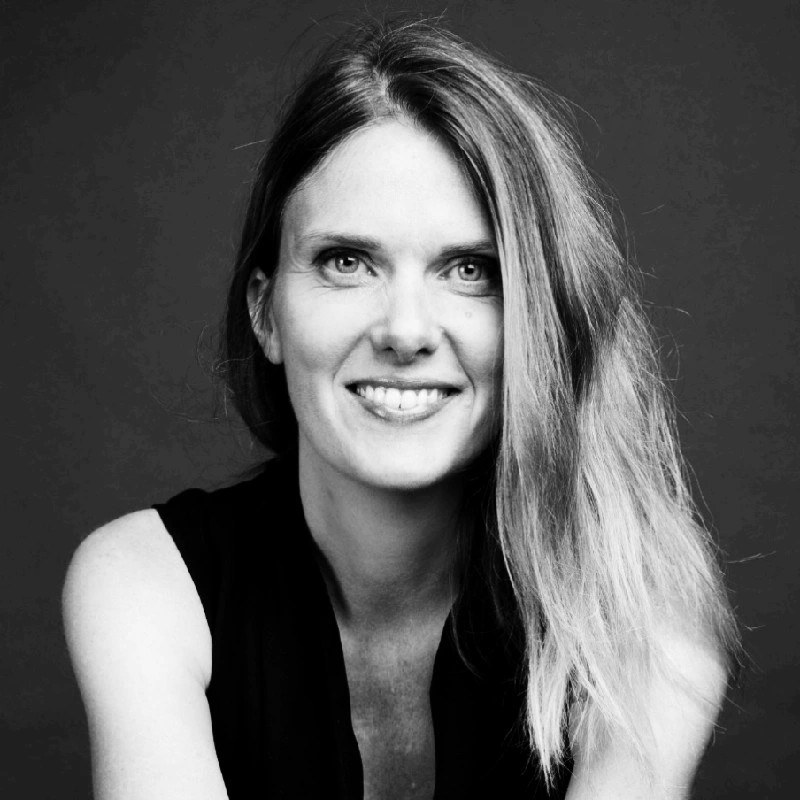
Alix de Sagazan Learned to Sell a Change of Mind
She helped turn a Paris consultancy into AB Tasty, moved to New York to build its American business, and returned to France as Wingify's revenue chief. The through line is a willingness to let experience change the plan.

Martha Bitar and the business of being understood
Before Flodesk reached $36 million in annual recurring revenue, Martha Bitar was making coffee for prospective customers in her living room. Her next company asks what those same people might build for themselves.

Reggie Aggarwal’s $17 million lesson in showing up
He built Cvent to get people into rooms, then nearly lost the company that did it. Reggie Aggarwal’s long second act began with fewer employees, less money, and a different idea of what deserved his attention.

Vinay Mahadik and the laptop that went home
The Securly co-founder and founding CEO built a business around a school device’s life beyond the classroom. His next venture takes on another familiar problem: finding what an organization already knows.