chicago
(269)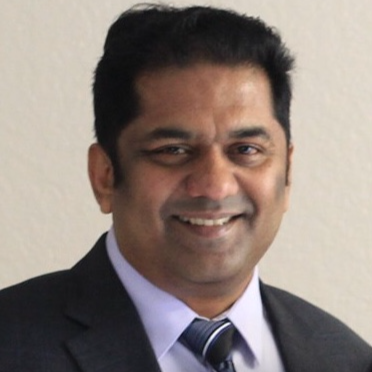
Aji Abraham's case for keeping the day job
A decade at Motorola helped Aji Abraham learn how to build. With Armia and CodeVentures, he has made a business of helping other founders begin before they have a technical team of their own.
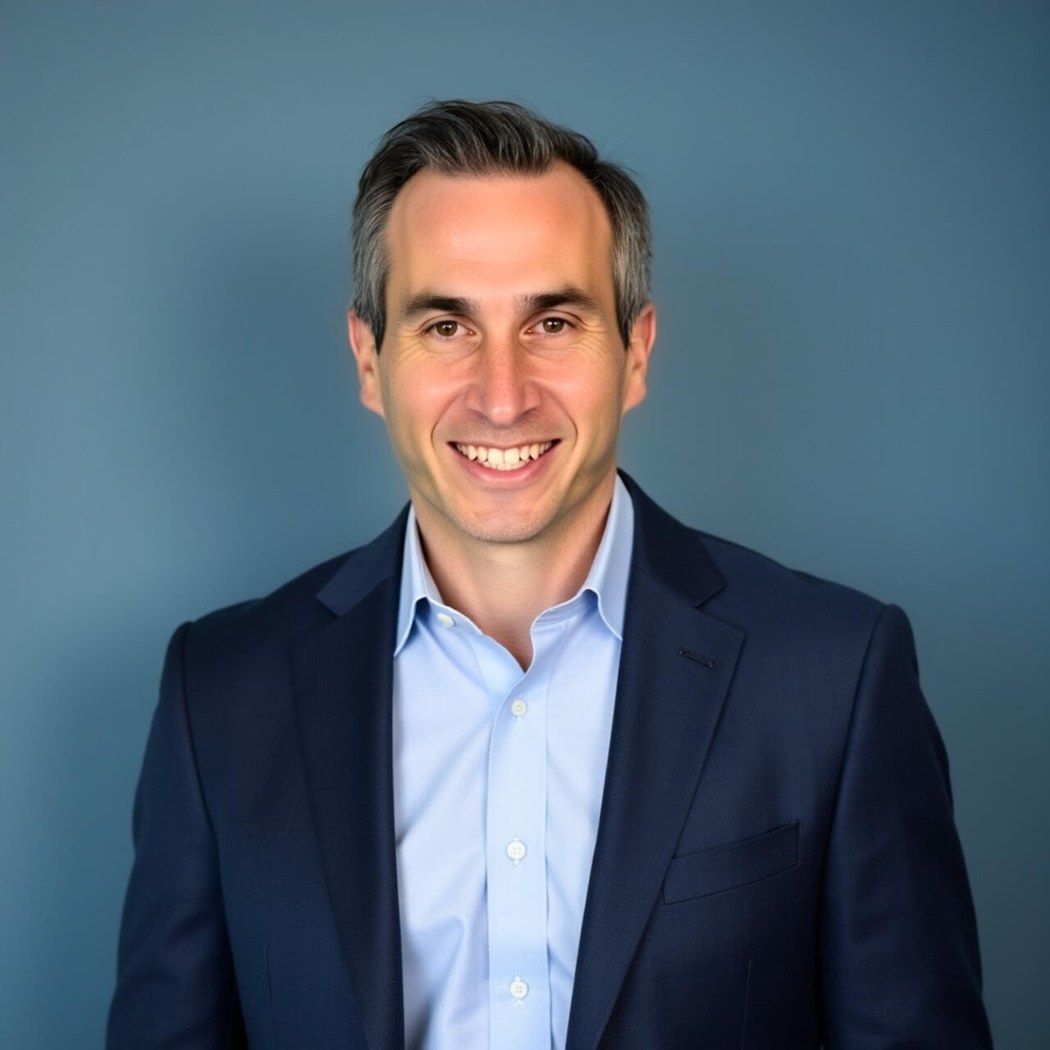
David Schreiber and the People Behind the Numbers
He co-founded Compass Health Center with a team of 11. As the organization spreads across states, David A. Schreiber’s story keeps returning to partnership, parenthood, and the people behind the numbers.
Catherine Kleinmuntz and the business of what happens next
She started Strata Decision Technology in a Champaign basement and led it for 15 years. Her next chapter asks how other people’s ideas make it out into the world.
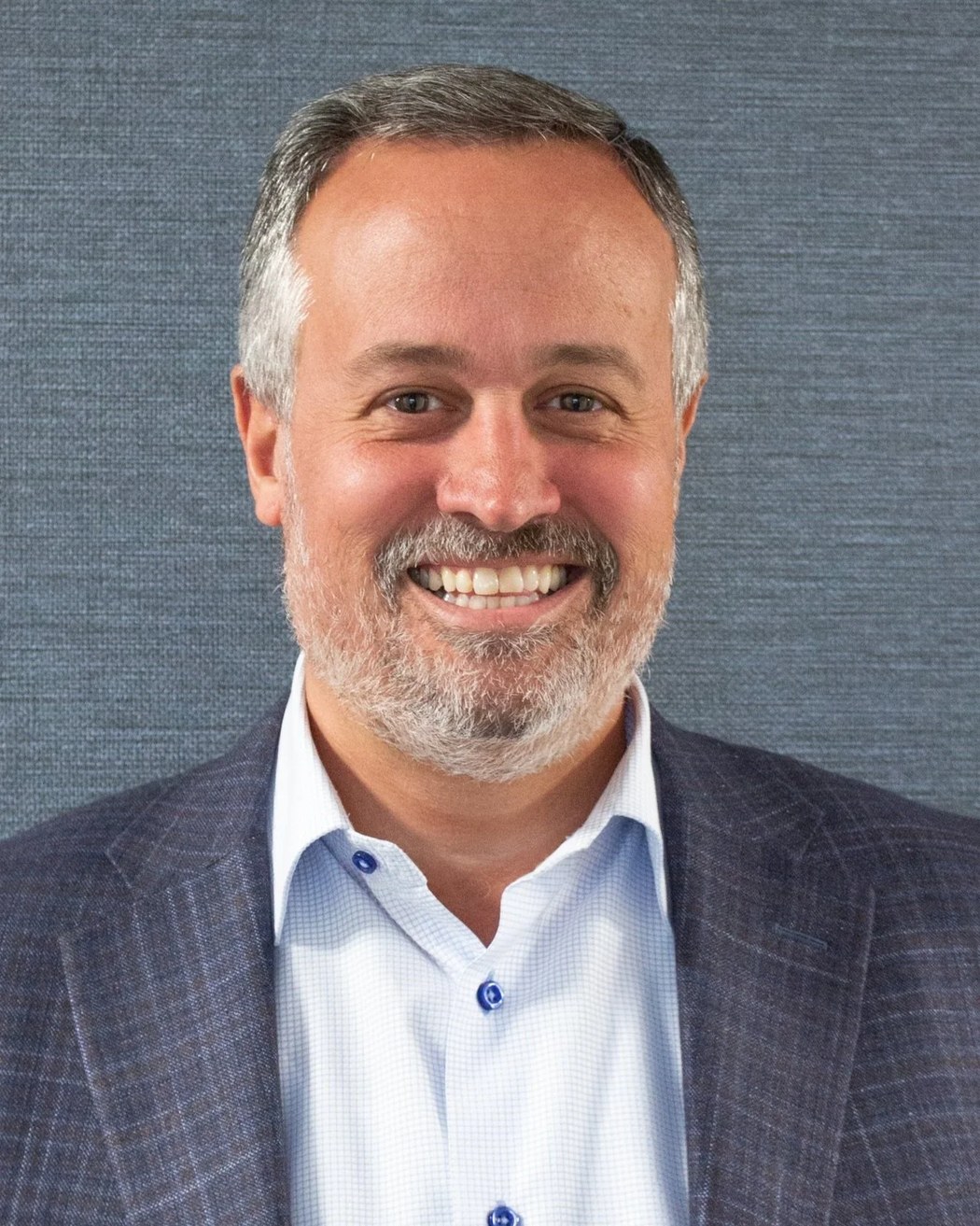
Tony Svanascini and the business of changing your business
A fax-machine repair call is an unlikely starting point for a digital agency story. For Tony Svanascini, it helps explain three decades of following customers into whatever comes next.

Don Kleinmuntz and the problem of putting good ideas to work
From a Champaign basement to the business analytics classroom, Don N. Kleinmuntz has kept returning to one question: how do you turn a sound analysis into a decision someone can use?
Tony Olson and the secret life of a shopping basket
He spent more than two decades helping brands understand what people buy. Now the former SPINS CEO is backing businesses built around what customers remember.
Jared Golden’s bet on the shop next door
Before Leap, Jared Golden helped community groups find sponsors. Then he and longtime business partner Amish Tolia took on a different matchmaking problem: getting brands from a website to a working store.
Dhruv Saxena and the business at the back of the queue
A photo-mailing side project kept sending Dhruv Saxena to the post office. The people waiting beside him helped reveal the business that became ShipBob.
Wendell Jisa and the lesson in the rearview mirror
His first job involved delivering legal copies. His father’s gift was a warning to watch who was catching up. After building Reveal through years of acquisitions, Wendell Jisa is choosing a different seat.
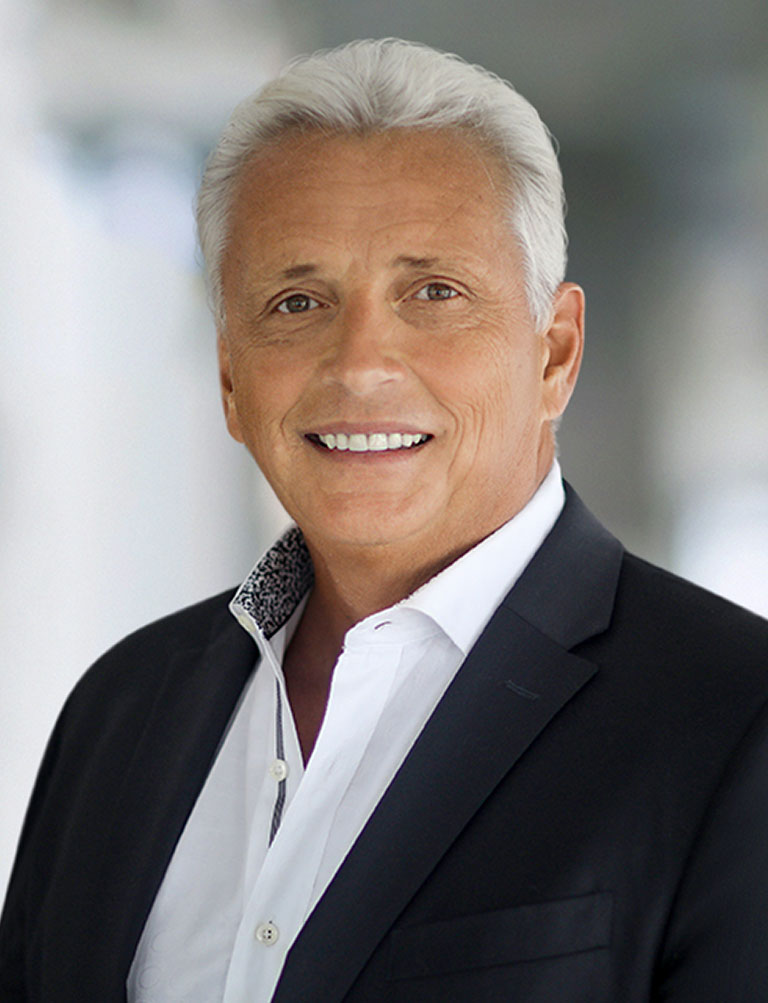
Edward V. Szofer and the value of saying no
From Chicago’s West Side to teams across the U.S. and India, SenecaGlobal’s co-founder has built a career around a practical conviction: good software starts with people who can listen, question and take responsibility.
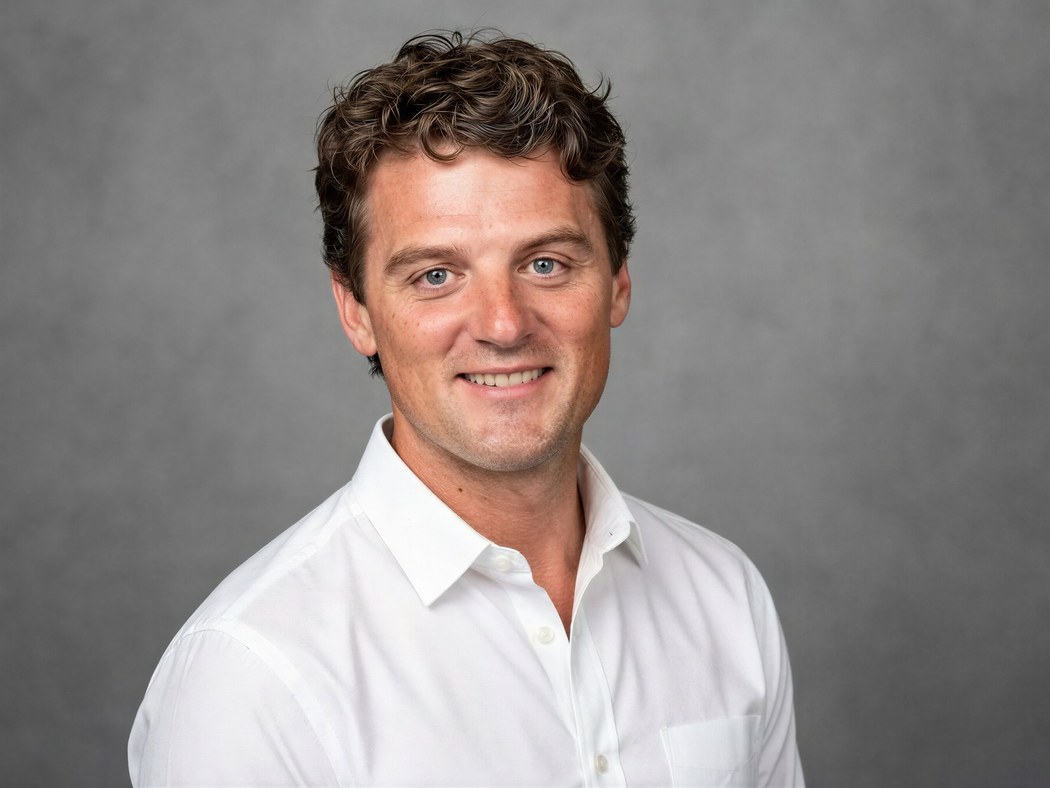
Matt Maloney and the trouble with getting dinner
An apartment-search programmer helped put takeout online. Two decades after co-founding Grubhub, Matt Maloney is back with familiar colleagues, applying lessons from dinner delivery to drivers waiting for roadside help.
Frank Gaspari and the business of starting over
He sold two Chicago businesses, moved to Arizona, and built FlexPrint around the work that happens after a printer is sold. At FlexTG, Frank Gaspari has kept returning to the same question: what needs to change next?

Conversant and the art of remembering you
One shopper. Several screens. A very expensive case of mistaken identity. Conversant built its advertising business around joining the dots - and making the resulting sales count.

PriceLabs knows every night is different
A rental calendar looks like a row of identical boxes. PriceLabs built a business around the money lost when hosts treat them that way.

Aim starts with the empty appointment.
A $500-a-month virtual marketing associate, a calendar with room to fill, and a doctor who only has to say yes. Inside Aim’s 2021 proposal to make healthcare marketing a smaller job.

Vitality Group makes healthy habits pay
A walk, a screening, a smaller bill. Vitality connects everyday health decisions to immediate rewards - and is building a business around what happens next.

Plan B® finds the buyer before it buys the ad.
A kitchen designer. A supercar dealer. A family choosing care. This Chicago agency builds campaigns around the people who can actually move a decision.

Attain keeps the receipts.
A cash-advance app became the foundation of a purchase-data business. Now Attain wants advertisers to follow the sale all the way back to the ad.
Andy Rubenstein and the business of being nearby
A liquor retailer saw an opening in Illinois gaming. Seventeen years after founding Accel Entertainment, Andy Rubenstein has handed over the CEO job - with a national business built around the neighborhood.
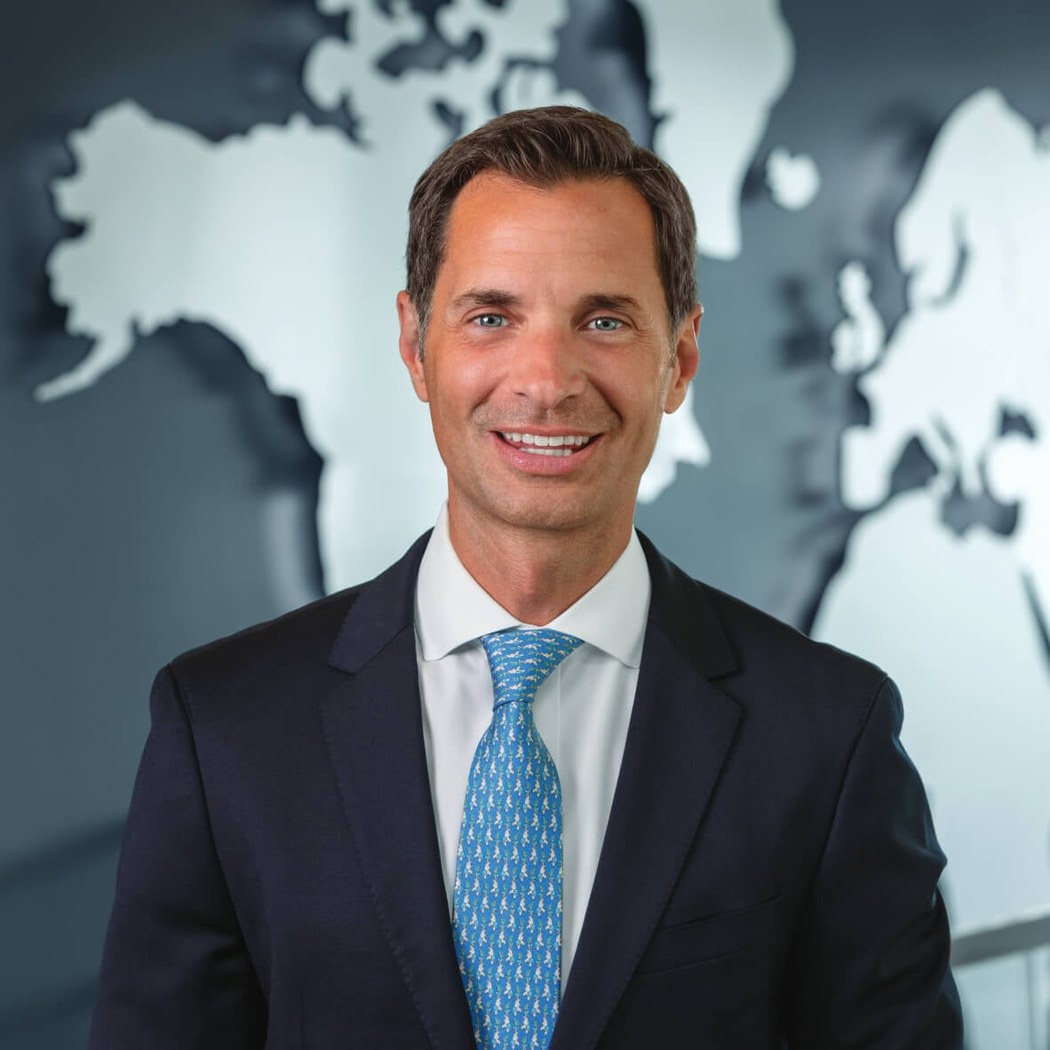
John Holmes and the two-year job that kept going
He arrived at AAR to work on acquisitions and expected to stay two years. A quarter-century later, John Holmes is reshaping the aviation services company around parts, repairs, and software - with a few DJ sets along the way.
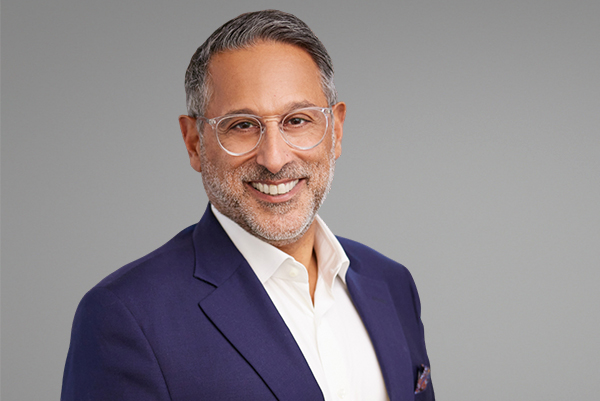
Jesse Singh and the second life of ordinary things
At AZEK, Jesse Singh pushed to turn more discarded plastic into decking. Now the Fortune Brands Innovations CEO is bringing a career spent between factories and familiar brands to the doors, taps and locks of everyday life.
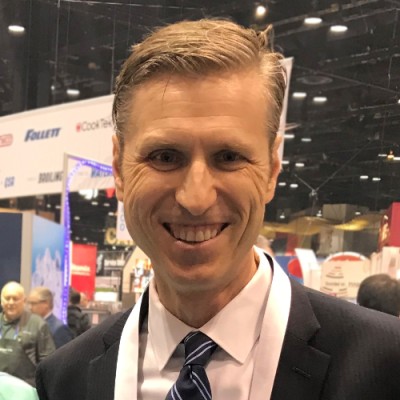
Timothy Fitzgerald and the art of a smaller kitchen
He helped assemble Middleby through decades of acquisitions. Now Timothy Fitzgerald is reshaping the company he helped build, with a familiar conviction: the people and the kitchen have to work together.
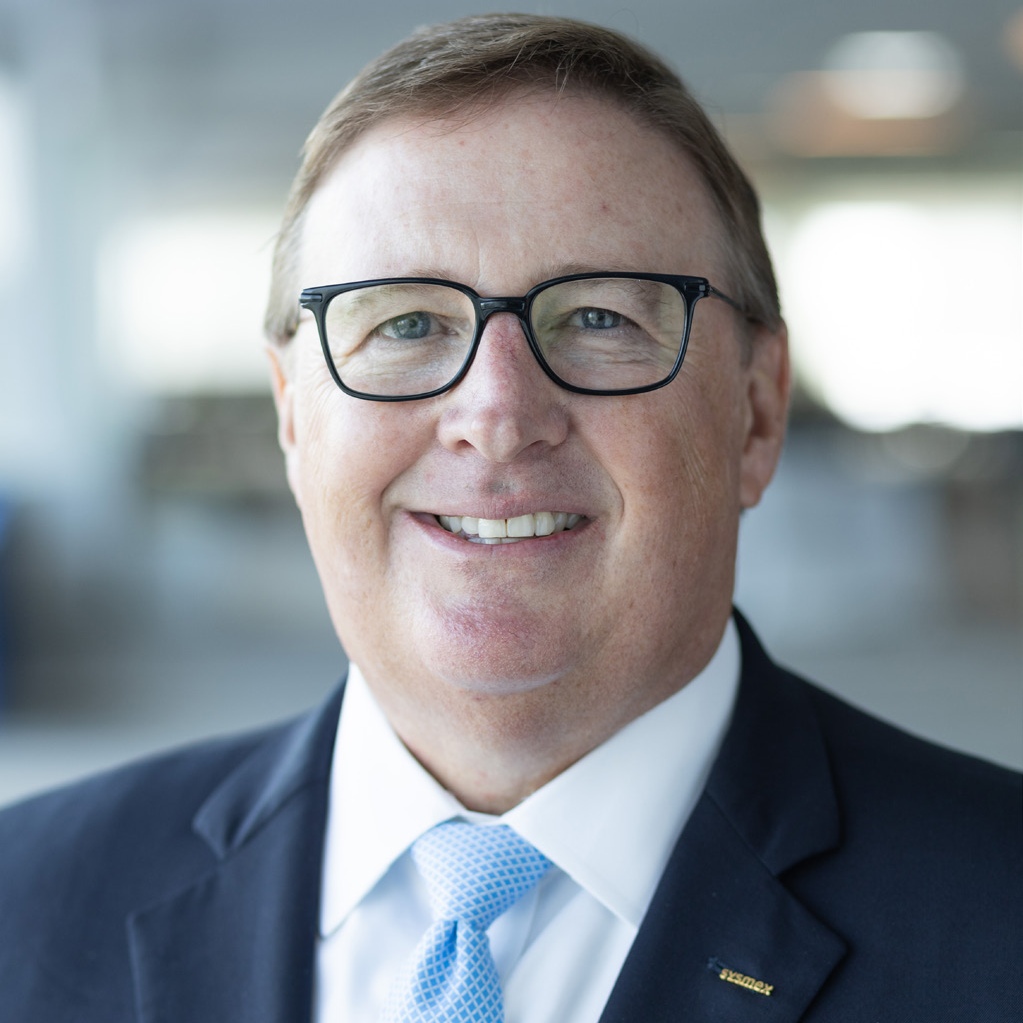
Dan Zortman and the business of staying close
After 24 years at Roche, Dan Zortman took the top job at Sysmex America. His next chapter connects expansion across the Americas with a closer look at the people who make a company work.
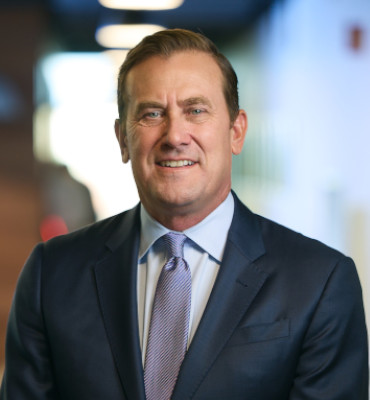
Aaron Erter and the distance between a wall and a deck
After a career in tools, paint and manufacturing, Aaron Erter brought siding and decking under one roof. Now the James Hardie CEO has to turn an acquisition into something that works for the people building the house.

Huron makes the complicated work.
Hospitals and universities run on systems few people see. Huron has built a business fixing the machinery behind the mission.
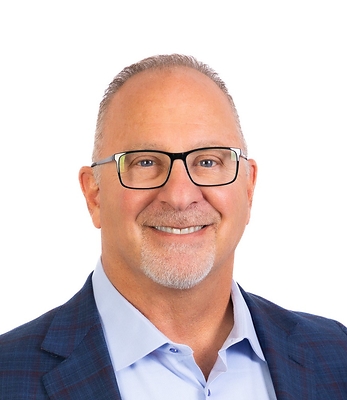
Doug Waggoner and the eight-minute experiment
Echo’s CEO has spent four decades bringing software into the freight business. An eight-minute coding experiment offers a window into what still keeps him curious.
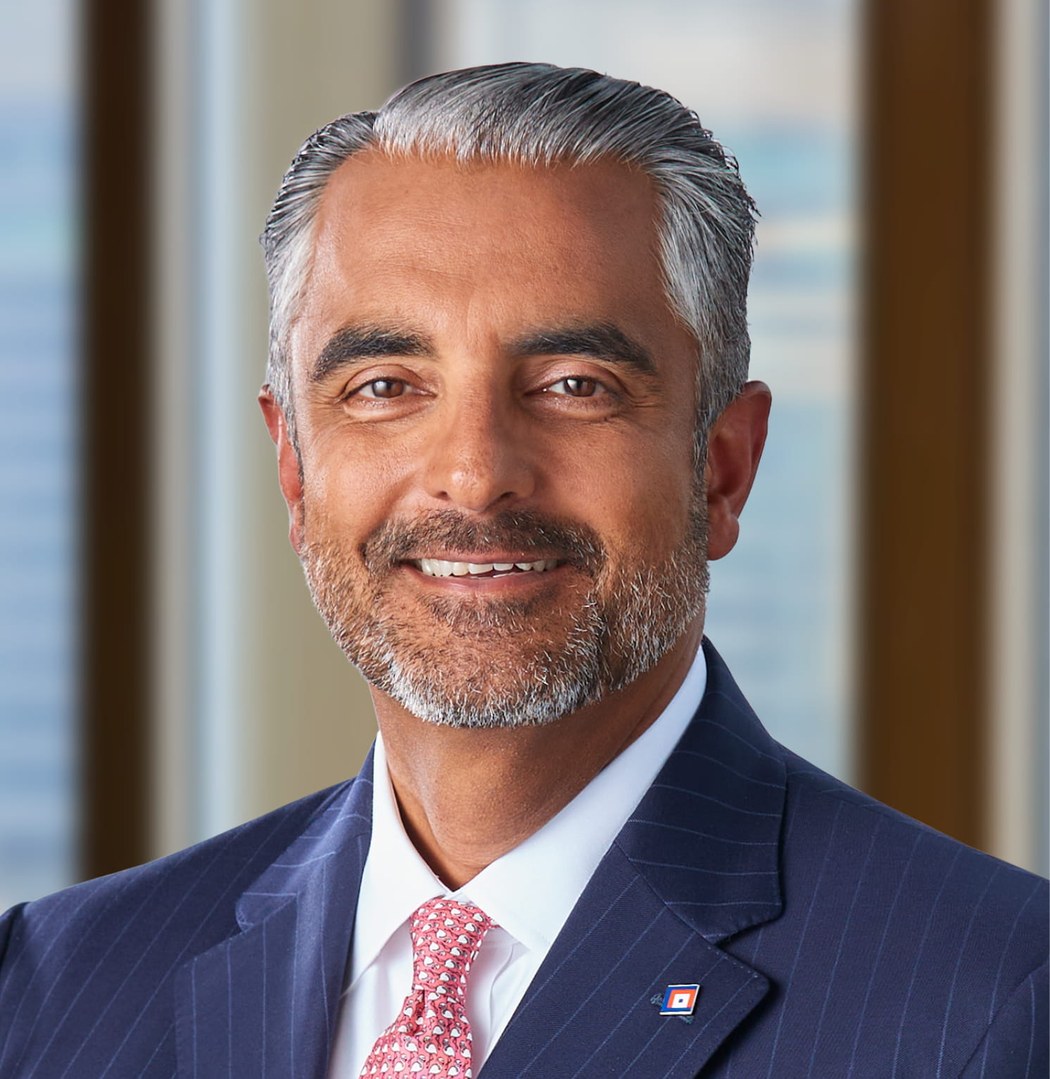
Gary Bhojwani and the business of small promises
He left engineering without a grand plan, built an insurance business, and eventually took charge of CNO Financial Group. His case for growth begins with the Americans who have little room for financial mistakes.
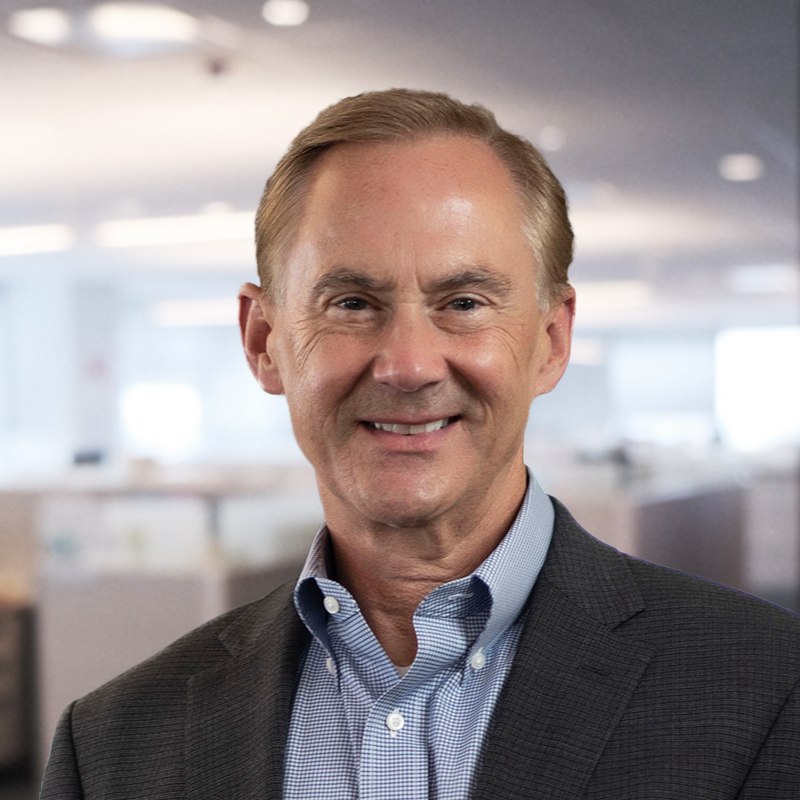
Mark Hussey and the arithmetic of belonging
Huron’s CEO learned business through balance sheets, retail technology and years in operations. His case for growth keeps coming back to the people who do the work.
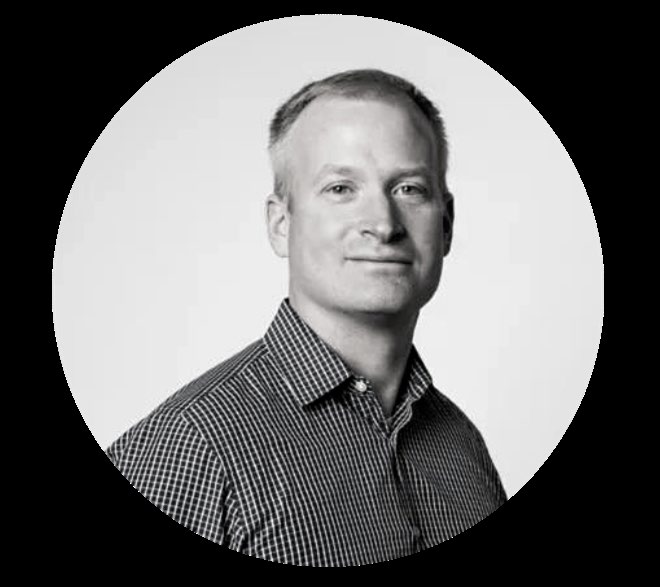
Tim Drehkoff and the business of staying longer
Before he became Rush Street Gaming’s CEO, Tim Drehkoff spent a decade as its CFO. His next chapter stretches from a former Philadelphia power station to an eight-story hotel taking shape in Portsmouth.
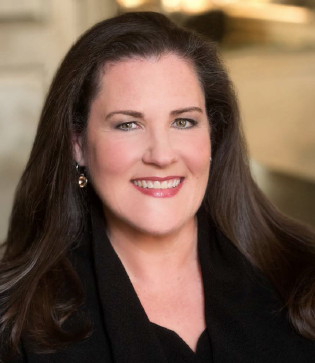
Susan Flinn Cobian and the case for a smaller room
Susan Flinn Cobian built SFC Group around close client relationships and a team that could work from anywhere. Her career offers a practical argument for fewer layers, clearer ownership, and paying attention long after a pitch ends.