advanced-materials
(63)
Entegris makes the invisible count
A chip can survive a brilliant design and still lose to a contaminant. Entegris built a business around that awkward fact - supplying the materials, filters and protective worlds that help silicon make it through the factory.

Orbia makes the things progress runs through
Water needs a pipe. Data needs a pathway. Crops need the right drop at the right time. Inside Orbia, the industrial group building the connections that make big promises practical.
Huntsman makes the things inside the things
The company that began with plastic packaging now supplies the chemistry behind insulation, aircraft composites and EV battery protection. Its next wager is that clever materials need a stronger grip on raw materials.
Eastman gives plastic a second act.
The company that once supplied Kodak now takes polyester apart to make new materials. Its harder assignment: making the circle pay.

Peter Huntsman and the business of letting go
He started behind the wheel of a truck and spent decades running the company his father built. Now Peter Huntsman is backing a merger that would give someone else the chief executive’s chair.

Taymur Ahmad and the trouble with a single drop
After nearly two decades in manufacturing, Taymur Ahmad began testing protective coatings in his kitchen. His company, actnano, now takes a lesson learned inside cars into the increasingly liquid-cooled world of AI.
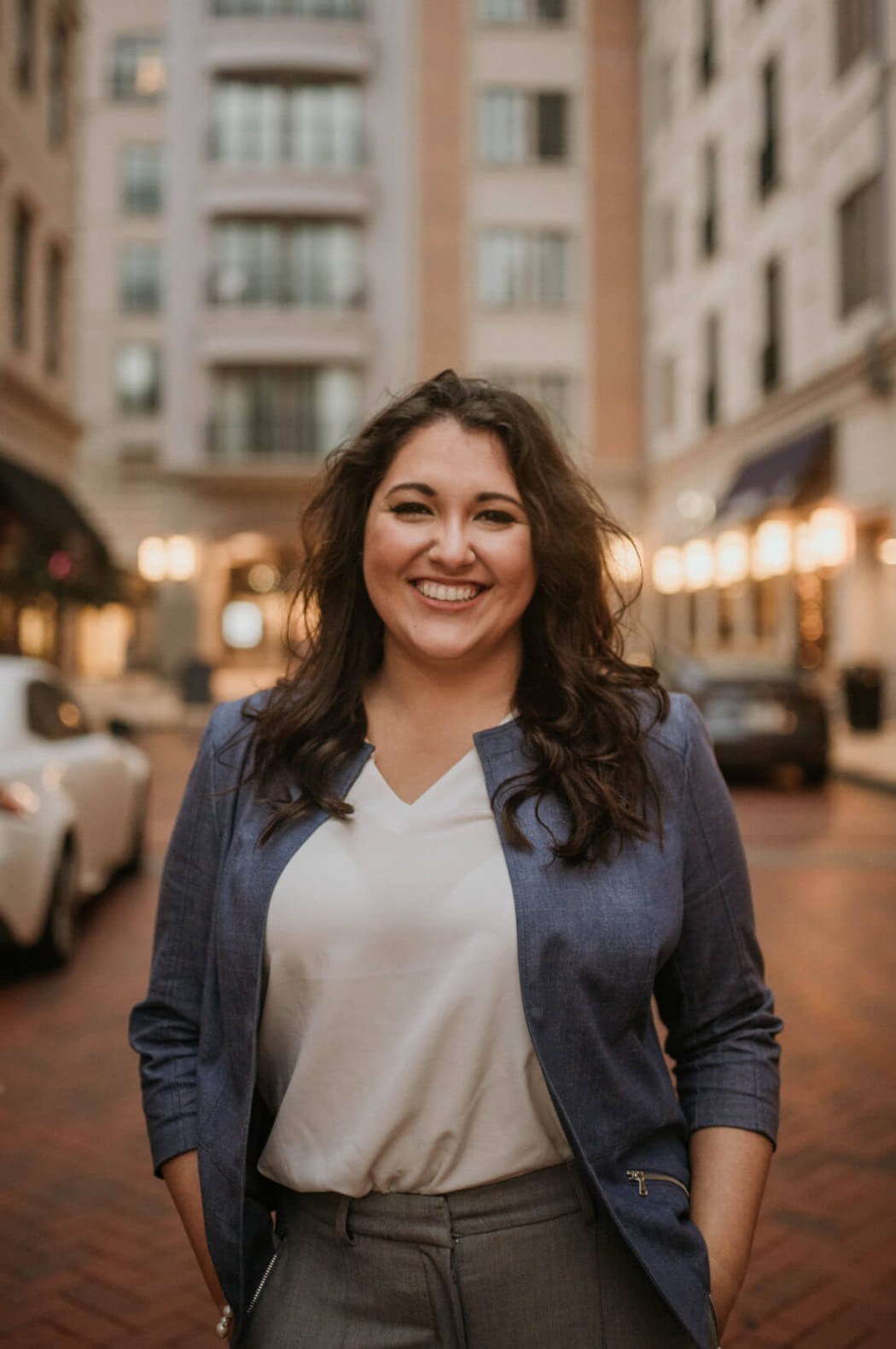
Haley Marie Keith and the Business Hidden in the Glue
An MBA classroom put Haley Marie Keith in the path of a university invention. Turning it into MITO Material Solutions took customer calls, a pair of skis, and years of making a tiny additive matter to people who build things.
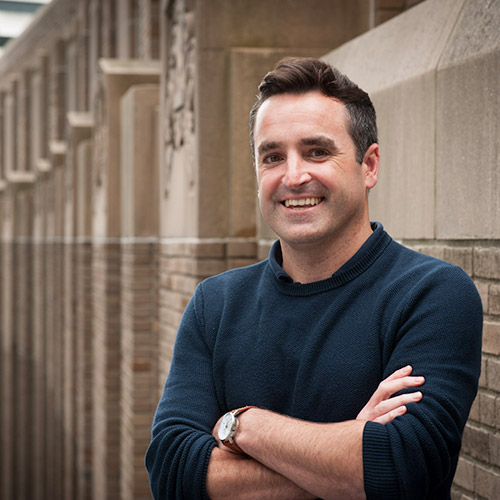
James Ward and the promise that comes with the keys
Before James Ward became CEO of Artemis, he served with City Year in Boston and Louisiana. His work in industrial technology asks a question that follows every ownership change: what should a new owner preserve, and what should it help a business become?
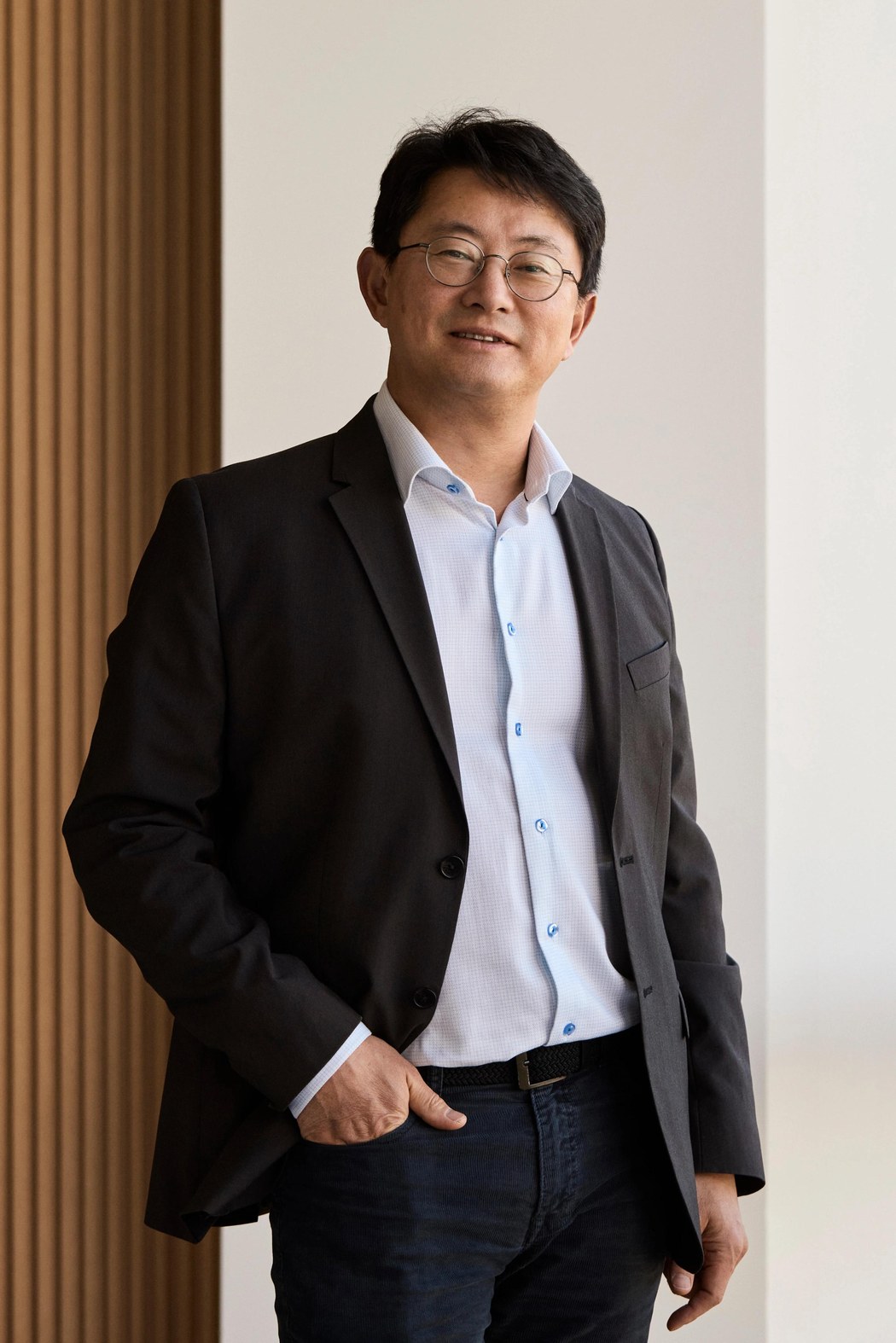
Dong-Su Kim and the education of an investor
An optical engineer learned to sell, then built LG Technology Ventures from scratch. His career offers a close look at what happens between a promising invention and a company that can carry it into the world.
The Yellow SiC Group bets on the powder before the chip
Once known for turning sunlight and water into hydrogen, the company now trading as Y-SIC is taking aim at an earlier bottleneck: how Europe makes its silicon carbide.

INAM and the art of finding your first industrial customer
A clever material can spend years waiting for someone to use it. Berlin’s INAM brings scientists, manufacturers and investors together around a more useful question: what would it take to buy this?
Pellucere Technologies turns old solar panels into better light collectors
A thin silica coating gives existing solar panels another chance at sunlight. Pellucere’s more interesting invention may be the machinery, testing and economics that get that coating out of the laboratory.

Ametrine makes camouflage for eyes that do not blink
A soldier can disappear into the landscape and still stand out on a thermal camera. Ametrine builds fabrics, covers and platform coatings for that uncomfortable difference.
Principal Mineral is buying the boring bits that keep America running
A rescued copper-foil factory, a century-old laminate maker, and a shielding specialist reveal where modern technology is most vulnerable: several layers below the glamour.
The Magnet Factory That Started With Scrap
Noveon turns discarded magnets into new ones in Texas. The trick is making a recycled material behave like a precision component - and convincing motor makers to buy it by the ton.
The Battery Company That Stopped Building Batteries
A Berkeley Lab membrane survived the science and failed its first market test. Sepion's answer was to sell the nearly invisible layer that battery factories could actually use.

The Innovation Space Gives Science Startups Room to Prove It
A Delaware nonprofit puts laboratories, equipment and early capital within reach of science founders. Its most revealing lesson: even a well-equipped lab cannot pay for everything a young company needs.

Rajan Kumar Put the Battery Factory on a Diet
A stretchable battery started the company. A stubborn factory bottleneck changed its course. Now Rajan Kumar is betting that better batteries begin with a faster, cleaner way to make the part inside.

Mike Francis Is Turning a Garage Experiment Into Infrastructure Armor
The NanoTech Materials CEO went from programming a calculator he meant to use for cheating to building ceramic coatings for roofs, bridges and industrial plants. His harder invention may be a company where every employee gets to think like an owner.

Michael Markesbery Put Space-Age Insulation in a Foam Roll
A freezing climb gave him the problem. An astronaut scholarship gave him the material. A decade later, the jacket company has become a bet on better insulation almost everywhere.

Jake Guglin Bet the Next Industrial Era on Metals That Never Melt
A philosophy graduate heard two words - stronger metals - and followed them from an MIT classroom to rocket factories and a new way of making alloys. Now Jake Guglin is trying to turn a 7,000-year-old industrial habit into a choice.

Haley Keith Put a Business Brain Inside the Materials Lab
She met graphene in an MBA classroom, built a company with her husband, and spent a decade translating microscopic chemistry into products manufacturers could actually use. Now MITO's sale to First Graphene gives that patient work a global runway.
MITO Spent a Decade Making Graphene Boring Enough for the Factory Floor
Graphene had extraordinary lab results and an ordinary factory problem: it clumped, wandered and asked manufacturers to change too much. MITO built its business around the unglamorous fix - make the wonder material behave like an additive people can actually use.

Plywood Rots. Supersede Extrudes Its Replacement From the Plastic Nobody Wanted.
Sean Petterson sold his last hardware company after raising more than $60 million. Now he is in Phoenix extruding recycled polypropylene into a board that boatbuilders are bolting into 2026 hulls - and he wants a micro-factory in every city with a plastic problem.
The Texas Startup That Coats Roofs So They Sweat Heat Back at the Sky
NanoTech Materials built a ceramic particle that radiates heat away instead of trapping it. Now it is selling that trick to roofers, oil refineries and towns bracing for the next wildfire.
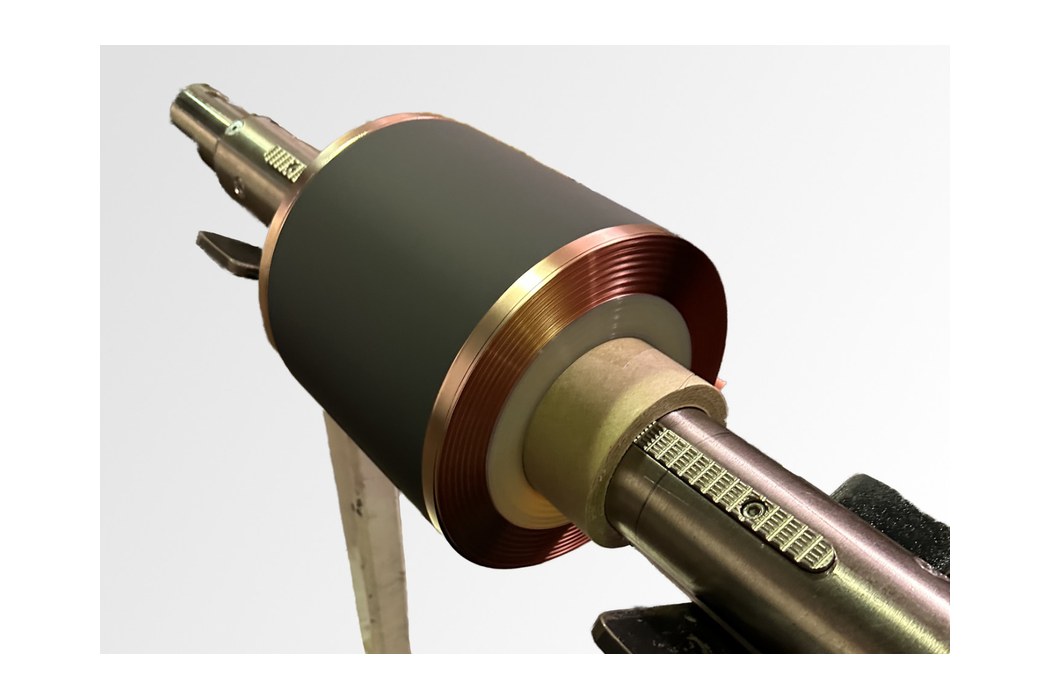
The Battery Startup Betting That the Next Breakthrough Isn't Chemistry - It's the Coating Machine
Ateios ripped the solvents and forever chemicals out of battery-making and replaced the oven with a flash of light. The result coats three times faster - and Kodak, a Nobel laureate, and a Fortune 100 electronics giant have all shown up to look.

The Company That Makes Metal Without Melting It
A Cambridge startup spun out of MIT skips the furnace entirely - smashing metal powders together instead of melting them - and says the result is a molybdenum alloy three times stronger than what the market sells today.
The Ski Bum Who Put NASA's Coldest Material Into Your Winter Boots
Michael Markesbery took $10,000 from an astronaut scholarship and a material NASA uses to insulate spacecraft, and spent a decade figuring out how to make it bend. Now Solarcore® sells that trick to boot brands, the Air Force, and battery makers.

Andrei Iancu Is Teaching Factories to Cut Crystals With Light
The Halo Industries founder turned a Stanford materials problem into a semiconductor manufacturing company. His wager is practical: waste less of the crystal, learn faster on the factory floor, and let better power electronics follow.
The Tiny Fund Betting the Next Great Software Market Has Factory Floors
REFASHIOND Ventures writes small early checks into the systems that make, move, and remake physical goods. Its edge is not check size - it is a map of industry built before supply chains became dinner-table conversation.