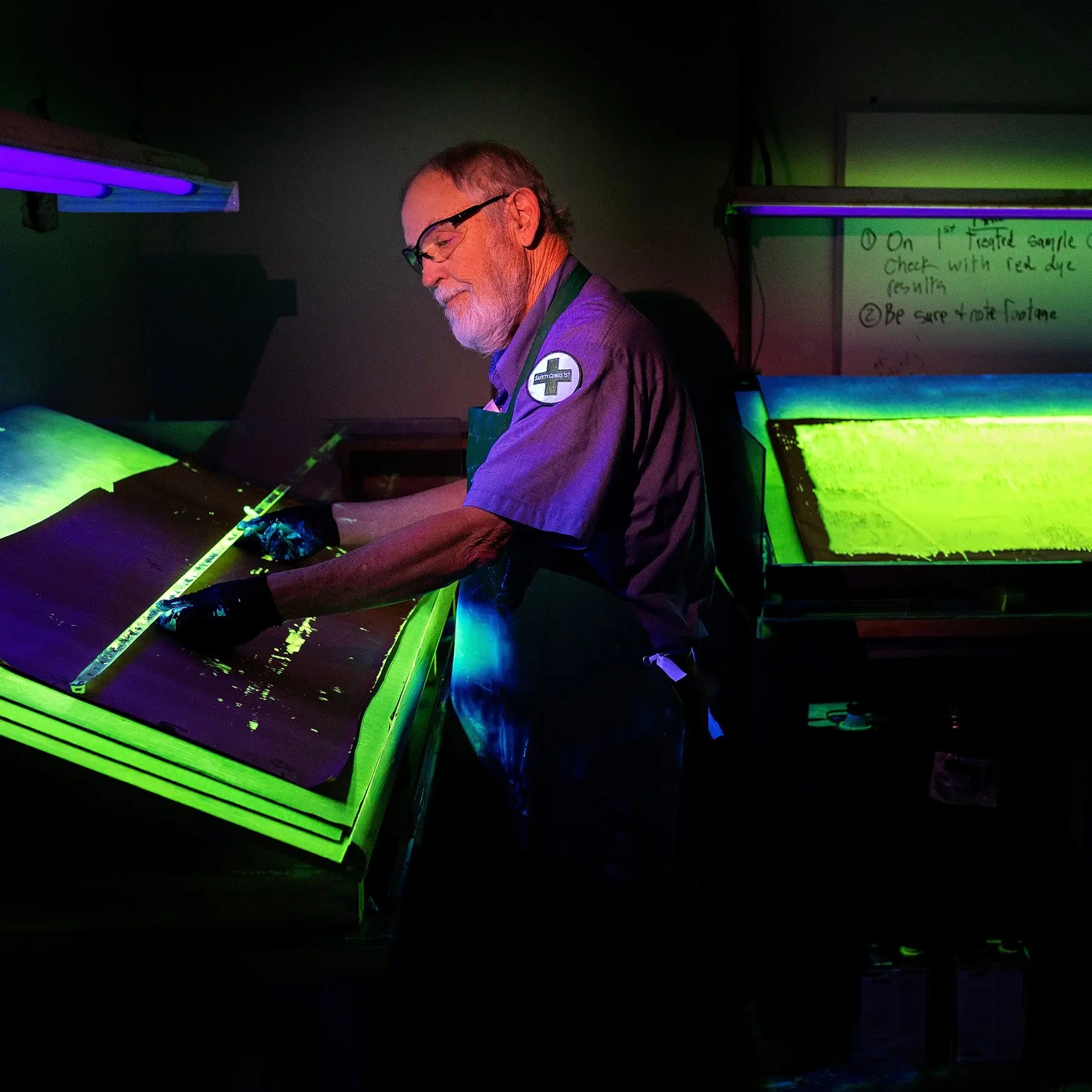
The first thing to go wrong was the ownership. In November 2024, the Japanese parent of Denkai America announced bankruptcy proceedings and plans to liquidate its Camden, South Carolina, operation. Inside the factory was something considerably harder to replace than a corporate name: America’s sole remaining source of defense-grade electrodeposited copper foil. A material buried inside electronics had become a national-security problem.
- Principal Mineral rescued the Camden plant in 2025, then acquired Isola and Conductive Group in 2026.
- Its operating businesses make copper foil, PCB laminates, and conductive composites.
- About $280 million in new funding backs the platform; its rare earth process remains at demonstration stage.
A factory worth more alive
Principal Mineral says it acquired and relaunched the facility within eight weeks. The April 2025 unveiling gave the operation a new name, Camden Copper, and nearly 50 employees a continuing place to work. Kershaw County reported that its average salary stood 41 percent above the county’s average manufacturing wage. There was an economic argument for keeping the doors open as well as a strategic one.
This is a useful place to begin understanding the company. The valuable thing was already there: equipment, manufacturing knowledge, customers who needed the output. Principal Mineral’s intervention preserved those pieces before liquidation could separate them. Building industrial capacity sometimes means recognizing how much capacity is about to disappear.
The middle of the circuit board
The Dallas company, founded in 2024 by Adam Johnson and Wes Spurlock, calls its territory the industrial “missing midstream.” Raw metals sit at one end; finished electronics sit at the other. Between them are businesses that turn materials into something a manufacturer can actually use. Copper foil and copper-clad laminates occupy this less celebrated middle.
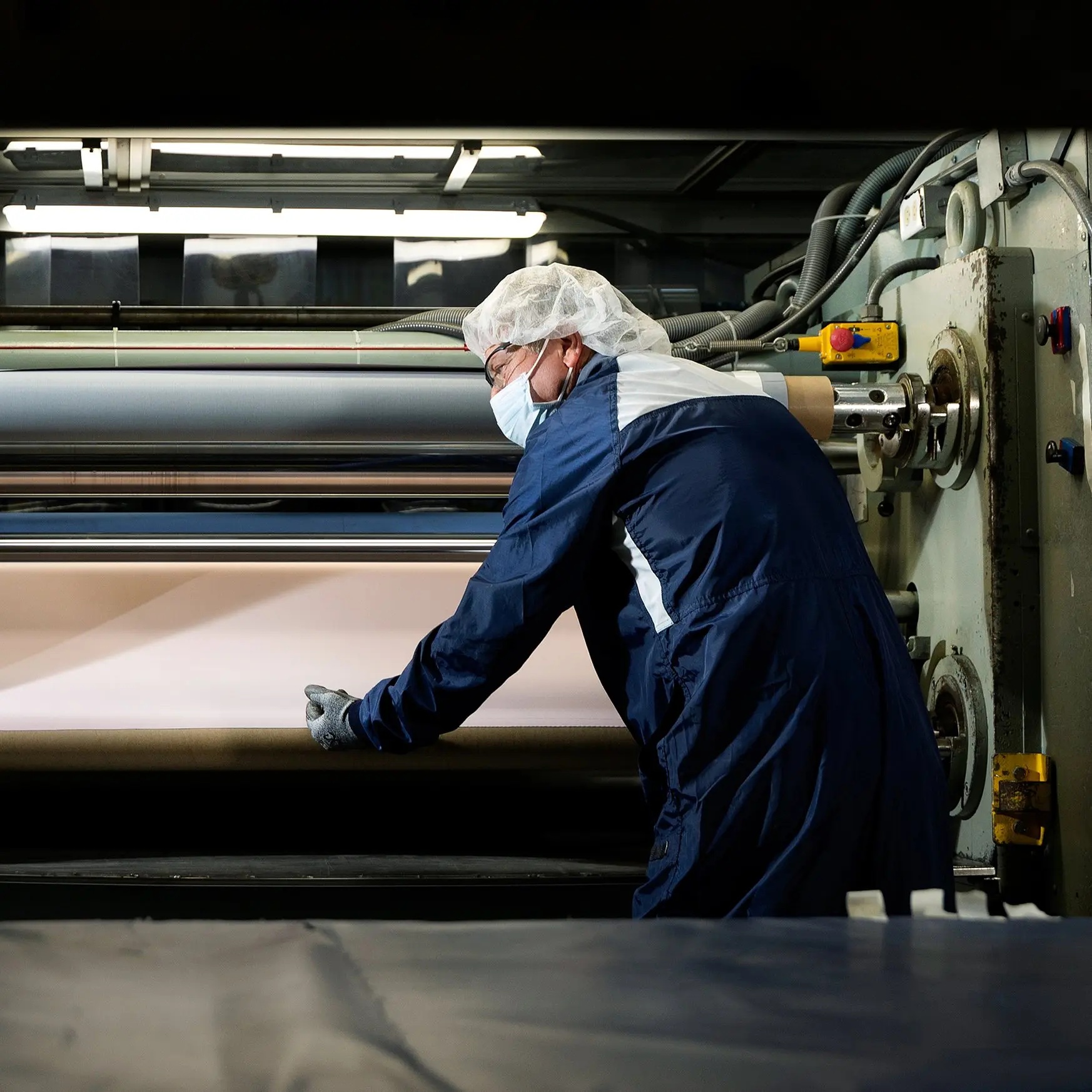
A finished circuit board makes the distinction tangible. Camden supplies electrodeposited copper foil. Isola, acquired in June 2026, makes copper-clad laminates and dielectric prepregs used to produce multilayer printed circuit boards. Those materials support applications in communications, aerospace, computing, and defense. Principal Mineral owns inputs beneath the finished board, where an interruption can travel downstream.
Johnson brought experience in rare earths, corporate development, and investment, including work at MP Materials and Ara Partners. Spurlock brought 25 years in the Air Force and service at the Pentagon and White House. Among his former responsibilities was carrying the presidential emergency satchel, the “nuclear football.” His present concerns include the much less photogenic materials that military systems require.
Buying the next layer
Isola was founded in 1912. Its acquisition gave this young company access to a business with more than a century of materials experience and a global manufacturing footprint. At the June transaction, Principal Mineral described the combined organization as roughly 1,300 people across 10 facilities, covering manufacturing, research, technical support, and sales.
The pairing had a commercial prehistory. Camden supplied copper foil to Isola before the acquisition. In a July interview, the founders described how that relationship helped them appreciate Isola’s team and its place in electronics. The next acquisition followed a known connection between materials, rather than a resemblance between company names.
In August came Conductive Group, based in Cleveland, Utah. Its conductive composites supply electromagnetic shielding, radio-frequency protection, and structural conductivity in lightweight forms. The portfolio includes Conductive Composites, Faraday Cases, and Faraday Structures. Copper and laminates help make electronic systems possible; shielding helps protect them. The acquisition broadens the materials offered around those systems.
Principal Mineral’s distinction is this combination of adjacent capabilities under common ownership. Buyers still have alternatives in individual categories. Rogers Corporation, for example, supplies high-frequency PCB substrates and copper-clad laminates. Owning several stages gives Principal Mineral an integration opportunity, while leaving it to compete on the specifications, service, and economics of each product.
Who pays for the unglamorous work
The business is industrial and business-to-business. Customers buy materials through the operating companies for electronics, aerospace, defense, energy, and other demanding applications. A PCB fabricator needs suitable foil and laminate; a system manufacturer may need conductive composites or shielding. The attraction is access to an appropriate material from a dependable production operation.
New growth funding announced June 2026
30-month federal copper-foil contract announced August 2026
The June funding announcement named Overmatch Ventures and The New Industrial Corporation as co-leads, with J2 Ventures, Ensemble VC, and other investors participating, alongside a Lane42 credit facility. The stated uses included integration, manufacturing expansion, technology development, and supply-chain investment across North America, Europe, and Asia.
A separate federal commitment shows the public interest in Camden. On August 31, the Department of War announced a $37.2 million, 30-month contract awarded April 27, bringing its stated total investment in Camden Copper to $74.9 million. The project supports domestic defense-grade foil production. Those figures describe financing and industrial support; they should not be read as acquisition prices.
A laboratory is a different kind of factory
The rare earth business carries a different status. Principal Mineral is working to commercialize the REMAFS process developed at Ames National Laboratory. Its own project page lists the effort in Ames, Iowa, at demonstration stage. The intended output is rare earth metal for permanent magnets, connecting processing with magnet manufacturing.
An August 2025 memorandum with ReElement Technologies proposed putting separation, fluoride production, and metallization under one roof. ReElement would provide separated rare earth products; Principal Mineral would produce fluorides and metal. Marion, Indiana, and Camden were among the locations considered. The logic is fewer handoffs between complementary processes. An MOU establishes that plan; commercial-scale execution remains a separate task.
Look beneath your supplier
Camden’s plant manager, Neal Clark, supplied the neatest description of the rescue’s division of labor:
“We know how to make it, they know how to sell it.”Neal Clark / Camden Copper plant manager
For another manufacturer, the copyable move is to inspect the suppliers beneath its suppliers. Identify the material whose disappearance would stop production, then ask whether its equipment, skills, and customers can be preserved together. The approach needs real demand and enough capital to sustain quality and integration. Strategic importance cannot do all the commercial work. Principal Mineral’s wager is that some very ordinary-looking materials deserve extraordinary attention before they become impossible to obtain.