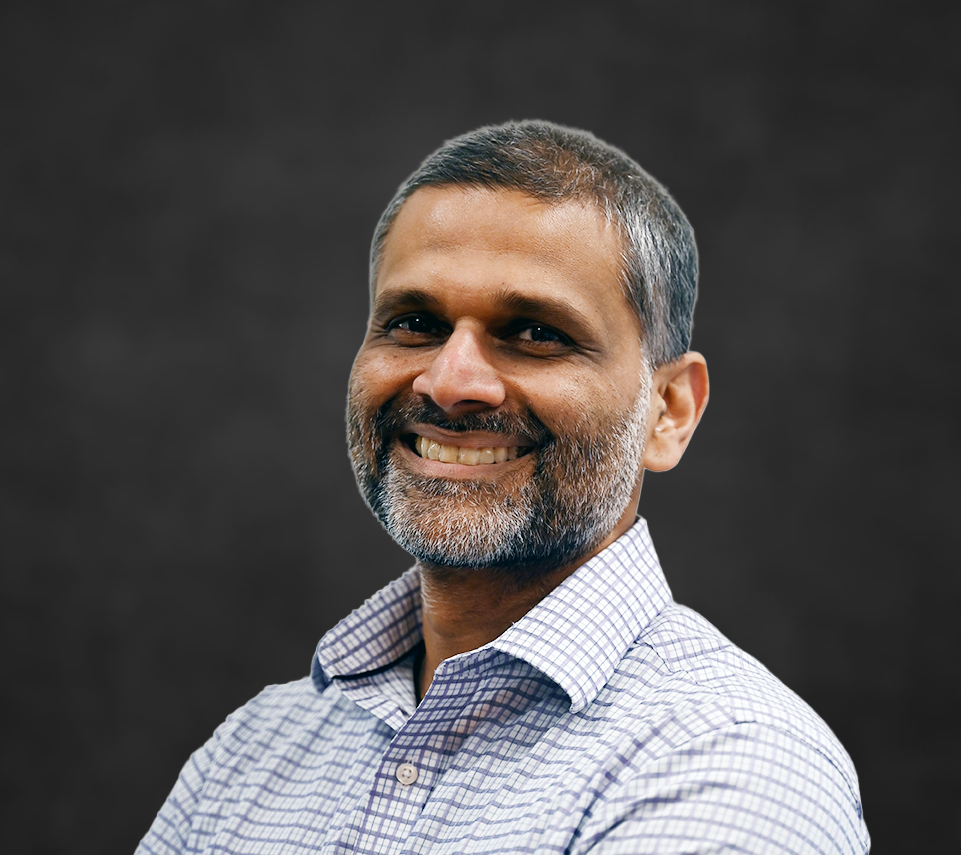
The pitch for 6K Inc., where Saurabh Ullal became chief executive in September 2024, is that a microwave-plasma reactor in a warehouse in North Andover, Massachusetts can make lithium-ion cathode powder in a matter of seconds - the sort of thing that normally takes conventional wet chemistry a matter of days - and that this compression is a national security asset because it lets the United States produce battery-grade materials without importing precursor from what he politely calls "nonfriendly countries." The pitch was compelling enough that the company closed $82 million of Series E funding the same week it swapped chief executives, which is either the corporate equivalent of moving houses during a hurricane or a coordinated signal that the operator is now in charge. Ullal, a chemical engineer with a PhD from UC Santa Barbara, is the operator.
6K's technology is called UniMelt. It is a bank of microwave-driven plasma torches that pass feedstock through a very hot, very short thermal zone and drop finished particles out the bottom. The physics is straightforward. The engineering, less so. UniMelt was invented at MIT and has since been squeezed into two commercial businesses inside 6K: one making titanium and nickel and refractory alloys as powder for additive manufacturing customers; the other making cathode active materials for battery makers. Ullal joined as chief operating officer, ran both, and then inherited them.
His career reads like a thermal ladder. He started at Lam Research, where the plasmas are for etching silicon wafers and the temperatures are moderate. He moved to ARC Energy, where the job was growing sapphire crystals at roughly 2,000 degrees Celsius - a slow, patient business of pulling boules out of melts, more monastery than factory. He now works at 6K, where the operating temperature triples again and where nothing is patient. Days become hours. Hours become seconds. Feedstock becomes powder. That is the whole company.
The interesting question is not whether the science works. It does; MIT and 6K have published on it, customers have taken product, and the Department of Defense has funded parts of the supply chain. The interesting question is whether Ullal can scale it. 6K is building a plant in Jackson, Tennessee that is targeted at 13,000 tons of battery cathode per year, roughly thirty times its current Pennsylvania pilot. He talks about this the way engineers do, which is to say without theatrics. "The next step is to scale battery materials production to the tens of thousands of tons per year," he told MIT News. "At this point, it's a scale-up of known processes, and we just need to execute." That last clause is the entire job.