london
(211)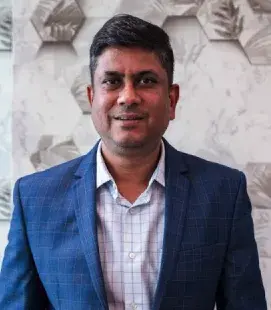
Atanu Sarkar and the value of one more try
A cash squeeze nearly ended Webskitters in 2016. Atanu Sarkar’s decision to continue helps explain the founder’s enduring interest in training, trust and the people behind the work.
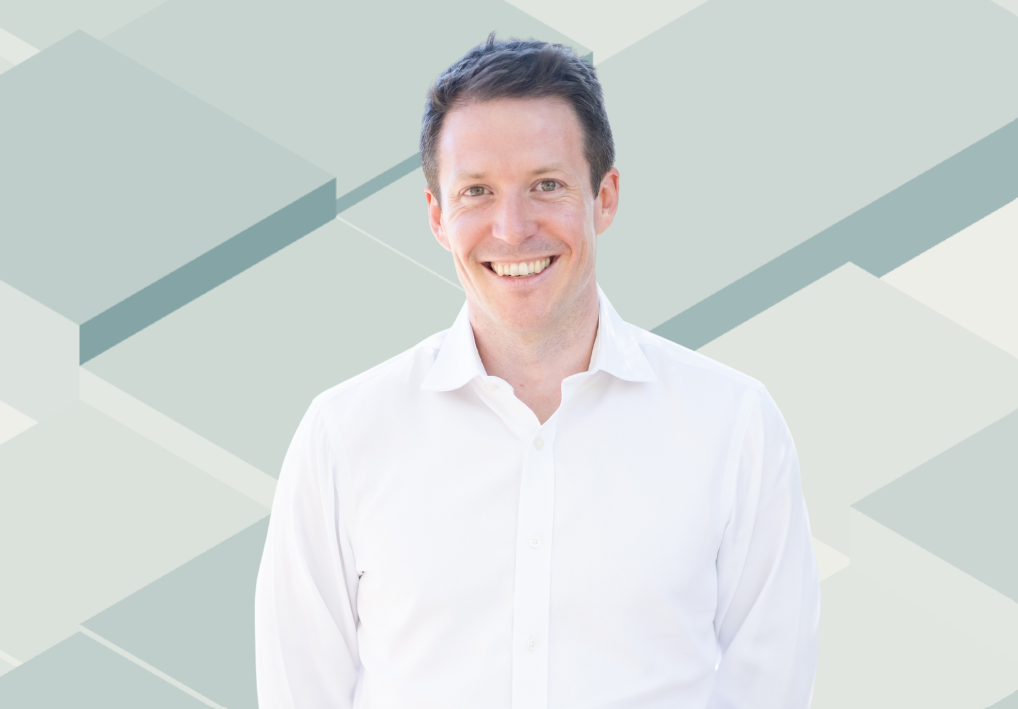
Tim Funnell and the art of leaving the chair
He helped build MiroBio, launched Ascend and co-founded Monograph Capital. Tim Funnell’s career follows the work that happens between an investment and a company that can stand on its own.
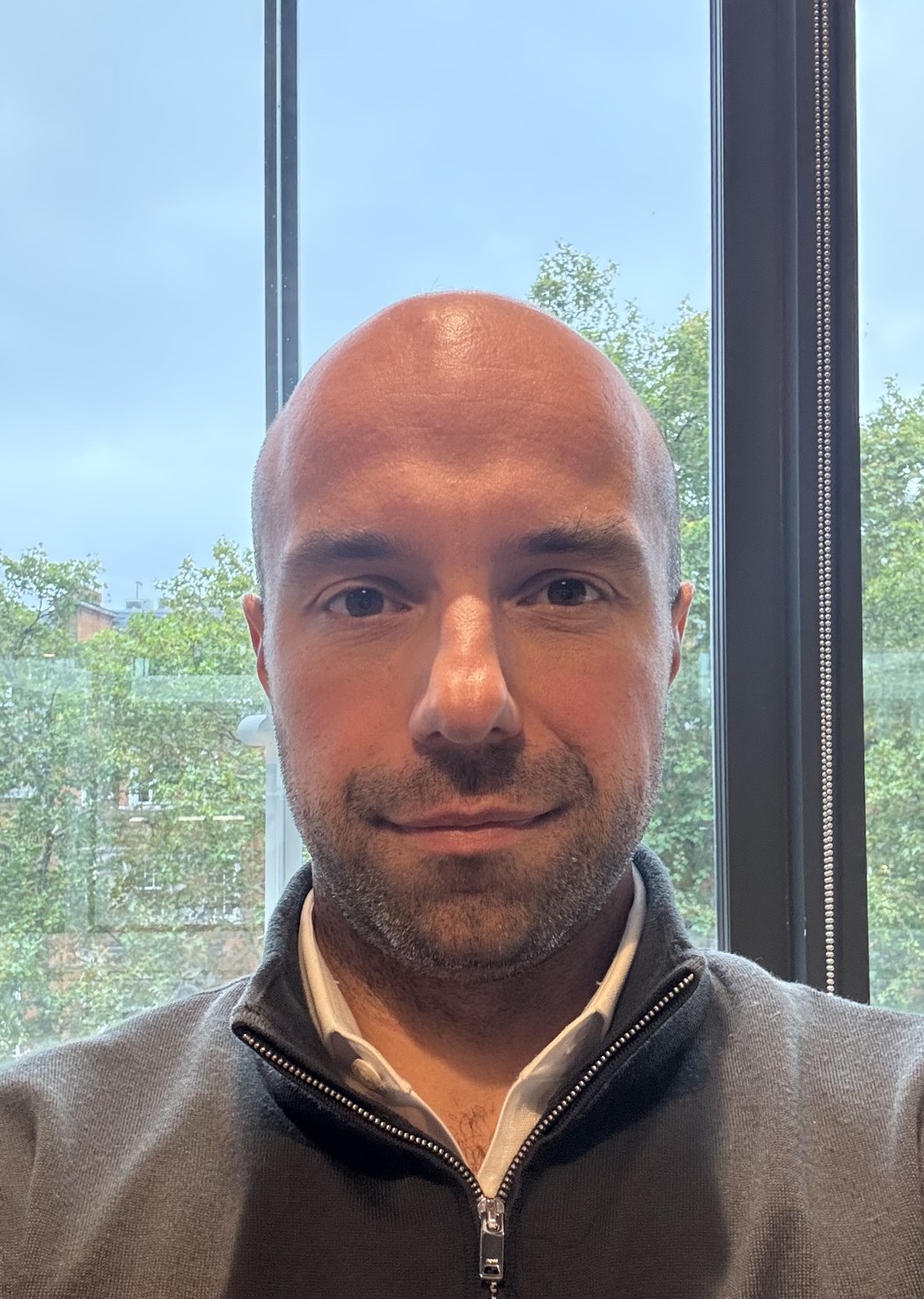
Nikolay Vitanov and the education of a confident stranger
A chance meeting in Cape Town brought an investment banker and a media operator together. Nikolay Vitanov’s next business would turn specialist human judgment into training data for AI.
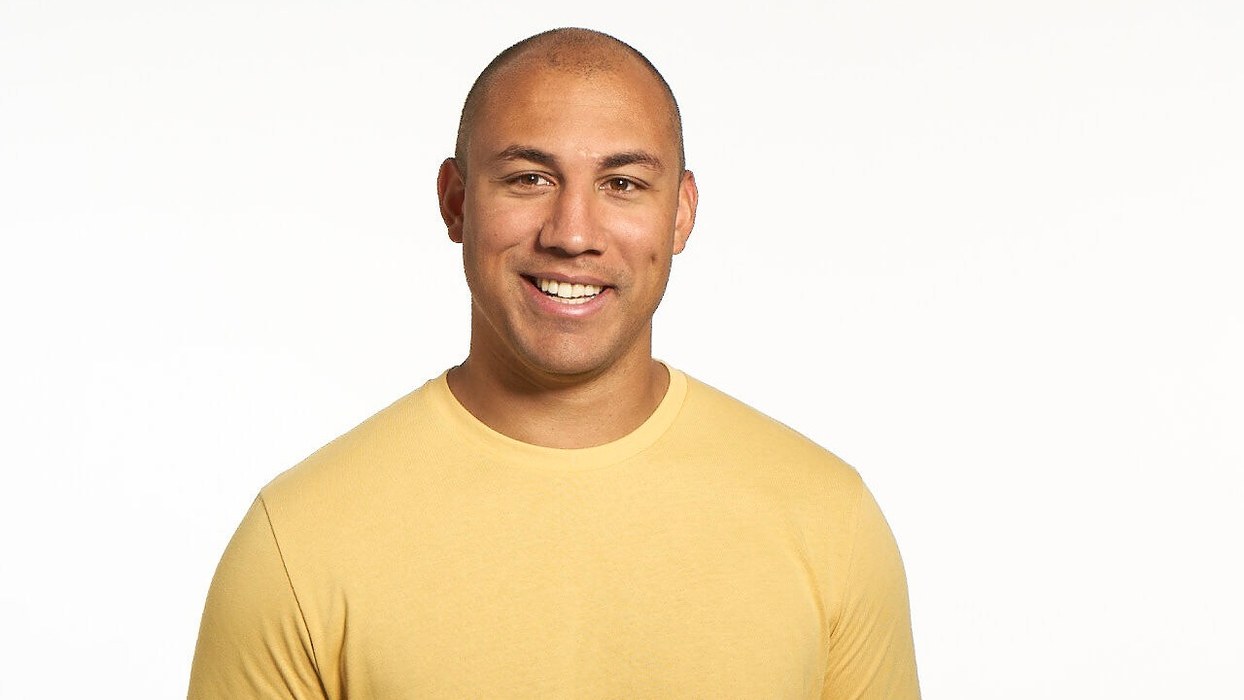
Oliver Kent-Braham and the price of starting over
An experienced driver can cross a border and become a beginner on paper. Oliver Kent-Braham built Marshmallow around that expensive absurdity - with his twin brother, an engineer and an office in a gym.
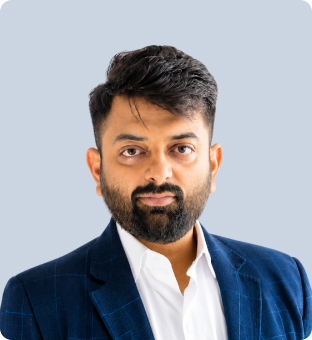
Gautam Ghai and the last mile of an idea
From a Chinese-food delivery venture to enterprise cloud engineering, Gautam Ghai keeps returning to the distance between a promising idea and something a customer can use. Twenty years into SourceFuse, AI is the next test.
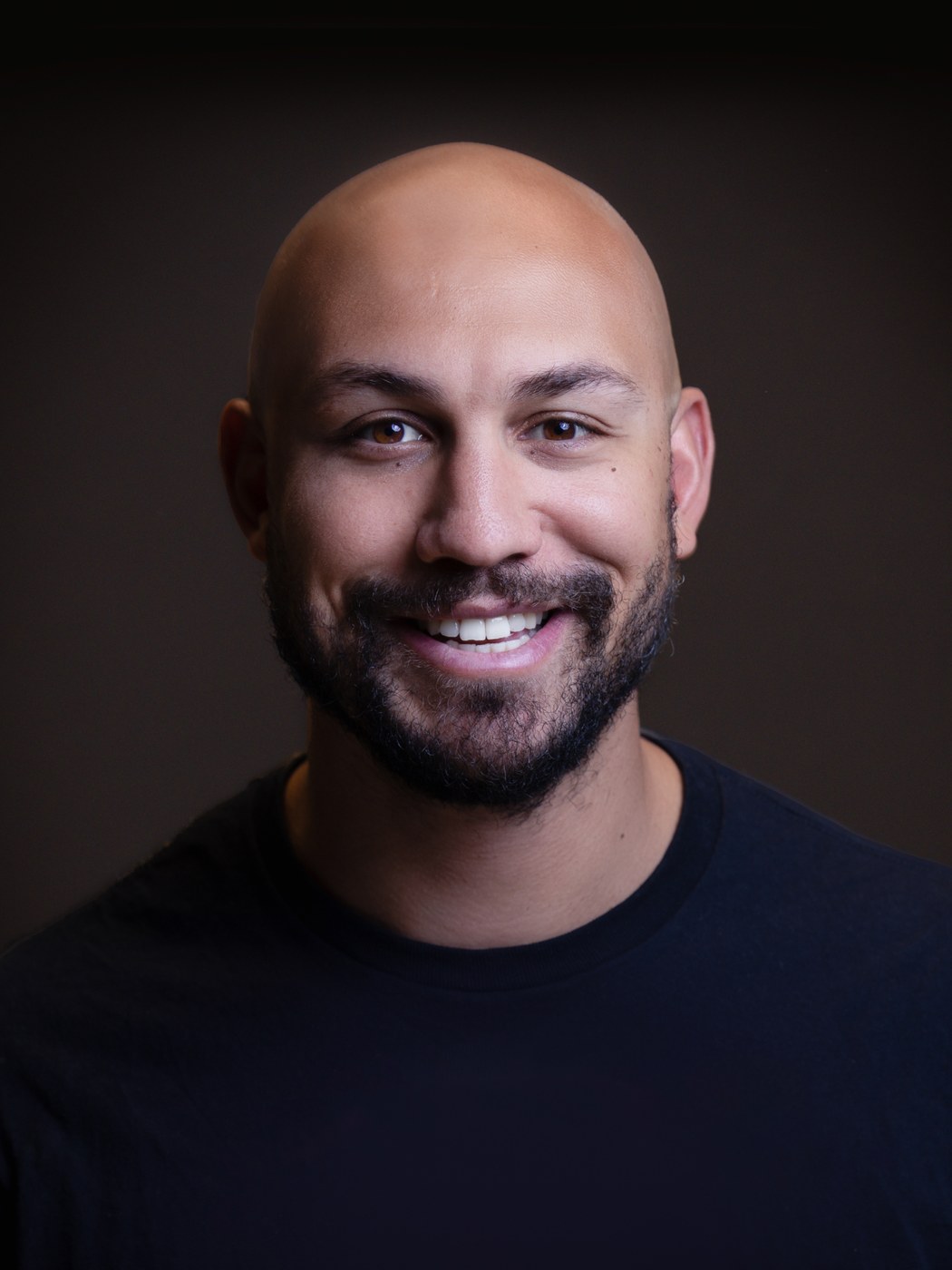
Alexander Kent-Braham and the price of starting over
A newcomer’s car insurance quote sent Alexander Kent-Braham, his twin Oliver and David Goaté into business. From a gym lobby to Marshmallow, his work asks how much of a person’s past should travel with them.
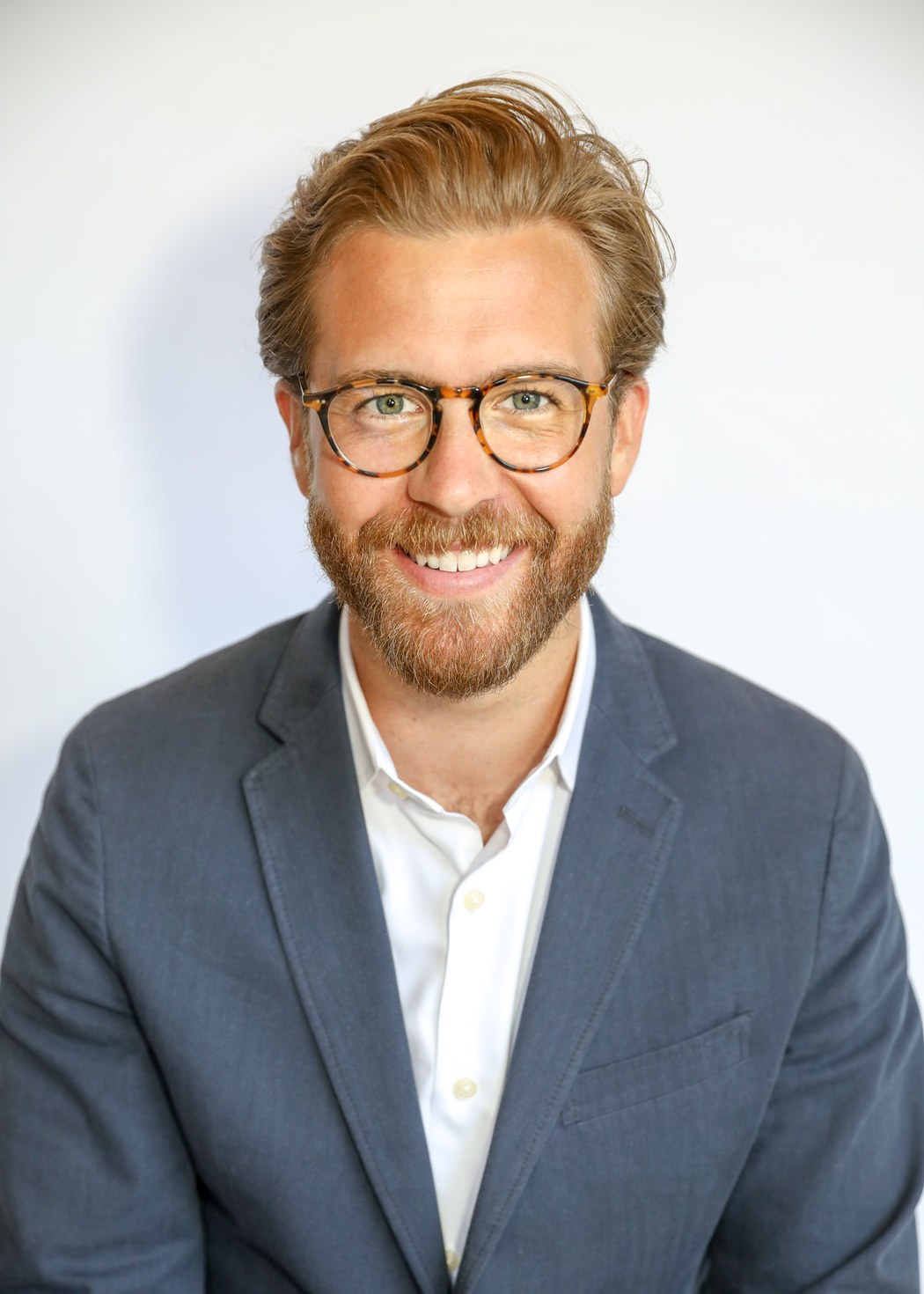
Jason Field built the school he wanted to attend
Before BrainStation, Jason Field wanted enough digital knowledge to lead a team. Building a place to learn became a career of its own.

Francesco Simoneschi and the trouble with sixteen digits
The TrueLayer co-founder has been a tenor, a game analytics entrepreneur and an investor. With his school friend Luca Martinetti, he is trying to make paying from a bank account feel ordinary.

George Konstantinidis and the promise a bank could test
A bank wanted software it could control and a deadline it could believe. For EXUS founder George Konstantinidis, the answer draws on a career connecting engineering, customer trust and the people doing the work.

Melanie Kentish and the freedom to leave
After building creator programmes at Sky and leading Gleam Futures, Melanie Kentish founded Dopamine Studios around a demanding promise: make the work good enough that talent chooses to stay.
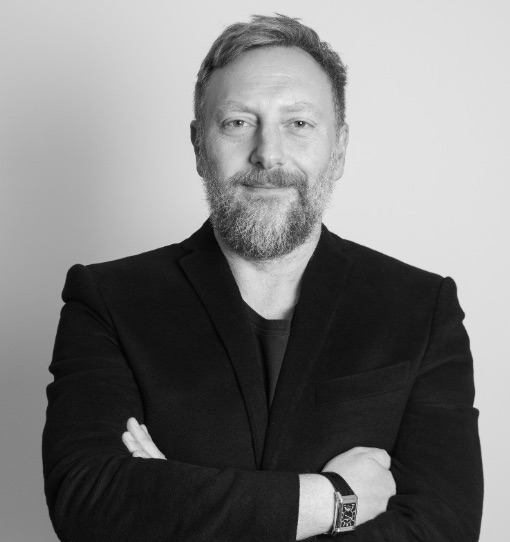
Warren Johnson and the deal that stayed in the family
He built W Communications by following his appetite for business, from club nights to restaurant investments. Then Warren Johnson sold a majority stake to a trust for the people who worked beside him - and kept going.
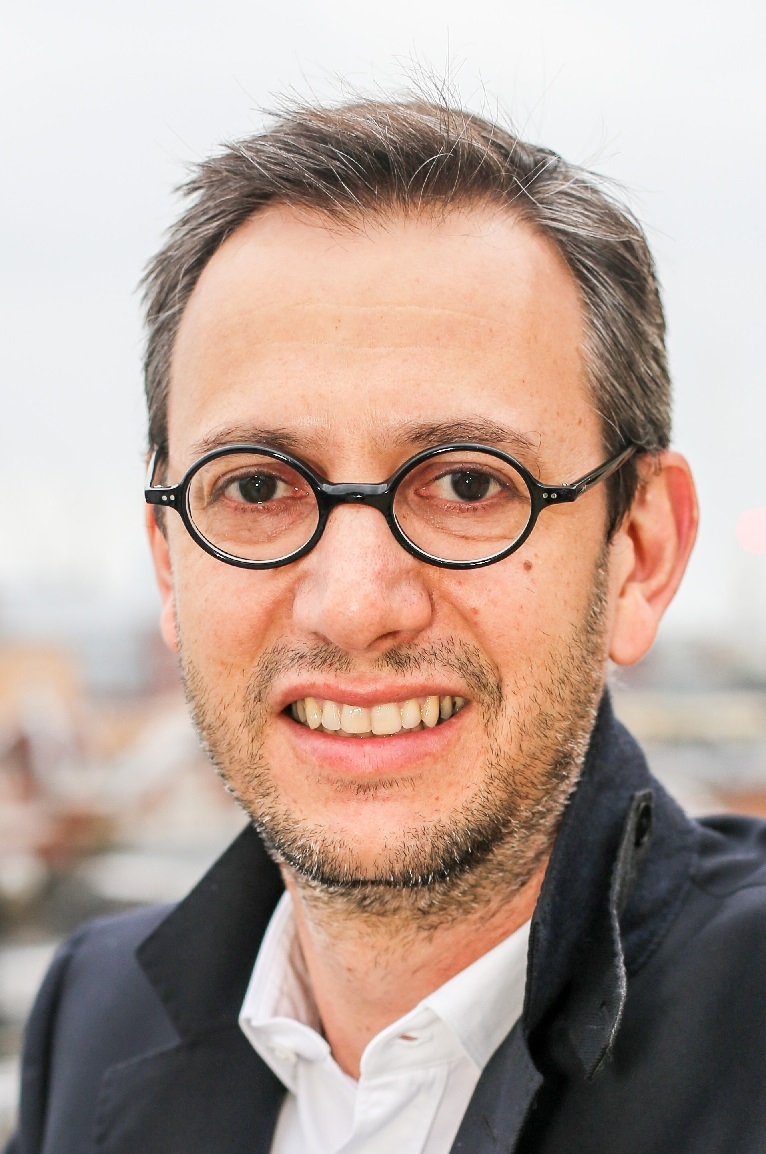
Thomas Eymond-Laritaz and the problem that arrived before the company
An engineer by training, Thomas Eymond-Laritaz worked in government offices and Ukrainian philanthropy before founding Highgate. His first assignment arrived eight days before the company was registered.

Mathias Strasser and the one-year idea that took seventeen
He built WSD to automate the paperwork of finance. Seventeen years, a second legal business and an excursion into AI music later, Mathias Strasser is still working on the part that refuses to be simple.
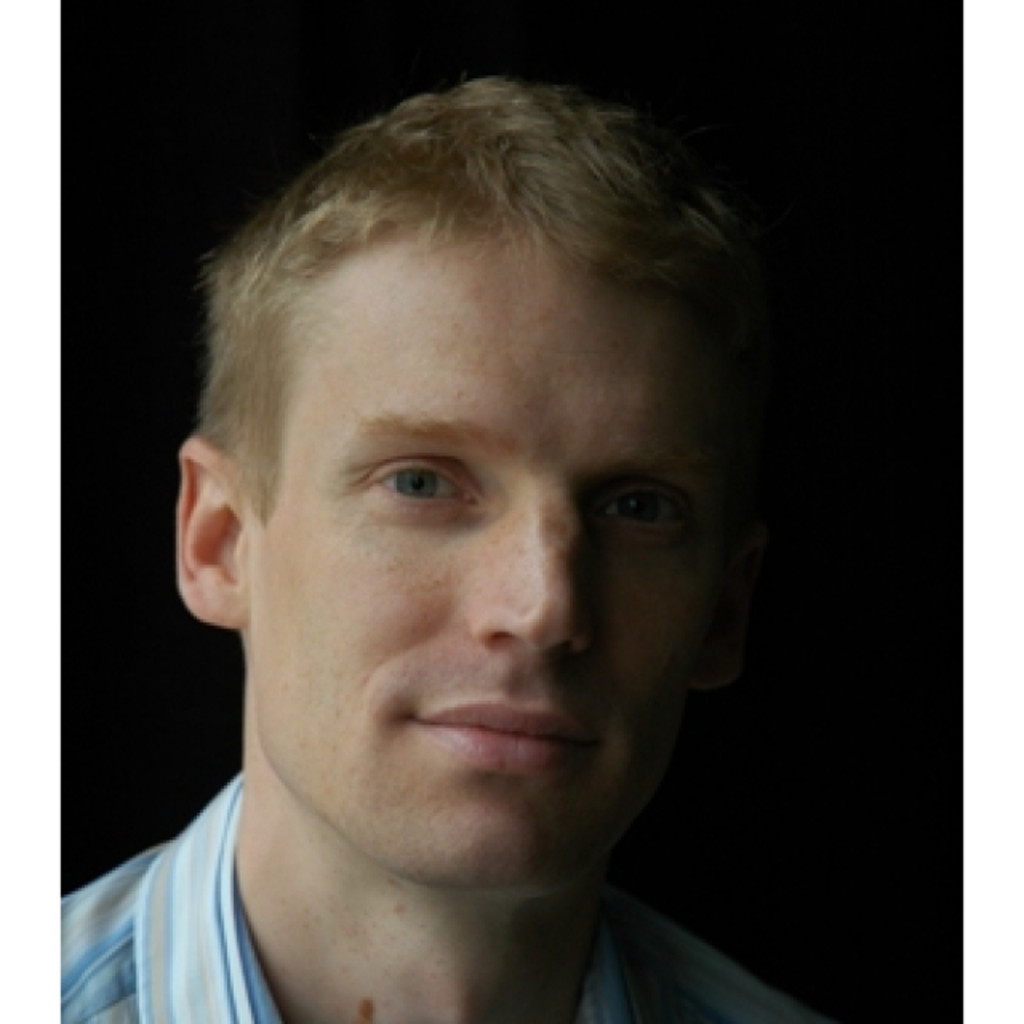
Doug Monro and the long way to a better job search
A school newspaper, a poetry phase, a football trip and a stalled funding campaign. Doug Monro’s route to building Adzuna has involved rather more than a good search algorithm.
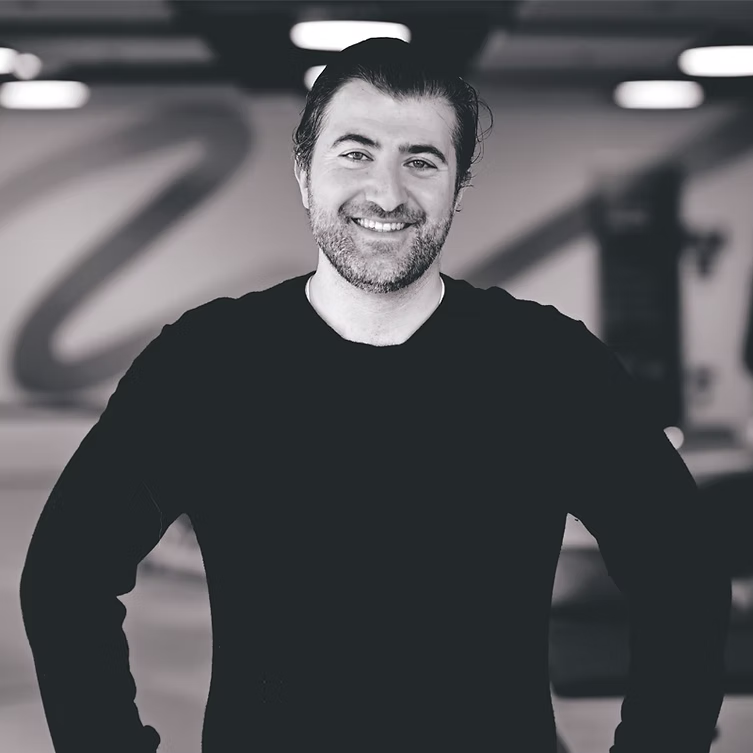
Abakar Saidov and the price of being overlooked
His family arrived in Britain with qualifications that employers struggled to recognise. Years later, Abakar Saidov helped build Beamery around a question that had followed him since childhood: what can a person actually do?
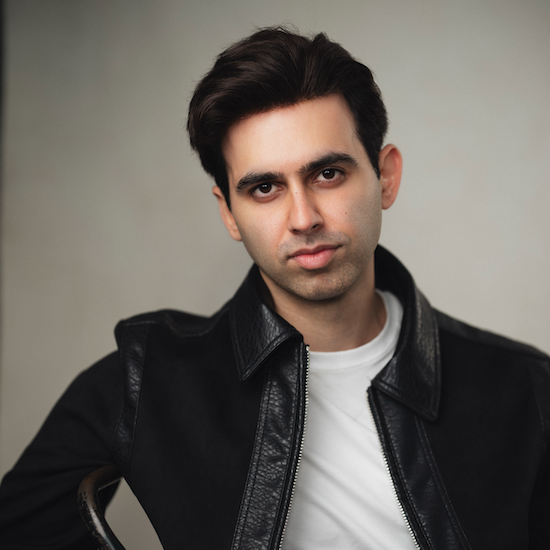
Jaibir Nihal Singh and the art of being believed
He studied film in Malibu, built TraqCheck from Delhi, and found an audience by making fun of the world he knew. Across software and satire, Jaibir Nihal Singh keeps returning to the same problem: getting people to pay attention.
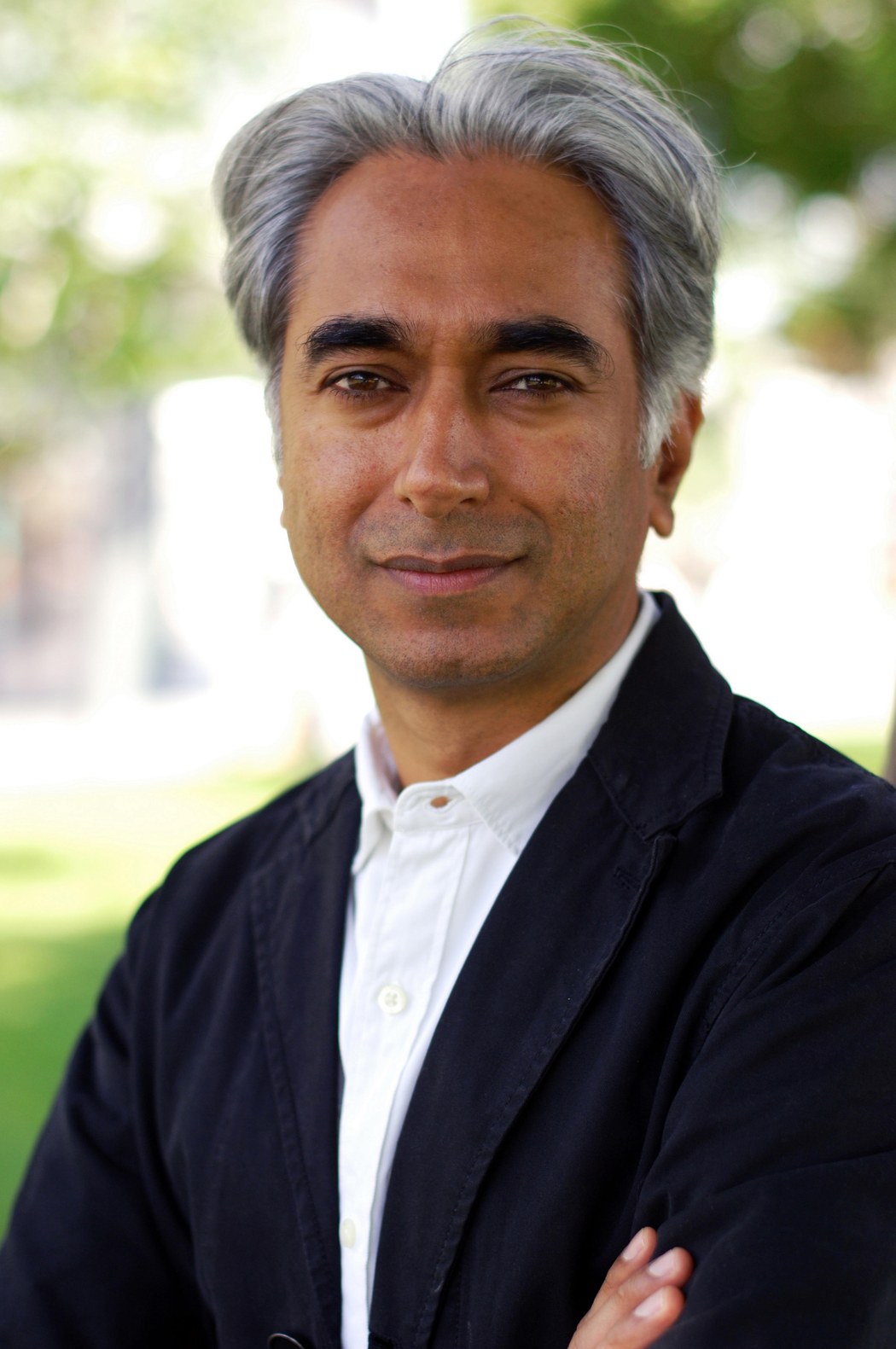
Bhav Singh and the Art of the Second Act
He helped take MTV into new markets, then ran Pearson English. At Sandbox Group, Bhav Singh is giving games, shows and book clubs a shared second act - with learning tucked into the pleasure of coming back.
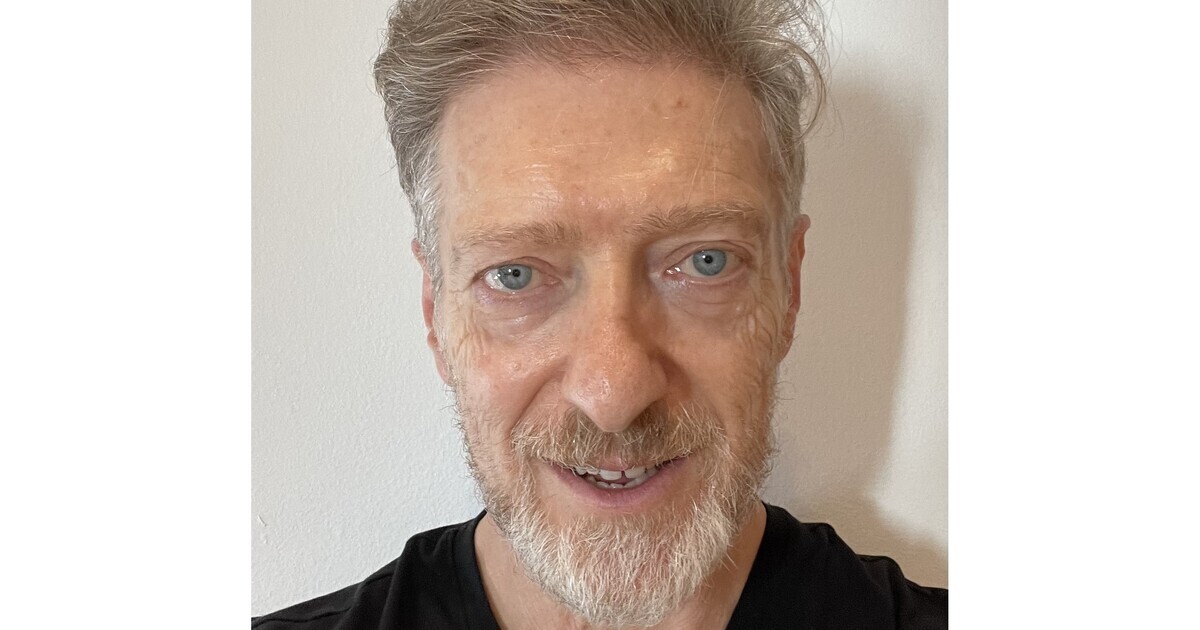
Martin Werth and the Price of Asking Twice
After years inside insurance, Martin Werth built UnderwriteMe around a deceptively small change: ask once. His career traces the distance between spotting an industry’s bad habit and persuading its people to give it up.
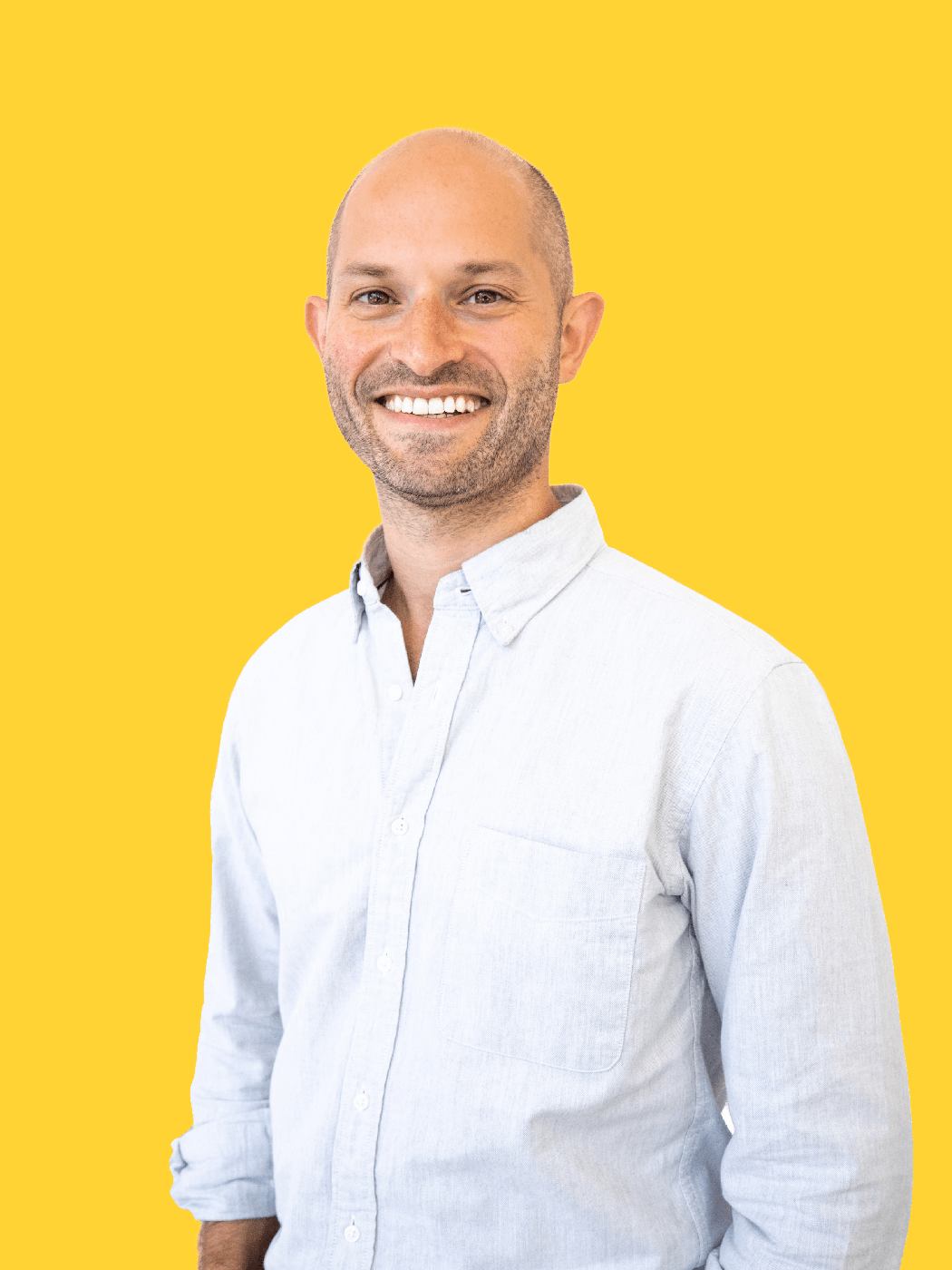
Alex Stephany and the price of a fresh start
A parking app taught Alex Stephany how to bring strangers together. At Beam, he has applied that experience to jobs, homes and the paperwork that stands between people and support.

Laurence Cohen and the business of being introduced
Before Raion turned toward AI infrastructure, Laurence Cohen was working on a more familiar bottleneck: getting the right people into the same conversation. His route from finance to founder interviews helps explain the business he is building now.
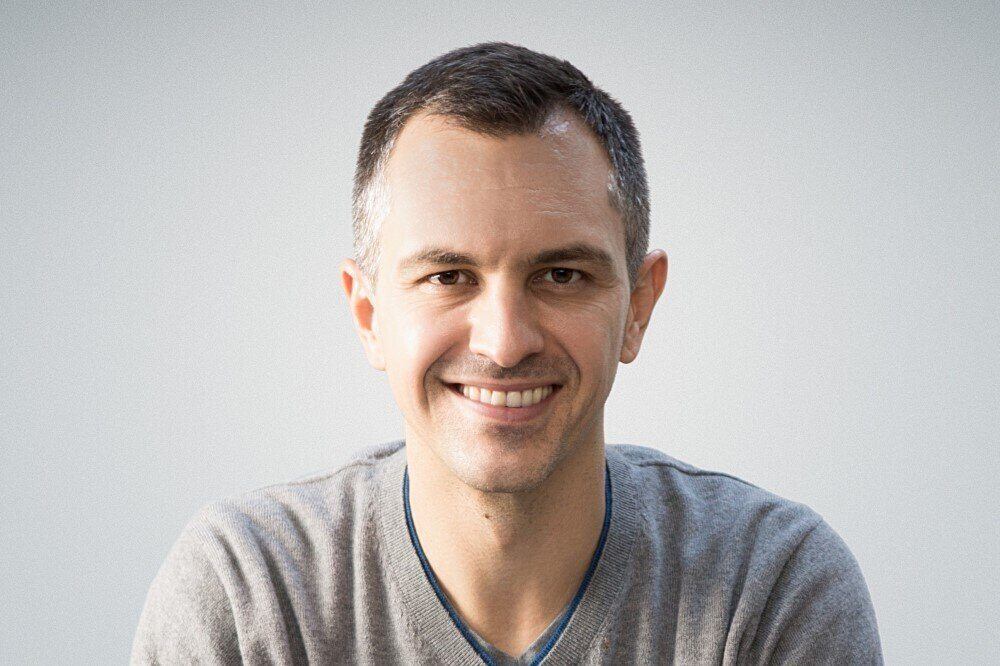
Anthony Welgemoed and the unfinished business of approval
He helped build ProofHQ, sold it, and returned to the same problem with Ziflow. Anthony Welgemoed’s second act begins where creative work so often gets stuck: waiting for someone to say yes.
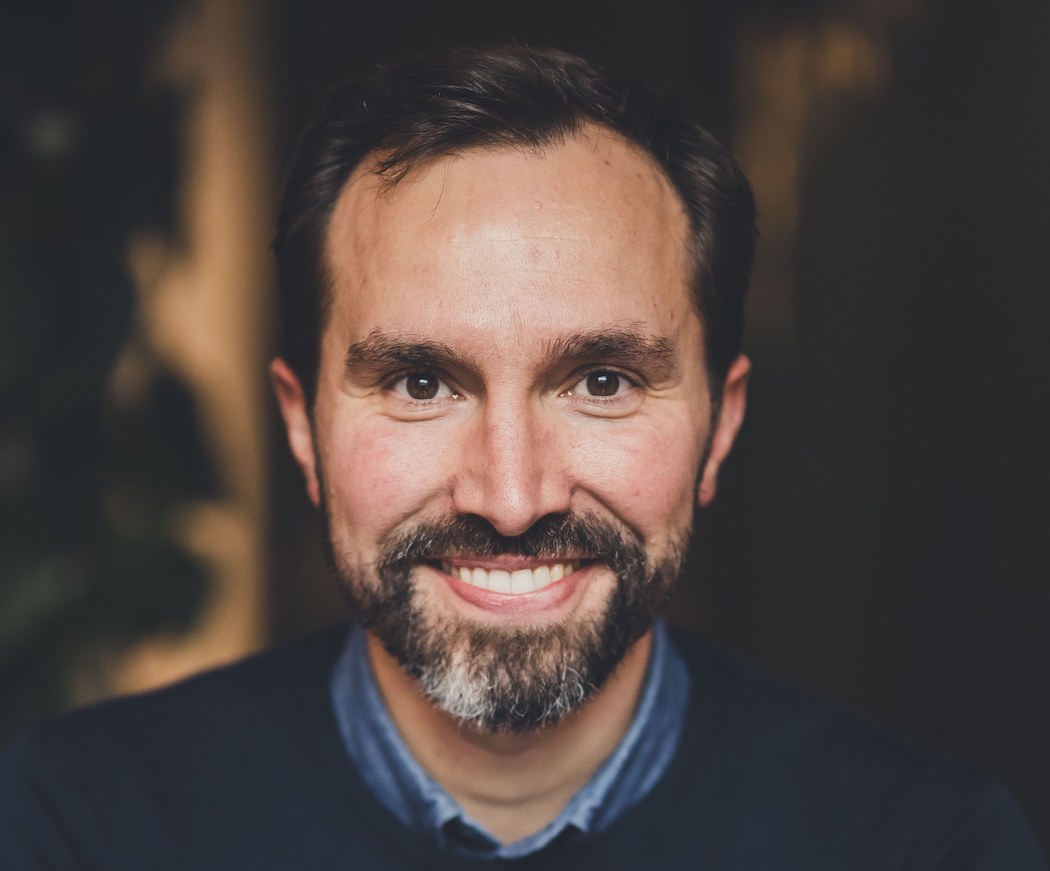
Jacomo Corbo and the cost of one more experiment
A Formula One strategist learns to make decisions before the opportunity disappears. At PhysicsX, Jacomo Corbo is applying that lesson to the time engineers spend waiting for answers.
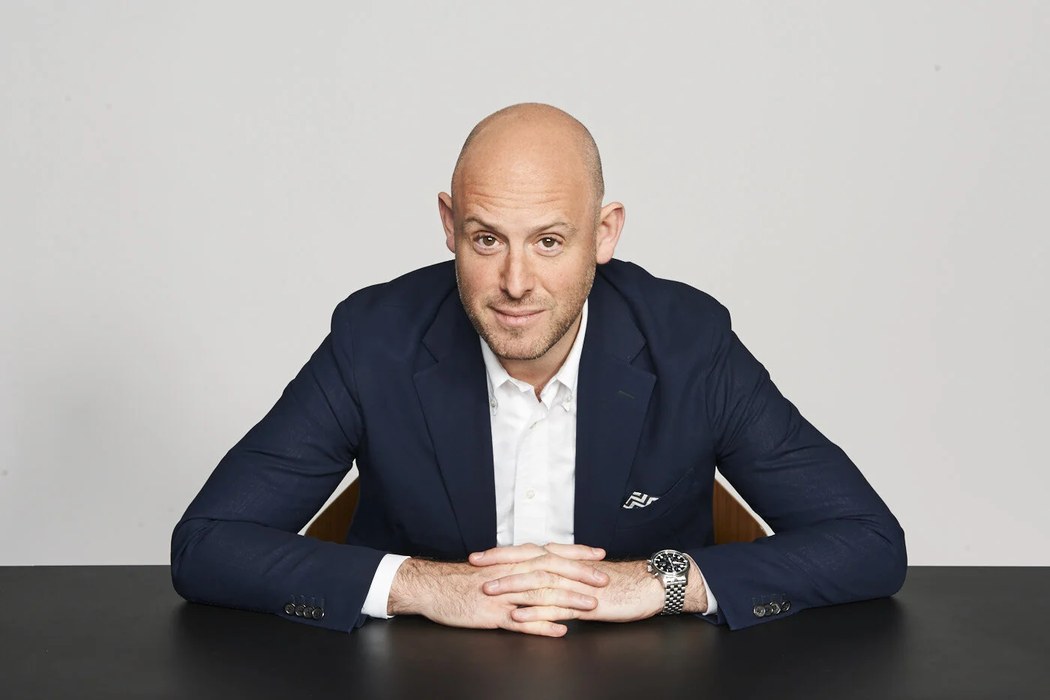
Richard Moross and the curious survival of the business card
Richard Moross built MOO by giving an ordinary business card a little personality. Getting there meant abandoning a dreadful name, listening to people who disagreed with him, and learning which ideas deserved to survive.
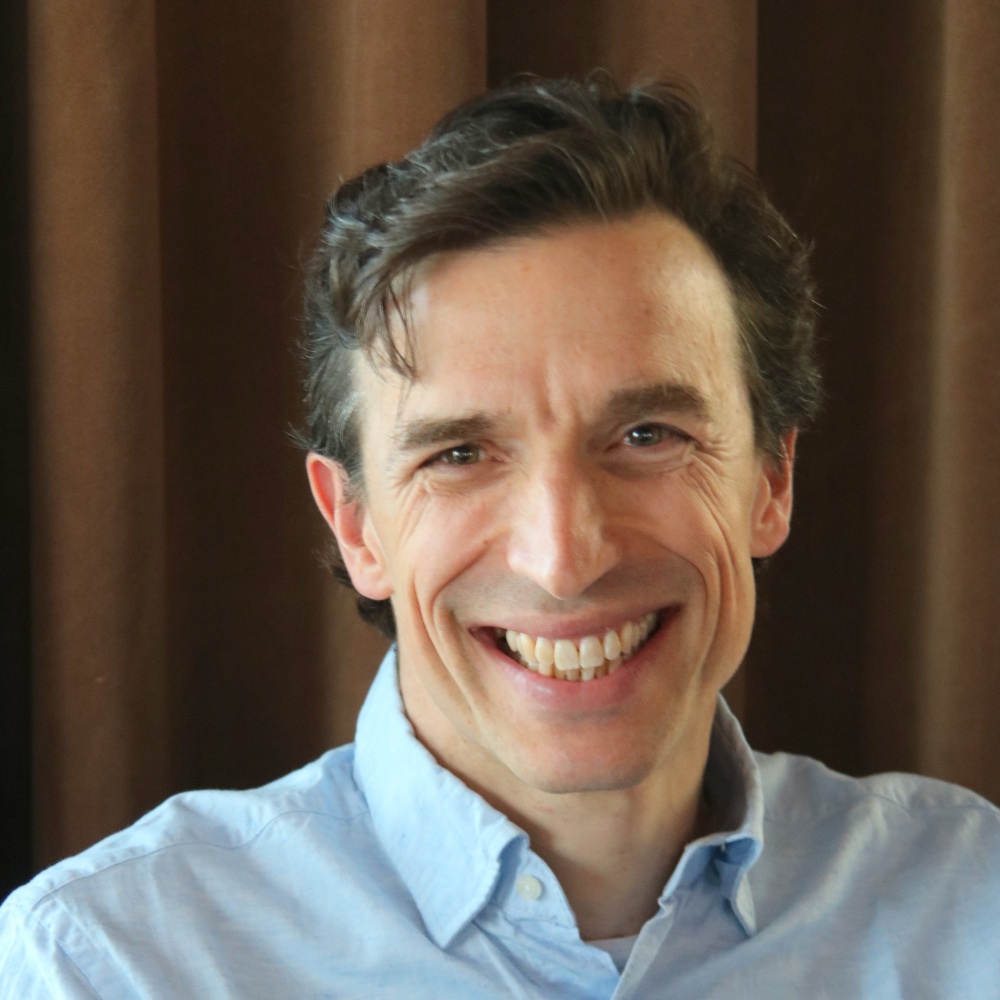
Charles Hipps and the problem of the perfect CV
Charles Hipps started building recruitment software in 1995. Three decades later, the Oleeo founder is asking what happens when every application looks impressive - and who should make the decision that follows.
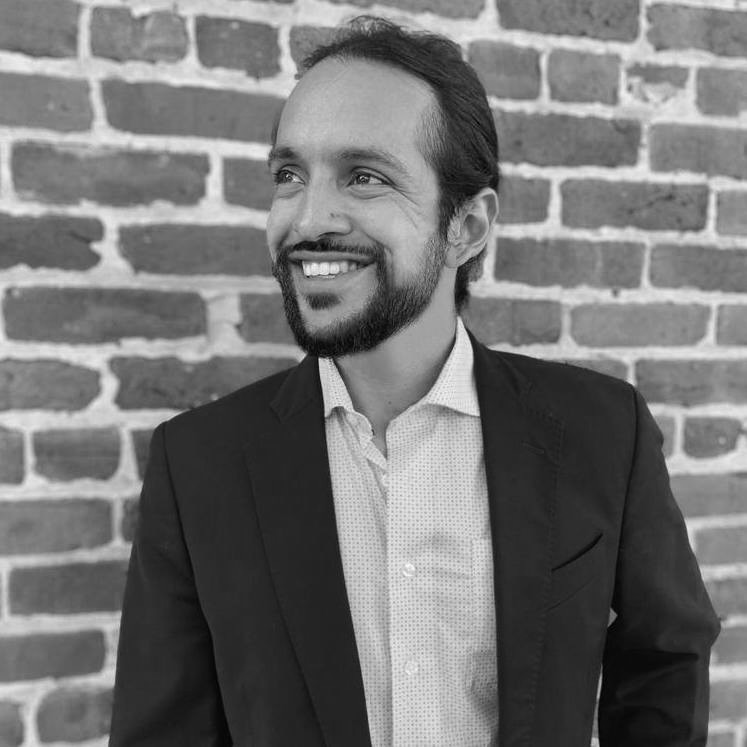
Josh Santos and the Education of a Carbon Founder
He helped scale electric vehicles, then co-founded Noya to pull carbon from the air. After the company wound down, Josh Santos took its hard-earned lessons to London, where he now helps scientists become founders.
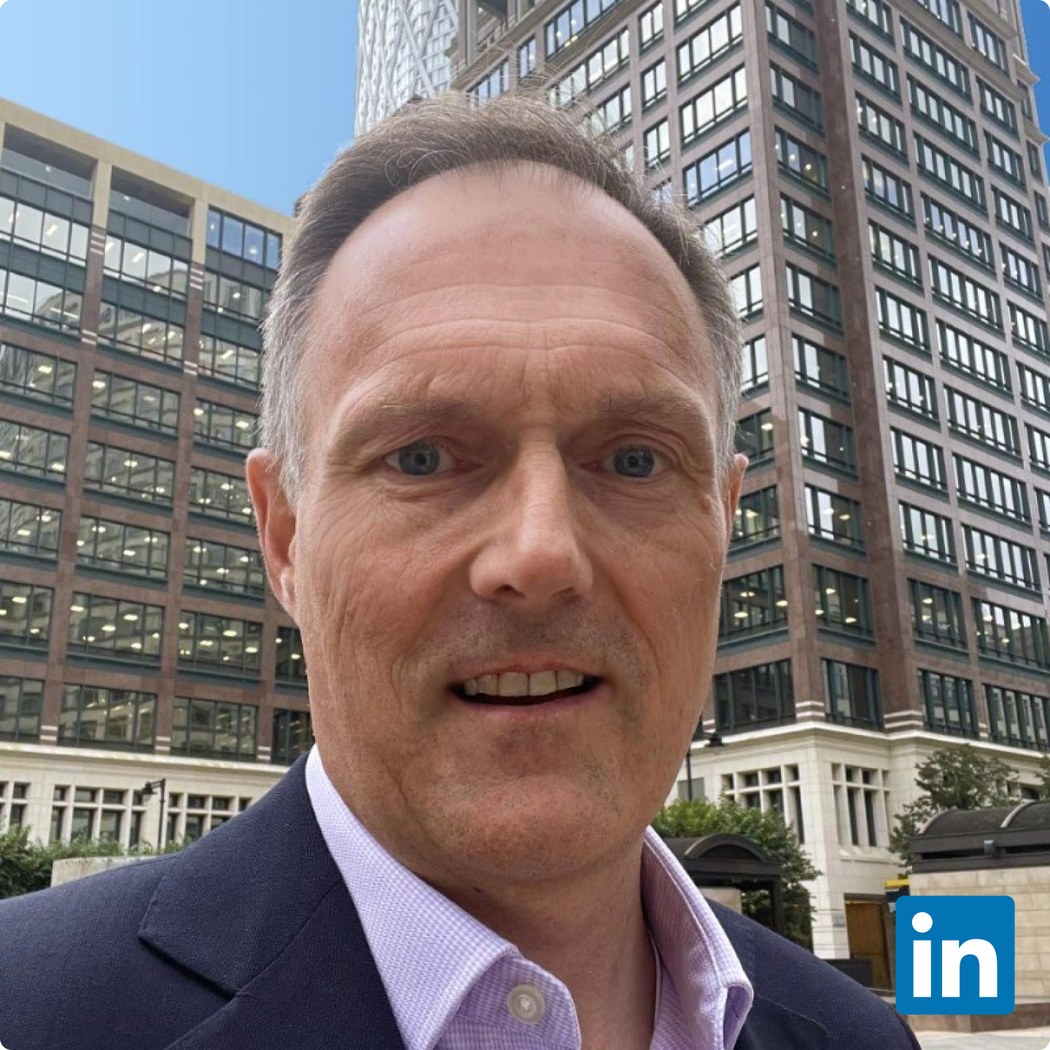
David Harding and the orange that never ran out of juice
A bank technology executive heard a joke about an endlessly squeezed IT budget. Years later, David Harding is still working on the arithmetic behind it - now as co-founder and CEO of MagicOrange.
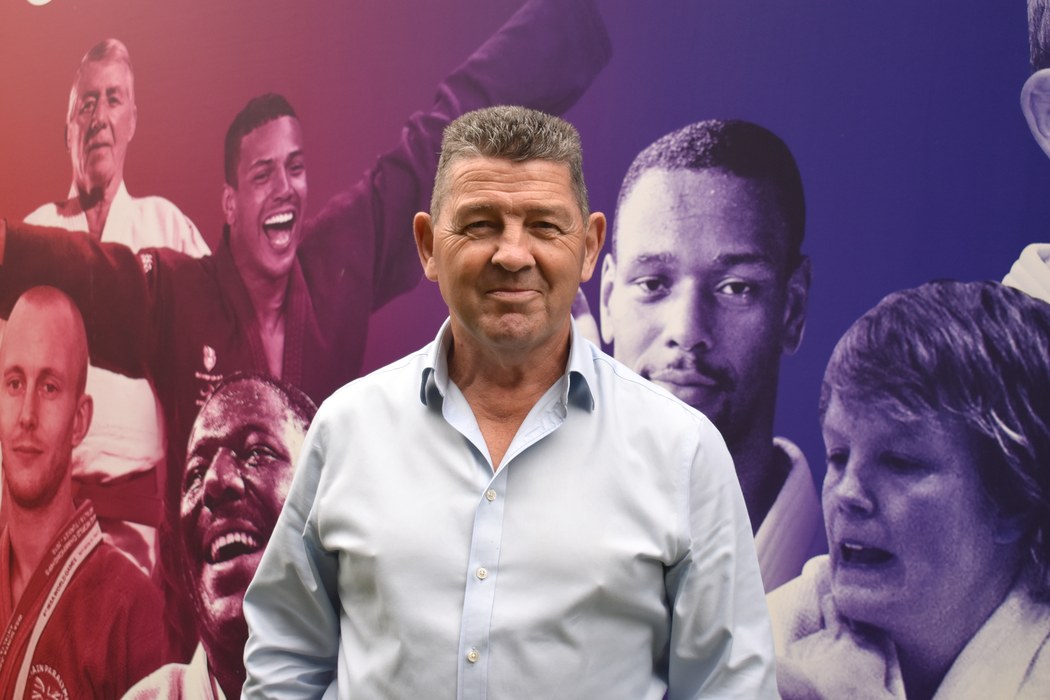
Gerry Gualtieri’s Long Game Started at Six
Before he co-founded ClearCourse, Gerry Gualtieri was a six-year-old learning judo. A career in investment software, an acquisition-built business and a move into aviation intelligence followed. The judo stayed.
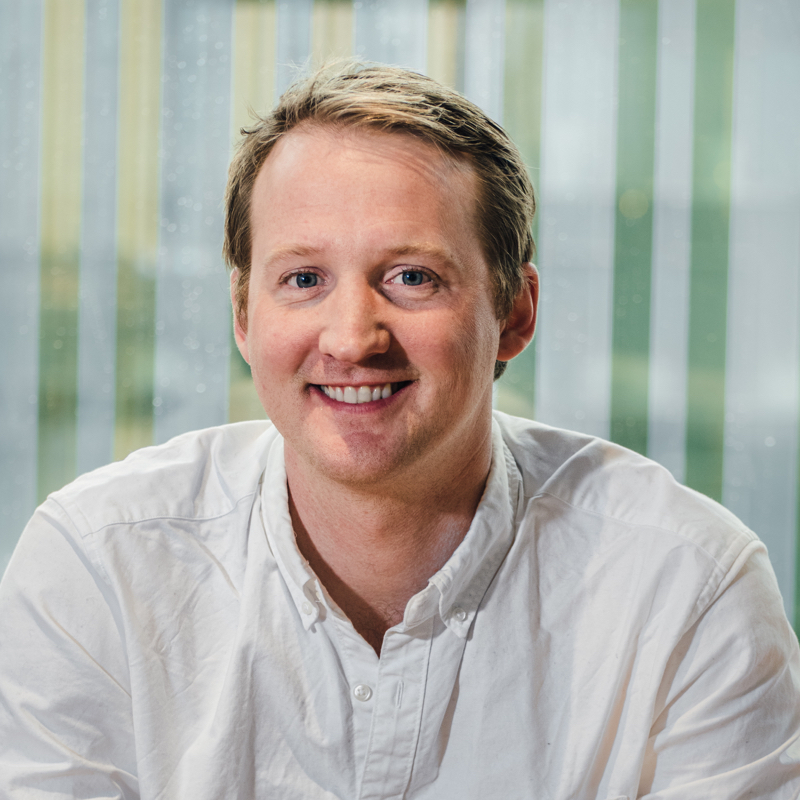
Sam Glasswell and the afterlife of a good question
Sam Glasswell spent years helping businesses find people worth listening to. At Arbolus, he is trying to make what they know last longer than the conversation.
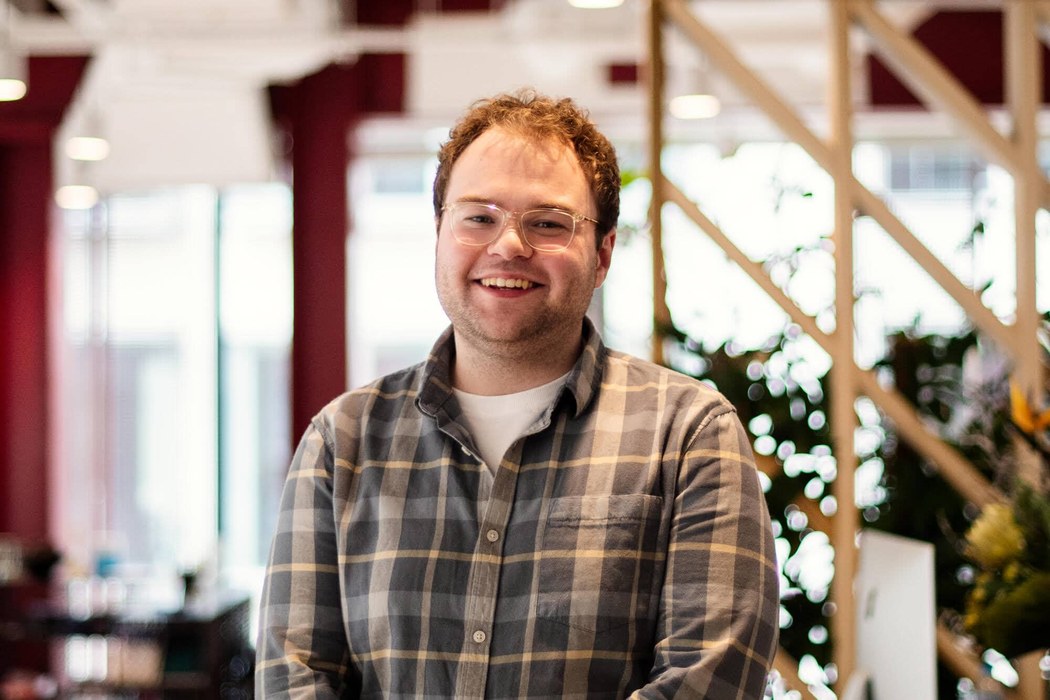
Christian Owens and the value of the boring bits
He learned to sell software before he finished school. After building Paddle around the chores developers wanted to escape, Christian Owens is starting again with Clove - and another profession buried in paperwork.
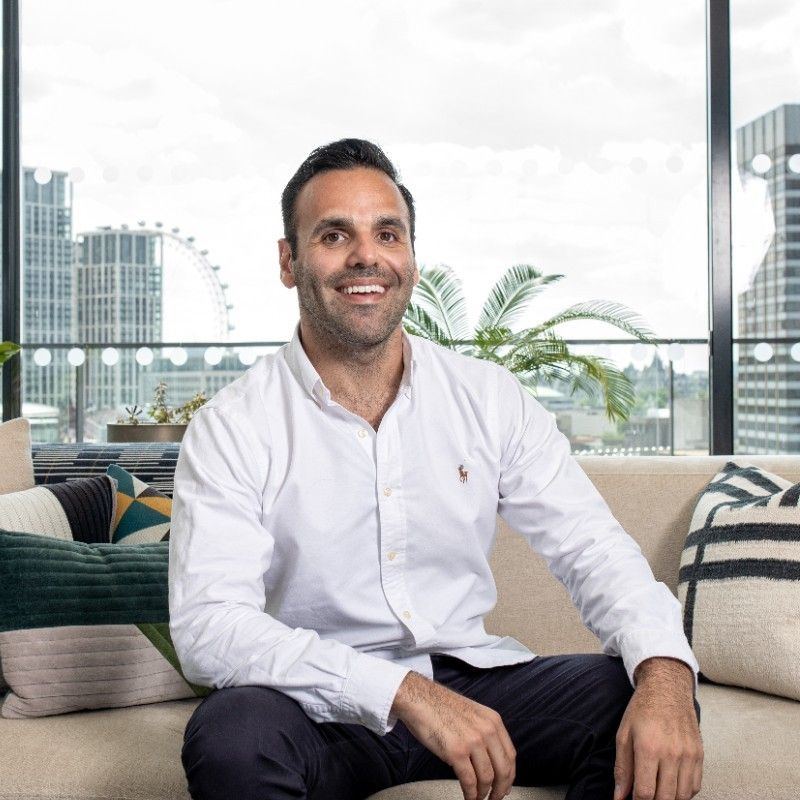
Matt Khoury’s $4,500 lesson in loyalty
A Gelato Messina customer saved points for two years to earn a pop-up at an event. For LOKE co-founder Matt Khoury, the reward captured a question that runs through his career: what makes a guest come back?