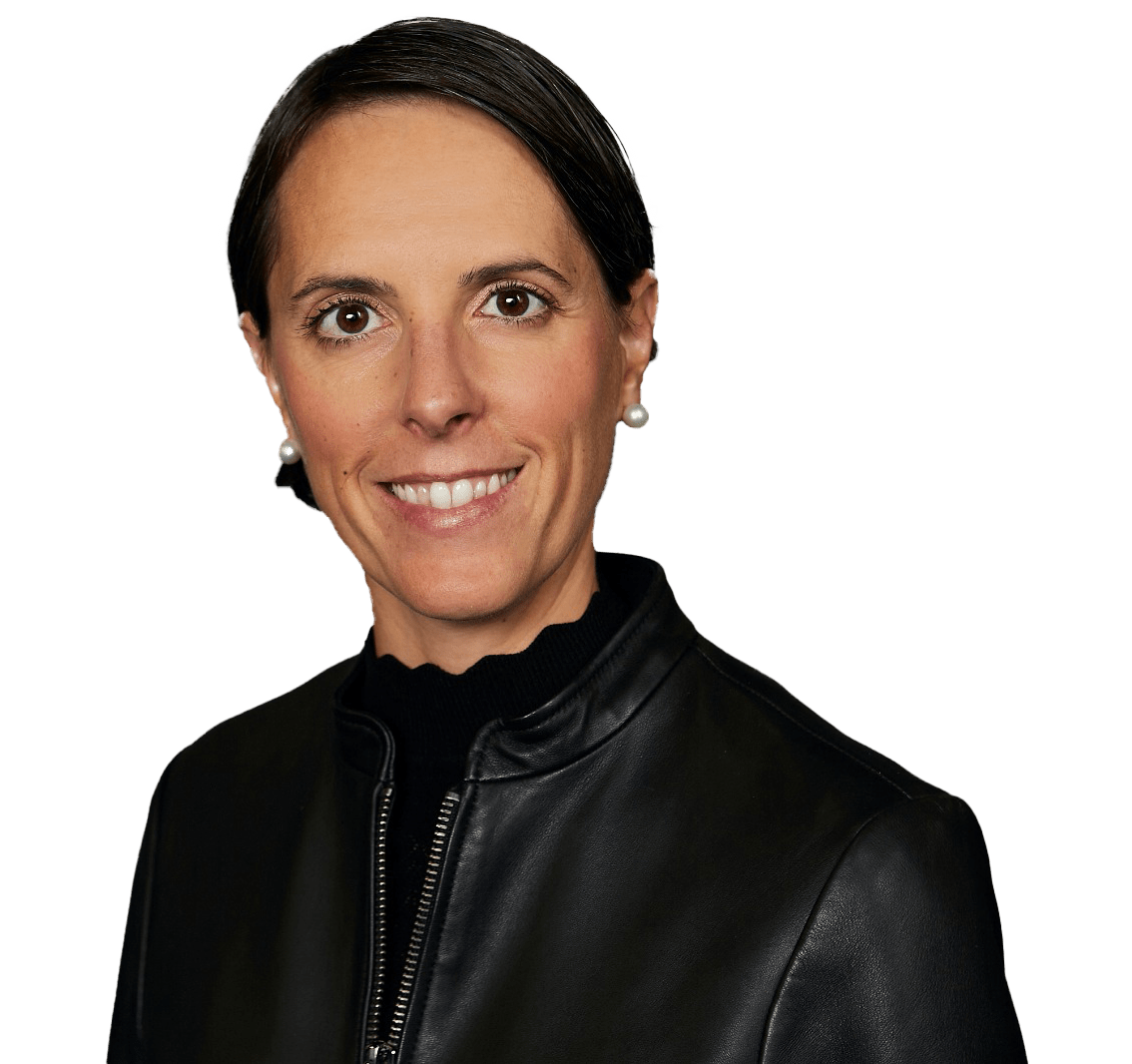
The software problem hiding in every company's books
Every company runs on software it can barely see. A subscription signed by one team, a renewal buried in another's card statement, a tool nobody remembers approving. Multiply that across departments and the picture gets expensive and blurry at the same time. Cristina Vila Vives spent more than ten years inside financial operations, close enough to that sprawl to know it wasn't a rounding error. It was a pattern.
Before she was a founder, she led operations teams in the financial industry, stacking postgraduate study in human resources, psychology, business and finance on top of the day job. It is an unusual mix for someone who would go on to build a fintech, and it shows in how she talks about the work: less about payment rails, more about the people and habits that create the mess in the first place.
A dreamer and a doer.
In 2018 she founded Cledara alongside co-founder Brad van Leeuwen, who runs operations as COO. The idea was straightforward to state and hard to build: give any company a single place to buy, track and control its software subscriptions. Cledara acts as a system of record for the tools a business runs on, centralizing payment and management so finance teams stop chasing charges after the fact. The company says the result is roughly a 30% cut in software costs and more than 20 hours a month saved on finance admin.
Crossing the Atlantic, faster than planned
Cledara grew first across Europe. The move into the United States was not on a neat roadmap - it was pulled forward by customers. International companies already using the platform in Europe wanted the same visibility and savings in America, and the demand arrived before the plan did. Vila Vives is direct about why the US mattered enough to chase.
You have to be there if you want to own big ideas.
The timing was awkward. She launched in the US during pandemic-era travel restrictions, unable to simply fly over and set up shop. Cledara leaned on partners to bridge the gap, and became the first company to use Bond's Embedded Credit platform - a bet on being early rather than waiting for a proven path. Her read on the two markets was that the underlying job never changed: "The problem we are solving in the two markets is the same."
Founder's focus
Ask her about how a company should run and the conversation keeps returning to focus. She talks about organizational layers as a tax on speed - every extra layer slows decisions and demands more resources and more time. It is a pragmatic view from someone who spent years watching how process either sharpens a team or smothers it. The instinct to keep decisions close to the ground shows up in how Cledara is built: distributed across offices in Denver, London and Barcelona, but pointed at one problem.
The recognition has followed the work. Forbes has listed her among the business leaders changing the world for what she has built with Cledara. She tends to steer that kind of praise back toward the concrete - the customer who just clawed back a workweek's worth of admin, the finance lead who can finally see every tool the company pays for. The mission she describes is older than the company: a lifelong pull to build something that helps people. Cledara is what that looked like once she pointed it at a problem she knew cold.
What makes the story land is how ordinary the problem is. There is nothing glamorous about reconciling invoices or hunting down a forgotten subscription. But unglamorous problems are where real money and real hours hide, and Vila Vives built a company by taking that seriously when most people looked past it. The pitch to investors - and the Series A that followed - rested on exactly that: software spend is a mess in almost every company, and someone had to make it simple.
Today Cledara sits at more than a thousand customers, a platform for finding, buying and controlling software that started as one operator's frustration with a problem she kept meeting. She still frames the ambition plainly. Build a company that helps people. Own big ideas by showing up where they are decided. Keep the focus tight enough to move.