distribution
(67)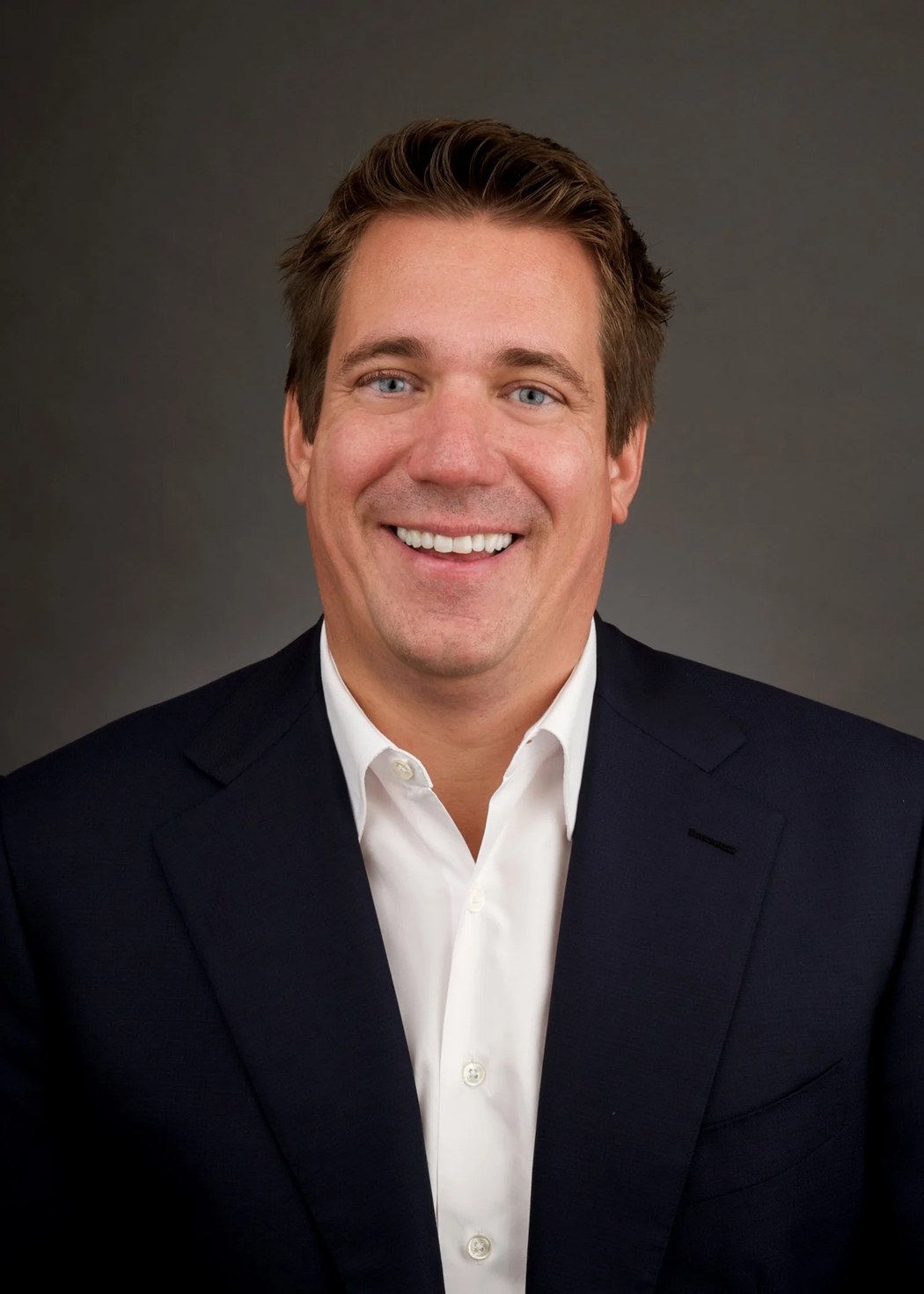
Doug Robison and the business after the sale
Doug Robison joined DSI in 1986, when satellite equipment was the family business. Four decades later, his attention is on what happens after a dealer wins a customer.

DSI knows the sale isn’t finished.
A satellite distributor grew into the machinery behind telecom dealers. Its next target is the awkward space between winning an order and getting paid.
DCKAP makes the systems agree.
A distributor can have a beautiful website and still sell stock it does not have. DCKAP built its business around the unglamorous job of keeping the back office and the buy button in agreement.

Amla Commerce makes room for the complicated order
A team jersey. A dealer price. A thousand storefronts. Behind ordinary purchases, Amla Commerce builds software for the rules that make selling complicated.
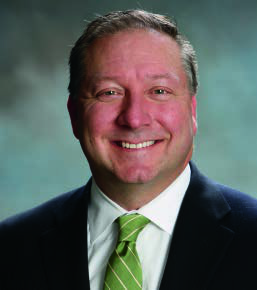
Dan Watkoske and the distance between an order and a promise
He began as a paper sales trainee in 1989. Now, as Alside’s CEO, Dan Watkoske leads a national supply-center network where the next chapter depends on what happens close to the customer.
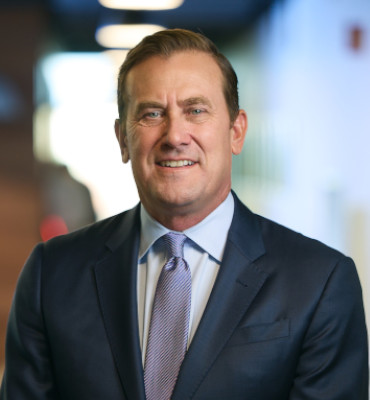
Aaron Erter and the distance between a wall and a deck
After a career in tools, paint and manufacturing, Aaron Erter brought siding and decking under one roof. Now the James Hardie CEO has to turn an acquisition into something that works for the people building the house.

Associated Materials and the missing window
A house can wait on one window. Associated Materials is spending on factories, software and a three-business reset to make that wait less likely.

Oncor and the $47.5 billion power problem
Texas can order another data center in an afternoon. Building the grid to serve it takes years. Oncor lives in the gap.

Franklin Electric goes below the surface.
A motor is only the beginning. Franklin Electric built a $2.13 billion business around the pumps, controls, and people that keep water and fuel moving.

Jet Lee and the business of getting there
Before J&T Express, Jet Lee built a career getting phones into people’s hands. His next business took on everything else that could fit inside a parcel.
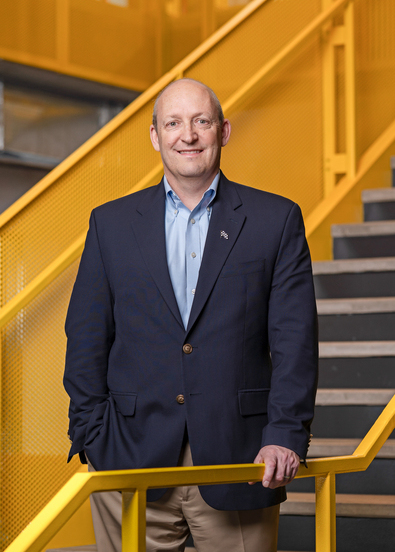
Shane O’Kelly and the distance between a part and a promise
A used Toyota helped make him a car enthusiast. Army command and a career in distribution taught him about delivery. At Advance Auto Parts, Shane O’Kelly is trying to bring those lessons to the counter.
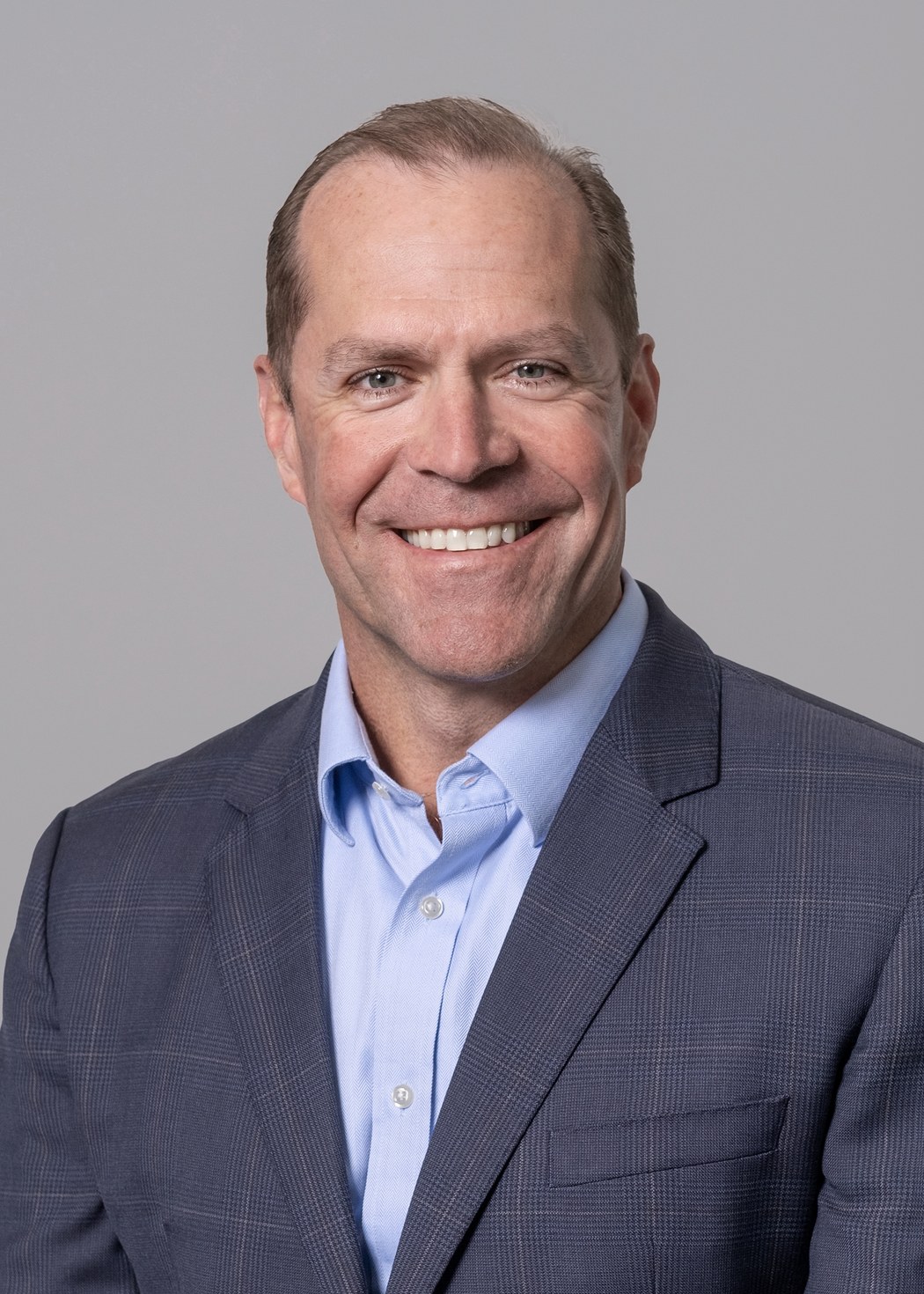
Gunner Smith and the long way back
He left Ply Gem in 2008 and returned to its parent company as CEO in 2025. Between those jobs, Gunner Smith learned what happens when the customers you know need more than the factories can make.
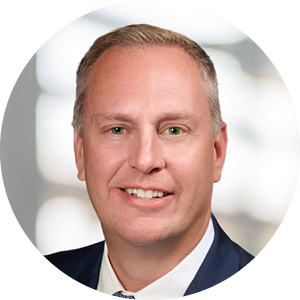
Mark Witkowski and the business beneath your feet
He joined the waterworks business in 2007 and spent years building its financial machinery. Now Core & Main CEO Mark Witkowski is responsible for keeping a much larger network moving, without losing its local knowledge.
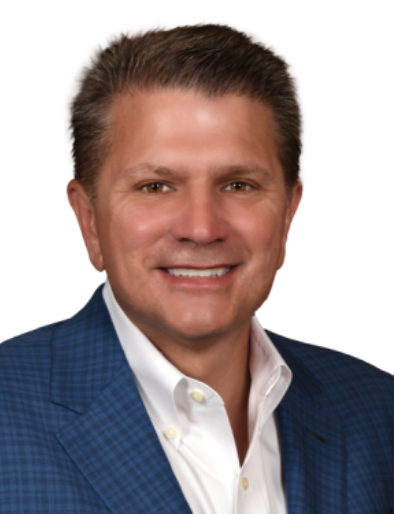
LT Gibson’s very big bet on staying local
He started US LBM with 16 locations in 2009. As the business grew into a national network, LT Gibson kept returning to a deceptively difficult question: how much should a local company change when someone buys it?

Tim Cofer and the view from the supermarket shelf
He began by auditing stores. After decades in chocolate, pizza and pet supplies, Tim Cofer is leading Keurig Dr Pepper through an acquisition that will change the shape of the company.
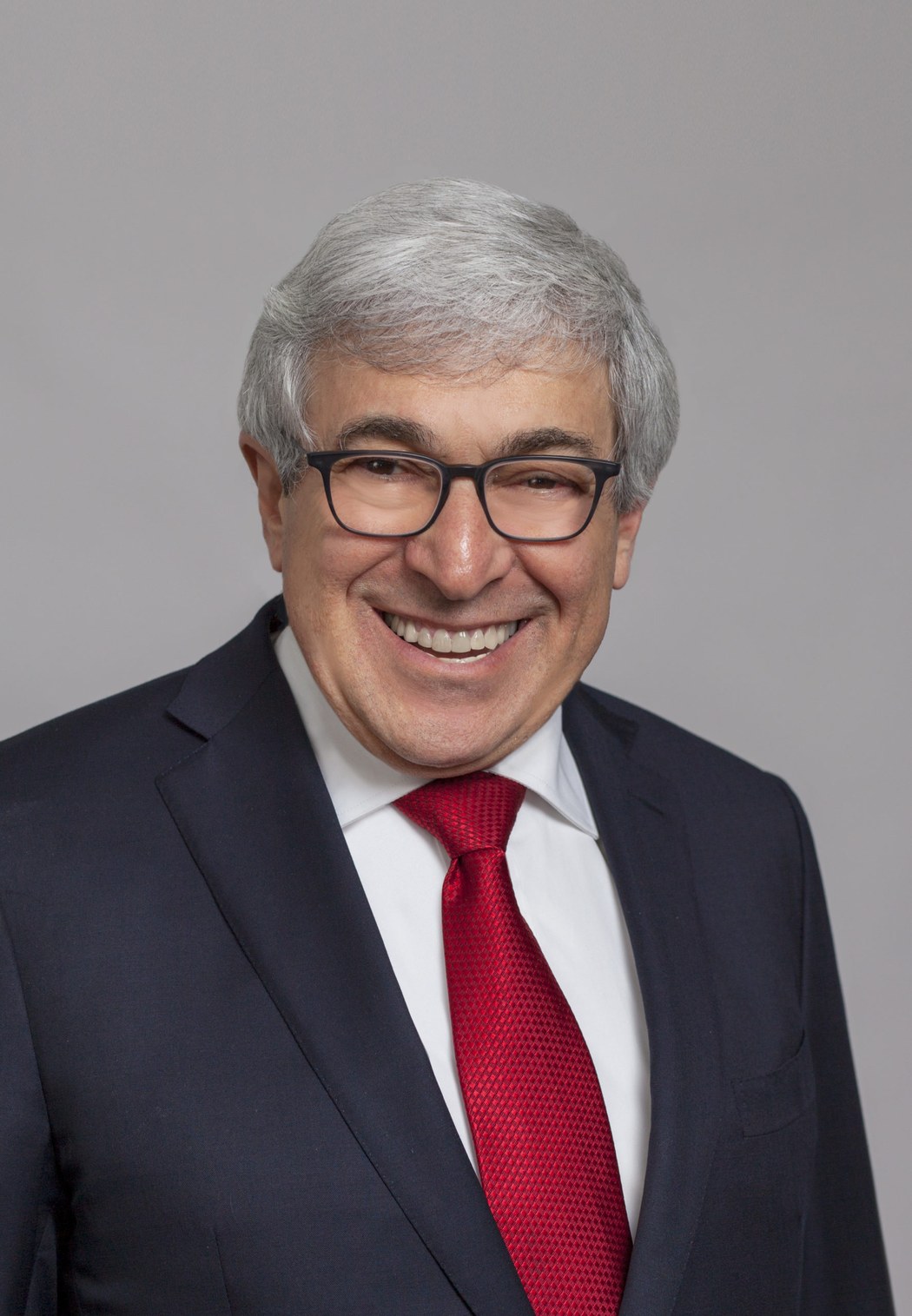
Stanley Bergman and the summer-camp theory of business
Before he led Henry Schein for more than 35 years, Stanley Bergman learned commerce in a family shop and leadership at summer camp. His long career asks a practical question: how do you keep everyone in the game?
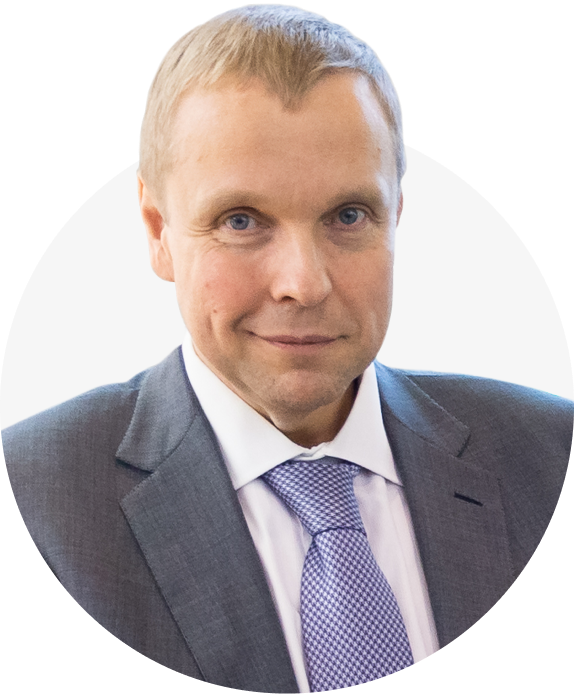
Sergey Pronin and the distance between a factory and a field
From Russian distribution depots to Brazilian crop tours and Baltic ports, Sergey Pronin’s career follows the practical business of getting fertilizer to the people who use it. In March 2026, he became First Deputy CEO of PhosAgro.

Acumatica APAC: Let everyone in.
An ERP system gets more useful when the people doing the work can actually use it. Acumatica’s Asia-Pacific operation brings that idea to growing businesses - with a pricing model that changes the conversation.

Cédric Varasteh and the business of putting the internet together
He founded ETC in 1993 and spent three decades assembling the telecom supplier that became Netceed. His story runs through warehouses, acquisitions, a carefully prepared handover and a company that kept changing after he left the CEO’s chair.
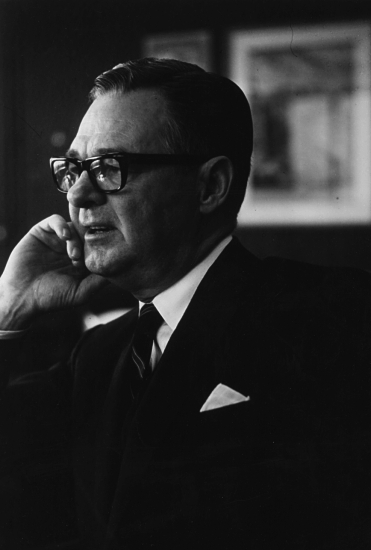
Herman W. Lay and the job he almost refused
He doubted there was a future in potato chips. Then Herman W. Lay took the sales job, built a snack business, and helped bring Frito-Lay and Pepsi-Cola together.
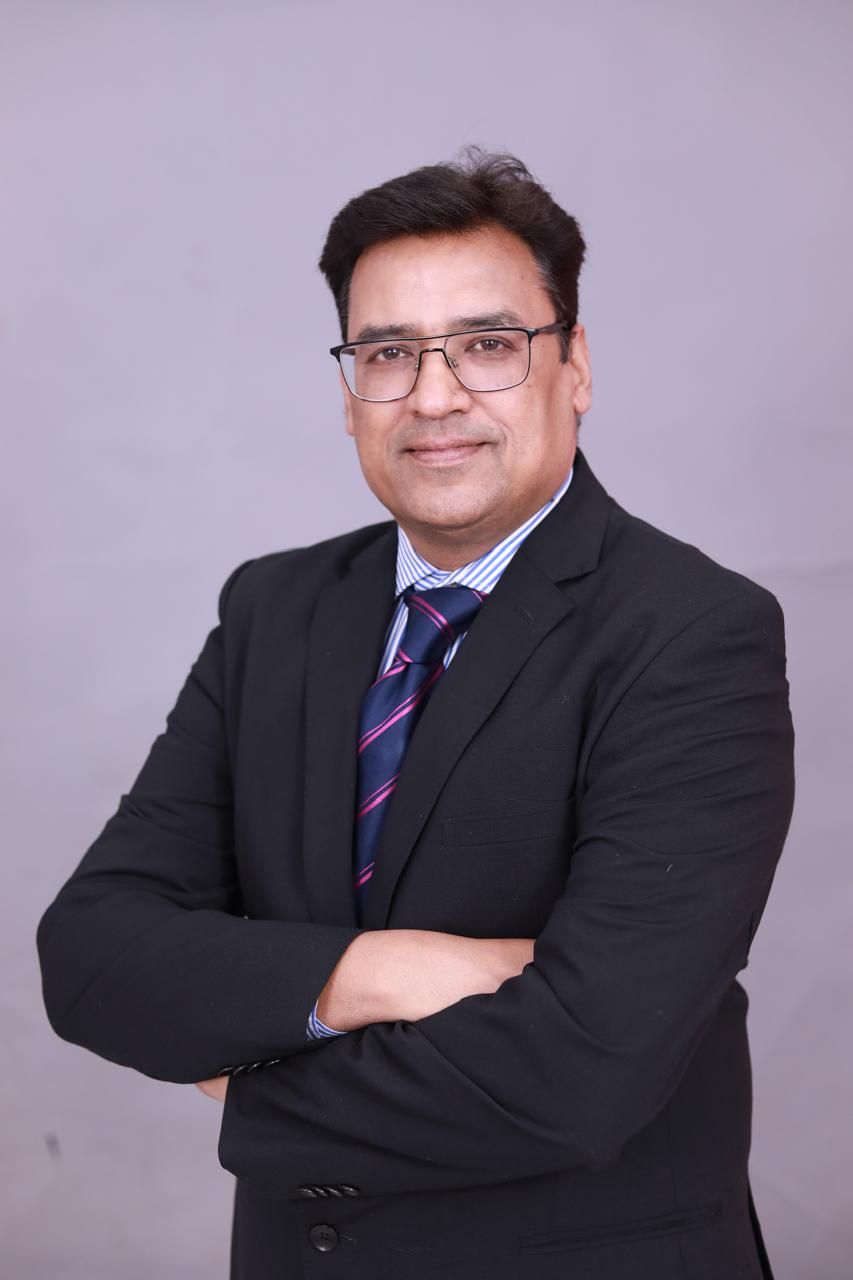
Dinesh Lodha and the value of a step down
A move from finance into a lower-ranking supply-chain job helped Dinesh Lodha reach the CEO’s office. At Medikabazaar, that winding career now meets a demanding assignment: making growth pay its way.

Infravision’s flying fix for the power grid starts on the ground
A drone gets the attention. A puller, a rope and a practiced crew do the rest. Infravision’s bet is that changing this small piece of grid construction can make a much larger machine move faster.

Bender Warehouse Co.: The $3.1 Million Warehouse Built to Keep Candy Cool
A Reno logistics business made room for candy, washing machines and other people’s complications. Its story explains why a warehouse earns its keep by doing much more than holding boxes.
Zilliant and the price that got away
A price list is a promise. Ten million manual discounts can make it fiction. Zilliant sells the machinery that keeps B2B pricing attached to reality.

Why Brandcreative has a warehouse
A creative agency with 30,000 square feet of warehouse space has a different idea of a successful campaign. At Brandcreative, the work can run from the first product sketch to the package on the doorstep.

Tecman sells a better day in the warehouse
The Wolverhampton Microsoft partner turns stock, orders and factory data into one working system. Its most revealing offer puts a £45,000 price on a tightly defined slice of that ambition.

Metrie Built a 100-Year Business by Cutting the Paint Job in Half
The family-owned millwork company survived a century by turning trim from an afterthought into a system. Its most useful lesson for builders is simple: sell fewer decisions, fewer job-site steps and fewer reasons for a callback.
The 123-Year-Old Private Equity Firm That Starts Planning the Exit on Day One
HKW reviews more than 1,000 opportunities a year, then applies a four-team system to the few it buys. The unusual part is not the funnel - it is that the exit team gets involved as soon as the deal closes.

The Quiet Holding Company Behind America's Walls, Ceilings and Firewalls
A private, people-first investment firm in suburban Kansas City has spent two decades assembling a coast-to-coast family of specialty construction companies - and betting that patient ownership beats the quick flip.

The Fund That Never Sells: How Tide Rock Turned 21 Boring Businesses Into a $1 Billion Machine
Most private equity firms rent companies for five years and flip them. Tide Rock buys them with cash, keeps them forever, and mails owners a check every quarter. It is a quieter idea - and it has compounded into more than a billion dollars of buying power.