neuroimaging
(5)
Alex Zimmerman Is Making Brain Chemistry Legible
An engineer met a spectroscopy scientist in a hospital brainstorm. A decade later, their software is turning unruly signals into something clinicians and researchers can read.
The MRI Already Has a Chemistry Lab. BrainSpec Wants Doctors to Use It
Most MRI scans show anatomy. BrainSpec reads the chemical signals hiding in the same machine - and turns an expert-only technique into a report designed for clinical use.
Omniscient Neurotechnology (o8t)
Omniscient Neurotechnology (o8t) is a Sydney-based brain-mapping company that uses AI and machine learning to turn ordinary MRI scans into detailed maps of the brain's electrical networks, or connectomes. Its flagship FDA-cleared platform, Quicktome, gives neurosurgeons a patient-specific view of the pathways responsible for speech, movement and cognition before they operate, while its research platform, Infinitome, helps scientists study how diseases like Alzheimer's, epilepsy and schizophrenia disrupt brain connectivity. Founded in 2019 and led by CEO Stephen Scheeler, the company has raised roughly US$124 million to date and is expanding connectomics into stroke, movement disorders and brain-computer interfaces.
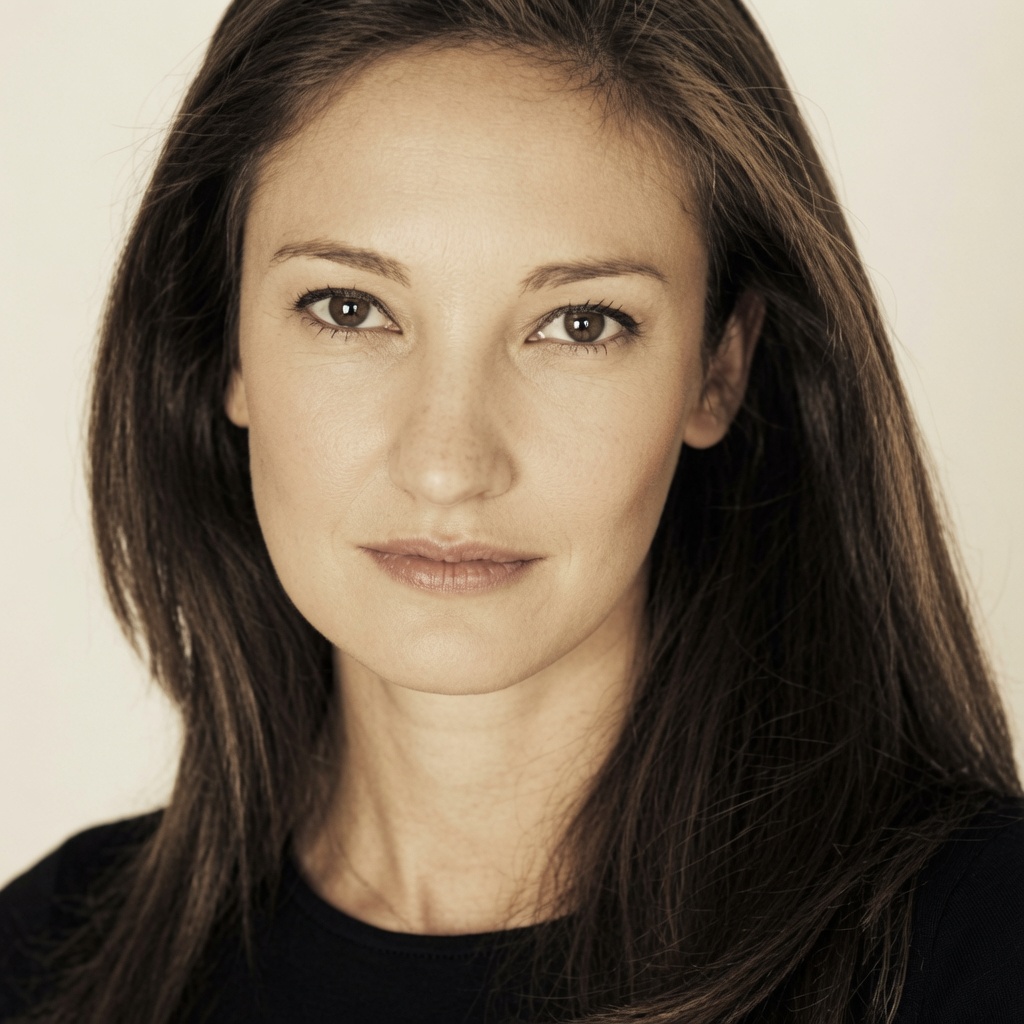
Megan McGill
Megan McGill, M.D., Ph.D., is the chief executive officer and a board member of Brenig Therapeutics, a clinical-stage neuroscience biotech using an AI-based discovery platform to build small-molecule treatments for neurodegenerative disease. She took the role on October 30, 2025, to steer Brenig's lead Parkinson's program, the LRRK2 inhibitor BT-267, through early human trials. Trained in MRI physics and neuroimaging at NYU and in radiology at Memorial Sloan Kettering, she traded the reading room for the boardroom, building a decade-long run that spans McKinsey consulting, business development at BridgeBio and Regenxbio, and the CEO seat at Epitor, Regel, and HitchBio.
Neural Galaxy
Neural Galaxy (also operating as Galaxy Brain Scientific) is a Beijing-based brain science company building a precision, non-invasive neuromodulation platform. Its proprietary personalized Brain Functional Sectors (pBFS) technology maps over 200 functional regions of an individual brain, then guides targeted transcranial magnetic stimulation with millimeter accuracy. Founded in 2019 by Harvard and MIT neuroscientists with serial entrepreneur Coach Wei, the company is running clinical and registration trials across depression, Parkinson's, Alzheimer's, autism and aphasia, and has raised roughly $93M to date.