neurosurgery
(14)
CereVasc takes the long way to the brain
A vein in the leg is an unlikely entrance to hydrocephalus treatment. CereVasc is testing whether that detour can spare patients the burdens of conventional shunt surgery.

Precision Neuroscience Wants Your Brain to Keep Its Surface Intact
A film of 1,024 electrodes sits on the cortex without piercing it. Precision is using that design to build a business in brain mapping - and a path toward computer control for people with paralysis.
The Company That Refuses to Let a Surgeon Fly Blind Through Your Nervous System
For twenty years, one Las Vegas-founded company has been the second set of eyes in thousands of operating rooms - watching the nerves surgeons can't see and sounding the alarm before a slip becomes a lifelong deficit.
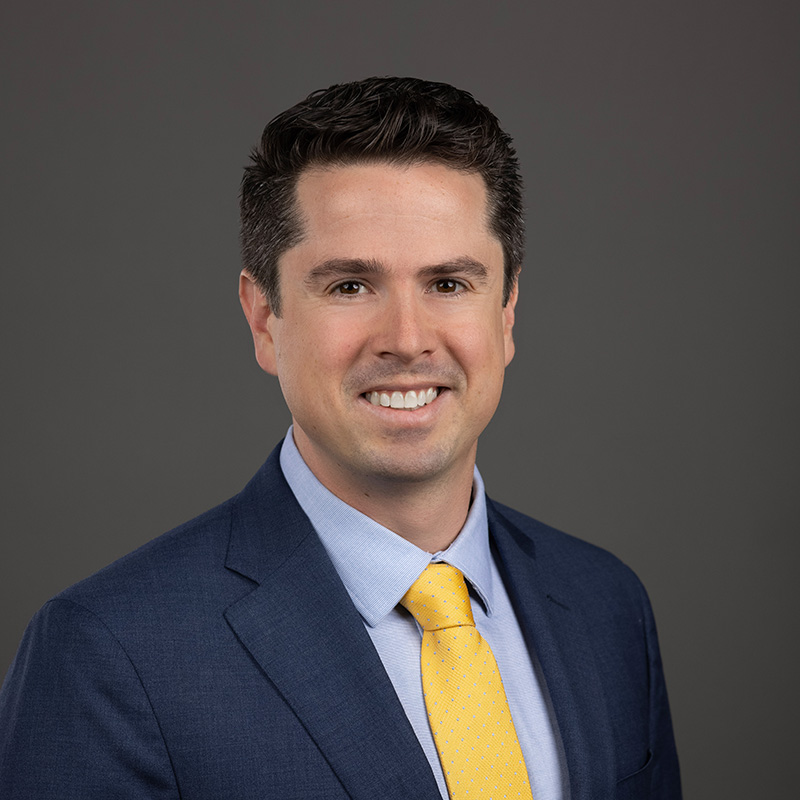
Adam Azzara
He turned a fiddly, high-stakes moment in spine surgery into a business - and put a small Austin device company on shelves next to Medtronic.
Omniscient Neurotechnology (o8t)
Omniscient Neurotechnology (o8t) is a Sydney-based brain-mapping company that uses AI and machine learning to turn ordinary MRI scans into detailed maps of the brain's electrical networks, or connectomes. Its flagship FDA-cleared platform, Quicktome, gives neurosurgeons a patient-specific view of the pathways responsible for speech, movement and cognition before they operate, while its research platform, Infinitome, helps scientists study how diseases like Alzheimer's, epilepsy and schizophrenia disrupt brain connectivity. Founded in 2019 and led by CEO Stephen Scheeler, the company has raised roughly US$124 million to date and is expanding connectomics into stroke, movement disorders and brain-computer interfaces.
AiM Medical Robotics
AiM Medical Robotics is a Worcester, Massachusetts medical device company building a portable, MRI-compatible surgical robot that lets neurosurgeons operate under continuous, real-time MRI guidance. Spun out of Gregory Fischer's Automation and Interventional Medicine (AIM) lab at Worcester Polytechnic Institute, the platform aims to make procedures such as deep brain stimulation lead placement, biopsy, tumor ablation and targeted drug delivery faster, more precise and less variable - reducing procedure time by up to 50% and expanding access to advanced neurosurgical care.

DuraStat
DuraStat is an Austin, Texas medical device company that makes a purpose-built surgical instrument for repairing tears in the dura - the membrane surrounding the brain and spinal cord. Its handheld device automates suture passage so surgeons can create precise, watertight closures to prevent cerebrospinal fluid (CSF) leaks, even through the limited access typical of spine and neurosurgical procedures. Invented by practicing spine surgeons, DuraStat and its companion fascial-closure device TissueStat are stocked in surgical facilities across all 50 U.S. states, and in late 2024 the company entered an exclusive U.S. commercial partnership with Medtronic.
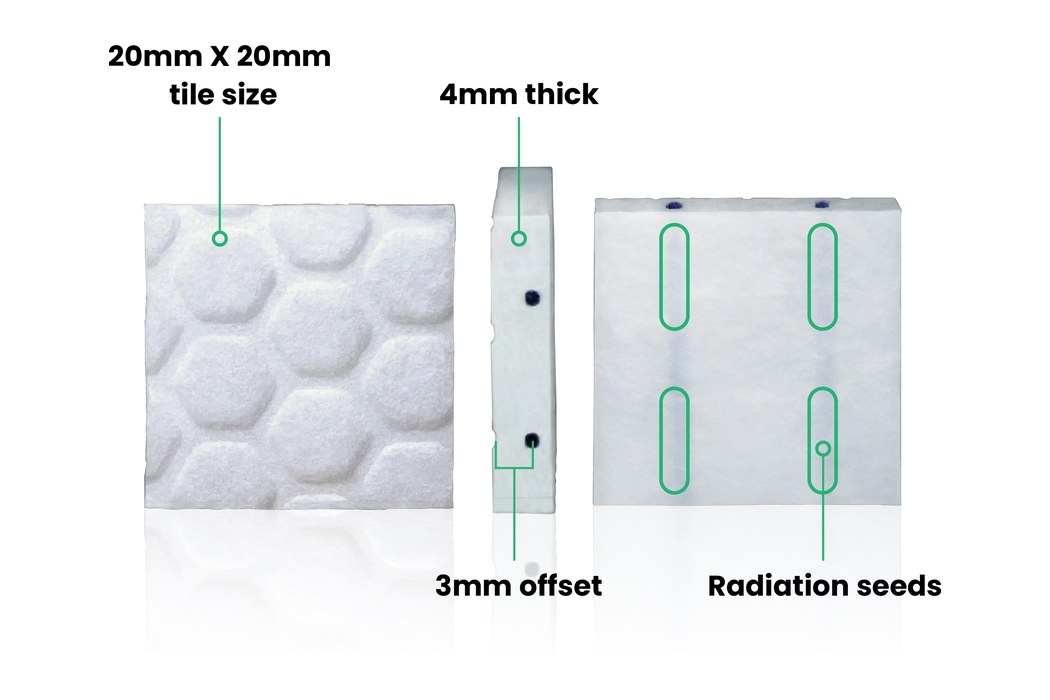
GT Medical Technologies, Inc.
GT Medical Technologies is a Tempe, Arizona medical device company that developed GammaTile, an FDA-cleared bioresorbable radiation therapy implant for operable brain tumors. Founded by brain tumor specialists from the Barrow Neurological Institute, the company places collagen tiles embedded with Cesium-131 seeds directly into the tumor cavity at the time of surgery, delivering immediate, targeted radiation while sparing healthy tissue. Backed by a $100M Series E led by Viking Global Investors, GT Medical has treated more than 2,000 patients and is pursuing randomized trials to establish GammaTile as a standard of care.
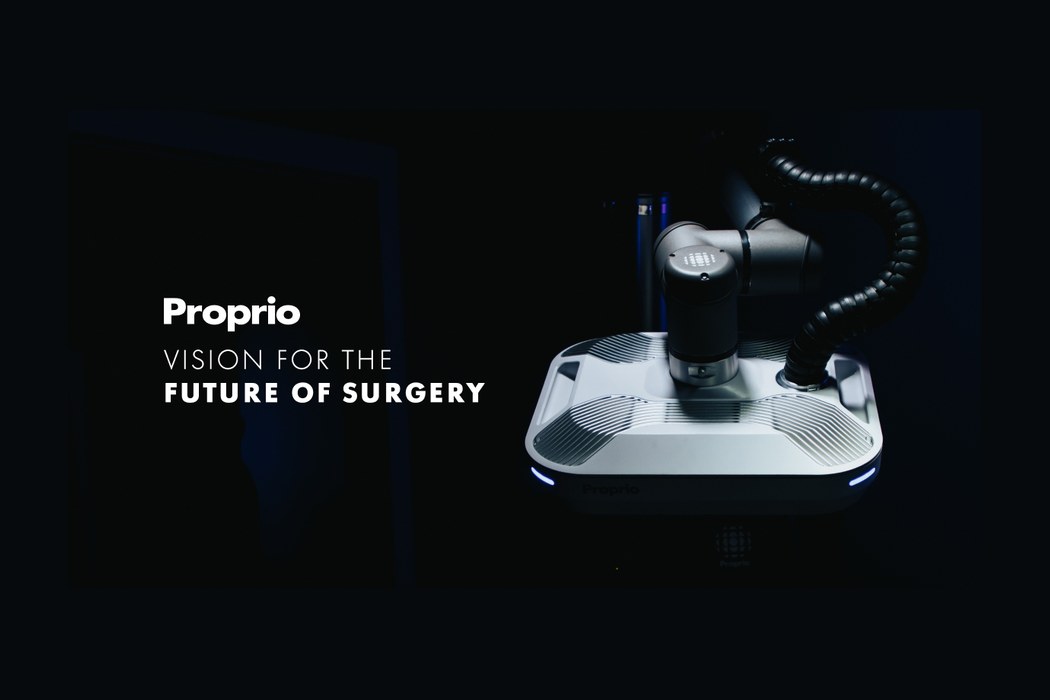
Proprio
Proprio is a Seattle medical technology company building an AI-powered surgical navigation platform, Paradigm, that uses light field imaging, computer vision, and machine learning to give surgeons a continuous, radiation-free 3D view of anatomy during spine surgery. Spun out of the University of Washington in 2016, the company fuses live intraoperative sensing with preoperative scans - a capability it calls Volumetric Intelligence - to improve precision, capture surgical data, and build a foundation model for surgery.
Gregory Fischer
Gregory Fischer is the co-founder and CEO of AiM Medical Robotics, a Worcester, Massachusetts company building a portable, MRI-compatible surgical robot for neurosurgery. A robotics engineer with a PhD from Johns Hopkins, Fischer spent nearly two decades as a professor at Worcester Polytechnic Institute, where he directed the Automation and Interventional Medicine (AIM) Robotics Lab and founded the PracticePoint medtech R&D center. He turned his NIH-funded research into a company aiming to bring real-time image guidance and submillimeter robotic precision into the operating room, with a first-in-human clinical study on the horizon after a $8.1 million Series A in 2025.

eXeX
eXeX (short for eXpanded eXistence) is an Orlando-based medtech company building a Surgery Intelligence platform that captures a surgeon's setup knowledge and delivers it - as playbooks, checklists and holographic guides - to every member of the operating-room team, on every device. Founded in 2022 by neurosurgeon Dr. Robert Masson, the company targets the unglamorous logistics of surgery: room setup, instrument sequencing, staff onboarding and workflow tracking. In 2024 it became the first company to bring Apple Vision Pro into a live operating room as an organizational tool, and it raised a $5.8M seed round to fund a commercial launch across the US and UK.
Nervio
Nervio is an Israeli-American digital health company building AIM, an AI-powered intraoperative neuromonitoring (IONM) system that turns raw surgical signal data into real-time alerts and recommendations. Founded in 2020 by brothers Dr. Omer Zarchi and Nir Zarchi, the company aims to prevent avoidable paralysis and nerve injury during spine and neurosurgery at a time when the number of surgeries is climbing and the pool of expert neurophysiologists is shrinking. Nervio operates from Nashville, Tennessee with an R&D center in Israel, and its technology has been developed with input from dozens of neurophysiologists across more than 1,000 surgical cases.
Rich Vogel
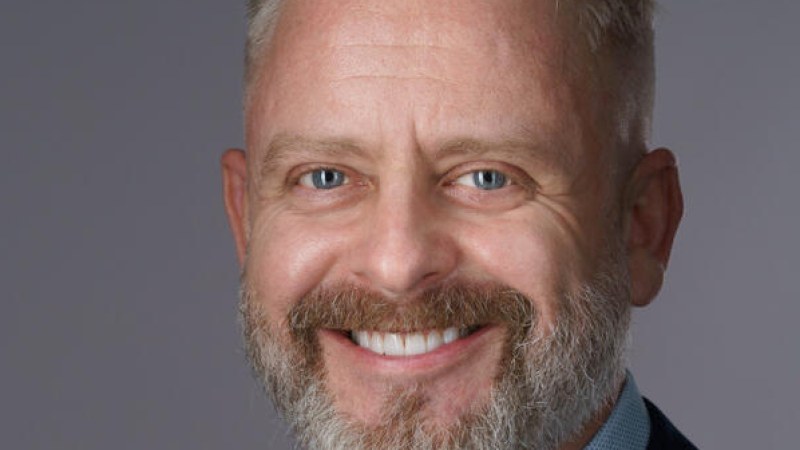
Rich Vogel is the US CEO of Nervio, an Israeli HealthTech startup building the first AI platform designed specifically for intraoperative neurophysiological monitoring (IONM). A board-certified neurophysiologist with PhDs in both neuroscience and psychology, Vogel is a two-time elected president of the American Society of Neurophysiological Monitoring (ASNM) and one of the most widely recognized voices in the field. He has given more than a thousand talks across clinical, academic, and professional audiences, and now leads Nervio's push to turn raw streams of surgical brain-and-spine signals into real-time alerts that help operating-room teams catch neurologic risk earlier.
ZAP Surgical Systems, Inc.
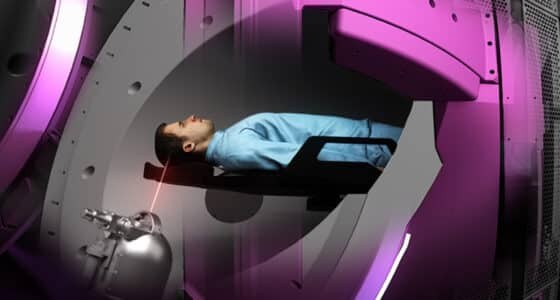
ZAP Surgical Systems is a San Carlos, California medical device company that designed and manufactures the ZAP-X Gyroscopic Radiosurgery platform - a self-shielded, vault-free system for non-invasive treatment of brain tumors and other intracranial conditions. Founded by Stanford neurosurgeon and CyberKnife inventor John R. Adler, ZAP is on a mission to democratize stereotactic radiosurgery by eliminating the need for radioactive isotopes and concrete bunkers.