emerging-markets
(119)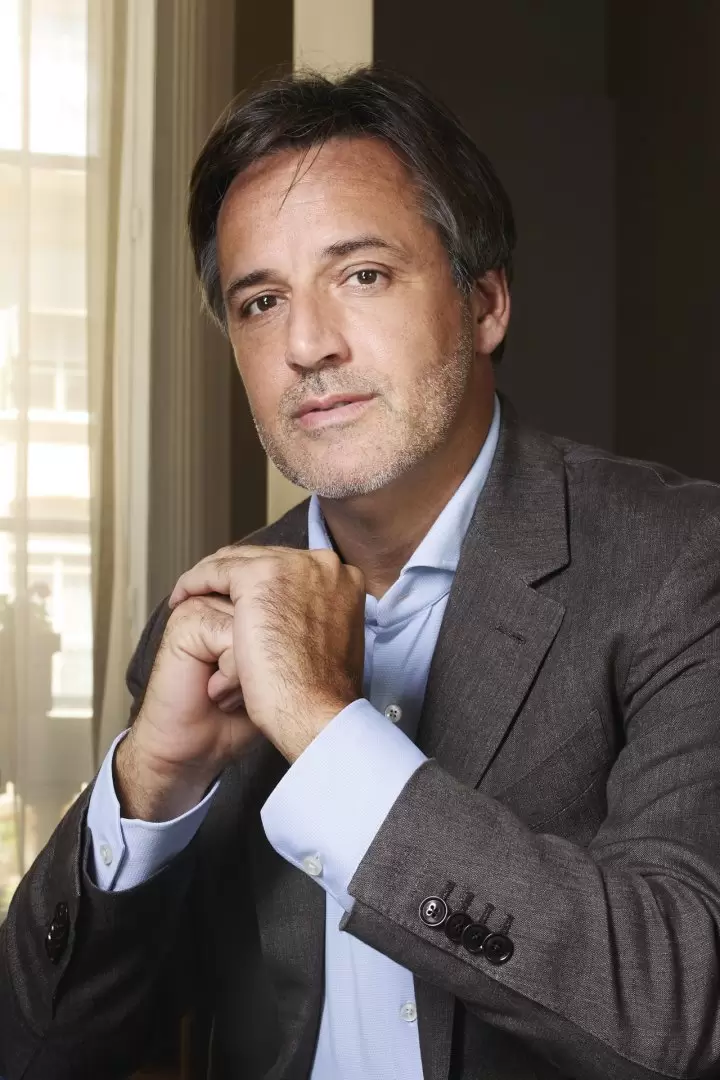
Gaston Taratuta and the business of everywhere else
The Aleph founder built a business around the countries that global platforms struggled to serve. His next chapter follows the money - and the people learning to earn it.

Wade Eyerly and the price of a little certainty
He helped turn airline tickets into a monthly subscription, then tried to put a guarantee behind a college degree. Wade Eyerly keeps returning to the same question: who should carry the risk?
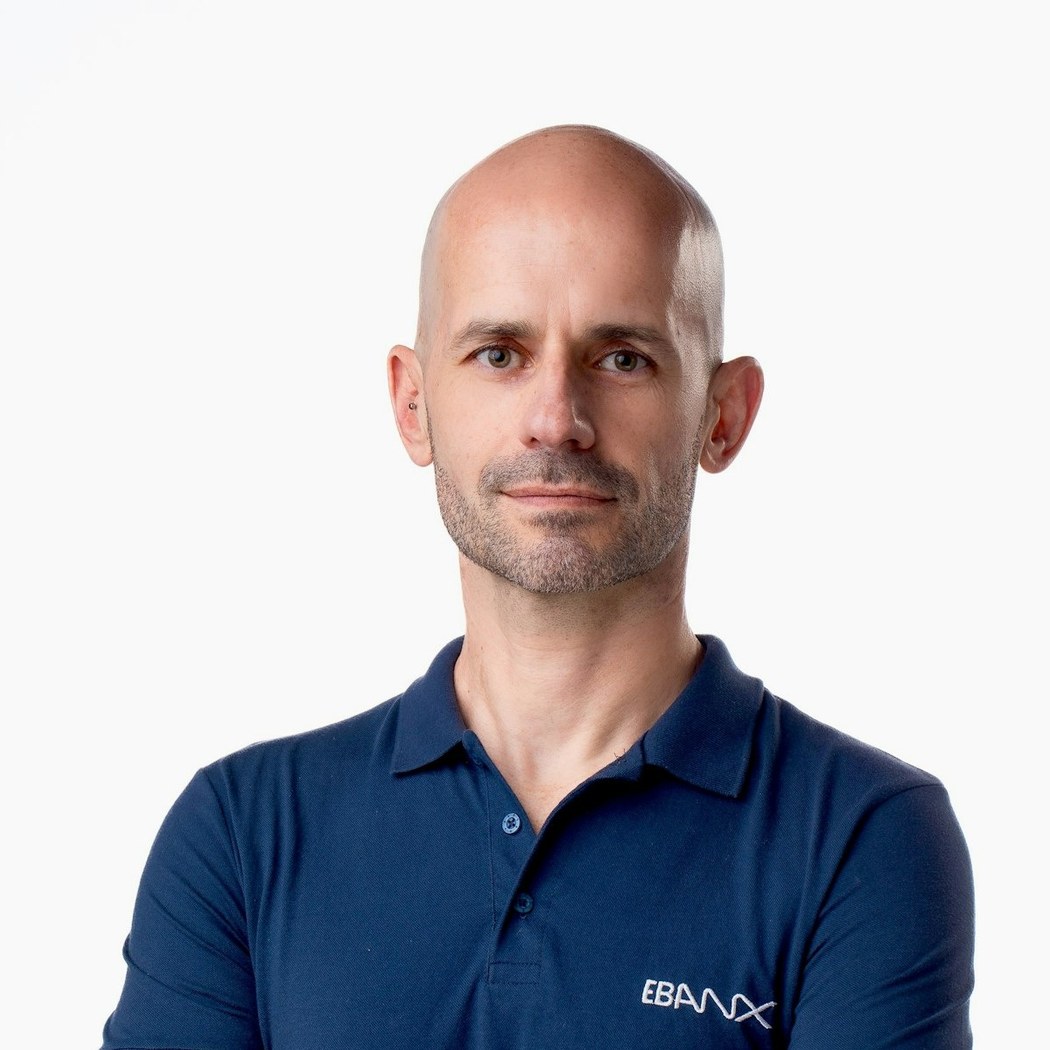
João Del Valle and the small matter of getting paid
He wrote EBANX’s first code, then learned to run the business around it. João Del Valle’s journey from Curitiba to global payments begins with an easily overlooked detail: how people actually pay.
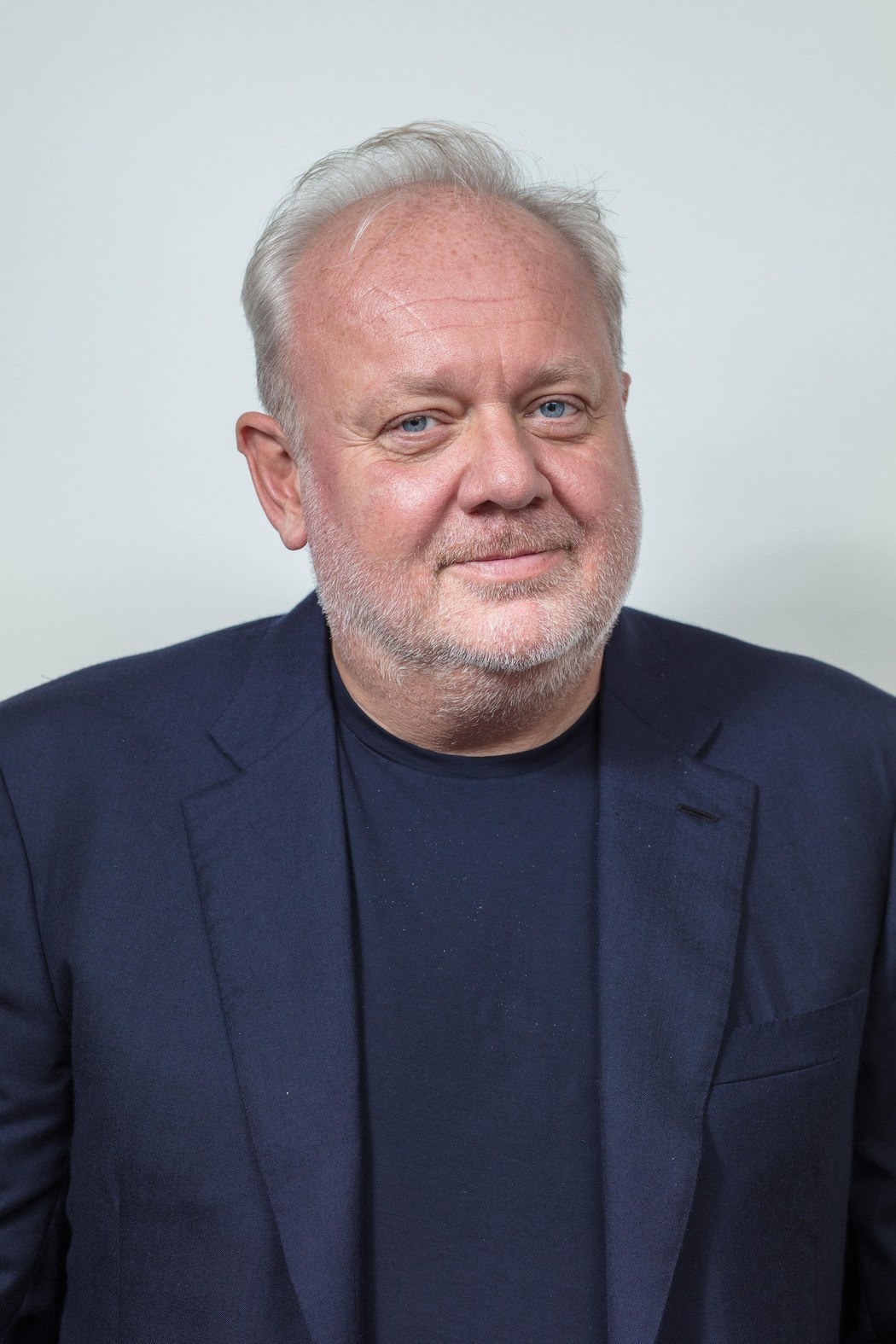
Boris Jordan and the business of being early
From Russian privatization to the cannabis business, Boris Jordan has made a career of entering markets while their rules are still being written. At Curaleaf, the investor has taken the operating chair - and another argument about what comes next.
IFC makes the next investor say yes.
The World Bank Group’s private-sector arm builds deals that other investors can join. Zambia’s solar auctions show the promise. A coal plant in India shows the price of getting the risks wrong.
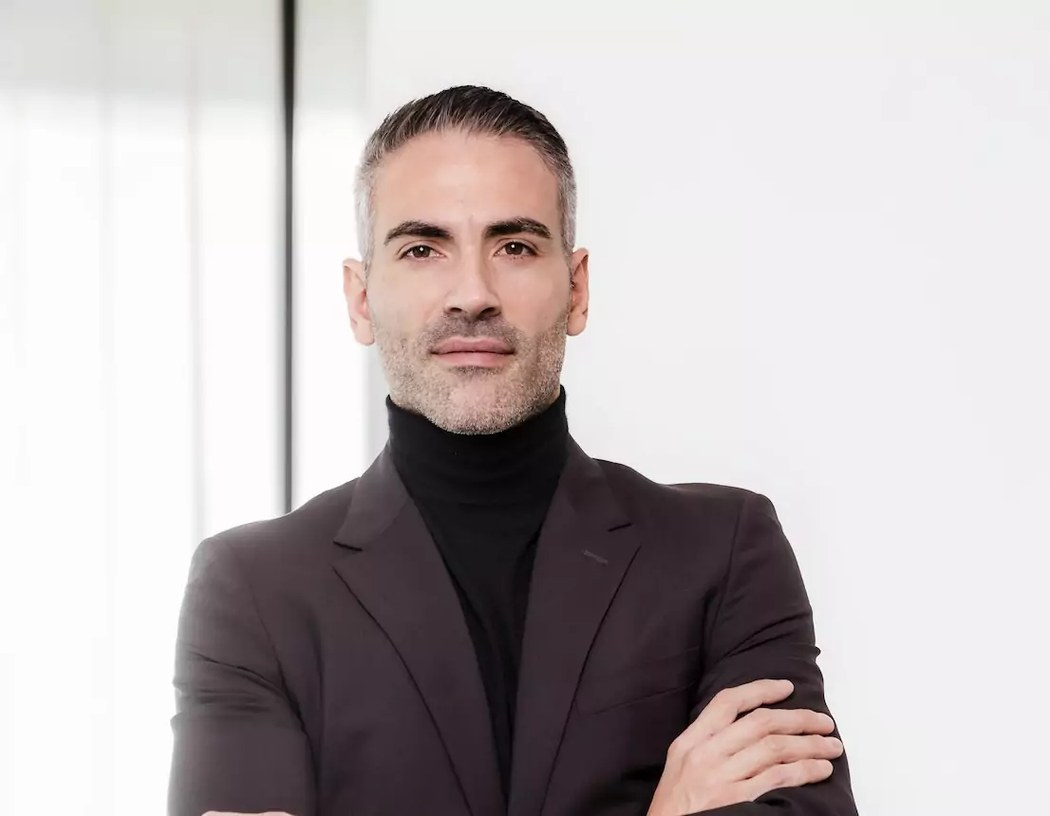
Stiven Muccioli and the advantage of starting small
From local shopping deals in Romagna to banking infrastructure across Europe, the Middle East and Africa, Stiven Muccioli keeps returning to the same problem: helping established businesses cross a digital divide.
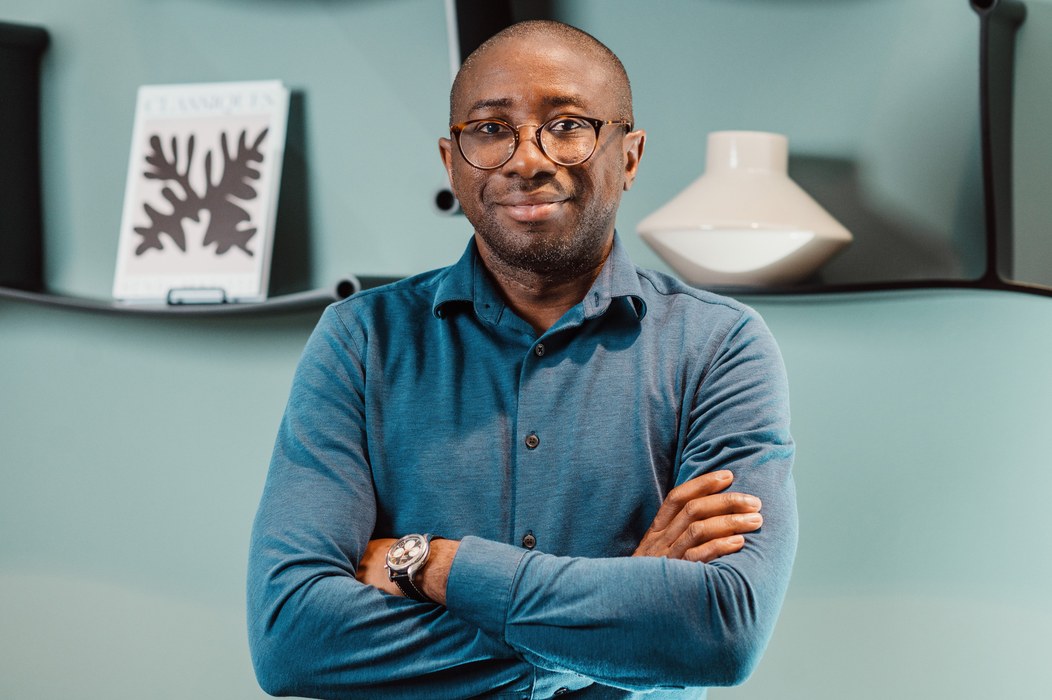
Ola Oyetayo’s bet on an ordinary payment
A poker-table conversation led Ola Oyetayo out of banking and into the business of moving money. At Verto, the Nigerian founder is working on a deceptively modest ambition: letting a company pay its bills across borders without a small ordeal.

Johnson Zhang and the art of starting again
He founded a company, joined the multinational that bought it, then returned to building his own. At Virtue Diagnostics, Johnson Zhang is putting that experience to work across borders - with local factories and local teams.

ZOLA iNTELLIGENCE puts the grid in the details
A solar panel can make electricity. ZOLA iNTELLIGENCE is betting that the harder job is running the business that keeps it flowing.
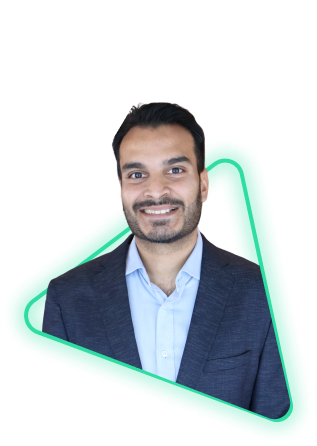
Omair Ansari and the trouble with payday
After fifteen years in finance, Omair Ansari moved to Karachi to build Abhi. His starting question was simple: why should people have to wait for money they have already earned?

Raj Kamal and the last mile of money
From India’s civil service to fintech investing, Raj Kamal has spent his career inside institutions. At TransFi, he is working on the gap between money moving across a border and money arriving ready to use.

EBANX found growth at the checkout
The Brazilian payments company built a business around a detail global merchants kept missing: people want to pay with what they already use.

Paul Sheehan and the businesses between the cracks
From supervising banks to studying Asian markets, Paul Sheehan has spent his career examining how capital moves. At SEAF, his work turns on a smaller question: what helps an overlooked business grow?

Gregory Bedrosian and the two-thirds of a deal that money cannot explain
From emerging-market investing to sports technology, Gregory Bedrosian has built a career around the people on either side of a transaction. The Drake Star CEO’s formula leaves only one-third of the job to finance.

Linda Rottenberg and the geography of a crazy idea
A taxi ride in Buenos Aires gave Linda Rottenberg a question she could not shake: what happens to talented people when nobody expects them to build a company? Nearly three decades after she co-founded Endeavor, she is still widening the map.

Wenyi Cai and the question that took her to Colombia
After helping run a Silicon Valley startup acquired by eBay, Wenyi Cai went to Colombia to listen. Her work at Polymath Ventures grew from a question about what technology could do for Latin America’s emerging middle class.
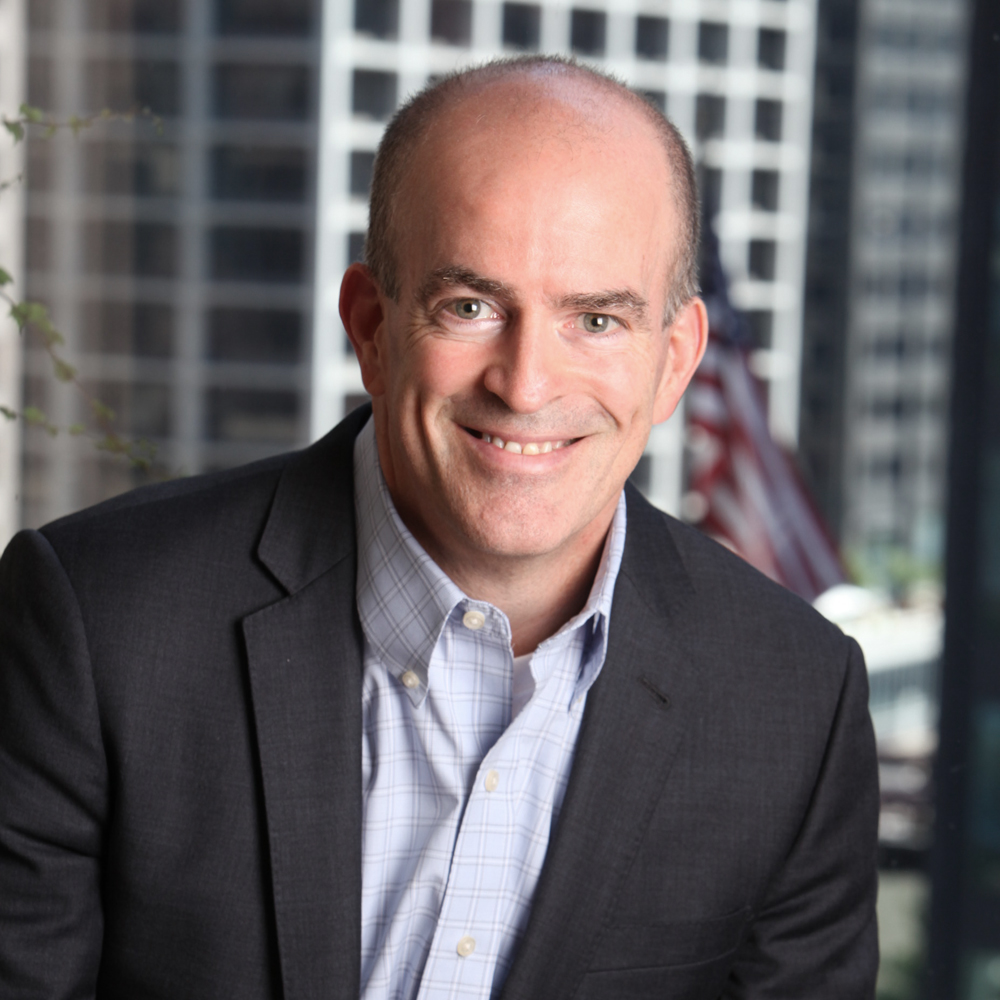
Tom Heneghan and the art of knowing what comes next
An accountant’s eye, an operator’s education, and more than three decades inside Sam Zell’s orbit. Tom Heneghan’s career traces the patient work between spotting an opportunity and building a business someone else can own.
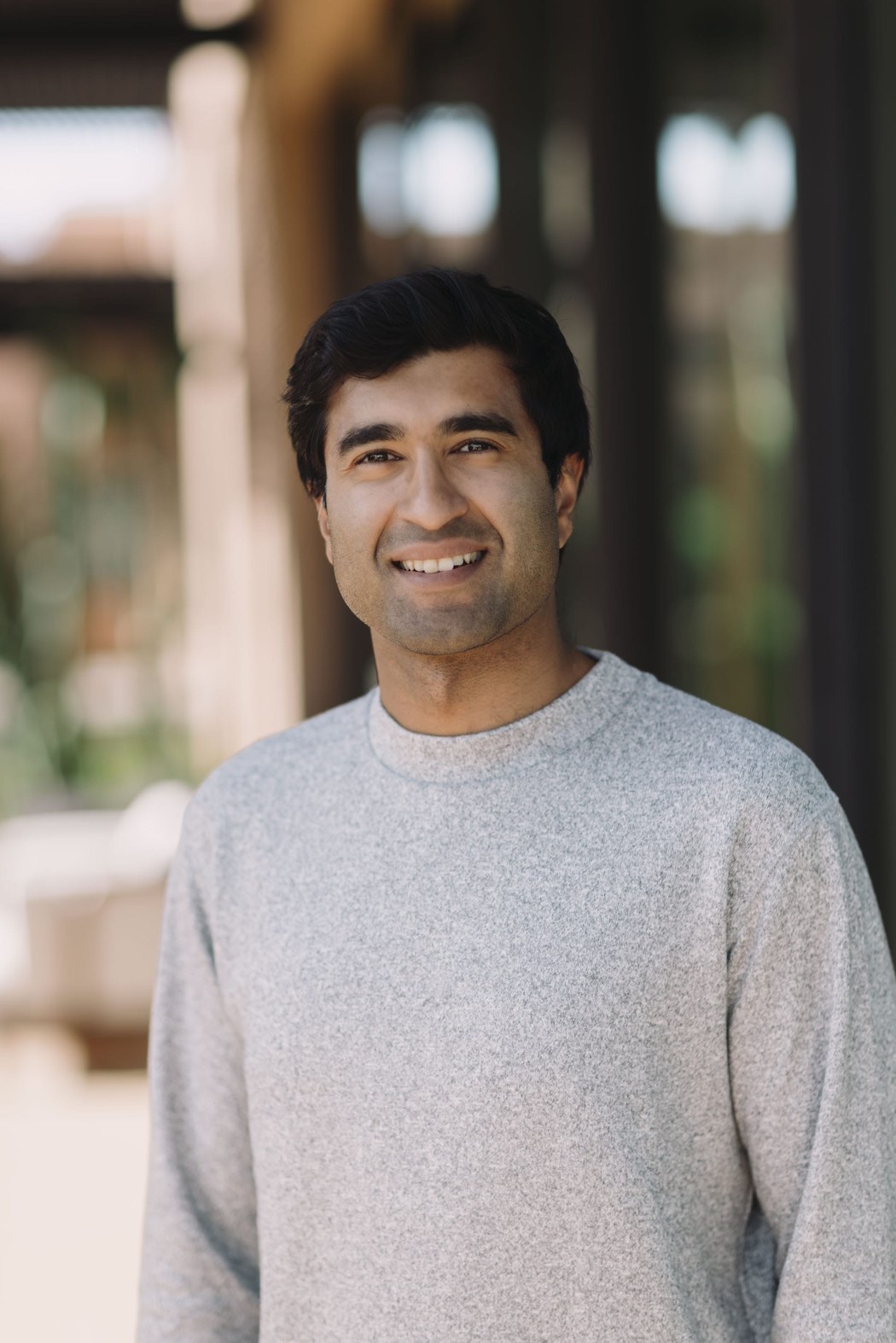
Sujay Tyle and the business of getting ahead of himself
He entered Harvard at 15, left for a Thiel Fellowship, and built marketplaces across emerging economies. At Merama, the next chapter is about financing inventory, backing founders and giving a smaller group of brands more attention.

BFA Global’s big idea: let the shopkeeper sell first
A minibus ride, a rejected delivery, a freezer paid for by the day. BFA Global finds the small frictions that keep businesses small - then helps build a way around them.

United Green makes a business of the difficult bits
A family-controlled investor turns complicated markets into solar parks, food systems and joint ventures. Its Kazakhstan projects show why the financing can matter as much as the technology.

Seedstars took the long way to venture capital
Twenty non-refundable tickets helped launch a startup competition. Seedstars turned the journey into a business connecting emerging-market founders with capital, practical training and people who can open doors.

João Del Valle and the art of getting through
He wrote EBANX’s first code, became its CEO, and found his way back to GitHub. For João Del Valle, global commerce still comes down to a local question: can this person actually pay?

Jana made the advertiser pay for your internet
A failed blood-bank texting project supplied the idea: stop asking people to pay for the privilege of helping you. Jana turned that lesson into mobile data rewards, then bet on a browser.

The Video Game Company That Learned to Sell Everywhere
Live Gamer began by helping players buy imaginary goods. As Emergent Payments, it took the harder lesson into real commerce: the last mile of a global sale is stubbornly local.

The Computer That Worked Without the Internet Became a School for Making Games
Endless set out to put a useful computer in the hands of people with patchy internet. The harder lesson was that access to a machine is only the beginning.
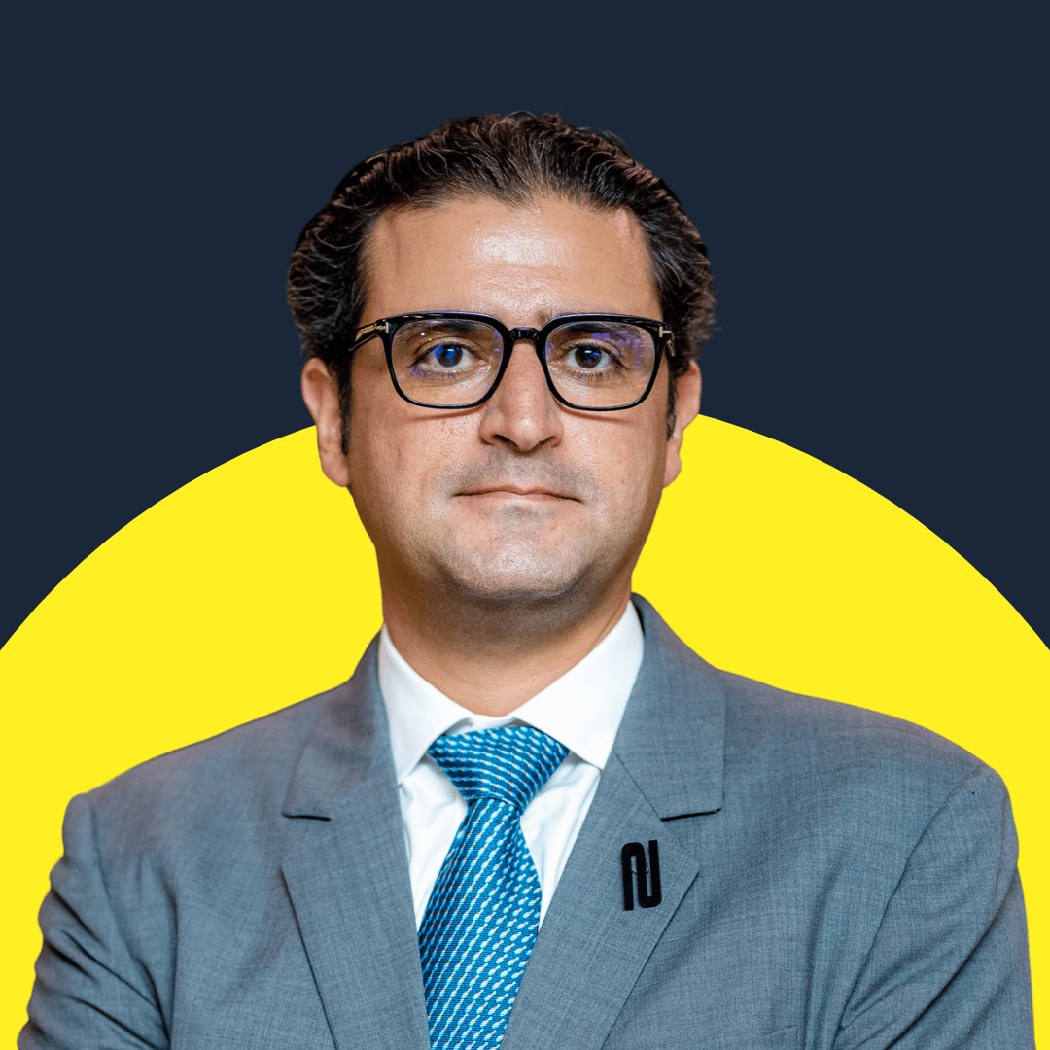
Fadl Al Tarzi and the University That Starts at the End
He began with a web-development course at 16 and built a university by reversing the usual order: read the labor market first, then write the curriculum.

The Company That Sells the Missing Ingredient in Global Health: Attention
Global Health Strategies does not make vaccines or run hospitals. It engineers the attention, alliances and political will that help health ideas travel - from village councils in Uttar Pradesh to a polio milestone watched around the world.

The Company That Builds the Room Where Power Meets
Richard Attias & Associates sells something harder to explain than an event and more valuable than a stage: a temporary center of gravity for people who rarely share a room.
Startup Wise Guys puts a price on learning to sell
The Estonia-born accelerator backs B2B founders before many investors will take the meeting. Its offer pairs capital with a demanding commercial education - and a bill worth reading.

Yunus Social Business wants your donation to work more than once
The Berlin-based organisation turns philanthropy into patient business loans and helps corporations buy from social enterprises. Its toughest lessons begin when the money stops moving.