In the usual story of a new computer, the first thing it wants is a connection. Endless began with the awkward possibility that the connection might never arrive. In homes where bandwidth was costly or intermittent, a machine that could only load a browser would be a handsome paperweight. So the San Francisco company built a desktop operating system with useful things already inside it: educational material, apps and tools that could open without asking a distant server for permission.
That simple design choice grew out of work far from a Silicon Valley product meeting. Endless spent years talking with potential users in places including Brazil and Guatemala. The team learned that a first computer had to be affordable, easy to navigate and immediately useful offline. In 2015 it launched an Endless computer, followed by the compact Endless Mini. The early machine was a serious attempt to sell PCs to people the conventional PC industry had scarcely designed for.
- Endless makes free, offline-ready computer software and helps partners place affordable laptops.
- Its learning programs move young people from playing games to building them with mentors and open tools.
- The company became a nonprofit foundation in 2020 after confronting the cost of competing in the PC market.
- Today its wider organization includes a foundation, a collaborative game studio and an investment arm.
A computer with the library already inside
Endless OS remains the clearest expression of the original idea. It is a free Linux-based desktop system built for first-time users and limited connectivity. The full Endless OS 6 download bundles game-making apps and tools that can work offline. Endless Key, another free product, brings curated learning content to existing ChromeOS, Windows and Linux computers. The operating system has a different proposition from a standard browser-centric laptop: its value does not vanish the moment Wi-Fi does.
For a student, that can mean exploring lessons or making a game at home without buying data. For an educator, it can mean planning around the machines in the room rather than around the network promised to the room. There are ordinary limits: downloads and updates still need a connection at some point, and the best software cannot replace a teacher. But designing for the day the router fails is a surprisingly radical form of courtesy.
Those figures describe different things, so they should not be added together or mistaken for a count of active learners. They do show why the company kept working on the software after its first hardware strategy changed. A free operating system can travel where a proprietary computer line cannot.
The expensive part was the business model
The first plan was commercially intelligible: design a useful low-cost PC, sell it through channels that reach new buyers, and make scale do the rest. Endless had venture financing, including a reported Series B round of roughly $23 million in 2016. Yet the hard part was not simply making a cheaper box. Manufacturing, distribution, support and software maintenance all have bills attached. A family that cannot afford the upfront price still needs a way to pay. A rural school still needs a partner who can install and explain the product.
“We don’t have the funding to enter the computer and OS marketplace head-on.”Endless OS Foundation, explaining the nonprofit shift
That admission is unusually useful. Endless said its for-profit company became the Endless OS Foundation on 1 April 2020, after an internal reconsideration that began in late 2019. It wanted the social mission to drive decisions without the same pressure from investors and sales targets. The pandemic exposed the stakes: classes moved online while many students lacked a computer, a connection or both. The organization did not abandon hardware; it changed how hardware could reach people.
The laptop is a beginning, not a graduation
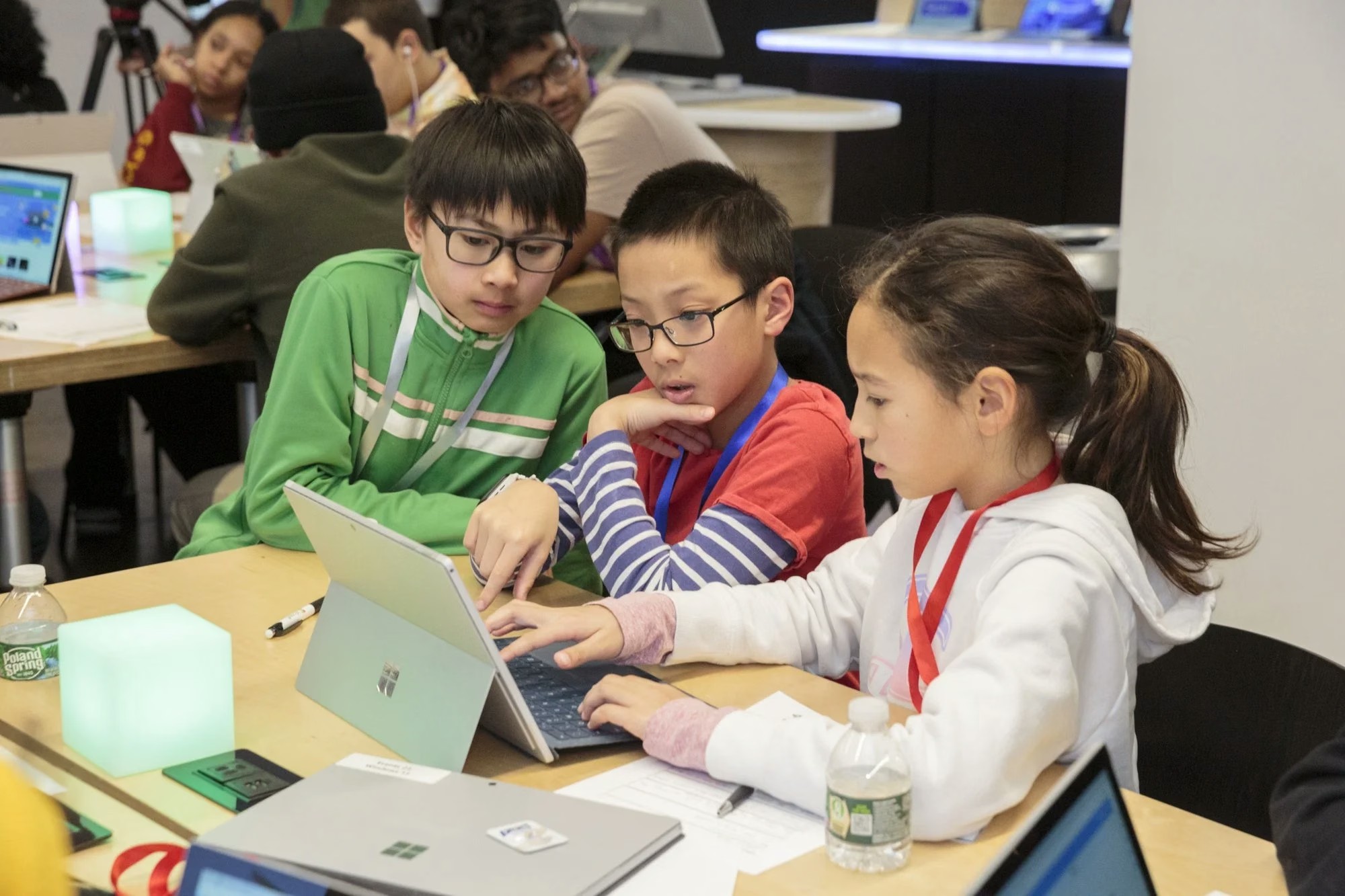
Endless Access now runs a laptop program through local businesses, nonprofits and financial institutions. Buyers can start with a low upfront payment, continue through time-based payments by mobile money or SMS, and receive a permanently unlocked device when the plan is complete. The laptop page lists a 14-inch display, 8 GB of memory and 256 GB of storage, with Endless OS and offline tools already loaded. Endless says it does not sell these laptops directly to consumers; deployment partners provide the local route and support.
The published program explains the mechanics but gives no universal consumer price; terms depend on the local partner. That matters. Pay-as-you-go is a financing method, not a magic discount. It works when payments fit household income, local support is reliable and the device is useful enough to justify the commitment. The program is most persuasive because it joins financing to software that can function with limited internet.
Why build a game?
Access alone leaves a second problem: what does a young person do once the computer is open? Endless's answer has shifted toward making games. In its Access programs, learners can begin by remixing a game with the open-source Godot engine, then join longer collaborative projects. Mentors provide design and technical feedback. Endless Studios extends the idea into an open game studio where students and professional developers contribute to real projects.
The appeal is practical. A game asks for code, artwork, writing, sound, testing, teamwork and a stubborn willingness to revise. A finished game can become a portfolio item. It is easier to explain to a skeptical teenager why a loop matters when the character on screen refuses to move without one. Endless's public GitHub even includes a block-coding plugin for Godot, an attempt to lower the entry step without hiding the professional tool beyond it.
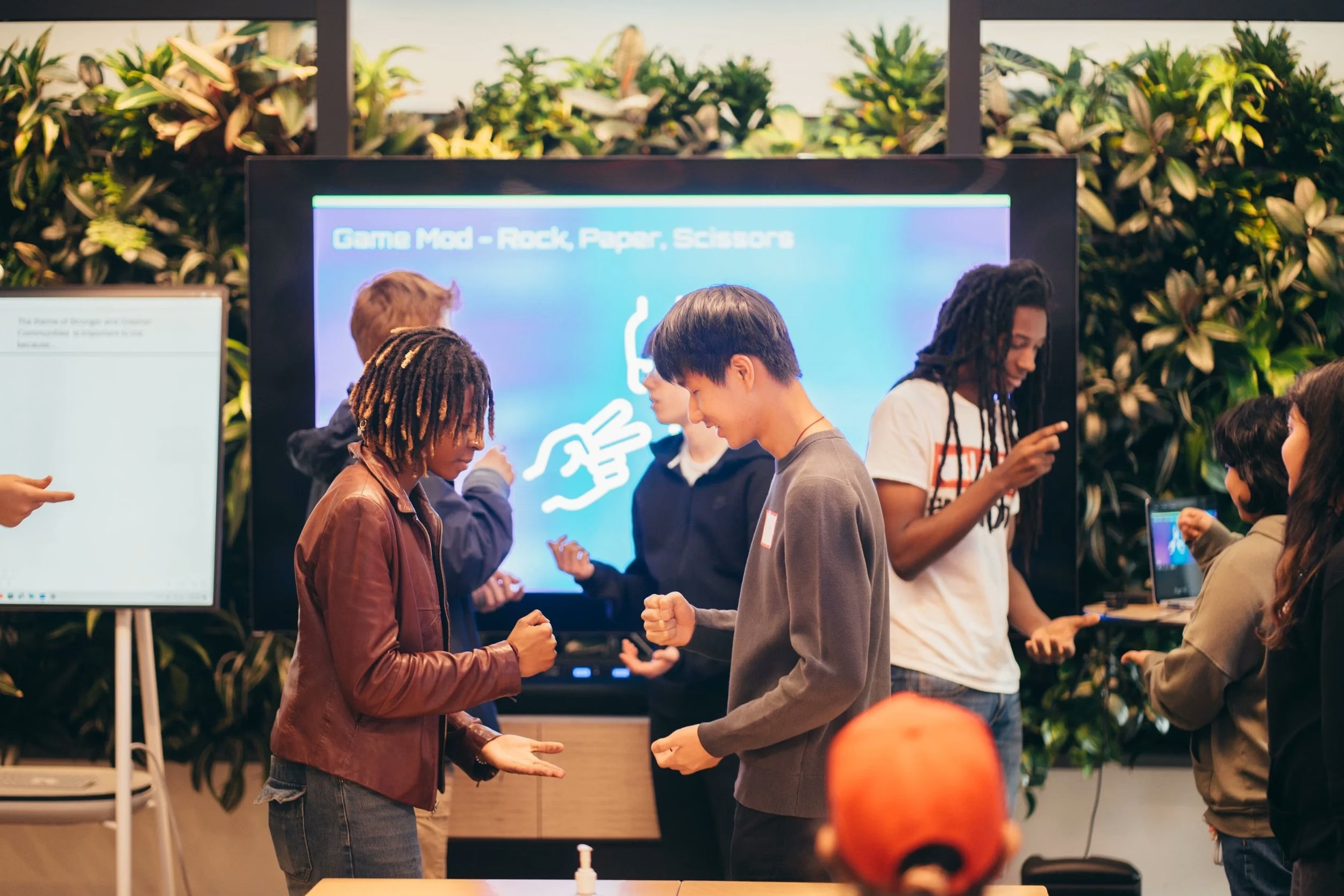
The surrounding organization makes this more than a curriculum company. The Foundation runs programs and grants. Endless Investments backs studios, education partners and tools that fit its learning thesis. Endless Network gave $5 million to establish a games and learning lab at Arizona State University, and an earlier $500,000 gift to DonorsChoose supported creative-coding projects reported to reach 270,000 students. Endless also helped expand the Games for Change Student Challenge internationally in 2025, adding new game jams and an age group for young adults.
Start with the constraint a learner actually lives with. Put useful content on the device before it reaches them. Pair access with a project worth finishing, and use local partners who can support people after the handoff.
Endless is unusual because it works across the whole chain: machine, operating system, financing, mentors, projects and capital for adjacent ventures. That breadth is also its test. The method depends on partners who can deliver affordable devices, maintain trust and keep students involved long enough to make something. A game project without patient guidance can be as lonely as a computer without internet. Endless's most interesting lesson is that the machine opens the door; people and purposeful work give someone a reason to walk through it.