emerging-markets
(56)
Alisée de Tonnac and the hand that stayed down
A question at L’Oréal unsettled her carefully planned career. Twenty countries later, Alisée de Tonnac was helping build a different route for entrepreneurs in emerging markets.

Pierre-Alain Masson and the geography of a good idea
Before Seedstars reached more than 90 countries, Pierre-Alain Masson was building internet businesses in Geneva. A competition took him abroad; the work that followed was about what happens after the pitch.
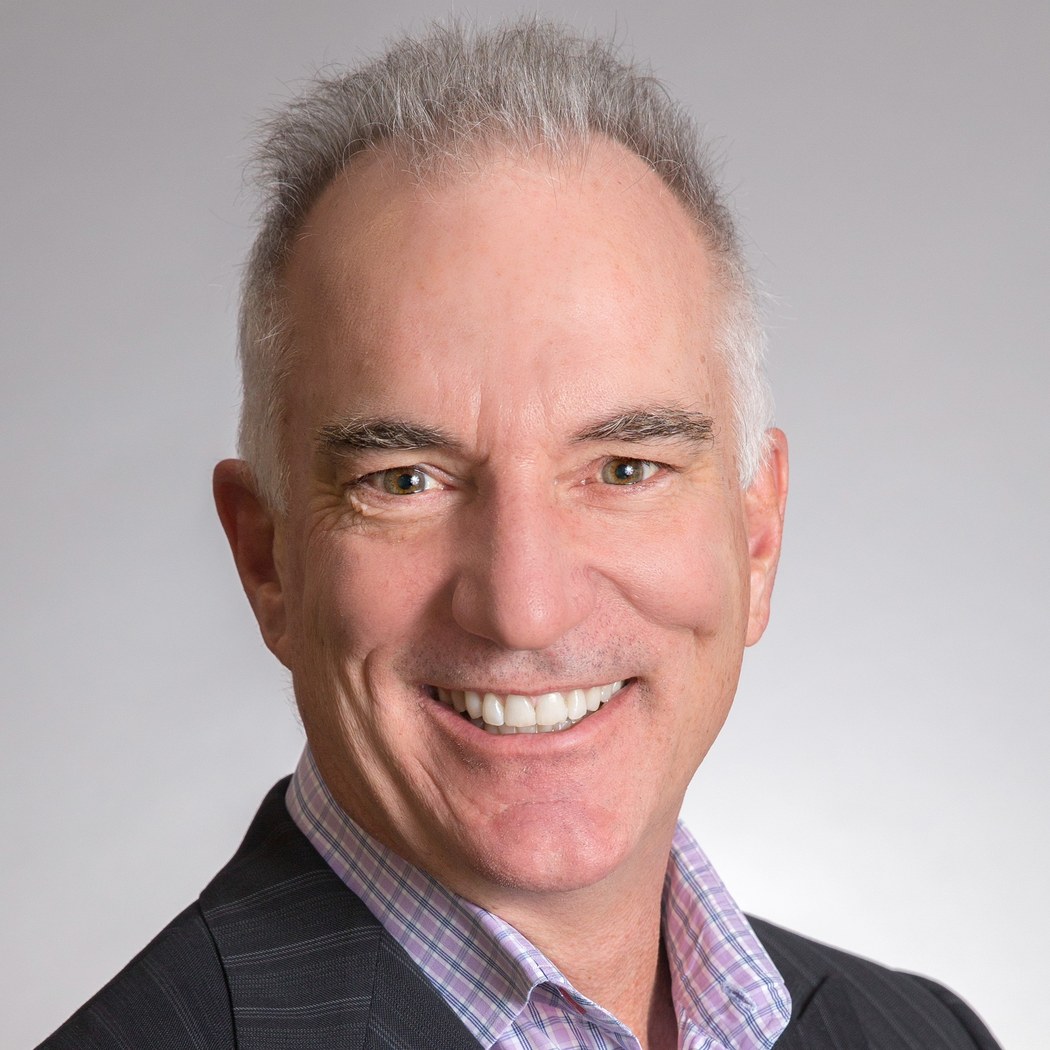
Mitch Davis and the Business Hidden Inside the Game
Before he built Emergent Payments, Mitch Davis put changing advertisements inside video games. His career follows the money from the virtual billboard to the local checkout.
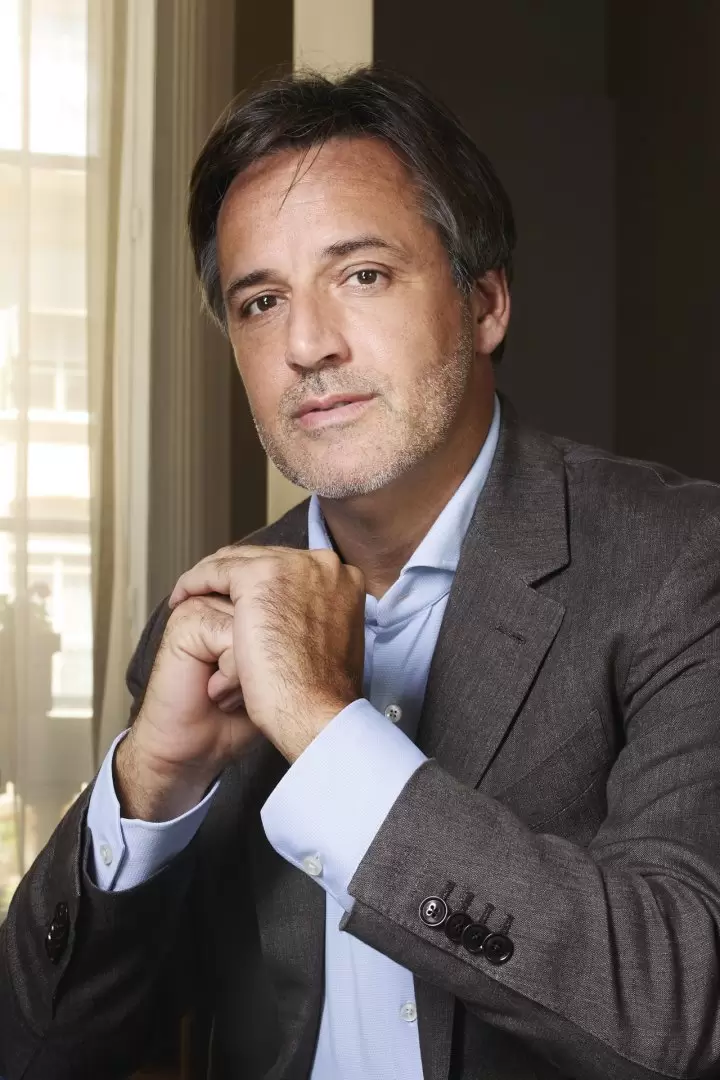
Gaston Taratuta and the business of everywhere else
The Aleph founder built a business around the countries that global platforms struggled to serve. His next chapter follows the money - and the people learning to earn it.

Wade Eyerly and the price of a little certainty
He helped turn airline tickets into a monthly subscription, then tried to put a guarantee behind a college degree. Wade Eyerly keeps returning to the same question: who should carry the risk?
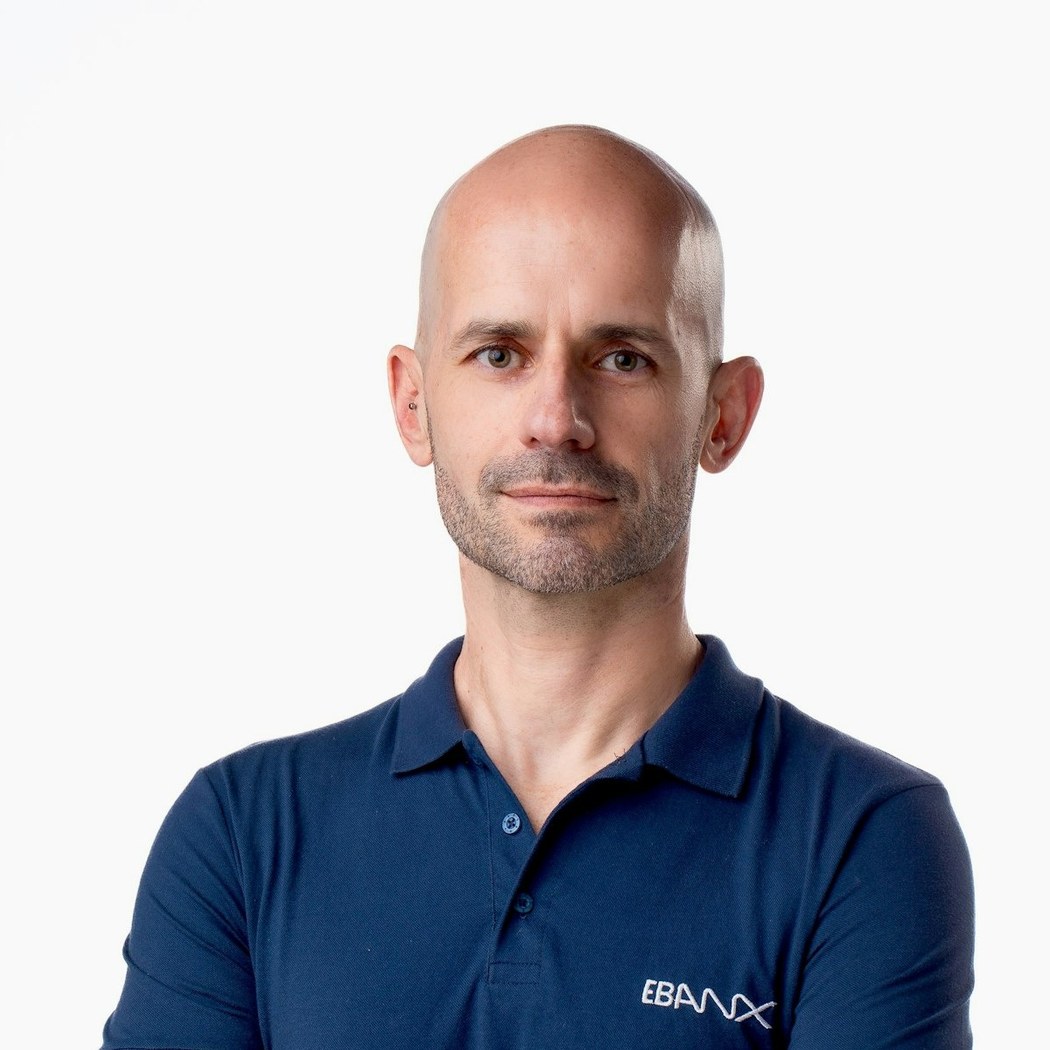
João Del Valle and the small matter of getting paid
He wrote EBANX’s first code, then learned to run the business around it. João Del Valle’s journey from Curitiba to global payments begins with an easily overlooked detail: how people actually pay.
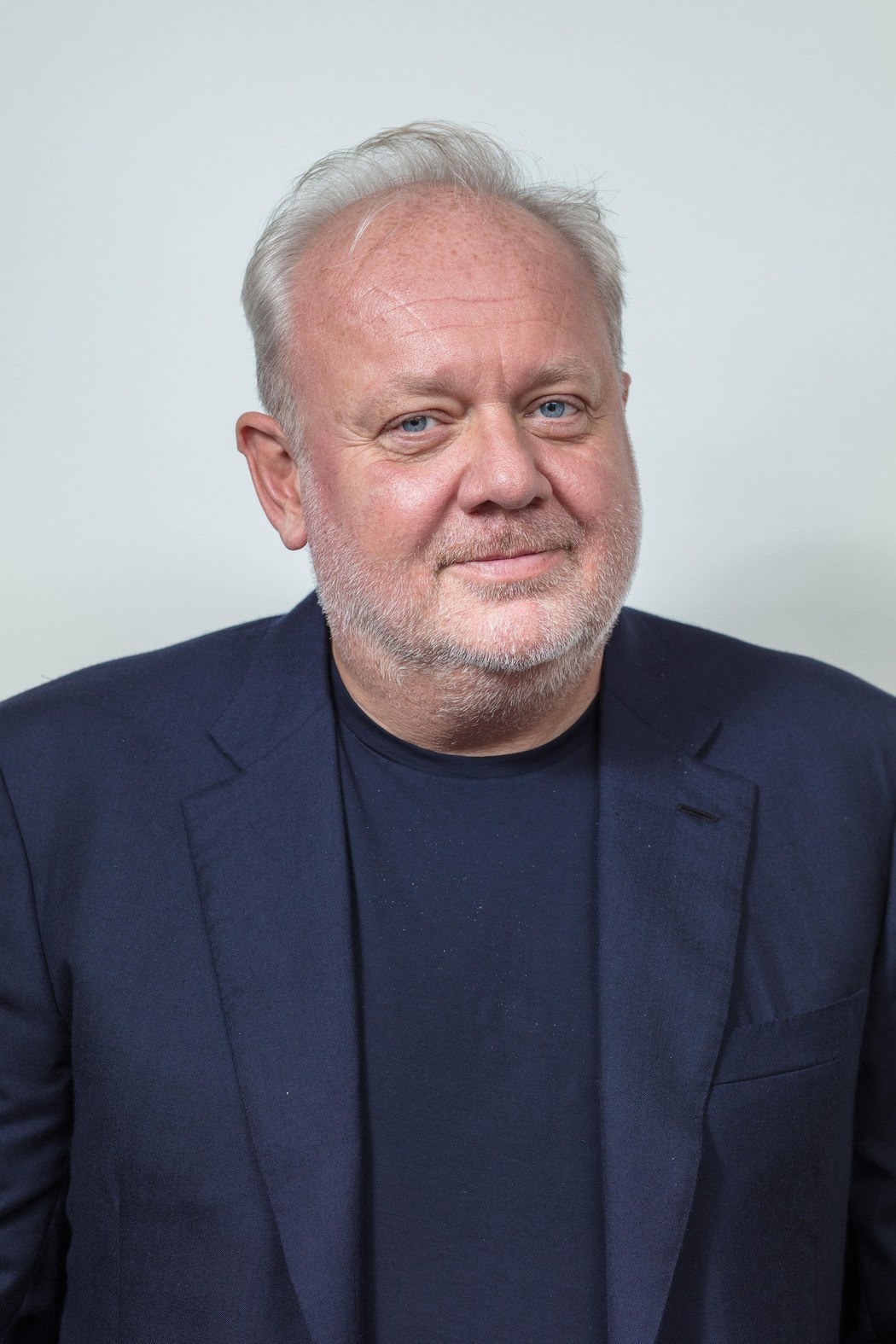
Boris Jordan and the business of being early
From Russian privatization to the cannabis business, Boris Jordan has made a career of entering markets while their rules are still being written. At Curaleaf, the investor has taken the operating chair - and another argument about what comes next.
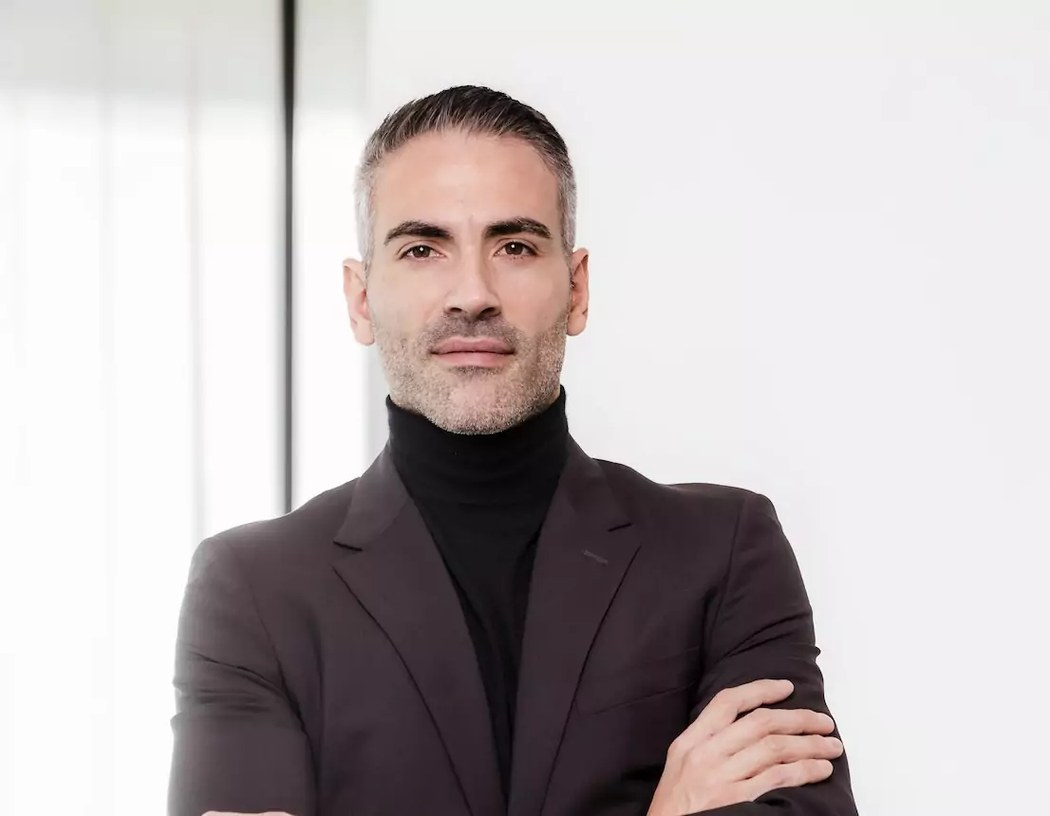
Stiven Muccioli and the advantage of starting small
From local shopping deals in Romagna to banking infrastructure across Europe, the Middle East and Africa, Stiven Muccioli keeps returning to the same problem: helping established businesses cross a digital divide.
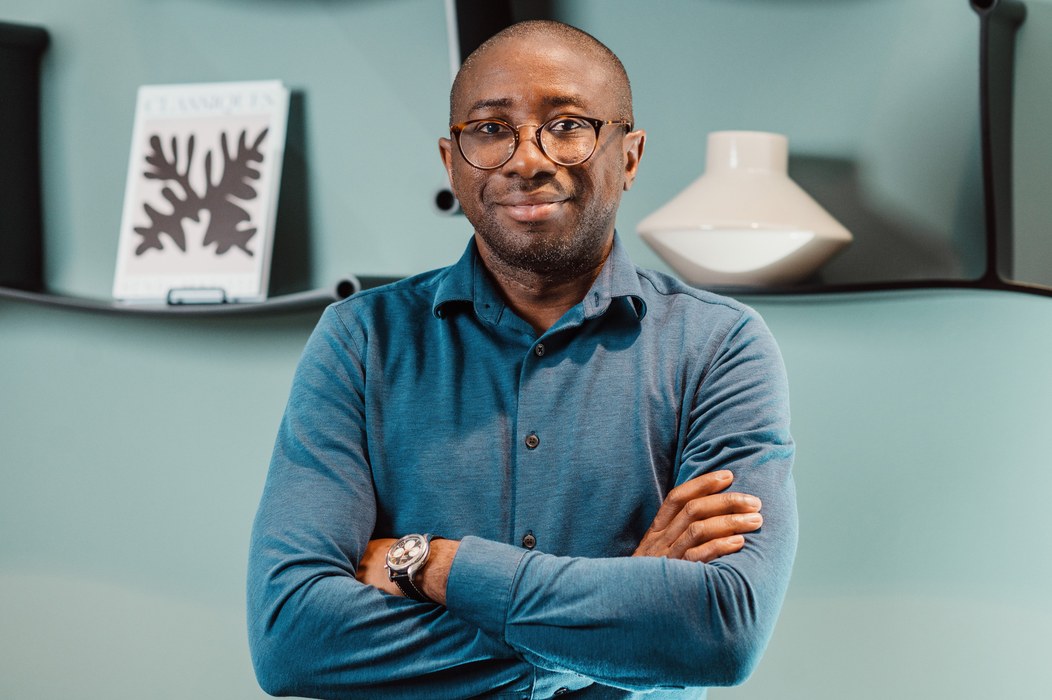
Ola Oyetayo’s bet on an ordinary payment
A poker-table conversation led Ola Oyetayo out of banking and into the business of moving money. At Verto, the Nigerian founder is working on a deceptively modest ambition: letting a company pay its bills across borders without a small ordeal.

Johnson Zhang and the art of starting again
He founded a company, joined the multinational that bought it, then returned to building his own. At Virtue Diagnostics, Johnson Zhang is putting that experience to work across borders - with local factories and local teams.
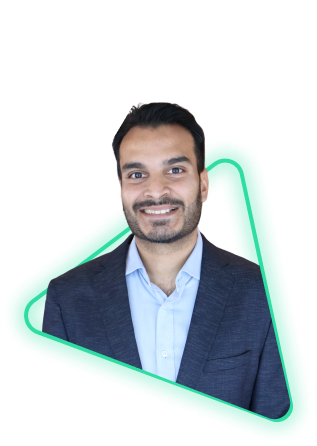
Omair Ansari and the trouble with payday
After fifteen years in finance, Omair Ansari moved to Karachi to build Abhi. His starting question was simple: why should people have to wait for money they have already earned?

Raj Kamal and the last mile of money
From India’s civil service to fintech investing, Raj Kamal has spent his career inside institutions. At TransFi, he is working on the gap between money moving across a border and money arriving ready to use.
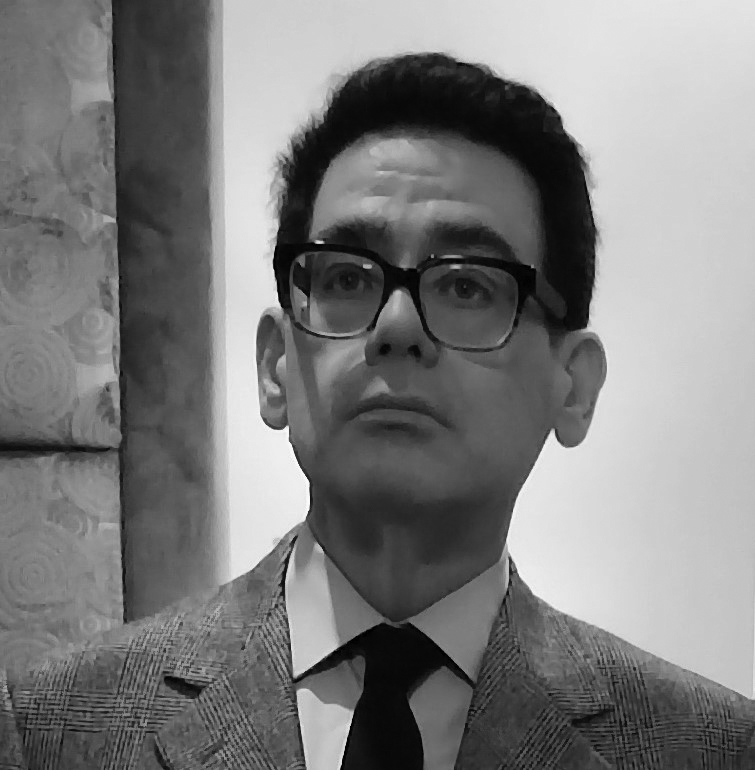
Paul Sheehan and the businesses between the cracks
From supervising banks to studying Asian markets, Paul Sheehan has spent his career examining how capital moves. At SEAF, his work turns on a smaller question: what helps an overlooked business grow?
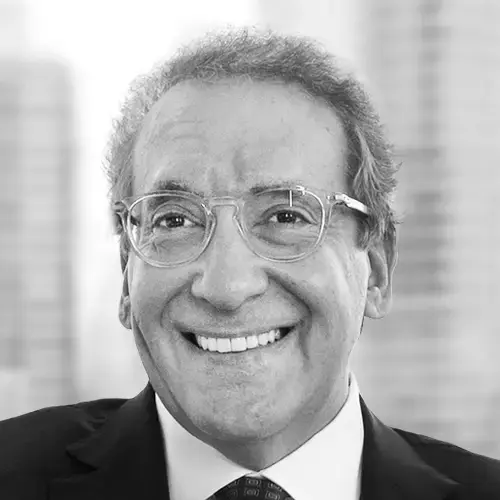
Gregory Bedrosian and the two-thirds of a deal that money cannot explain
From emerging-market investing to sports technology, Gregory Bedrosian has built a career around the people on either side of a transaction. The Drake Star CEO’s formula leaves only one-third of the job to finance.

Linda Rottenberg and the geography of a crazy idea
A taxi ride in Buenos Aires gave Linda Rottenberg a question she could not shake: what happens to talented people when nobody expects them to build a company? Nearly three decades after she co-founded Endeavor, she is still widening the map.

Wenyi Cai and the question that took her to Colombia
After helping run a Silicon Valley startup acquired by eBay, Wenyi Cai went to Colombia to listen. Her work at Polymath Ventures grew from a question about what technology could do for Latin America’s emerging middle class.
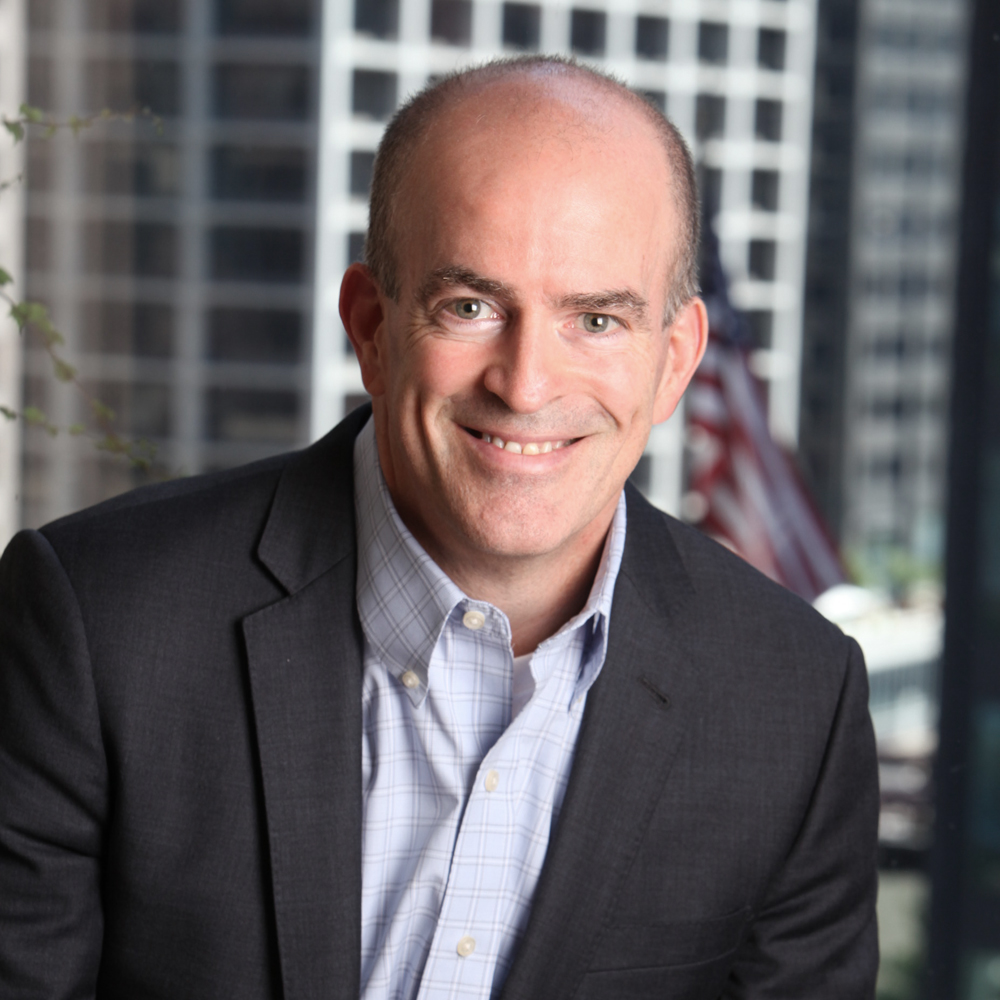
Tom Heneghan and the art of knowing what comes next
An accountant’s eye, an operator’s education, and more than three decades inside Sam Zell’s orbit. Tom Heneghan’s career traces the patient work between spotting an opportunity and building a business someone else can own.
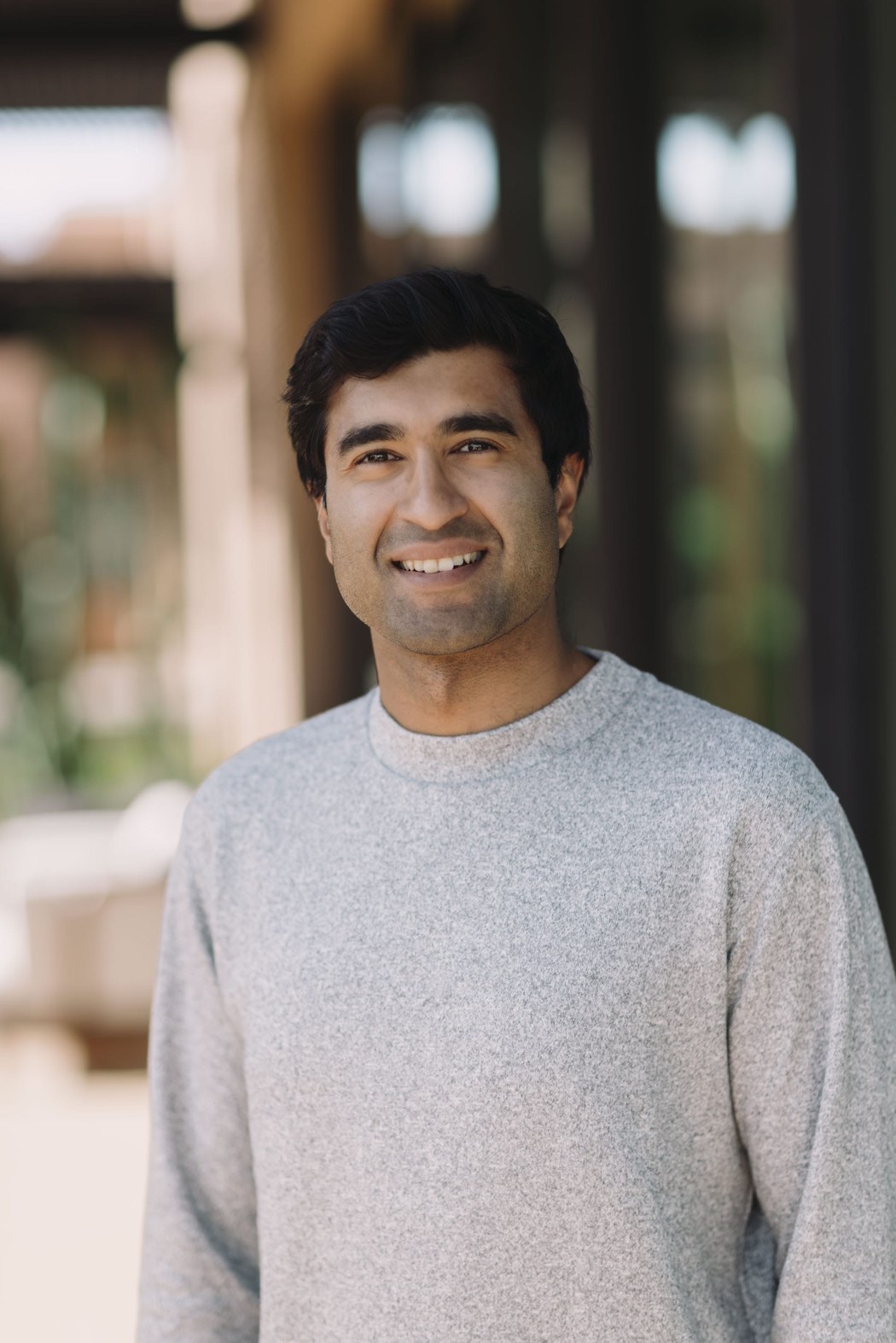
Sujay Tyle and the business of getting ahead of himself
He entered Harvard at 15, left for a Thiel Fellowship, and built marketplaces across emerging economies. At Merama, the next chapter is about financing inventory, backing founders and giving a smaller group of brands more attention.

João Del Valle and the art of getting through
He wrote EBANX’s first code, became its CEO, and found his way back to GitHub. For João Del Valle, global commerce still comes down to a local question: can this person actually pay?
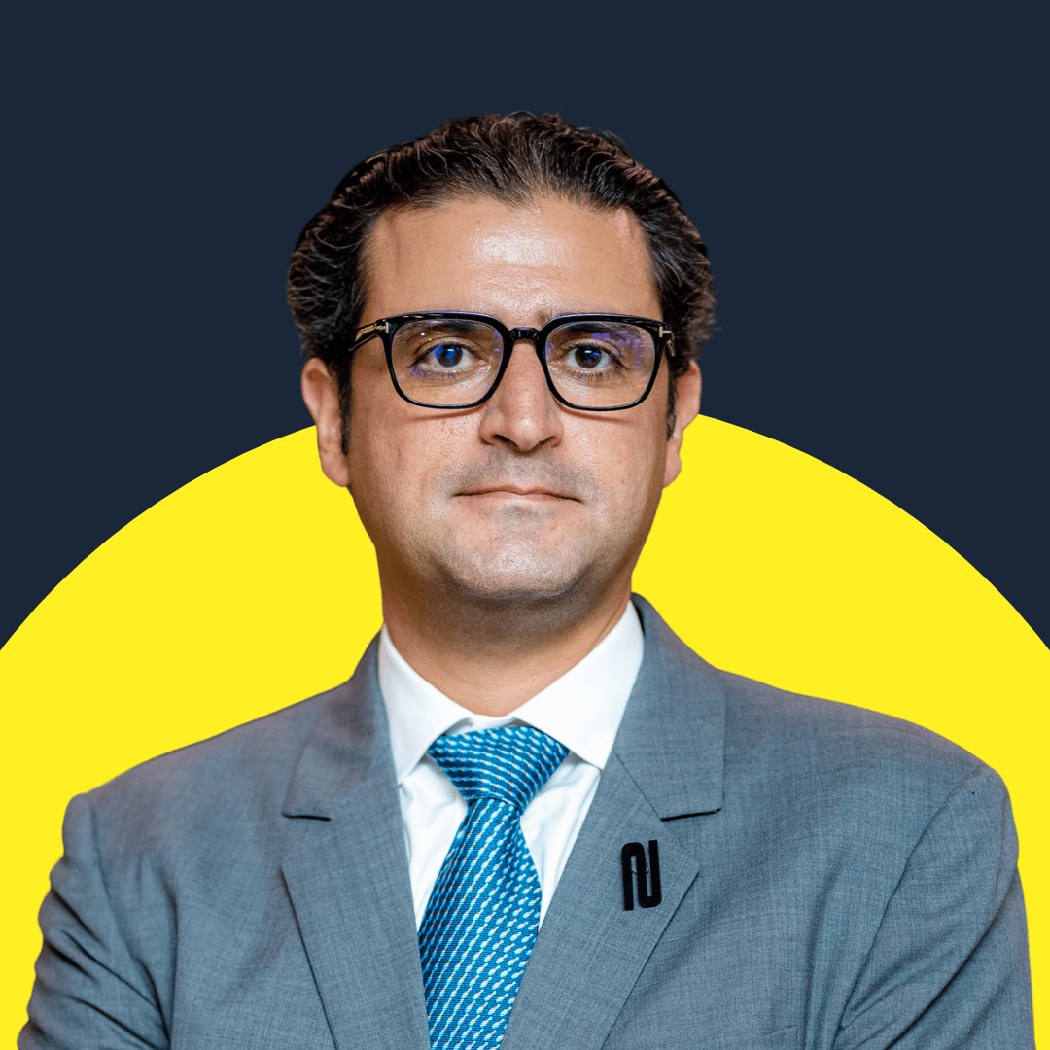
Fadl Al Tarzi and the University That Starts at the End
He began with a web-development course at 16 and built a university by reversing the usual order: read the labor market first, then write the curriculum.
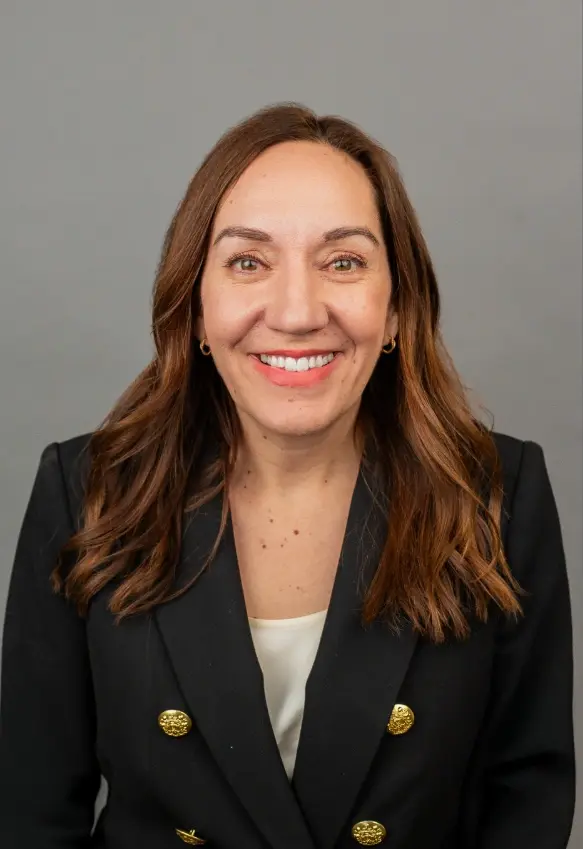
Kristi Flores Built a C-Suite Career by Taking the Jobs No One Wanted
The Accruent executive began in sales support, learned her way across product and marketing, and discovered that the assignments other people sidestepped were often the ones with the longest runway.

Felix Kim Is Building AI for the People Silicon Valley Priced Out
A shy child learned what it costs to arrive without context. A lawyer learned how institutions manufacture trust. Now Felix Kim is spending his second career trying to make both problems smaller with code.

Shahryar Hasnani Is Turning the Dollar Account Into an Export
The economics graduate who also studied fiction went from explaining zero-knowledge rollups to rebuilding dollar access for markets traditional fintech routinely leaves waiting.
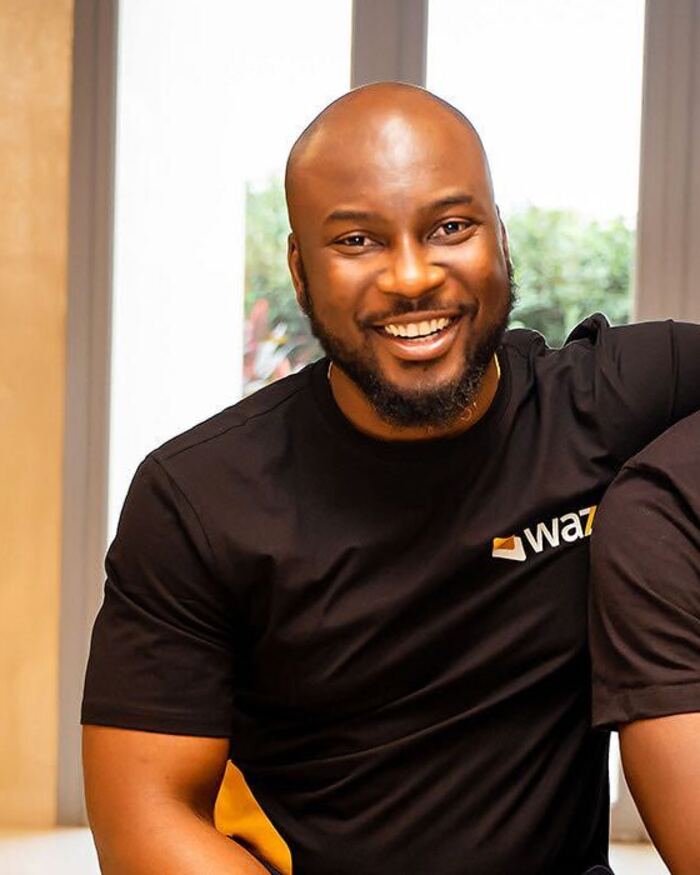
Maxwell Obi Is Building the Financial Plumbing Behind Africa's Global Trade
After an exit, a tour through global remittances, and hundreds of conversations with traders and finance teams, Maxwell Obi chose a gloriously unglamorous problem: helping emerging-market businesses move money on time.
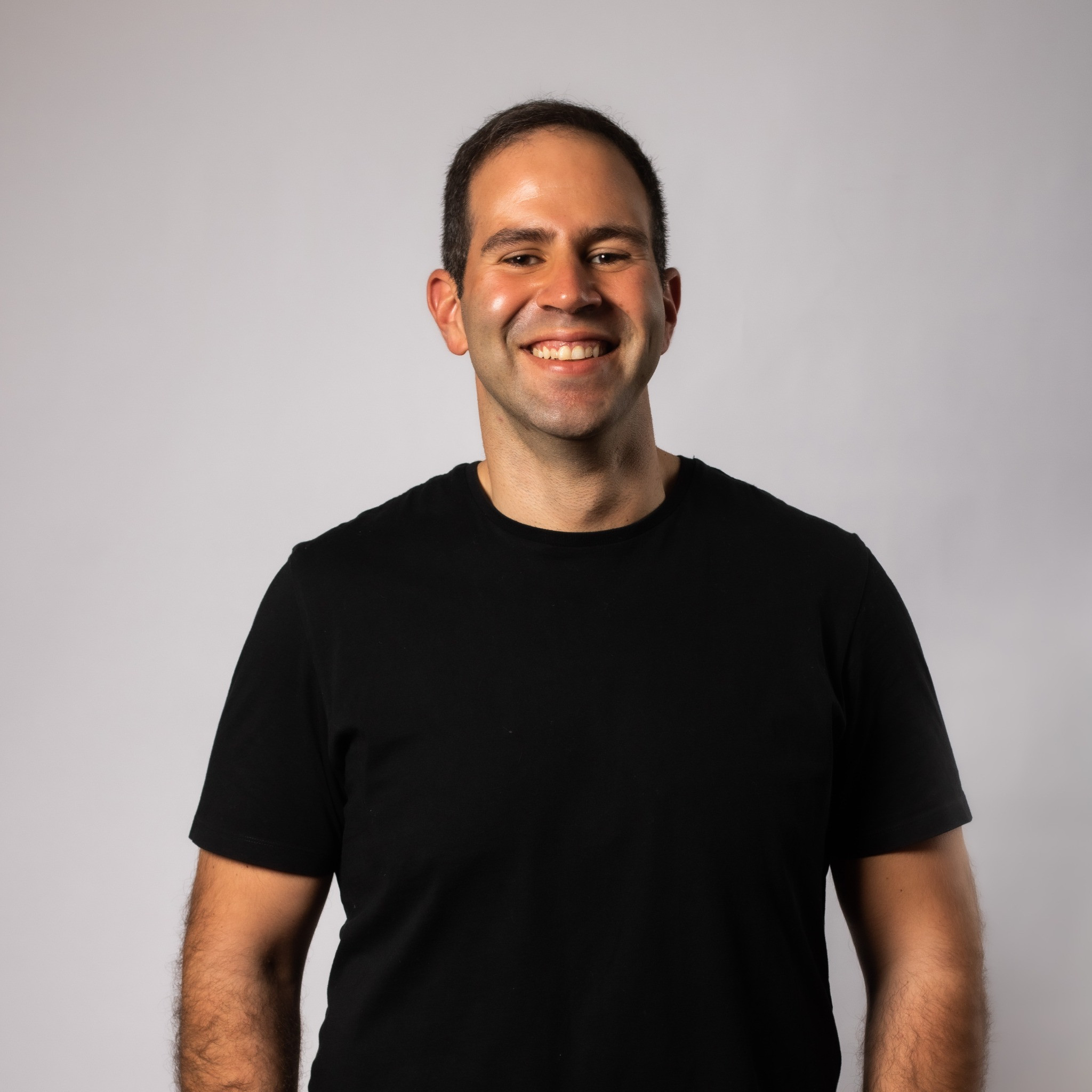
Ahmed Ashour Is Teaching Old Grids New Tricks
He spent years watching water, electricity and revenue disappear through aging networks. Then he built Pylon around a stubborn idea: the smartest grid may be the one a utility can actually afford.
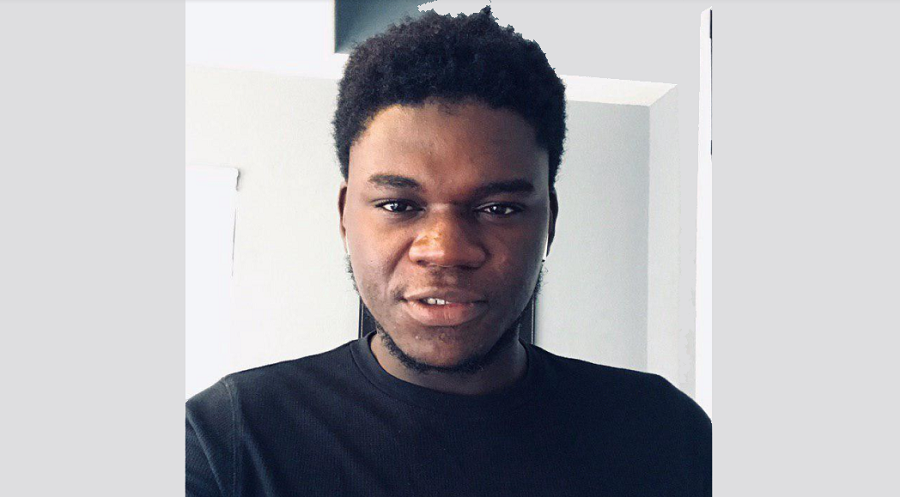
John Oke Turns Bank Friction Into Software
Before Spring in Africa could make money feel borderless, John Oke had to learn how banks, gift cards and mobile wallets behave when real people press the buttons.
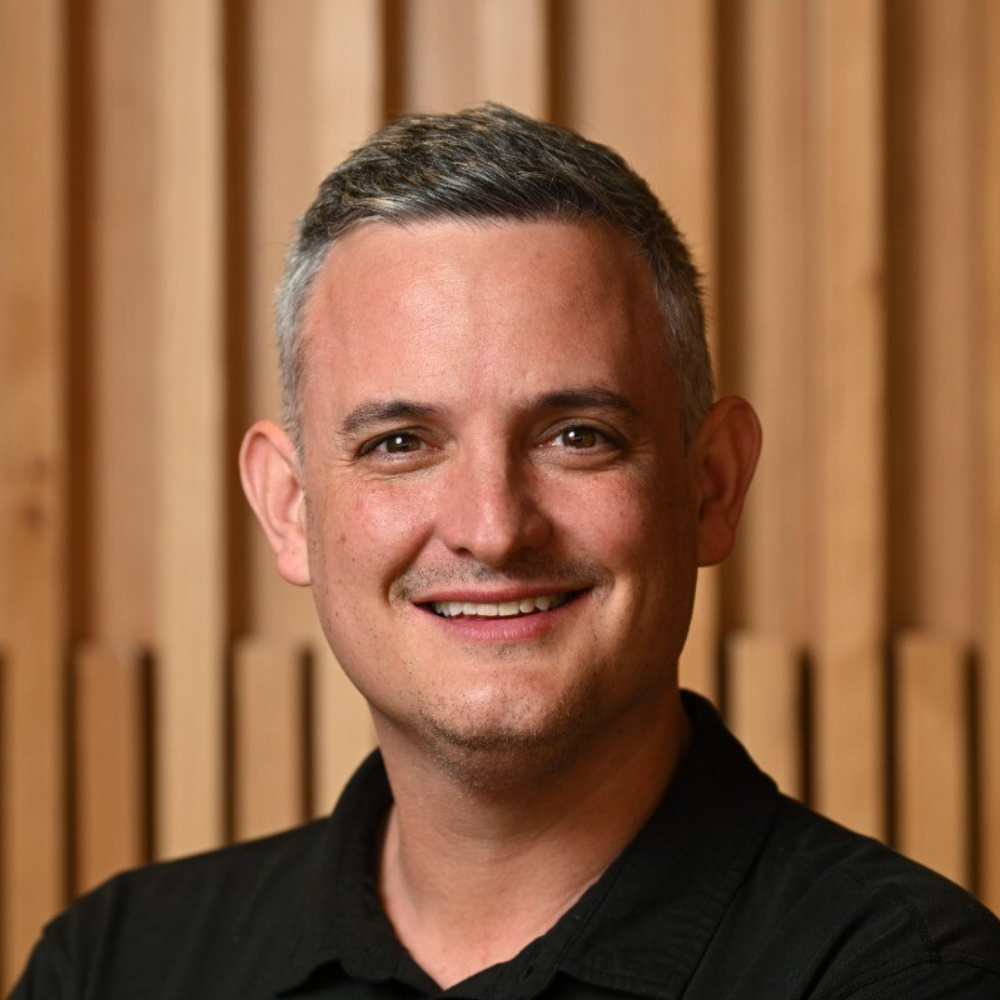
Geoff Michener Built a Business From the Places the Internet Forgot
He went looking for a cleaner database and found an untidy world. Dataplor's founder turned that mess into a global location-intelligence company by pairing machines with people who still bother to check.
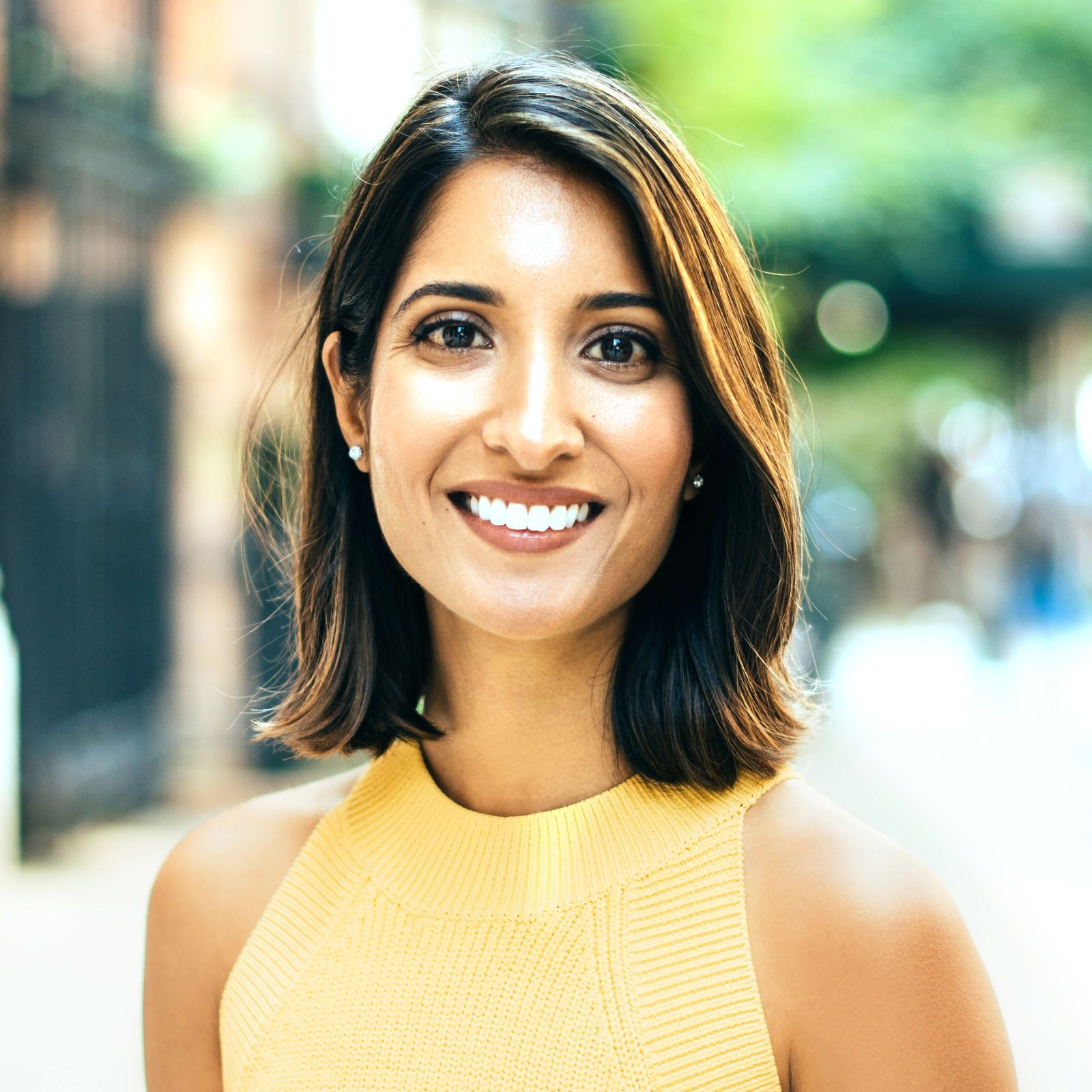
Shivani Siroya Built a Credit Bureau Out of Curiosity
Before Tala became a multinational lender, its founder spent years listening at kitchen tables, lending her own money and learning to code. The useful lesson is not about fintech. It is about getting close enough to a problem that the spreadsheet starts talking back.

Thomas Samuelson Spent 30 Years Meeting Companies. Now He Wants AI to Answer the Phone.
The Reap co-founder has spent a career watching information pass through brokers, inboxes and roadshows. His latest wager is that investor relations should work more like a conversation - immediate, direct and grounded in what a company has actually disclosed.
Sona Shah Is Building Medtech for the Hospitals Others Miss
A teaching stint in Kenya and a shelf of idle machines in Uganda changed Sona Shah’s definition of good engineering. Ten years into Neopenda, her playbook starts with context, trust and the unglamorous work after the sale.