interconnects
(3)
Syenta
Syenta is an Australian deep-tech semiconductor company building next-generation chip-to-chip interconnects for the AI era. Spun out of the Australian National University, it has developed a proprietary process called Localized Electrochemical Manufacturing (LEM) that deposits and patterns metal in a single step, producing micron-scale interconnects across large packages with fewer process steps. The technology targets the 'memory wall' that limits AI and high-performance computing, aiming to raise interconnect density and bandwidth while cutting manufacturing cost and waste. Headquartered in Sydney with a new development facility in Tempe, Arizona, Syenta has raised more than A$37 million, with former Intel CEO Pat Gelsinger joining its board.
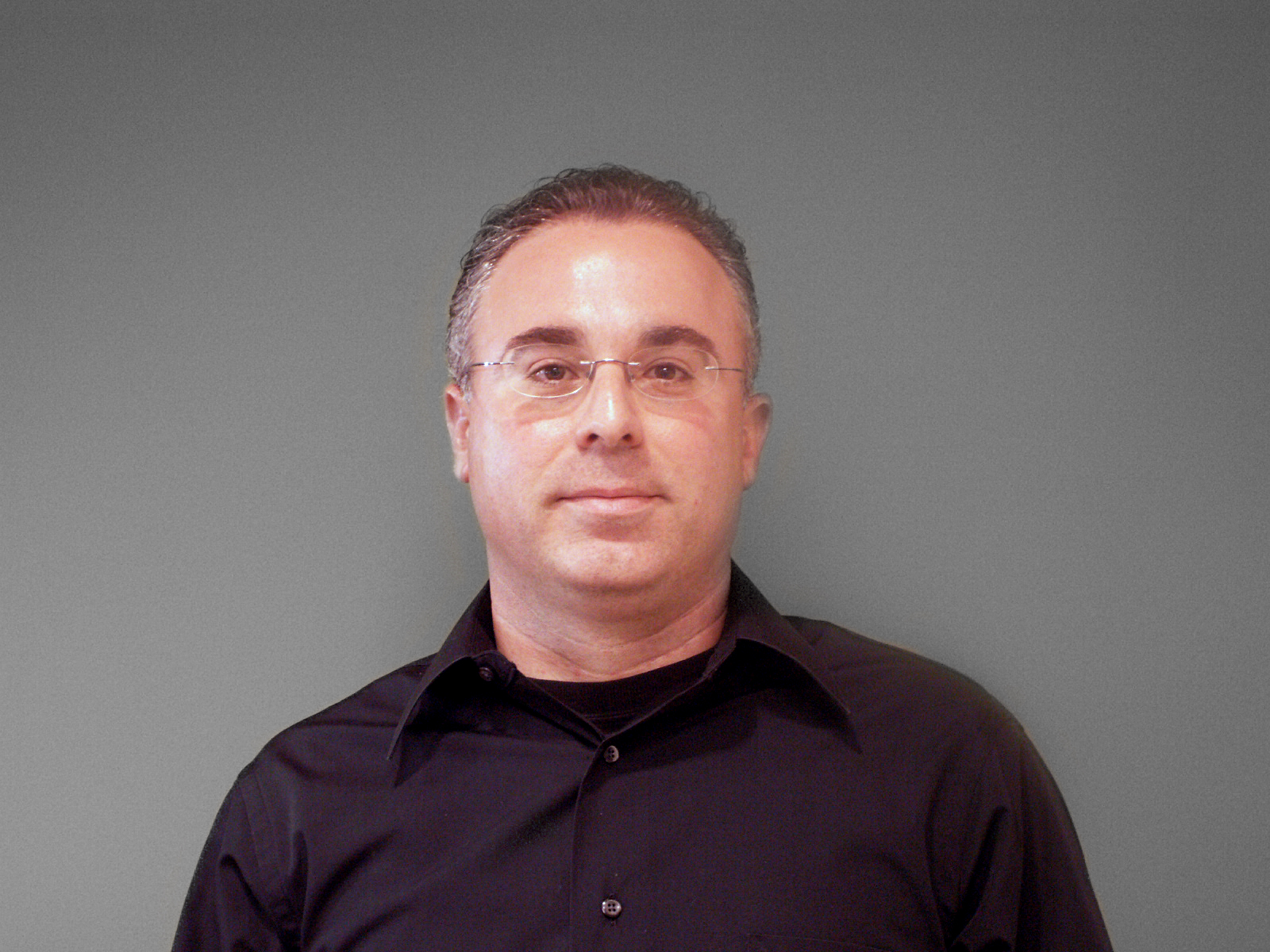
Gilad Shainer
Gilad Shainer is Senior Vice President of Networking at NVIDIA, where he leads the strategy, marketing, and ecosystem development for the company's networking portfolio — including InfiniBand, Ethernet, DPUs, and interconnect technologies that power more than half the world's top 500 supercomputers. A Technion-trained electrical engineer who graduated Cum Laude at both B.Sc. and M.Sc. levels, Shainer spent nearly two decades at Mellanox Technologies before joining NVIDIA via the $6.9 billion acquisition in 2020. He founded the HPC-AI Advisory Council in 2008, which now spans 400+ organizations globally, co-founded the ISC Student Cluster Competition, holds two R&D 100 Awards (2015 and 2019), and has authored or co-authored dozens of papers across IEEE, ACM, and Springer venues. At a moment when AI factories are rewriting the rules of data center design, Shainer is the person making sure the wires — and the protocols running through them — are ready.
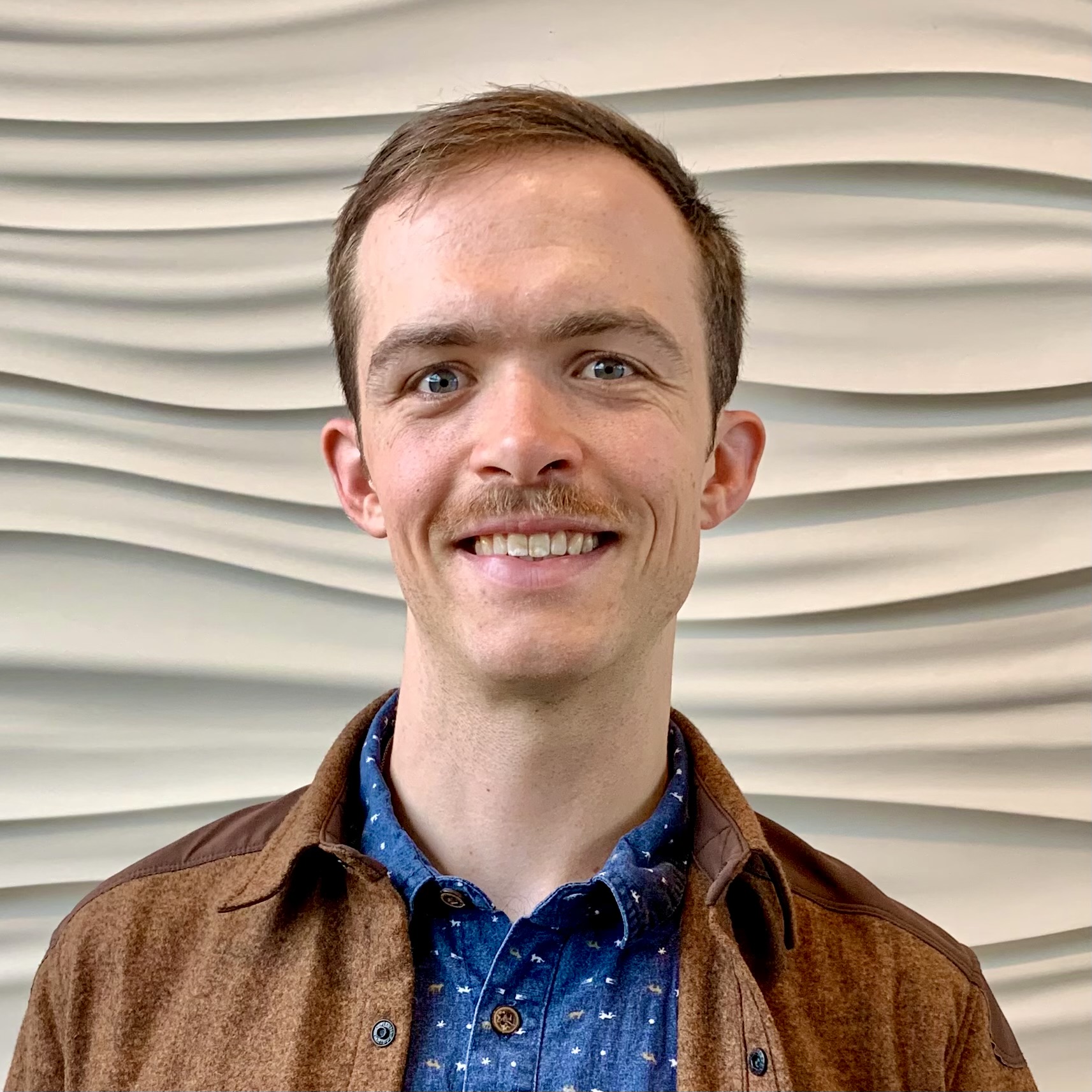
Nathan Lambert
Nathan Lambert is a Senior Research Scientist and Post-Training Lead at the Allen Institute for AI (Ai2), where he leads open-source language model development on the OLMo and Tulu series. A UC Berkeley PhD, he previously led the RLHF team at Hugging Face, co-building the TRL library and the Zephyr model. He runs Interconnects AI, a Substack newsletter read by tens of thousands covering post-training, open models, and AI policy, and is the author of The RLHF Book (Manning Publications). With roughly 8,000 academic citations and a reputation for demystifying the hardest parts of modern AI, Lambert is one of the most trusted voices at the intersection of open-source AI research and public education.