life-insurance
(49)
Olé Life put insurance online. The agents stayed.
A ten-minute application is the easy part. Olé Life’s more interesting wager pairs dollar-denominated protection with thousands of distributors and insurers who know the local rules.
Everest Funeral Concierge puts an expert on your side of the table
Life insurance pays a claim. Everest helps families decide what happens next, with independent funeral advisers, price comparisons and a place to put the paperwork before anybody needs it.

Milliman IntelliScript found a second life in your medical data
When health reform upended its original business, IntelliScript turned prescription histories into a new kind of life insurance evidence. Its expanding product line asks a deceptively practical question: what could you decide sooner if you understood the records you already had?

Ohad Gutman Wants the Insurance Check to Be a Beginning
At Empathy, an early operations leader has become the public advocate for a deceptively simple idea: a claim may close a file, but it should not close the relationship.

Michael Carricarte Has Spent Four Decades Making a Difficult Promise Easier to Buy
The Olé Life founder inherited an insurance vocabulary, then spent a career rewriting it for Latin America - first through family enterprise, now through software, advisers and a stubborn belief that trust still matters.

Jeff Merkel and the Art of Making the Complicated Feel Obvious
Before he helped turn life insurance into an online purchase, Jeff Merkel spent a career carrying difficult technology across the last mile to the customer. His useful obsession is not invention alone, but making invention usable.

Health IQ Bet the Company on Knowing You Better Than Your Broker
A health quiz became a life-insurance discount, then a Medicare prediction engine. The idea was unusually legible. The bill for scaling it was not.

Compare Club sells relief from the bills you keep putting off
The Australian comparison business pairs digital tools with people who help finish the switch. Its opportunity lies in the gap between finding a cheaper deal and actually doing something about it.
The Quiet Machine Behind Faster Life Insurance
UnderwriteMe turned the life-insurance questionnaire into infrastructure: one application for advisers, configurable decisions for insurers, and fewer files waiting for a human to retype them.

Mark Scafaro Found the Insurance Shortcut: Keep the Agent, Delete the Waiting
Life insurance spent years trying to automate away the people who sell it. Mark Scafaro built Afficiency around a more practical idea: preserve the human conversation, then make everything around it move in one sitting.
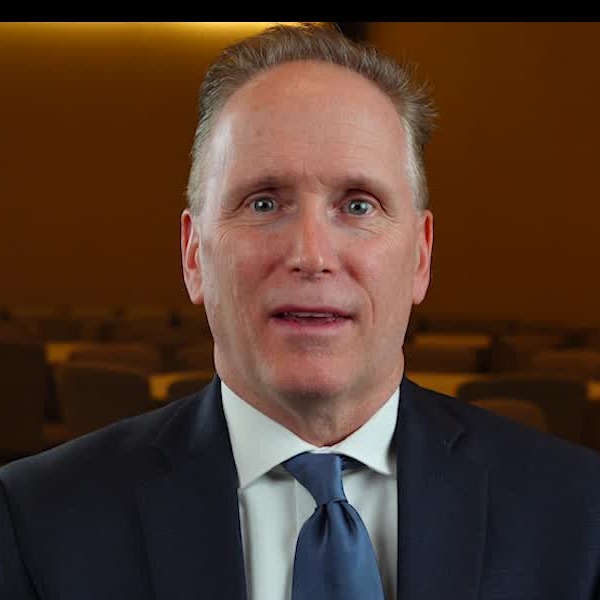
Michael Stocks Is Making Insurance Feel Less Like Paperwork
For more than a decade, Empire Life's marketing chief has worked on one stubborn problem: turning a consequential financial purchase into a process people can actually navigate.

Empire Life Spent 100 Years Selling Certainty. Now It Has to Sell Speed.
The Kingston insurer has C$20.8 billion in assets, a century of claims history and a fresh digital mandate. Its most interesting product is not another policy - it is the attempt to make old-fashioned reassurance feel fast.

Insurance Supermarket’s $100 Million Lesson: The Last Mile Was an Advisor’s Car
The Canadian insurtech digitized quotes, underwriting and policy binding - then discovered its bottleneck still had four wheels. Its pivot from house calls to browser calls is a useful playbook for anyone automating a stubbornly human business.
Manulife Is Turning a 139-Year-Old Insurer Into a Health-and-Wealth Operating System
The Canadian insurer spent years untangling yesterday's promises. Now it is betting that the same customer needs protection, investing, banking and help living longer - and that one global balance sheet can serve them all.
Afficiency Found the $10 Billion Insurance Shortcut: Help the Agent, Skip the Exam
Life insurance’s first digital bet was to remove the agent. Afficiency took the more useful route - remove the paperwork, keep the human, and turn a process measured in weeks into one sitting.
The Insurance Broker That Turned Itself Into an API
Born inside the world's largest independent broker, Mylo spent a decade turning insurance advice into software other companies can plug in. Here is how a Kansas City team quietly became the insurance layer behind small-business platforms.

The $40,000 Bet That Turned Bilingual Insurance Into a 280-Office Machine
Ivan and Ania Herrera bought a name with no customers in the middle of a financial crisis. Their useful insight was less glamorous than disruption: speak the customer’s language, compare more carriers and turn the neighborhood agent into a repeatable franchise.
The $380 Billion Business of Giving Savers Permission to Spend
Corebridge sells a surprisingly emotional product: permission to use the money you spent decades saving. Behind that promise sits an old insurance engine, a young public brand and a pending merger that could erase the name almost as quickly as it arrived.

Doyle Williams Spent 40 Years Learning How to Sell Certainty
Four decades in an industry that sells the one thing nobody wants to think about. How Protective Life's marketing chief turned distribution plumbing, digital tools and a stack of professional letters into a career built on quiet certainty.
The Insurance Company That Started With a Bet on Farmers
A hunch about farmers in 1927 grew into a top-ten American insurer. Here is how American Family Insurance built a mutual empire on the promise to inspire, protect, and restore dreams.
Symetra Sells Certainty in a Business Built on Careful Guessing
Founded in 1957 as a Safeco side project and now owned by one of Japan's oldest life insurers, the Bellevue company underwrites 2.5 million Americans' retirement income, benefit claims and life policies - then sponsors their hockey team.
The $1.7 Billion Reason Guardian Life Still Believes in an Old-Fashioned Idea
Guardian Life has spent 165 years selling protection against life’s worst timing. Its mutual structure now pairs a record policyholder payout with the less glamorous work of making benefits, claims and leave easier to use.
The 119-Year-Old Insurer Built for the Next Life Moment
Protective Life spent more than a century insuring families. Its next act is broader: retirement income, dealer finance, employee leave and a pending move into specialty insurance - all powered by a quiet expertise in buying and administering promises that can last for decades.
The Life Insurer That Would Rather You Stay Alive
At 164, John Hancock is recasting the oldest bargain in insurance: instead of waiting to pay after death, it rewards customers for living better now. The experiment links life insurance to wearables, cancer screening, longevity research and a growing stack of health technology.
eFinancial
eFinancial spent 25 years turning a paperwork-heavy purchase into a guided online-and-phone experience. Its quiet advantage is not removing the agent, but giving the agent better tools.

Farm Bureau Insurance of Tennessee
A company created because insurers would not cover Tennessee farm structures now protects more than two million homes, vehicles and small businesses. Its advantage is deliberately local: membership, agents and claims teams embedded across one state.
Erie Insurance Group
Erie grew from a business plan scribbled on a dime-store tablet into a Fortune 500 insurer. Its enduring advantage is surprisingly analog: a narrow map, local agents and the belief that service is part of the policy.
TruStage
Born to make a borrower's debt die with the borrower, TruStage now spans life insurance, annuities, embedded loan protection and a credit-union stablecoin. Its real product is the bridge between old financial trust and new financial plumbing.

Horace Mann
Horace Mann built an 80-year business by studying one customer more closely than most insurers study a market. Its wager is that understanding the financial life of a teacher - from the school parking lot to retirement - can still be a durable advantage.
CNO Financial Group
The middle of the market that Wall Street forgot has a $4.5-billion insurer built entirely around it - one careful policy, and one kitchen-table conversation, at a time.