The intriguing number in Olé Life’s pitch is not ten minutes, the time it says an application typically takes. It is 4,000: the distribution partners the company reported in January 2025. Put those numbers beside each other and a different picture emerges. Here is a digital insurer with a substantial human sales network. The paperwork can disappear while the person explaining what happens to your family stays.
- Dollar-denominated term life insurance for Latin American families.
- Digital applications, supported by advisors and distribution partners.
- A $13 million Series B announced in January 2025.
- Local insurer partnerships now shape offerings in Brazil and Mexico.
That combination is worth studying if you sell anything complicated. A faster checkout helps someone who has already decided. Insurance must also help someone decide what a promise means. Olé’s approach leaves room for both jobs. Its mission explicitly includes empowering agents, alongside making protection simpler and more accessible for families. The intermediary is part of the design.
A short form, a long obligation
Olé sells term life insurance: protection for a specified period, with a benefit payable if the insured dies during that term, subject to the contract. Families can use that protection to plan for debts, education and household expenses. Its website also presents business uses, including key-person and partner protection. The customer is buying continuity after an interruption nobody cares to imagine.
The company’s history places its digital launch in 2022. The international carrier began operating in Puerto Rico in 2019. Those dates describe different beginnings. Its 2025 corporate profile identifies three co-founders: Michael Carricarte, CEO; Andrew, president and CTO; and Brian, chief integration officer. Michael’s earlier insurance career included Amedex and Pan-American Life. This is a technology venture with insurance experience already in the room.
There are two clocks running here. An application is measured in minutes; the obligation can run for decades. The main international product materials offer terms of 10, 15, 20 or 30 years. A good interface must sell that long obligation clearly enough that the buyer understands more than the speed of purchase.
The dollar has two sides
Olé’s regional proposition centers on US-dollar protection and fixed base premiums over the selected term. That makes the contractual amount easier to plan around. It also gives families a way to hold protection in a currency different from the one in which they may earn their salary. The appeal is plain. So is the arithmetic buyers must do.
A fixed dollar premium can still become more expensive in local currency when exchange rates move. Optional benefits can change the price, too. “Fixed” therefore needs an object: fixed in which currency, for which component, over what period? These are useful questions to bring to an advisor before admiring a quote.
Olé also offers living benefits. A terminal-illness advance can bring part of the benefit forward; optional protection addresses cancer, critical illness, accidents and disability. Return-of-premium options introduce another choice. These additions broaden the reasons to buy, but benefits remain contract-specific. A cancer payment is not the same thing as comprehensive medical insurance.
The waiting room is optional
The company markets enrollment in less than ten minutes and no medical examinations for eligible coverage up to $1 million. Its application uses simplified evaluation supported by AI. Some applicants receive automatic approval; others require further assessment. The distinction matters: a short form is an invitation to apply, not a promise that every risk will be accepted.
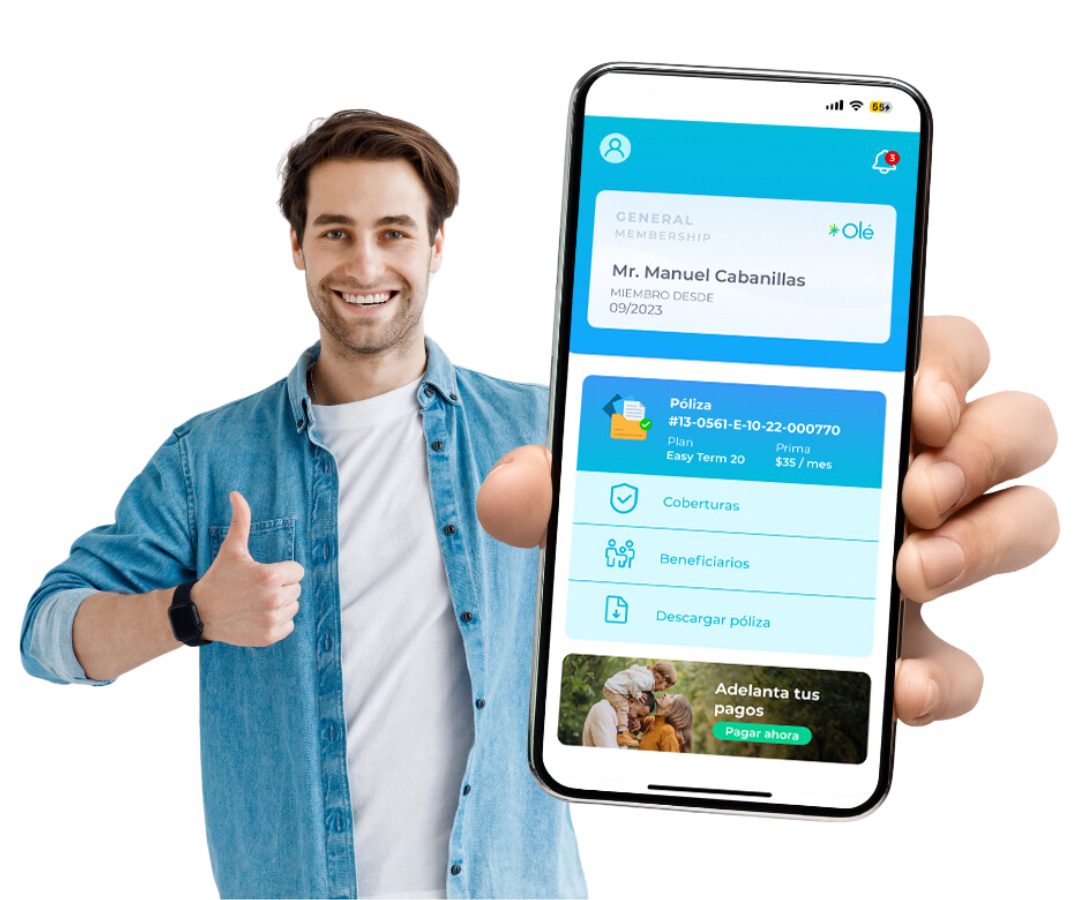
Advisors have their own technology. PayPal Ventures describes an app that ranks quotes by probability and helps manage portfolios. Olé Life GO supplies training, quoting resources and forms. The lesson for another founder is concrete: study the repetitive work inside an existing distribution channel, then make that work easier. Customers may meet the improvement through a familiar person.
The expensive part comes later
January 2025 brought $13 million in Series B funding, led by PayPal Ventures with Mundi Ventures, AV8 and Advent-Morro participating. Olé said the money would support local operations and broader protection products. Its reported insured value exceeded $2 billion. That figure measures coverage promised, not sales revenue, company valuation or cash available to pay claims.
January 2025
January 2025
January 2025
AM Best’s October 2025 assessment adds a useful financial check. It affirmed B++ financial strength, with a stable outlook, and assessed balance-sheet strength as very strong. It also flagged expansion risk and reported $2.9 million in earned premiums as of June 2025, alongside negative technical income and year-end results driven mainly by management expenses. Growth still has bills.
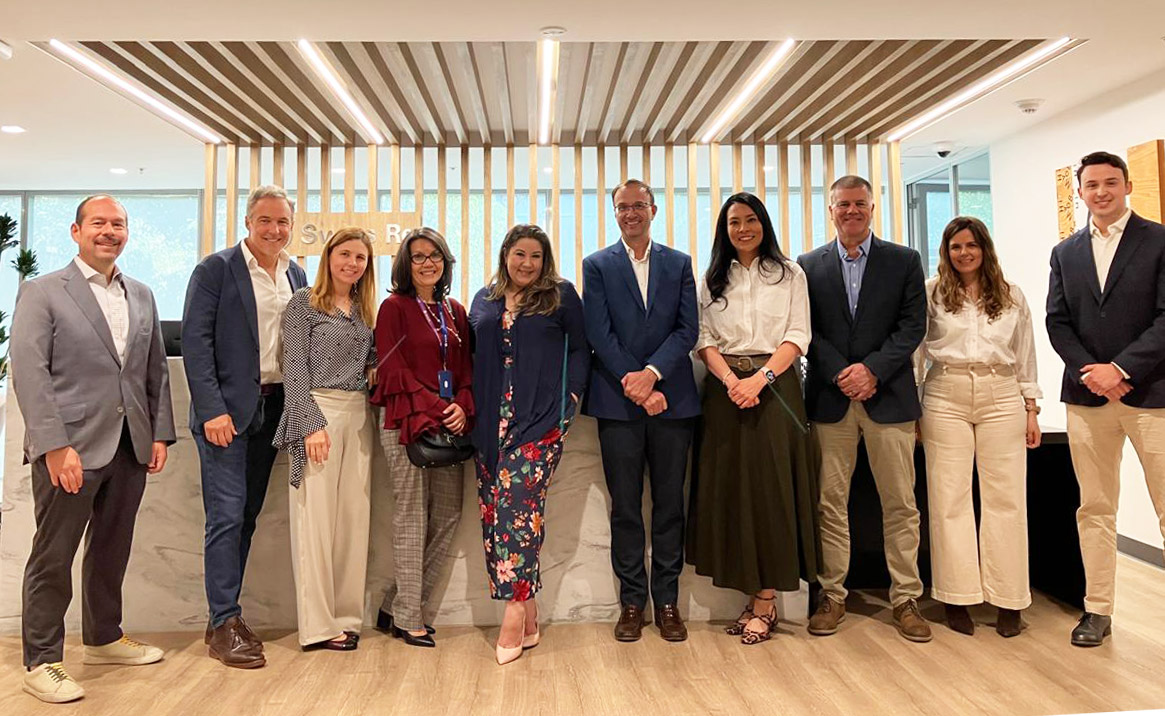
Risk financing sits behind the screen. Swiss Re became a strategic reinsurer effective April 1, 2025; Olé also lists Munich Re, RGA and PartnerRe. Reinsurance transfers part of the insurer’s exposure. It helps explain how a young carrier can support long promises, although the insurer’s own rating and obligations still deserve attention.
One brand, local rules
“Brazil is not for beginners. You need a strong local partner.”
Michael Carricarte · March 2026 coverage
Translated from Portuguese
The 2026 expansion makes the partnership model tangible. In Brazil, Excelsior issues the insurance and Nomad distributes the offering. The Brazilian site advertises protection from $12 a month for a specified example: a 30-year-old nonsmoking man with $100,000 coverage. It lists $100,000-$500,000 coverage and a price fixed for five-year periods. Those terms deserve their own reading.
In Mexico, an August 2026 alliance paired Olé with Seguros Patrimonial. Local product materials specify coverage and enrollment ages. These arrangements show why expansion involves more than translating a website. The issuer, distribution route and policy conditions must fit the market. A familiar brand does not make the underlying contracts identical.
Borrow the workflow
There is a smaller, telling example in payments. Olé introduced Flywire to offer more country-specific methods and reduce bank-transfer costs. Even a quick application loses its charm if paying is awkward. Better distribution includes the unglamorous steps after the sales conversation.
For a prospective customer, the practical route is to request a local quote, establish the issuer, compare benefits and exclusions, and understand the currency commitment. For a builder, the transferable idea is to improve the work around trust. Olé makes insurance easier to approach while retaining people and institutions whose job is to make the promise intelligible and support it over time.