Buy a Samsung Galaxy phone through Tre in Sweden and insure it through the operator’s direct sales channels. Along with device protection, Samsung Care Services offers access to certified repairs using genuine parts and an extended warranty if battery capacity falls below 80 percent. Three companies sit behind that proposition: Tre, Samsung and bolttech. The first two names are familiar. The third has built its business around being useful in precisely this sort of arrangement.
Insurance usually asks people to stop what they are doing and contemplate something unpleasant. A broken screen. A damaged car. A hospital bill. bolttech’s approach is to put the offer into an interaction already under way, then provide the technology and services that help fulfil it. The commercial question is wonderfully practical: who already has the customer’s attention?
The Singapore-headquartered company launched in 2020 and reached a $2.1 billion valuation at its June 2025 Series C close. Its pitch stretches well beyond another box at checkout. Banks, retailers, carmakers and telecommunications companies can use its platform to arrange protection under their own brands. Insurers gain distribution. Customers encounter coverage alongside something they already want.
A business built between businesses
In industry language, bolttech is a B2B2C insurtech. One business supplies technology and operating services to another business, which reaches the consumer. The company connects insurance providers with distributors and supports the work around a policy: configuring products, collecting information, quoting, selling and servicing.
Consider the two sides of that transaction. A retailer knows what a shopper has bought but may have little appetite for building an insurance operation. An insurer understands risk but needs access to suitable customers. bolttech supplies a way for them to work together. Its product is partly software and partly the accumulated knowledge of making insurance programmes function.
The distribution engine includes a library of insurer connections and a questionnaire designed to use one interview for several carriers. Its product configurator lets teams assemble coverage and pricing arrangements without writing code for every change. Other tools support partner portals, policy administration and claims. Reusing that work across programmes is central to the economic logic: every new retailer should not require a completely new machine.
Bank account.A partner has the customer relationship.
providersSupply policies for the programme.
A simplified view. The partner, insurer and service responsibilities vary by programme.
This gives bolttech several kinds of customer. A bank wants protection that fits its banking proposition. An insurer wants additional routes to market. An agency wants less repeated data entry and more quoting options. They are buying different uses of the same broad capability: connecting insurance supply with a place where demand can be reached.
The sales tools make those differences visible. A consumer portal lets customers compare, bundle and purchase policies themselves. A partner portal supports referral links and helps partners manage prospective customers. In the United States, bolttech also offers fulfilment support through licensed agents across all 50 states. A business can therefore need help with the handoff to an insurance professional as much as with the screen displaying an offer.
For an insurance agency, the appeal is access to products and support inside its existing work. For a consumer brand, it is the ability to add protection without designing every step of the insurance journey itself. The required mix of software and human assistance changes with the distributor.
The founder already knew the other side
Founder and Group CEO Rob Schimek came from the insurance establishment. His previous jobs included leading AIG’s worldwide commercial insurance businesses and serving as FWD Group’s managing director and group chief operating officer. That background matters in a business where a promising demonstration must survive an insurer’s operational requirements.
His public explanation is direct. “The only way for this business model to work is through ecosystem partners,” he told AM Best TV. The implication is that relationships are part of the product. A distributor has to trust the service; an insurer has to trust the process; both need a reason to keep participating.
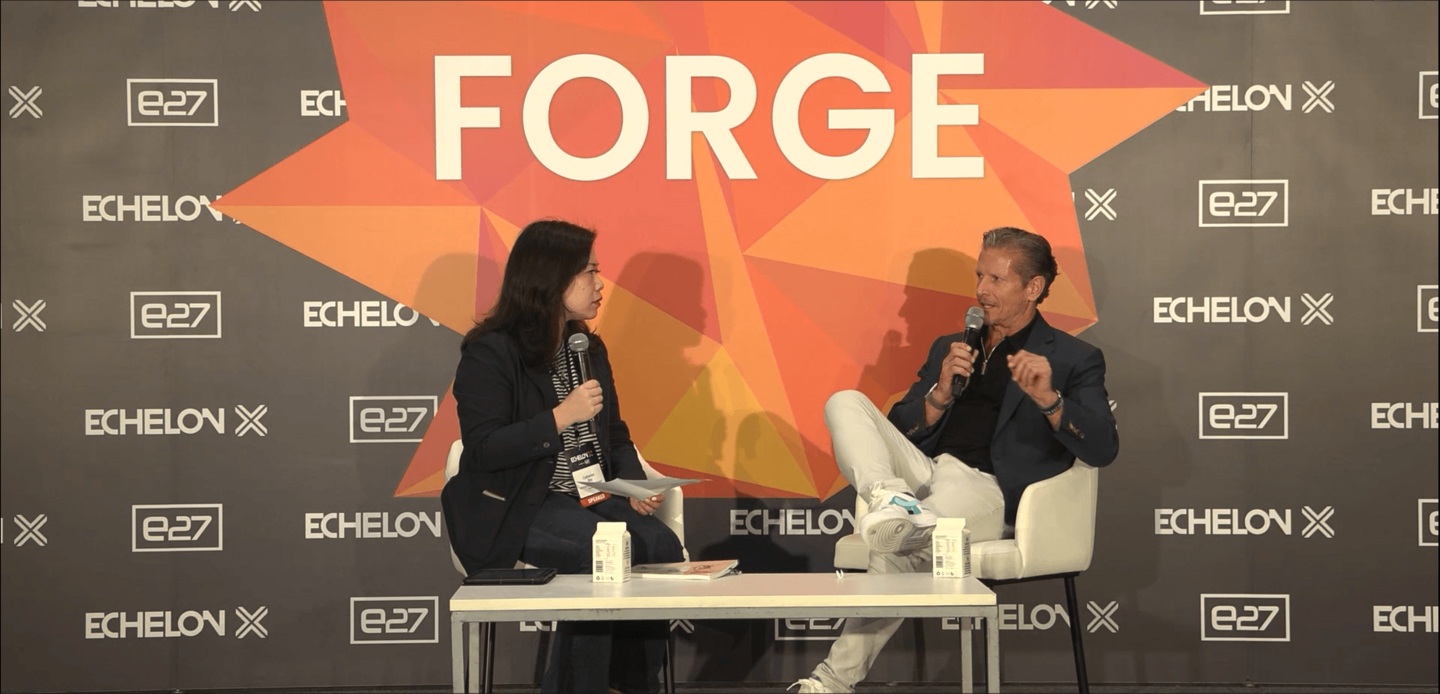
Schimek also competes in endurance events, including the Ironman World Championships and Antarctic Ice Marathon. It is an irresistible detail, though running through hostile weather proves little about insurance software. More revealing is the company’s stated emphasis on ownership and looking at problems from the customer’s perspective. Its four workplace values spell BOLT. Even the culture has been fitted into the brand.
The phone repair is part of the proposition
The Swedish Samsung programme, announced in March 2026, makes the operating model tangible. Global repair access, genuine components and battery protection turn an abstract promise into a service someone might need on a Tuesday afternoon. The customer’s experience depends on what happens after the premium has been paid.
The relationship also shows how bolttech expands. Its European Samsung Care+ collaboration began in six countries in 2021 and had reached 17 by early 2026. Working repeatedly with an existing partner can carry a business into additional markets while preserving a recognisable proposition.
European markets in the Samsung Care+ collaboration.
That expansion still involves local execution. A repair promise needs actual service capacity. A policy needs to fit the market where it is sold. bolttech’s broader device offering includes protection, trade-in, rental and upgrade services, depending on the programme. These are commitments that reach into the ownership of a device, extending the relationship beyond the moment a customer taps “buy.”
Now put the same idea inside a car
In April 2026, BYD appointed bolttech its preferred strategic embedded-insurance partner in its primary European markets. The announcement said the programme was already live in the United Kingdom, with Italy, France, Germany and Spain planned for that year. Motor insurance would appear online and in dealerships during vehicle purchasing and financing.
The arrangement reaches beyond presenting a price. BYD and bolttech said they would give insurers access to vehicle information and safety insights to help assess risk. The intended benefit is more informed insurance pricing for electric vehicles. Whether that produces a better offer still depends on the insurer and the individual risk.
ING supplies another variation. Its June 2026 announcement described a partnership already operating in the Netherlands, Italy, Poland and Belgium, following the bank’s new global subscriptions model. bolttech contributes its platform and servicing expertise; ING contributes an established banking relationship. The attraction for a multinational bank is the possibility of coordinating insurance across markets with less duplicated operational work.
In July, Jubilee Health and bolttech announced an East African health-insurance partnership. The plan uses APIs to bring cover into partner platforms, opening additional distribution routes. Health coverage, a banking subscription and a car purchase each require different products and service arrangements. The common opportunity is access to an existing customer interaction.
Big numbers, with the labels left on
bolttech’s website currently reports more than $85 billion in premiums quoted annually. That is a measure of insurance business priced through the platform. Quotes can go unpurchased. Several quotes can compete for one buyer. The figure therefore cannot stand in for completed sales, collected premiums or bolttech’s own revenue.
Company-reported platform activity, accessed September 2026. A quote is a price offered; it is not a sale.
The financing has more definite boundaries. The company’s Series A ultimately reached $247 million in 2021. A Series B led by Tokio Marine reached $196 million in May 2023; LeapFrog’s subsequent $50 million investment brought that round to $246 million. MetLife and Khazanah Nasional were also among the Series B investors.
The Series C closed in June 2025 with $147 million in shares acquired by investors, at the $2.1 billion valuation. Dragon Funds, Baillie Gifford and Generali’s Lion River were joined by Sumitomo Corporation and Iberis Capital. Sumitomo also entered a joint venture with bolttech for embedded insurance and related services in Asia. Here, an investor can bring a potential business relationship as well as capital.
Those rounds funded an expansion strategy and platform development. They are financing figures, rather than a bill for constructing one product. For a clearer example of how a customer pays, bolttech’s published ecommerce warranty pricing is useful: the merchant collects the warranty sale price, bolttech charges a service fee on sales, and the merchant retains its markup. That arrangement describes this particular merchant offering, rather than every enterprise contract.
The connection is becoming a crowded business
bolttech has capable alternatives. Cover Genius offers embedded protection through XCover, with insurance presented inside partner journeys. Qover offers a configurable platform covering policies, claims, customer care and other operating functions. Both show why a promise to “embed insurance” is too broad to establish a meaningful difference by itself.
bolttech’s case rests on the combination: insurer connections, distribution tools, multinational partnerships and services such as device repair. A partner choosing among providers should examine the programme it actually needs. Geography, insurer availability, product design and claims execution matter more than a long list of possible features. An existing direct relationship with an insurer may also be sufficient for a narrower requirement.
The sale makes the introduction.
The service has to keep the relationship.
The useful lesson for another business is to begin with a specific customer problem. The Samsung example starts with keeping a phone usable. The BYD example starts with insuring a car at purchase. From there, reuse connections and arrange the servicing before expanding the offer. This is an inference from the programmes, not a guarantee that every checkout needs insurance.
There are practical limits. An irrelevant offer adds friction. Unaffordable cover stays unaffordable when placed in an app. A fast sale followed by an unreliable repair can damage the partner’s own brand. Schimek has described customer expectations moving toward service, immediacy and prevention, beyond a claims payment. bolttech’s continuing test is whether it can meet those expectations across the many businesses inviting it into their customer relationships. The battery eventually wears out. Someone has to answer.