mastercard
(20)
BVNK and the price of a Saturday
Money can cross a blockchain in seconds. Getting it into somebody’s usable balance is the harder trick - and the business Mastercard bought BVNK to help solve.

Harshal Nimawat Is Learning to Steer Where Retail Meets AI
From Mastercard and Wharton to CommerceIQ, Harshal Nimawat has built a career around the places where technology, capital and operating judgment collide. His route into the CEO's office includes one unusually literal lesson in keeping a crew on course.

Christopher Ahlberg Put the Internet on a Slider - Then Asked It What Happens Next
A teenage classified-ad experiment became a career spent making enormous datasets usable. After Spotfire and Recorded Future, Ahlberg's enduring trick is simple to describe and hard to copy: turn noise into a decision before the moment passes.
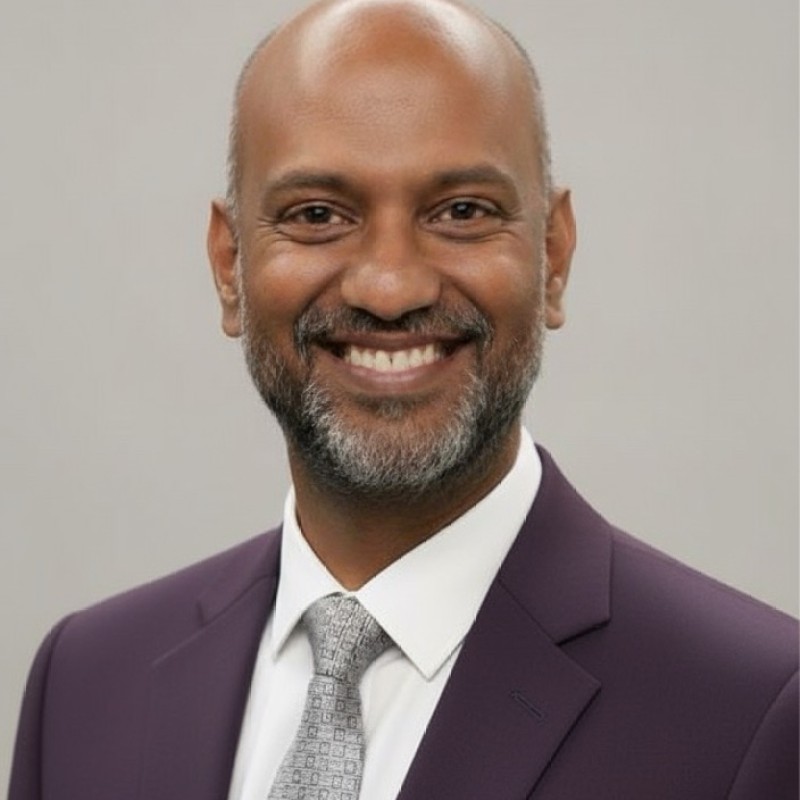
Mukund Ramachandran’s Long Road From Ad Tech to the HSA Moment
After two decades turning complex software into stories buyers could use, the HealthEquity CMO has a new brief: make an underused financial account legible to millions more Americans.

Recorded Future Spent Three Years Lost - Then Turned Internet Noise Into a $2.65 Billion Signal
The founders tried to organize the future, wandered for years, then found a sharper business: tell defenders which threats matter before the damage begins. The result is a useful lesson in focus, patient category-building and making expensive software earn its keep.

Greg Boosin
After nearly two decades learning every side of Mastercard, Greg Boosin moved to Equitable with a practical thesis: complicated financial products still have to make sense to actual people.

Jill Kramer
Jill Kramer learned to make weather maps by hand, found her footing on Madison Avenue and rebuilt a global consultancy's brand. Now she is asking what Mastercard's next chapter should feel like in an age of AI, agentic commerce and fragile trust.

Mastercard
The famous circles sit on billions of cards, but Mastercard's real product is the invisible choreography behind a payment - a global network now learning to serve bank accounts, virtual cards, stablecoins and shopping agents without losing the trust that made the plastic useful.

PayCaddy
PayCaddy is a Panama-based Banking-as-a-Service platform that lets Latin American companies launch financial products through an API. Businesses use its stack to open KYC-verified digital wallets, automate online payments, and issue branded Mastercard debit and prepaid cards - without building core banking infrastructure or negotiating directly with legacy banks. A Y Combinator Winter 2022 company, PayCaddy positions itself as embedded-finance infrastructure for emerging markets.
Instapay Technologies Sdn Bhd
Instapay Technologies is a Kuala Lumpur-based fintech that gives migrant and foreign workers in Malaysia a regulated digital salary account. Through a mobile e-wallet paired with a prepaid Mastercard, workers receive their pay, send money home to 30+ countries, pay bills, top up mobile plans, shop and withdraw cash at ATMs. Licensed by Bank Negara Malaysia as an e-money issuer and money services business, Instapay also runs payroll disbursement for hundreds of corporate employers, bringing an underbanked workforce into the formal digital economy.

MatchMove
MatchMove is a Singapore-based, MAS-licensed banking-as-a-service (BaaS) company that lets any business embed financial services - accounts, cards, payments and lending - directly into its own app through an API-first platform called Banking Wallet OS. Founded in 2009 by Shailesh Naik, the company markets itself under the tagline 'A Bank in Any App' and has issued more than 4 million cards, processed over US$5 billion in payments, and reaches 200+ payout countries through 100+ enterprise partners.

NymCard
NymCard is an Abu Dhabi-based embedded finance and payments infrastructure company that lets banks, fintechs, telecoms and enterprises launch and run card programs, lending and money-movement products through a single API-first platform called nCore. Founded in 2018 by Omar Onsi, it owns its issuing and switching technology rather than licensing it, is licensed by the Central Bank of the UAE, and is a certified partner of Visa and Mastercard across the Middle East, North Africa and Pakistan.

TomoCredit
TomoCredit is a San Francisco fintech that issues a credit card to people the traditional system can't see - immigrants, students, and first-time borrowers with no FICO score. Instead of a credit check, its proprietary 'Tomo Score' underwrites applicants on cash-flow and bank data, with no deposit, no APR, and no fees, earning revenue purely from merchant interchange. Founded in 2018 by Kristy Kim after she was denied a car loan as a Korean immigrant with no credit history, the company has processed millions of applications and is now building TomoIQ, an AI financial assistant that turns professional-grade money guidance into something anyone can use.

MovoCash, Inc.
MovoCash, Inc. (MOVO) is a Palo Alto-based financial technology company founded in 2014 by veteran financial-industry entrepreneur Eric Solis. MOVO offers an on-demand mobile banking app that lets people instantly create FDIC-insured accounts and disposable virtual debit cards, send peer-to-peer payments, pay bills, and make contactless purchases from their phone - even without a traditional bank account. Built on its patented HyperBIN digital-token technology and delivered with Mastercard and Coastal Community Bank, MOVO positions itself as a 'digital cash' network that blends payment cards, bank accounts, and mobile money movement.

Pesto
Pesto is a San Francisco fintech building an affordable alternative to pawn and payday loans. Its flagship product, the Pesto Mastercard, lets people pledge valuables - gold, jewelry, watches and other assets - as collateral to receive a secured credit card, regardless of credit score. Cardholders unlock liquidity and build credit history without selling what they own, at interest rates the company says are a fraction of equivalent pawn loans.
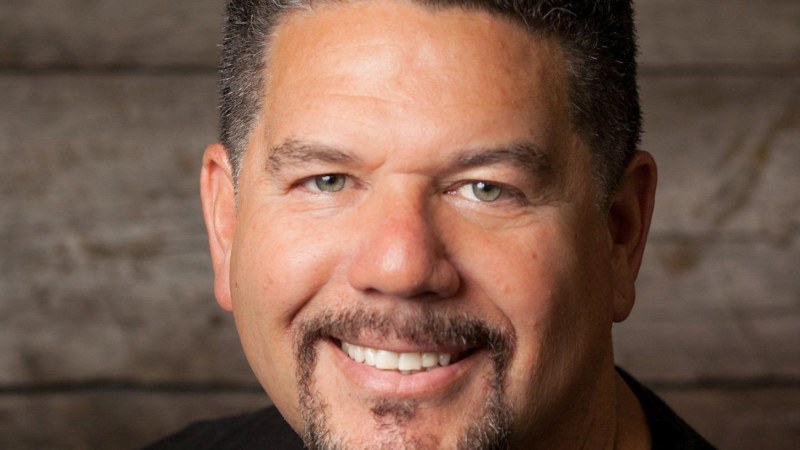
Eric Solis
Eric Solis is the founder and CEO of MovoCash, Inc., a fintech company building on-demand mobile banking for the underbanked. A self-described full-stack entrepreneur with more than 25 years in finance, he was a senior investments executive at Merrill Lynch and Prudential Securities before launching SaveDaily and SAVE252. At MovoCash he developed MOVO, a patented platform that blends on-demand banking, distributed-ledger technology and AI to issue Real Time Payment Cards and move digital cash peer-to-peer. The company raised roughly $9 million across a 2016 seed and a 2018 Series A, partnered with Mastercard and FDIC-insured banks, and grew past 250,000 users.
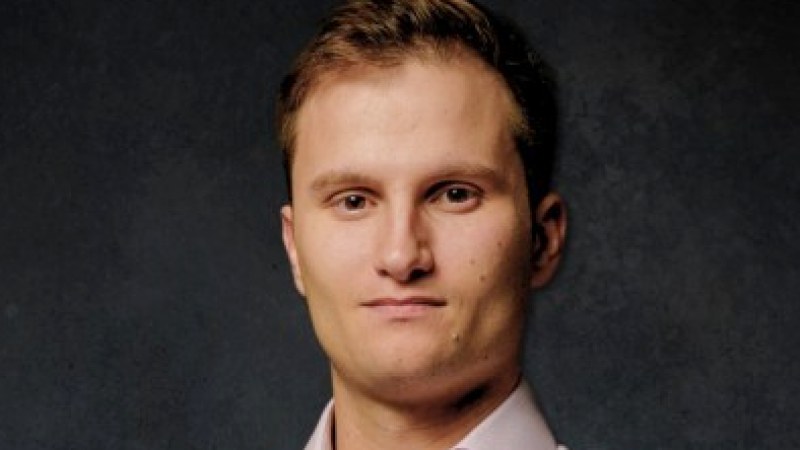
James Savoldelli
James Savoldelli is the founder and CEO of Pesto, a San Francisco fintech building an asset-backed secured credit card that lets people borrow against valuables like gold and watches without selling them or needing a credit score. A Stanford Human Biology grad and NYC native, he worked inside Los Angeles's largest pawnshop during the pandemic, watched customers cycle through loans that never built credit, and turned that observation into a Mastercard issued by Continental Bank. Pesto went through Y Combinator (W21) and raised $11M in Series A funding in 2023 from investors including Activant Capital and Plural.
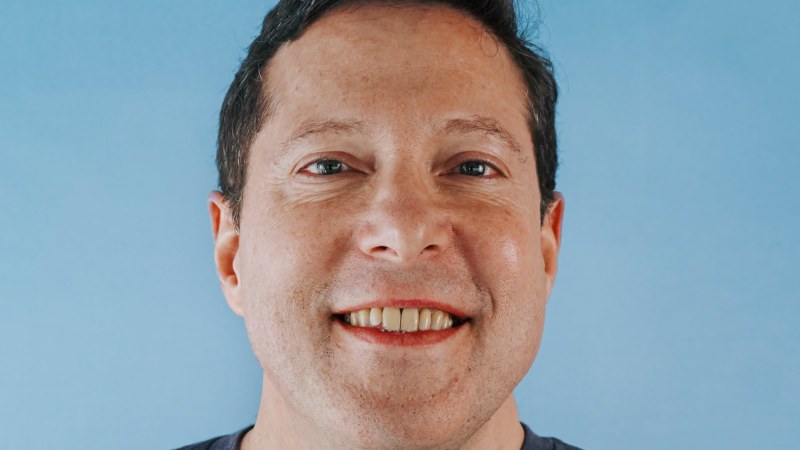
Lawrence Herman
Lawrence Herman is the Chief Financial Officer and AI Strategy Leader at Cents, the all-in-one operating system for laundromats and dry cleaners. A payments and fintech finance veteran, he has steered the books at Dwolla, Accrete, and Paxful, and logged earlier stretches at Mastercard, American Express, Dataminr, EY, Citi, Morgan Stanley, and Goldman Sachs. Harvard-trained in economics, he is known for calm during industry cycles, a preacher's zeal for financial literacy, and a habit of walking into every meeting with three discussion points and three asks.
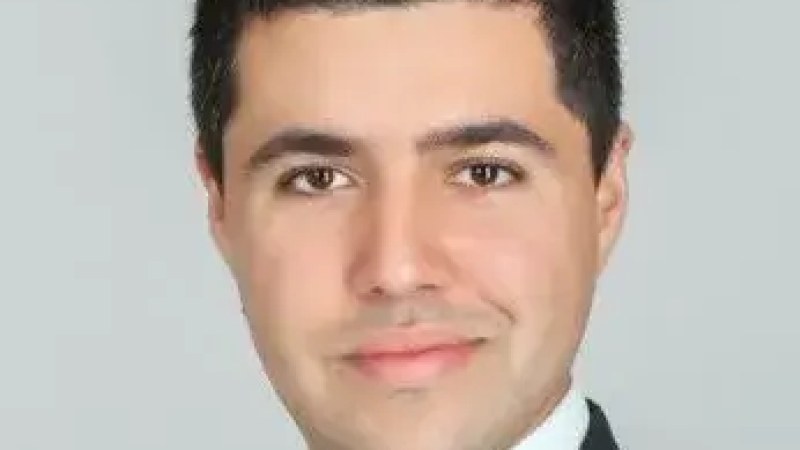
Paul Monasterio
Paul Monasterio is the CEO and co-founder of Kalepa, a New York AI company building decision-support software for commercial insurance underwriters. A Venezuelan-born nuclear physicist with a PhD from MIT, he traded particle research for big-data analytics at Applied Predictive Technologies (acquired by Mastercard for $600M) and Facebook before launching Kalepa in 2018. Its Copilot platform helps underwriters 'bind with confidence,' and the company raised a $14M Series A from Inspired Capital in 2021.

Vicky Bindra
Vicky Bindra is the CEO of Trulioo, a Vancouver-based global identity verification platform that has raised $478M in funding. A Chartered Accountant with an MBA from MIT Sloan, Bindra brings nearly 30 years of fintech and payments experience from leadership roles at Visa, Mastercard, Citi, GE Capital, Pine Labs, FIS, and Nuvei. Appointed CEO of Trulioo on April 1, 2025, he is now focused on accelerating product innovation, AI integration, and establishing Trulioo as the trusted infrastructure layer for digital identity in the era of agentic commerce.