drug-development
(211)
Vir Biotechnology’s Second Act Comes With a Mask
After COVID antibodies and a failed flu trial, Vir is betting on hepatitis delta and cancer drugs designed to switch on inside tumors. Its comeback has partners and cash. The decisive clinical tests are still ahead.
Sensyne Health’s £60 Million Bet on NHS Data
Sensyne offered hospitals a share of the proceeds from AI research. A cash crisis forced a rescue, a new name and a smaller business - while its pregnancy-diabetes app found a life of its own.

The Company That Watches the Drug and Runs the Trial
Perceptive can trace a molecule in a scanner, standardize images across hundreds of hospitals, and keep the right study drug moving to the right patient. Its wager is that the handoffs between those jobs matter as much as the jobs themselves.
Henry Hsu Has Spent a Career Turning Small Molecules Into Big Decisions
The physician-founder behind Allysta learned biotech from the least glamorous end: protocols, partnerships and the long distance between a promising mechanism and a credible medicine.
Joshua Grass Is Building a Second Life for Shelved Science
After two biotech exits and 15 years inside BioMarin, Joshua Grass is betting that some promising medicines stall for organizational reasons, not scientific ones. His new company, Mendra, raised $82 million to find those overlooked programs and carry them farther.
Guofeng Cheng’s second act is a $360 million race from lab bench to launch
After a dozen years helping antiviral programs move through Gilead, the scientist-founder built AusperBio around one stubborn idea: make the molecule do more work. Seven years later, the company is preparing for the harder passage from clinical promise to commercial reality.
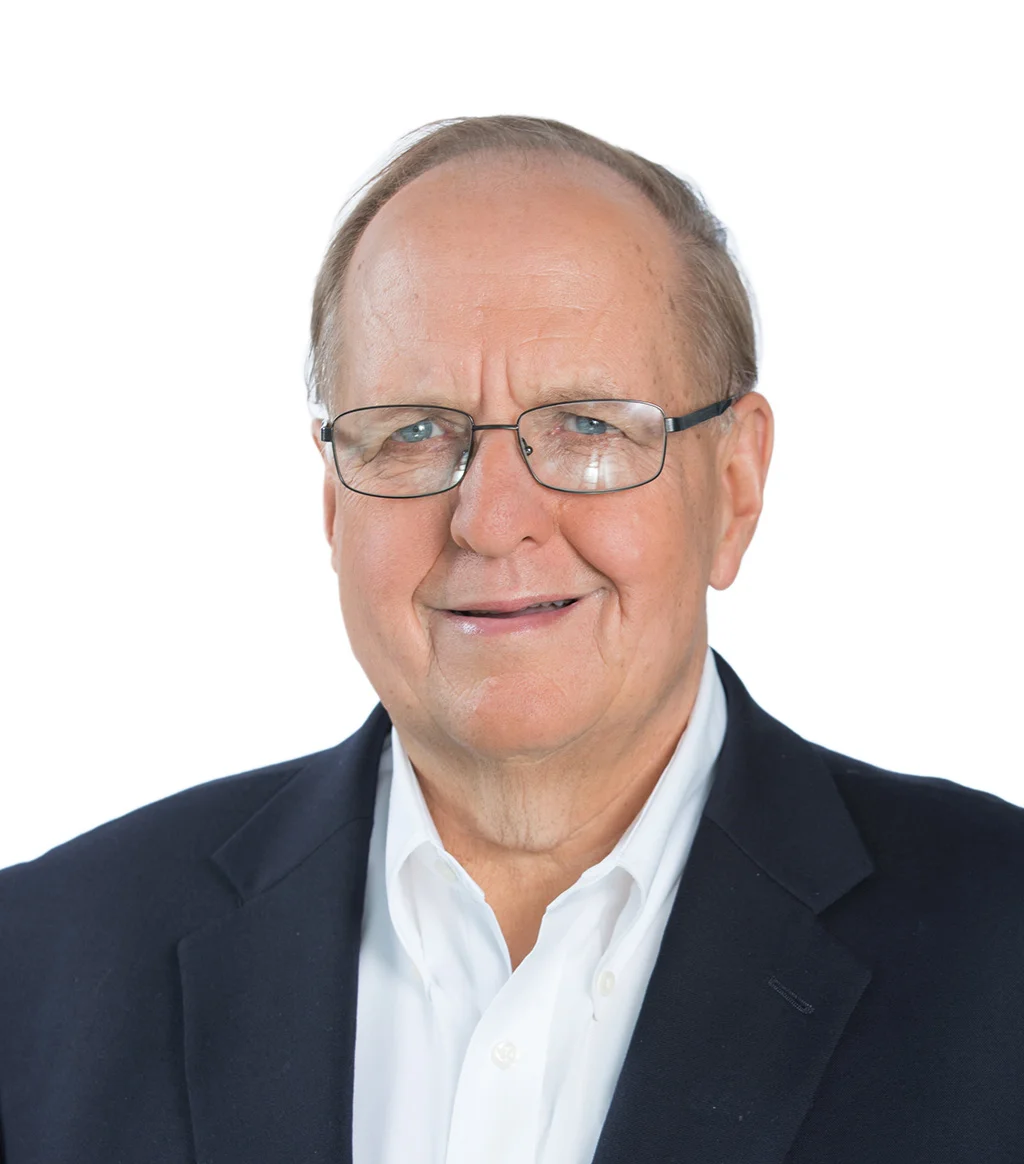
Karl Beutner Spent 350 Trials Learning What Biotech Founders Usually Learn Too Late
Before he became a biotech founder, Karl Beutner built a practice, ran more than 350 clinical trials and helped guide over a dozen products to approval. DermBiont is the latest chapter in a career spent turning small, testable decisions into durable progress.

Mani Subramanian Is Building His Second Act Around the Cell's Power Bill
After helping annotate genomes and guide five Gilead therapies to approval, the physician-scientist left the large-company machine to build OrsoBio - a small team making a careful wager on how cells spend energy.
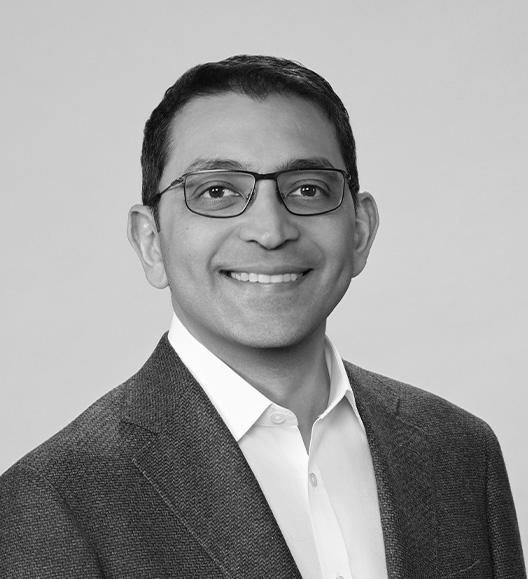
Mayank Gandhi Is Betting That Two Targets Can Make One Better Cancer Drug
A physician who learned Wall Street, oncology and company-building is testing a precise idea at NEOK Bio: give an antibody-drug conjugate two ways to find its target, then make execution as carefully engineered as the medicine.
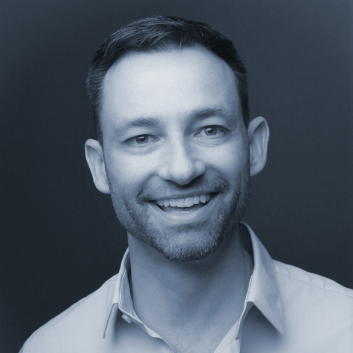
Andreas Bader Has Spent 25 Years Turning Biology Into Biotech
From microRNA to engineered T cells to mitochondrial targets, the Austrian biochemist keeps returning to the same hard problem: how to carry a promising mechanism across the unruly distance between a lab result and a real company.
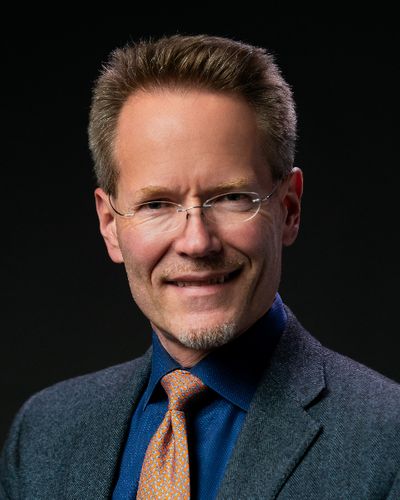
Axel Hoos Keeps Choosing the Empty Blueprint
He helped give immuno-oncology a working language, rebuilt an oncology operation after its cupboard was cleared, and turned a young biotech into a clinical-stage company. Now Axel Hoos is starting again.
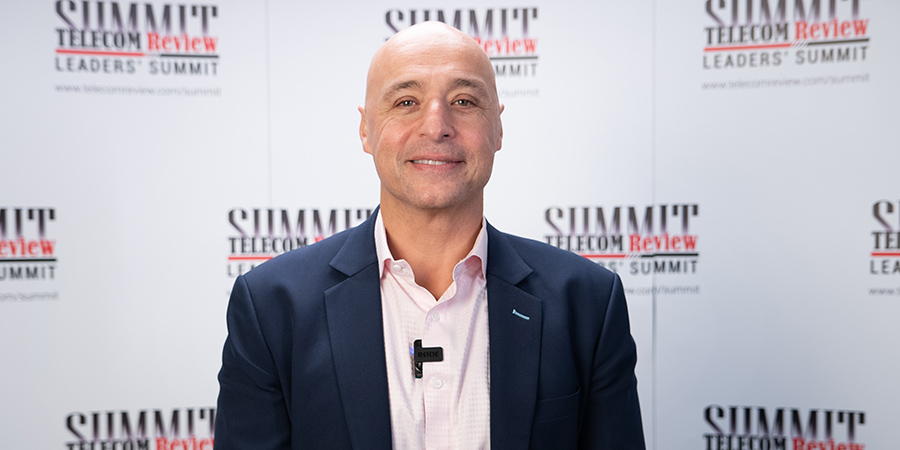
Andrew Feinberg Built a Career Turning Data Chaos Into Decisions
For nearly three decades, Andrew Feinberg has worked on the same stubborn problem in two very different rooms: how to turn overwhelming complexity into a useful next move.
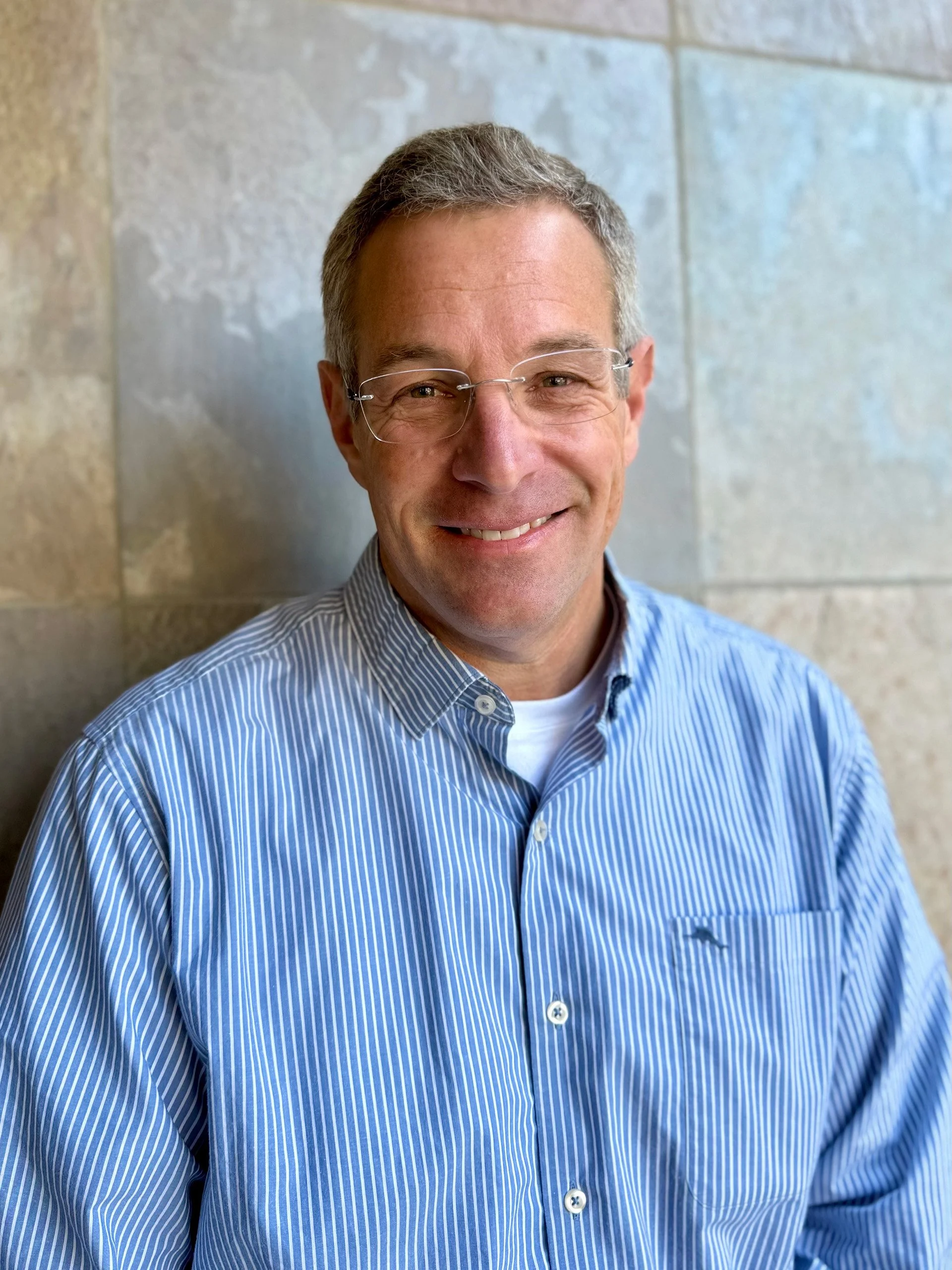
Jason Levin Stayed With the Bet Long Enough for the Science to Change
For more than a decade, the Orbus co-founder helped carry one drug through financing, patents and a 343-patient trial. Then a new tumor classification changed the question - and the company’s next chapter.
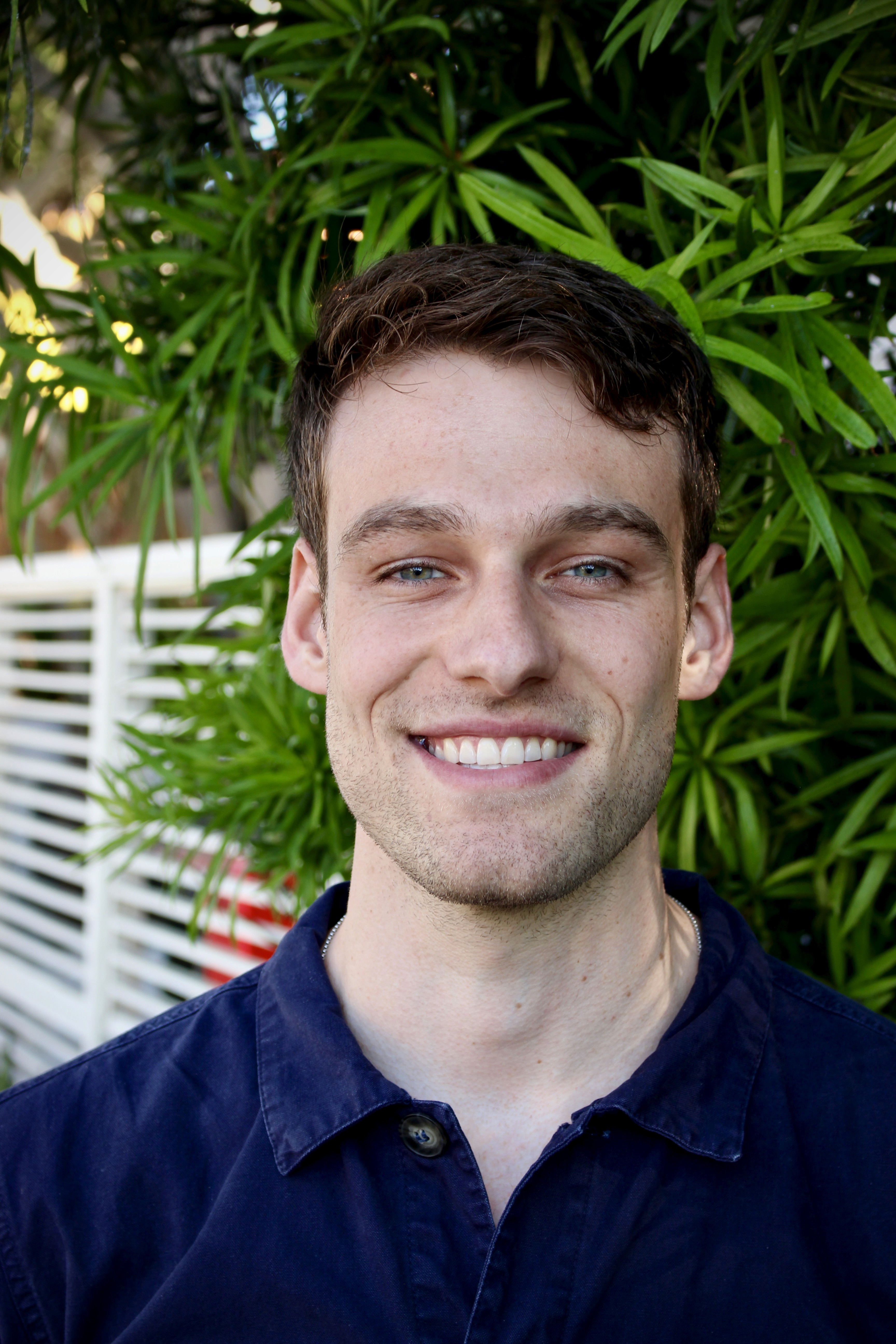
Scott Gies Took the Scenic Route to Biotech
Before Scott Gies cofounded Zoe Biosciences, he studied genomes, octopus cognition and marine conservation. The connecting idea is simple: follow the evidence, even when it takes the scenic route.
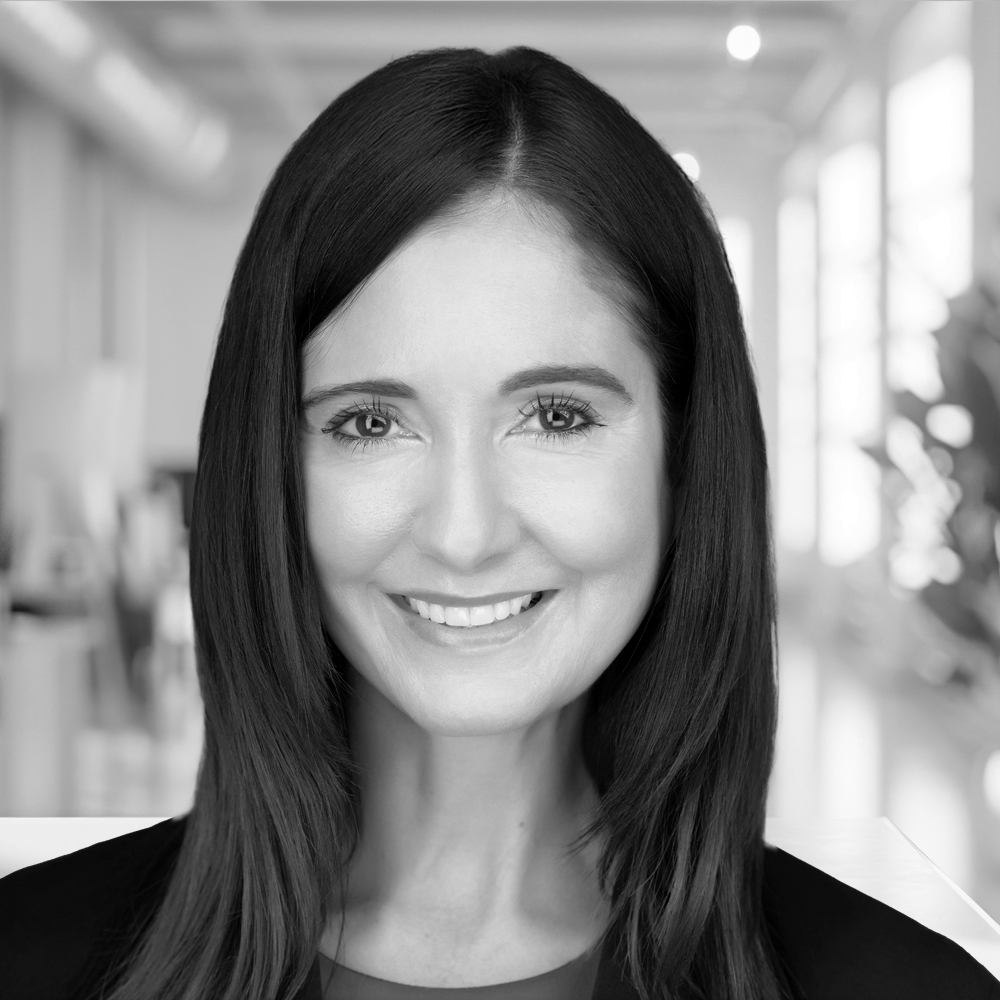
Catherine Pearce Builds Biotech Companies From the Assets Everyone Else Forgot
Her career began with a Roche sales bag and came full circle in a $1.8 billion biotech exit. Now the Cincinnati operator is running the play again, with a sharper eye for overlooked science and a bigger table for the people building it.
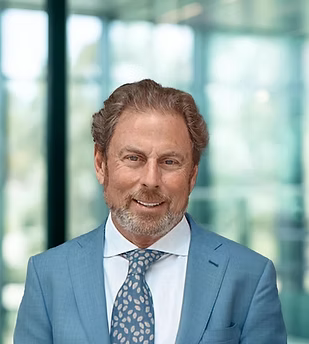
James Posada Kept Following the Signal
The Resolve Therapeutics founder has spent a career moving between the lab bench and the deal table. His through-line is unusually consistent: find the signal, understand the mechanism, and build around it.
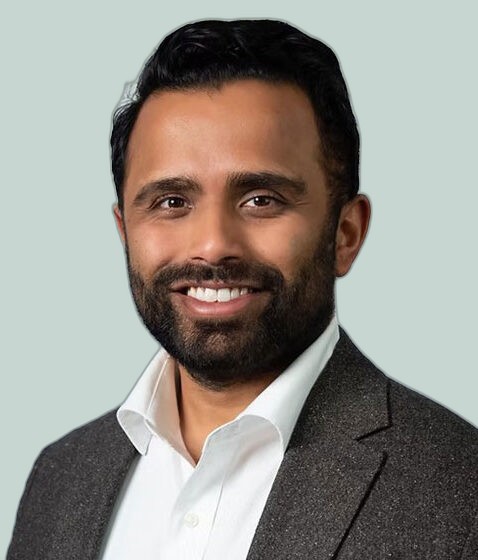
Anand Parikh Learned Biotech by Asking Better Questions - Then Built Around the Answers
A biology student became a lawyer, a lawyer became an operator, and an operator built a biotech company around a neglected question: what changes when metabolism is treated as part of the therapeutic design?
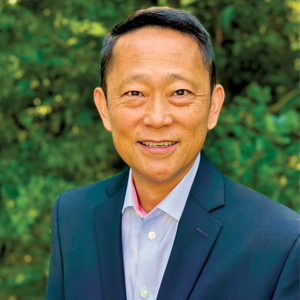
Thomas Han Built a Biotech Career at the Hand-Off
Thomas Han spent decades learning how medicines move from a promising idea to a durable business. At Peroxitech, he is applying that education to the hardest hand-off in biotech: turning university science into a company that can keep moving.
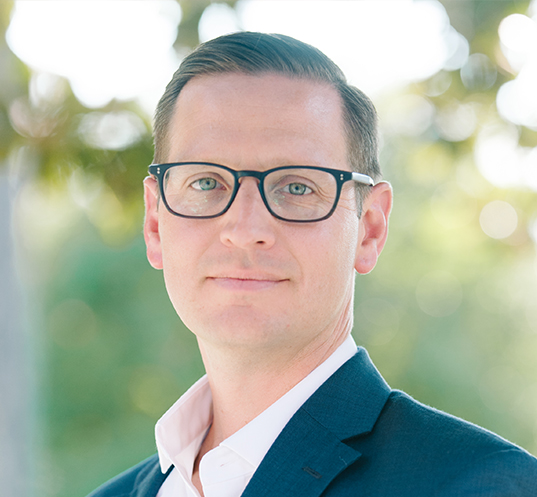
Patrick Roberts Is Betting the Cell Cycle Has Another Door
After helping a small North Carolina biotech move a cell-cycle drug from discovery toward patients, Patrick Roberts reunited with longtime colleagues to pursue a harder target: CDK2. The wager behind Incyclix Bio is that precision, patience and the right biomarkers can reopen a route that resistant cancers have learned to use.
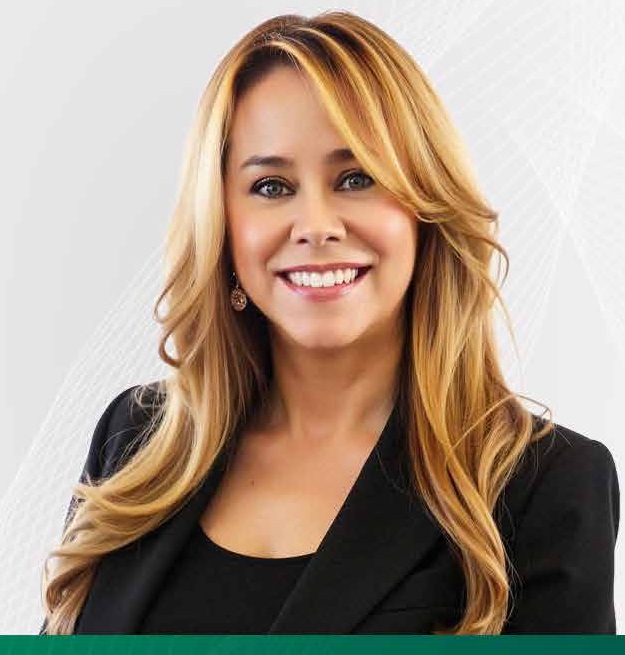
Julie-Ann Cabana and the Human Language of Drug Development
Before she unified a complicated research business under one name, Julie-Ann Cabana learned to sell science across cultures, continents, and conference tables. Her operating lesson is disarmingly simple: make the complex clear, and make the corporate human.
Bausch Health Built a $10 Billion Medicine Cabinet - Now It Has to Outrun a $20 Billion Hangover
Its products sit in pharmacies, dental offices, GI clinics and aesthetics practices across roughly 100 countries. The hard part is not selling medicine - it is turning a sprawling acquisition legacy into a focused healthcare company before debt, patents and price controls set the pace.
Altasciences Bet the Drug Lab on One Idea: Fewer Handoffs, Faster Answers
The Montreal-area CRO escaped the commodity economics of generic-drug testing by stitching labs, clinics and manufacturing into one early-development platform. Its wager is simple: the science need not move recklessly for the program to move faster.

Klotho Therapeutics Raised $10 Million to Bottle a Longevity Protein. The Hard Part Is Still Human Proof
Klotho Therapeutics has a patented protein, a myth-sized ambition and a very human bottleneck: animal evidence is intriguing, but patients need manufacturing, dosing and trials - not mythology.

Orbus Bet $71 Million on One Brain-Cancer Trial - Then the Definition of the Disease Changed
A tiny Palo Alto biotech took an old molecule into a global Phase 3 trial. The broad result failed, but a new molecular map of brain cancer revealed where the drug may actually work - and offered a playbook for anyone building in a market whose definitions move mid-experiment.
Peroxitech Put $25 Million Behind a Nine-Amino-Acid Bet on Saving Injured Lungs
The Philadelphia spinout is trying to stop acute lung injury before oxidative damage snowballs. Its unusually small peptide has survived mice, pigs and a $25 million financing - but the decisive human test still lies ahead.

Incyclix Bio Is Betting One Precise Brake Can Stop Cancer's Second Escape Route
A 13-person North Carolina biotech licensed an overlooked CDK2 program, narrowed the patient target and pushed one oral drug into the clinic. Early data offer a reason to keep going - and a useful blueprint for building around a precise scientific thesis rather than a sprawling pipeline.
The $185 Million Bet That Spirulina Can Make Biologic Drugs Cheap Enough to Swallow
Lumen survived a biofuel bust and a pigment-price collapse by turning stubborn green microbes into miniature drug factories. Now its oral biologics face the test that matters: whether an elegant manufacturing trick can survive large clinical trials and the economics of medicine.
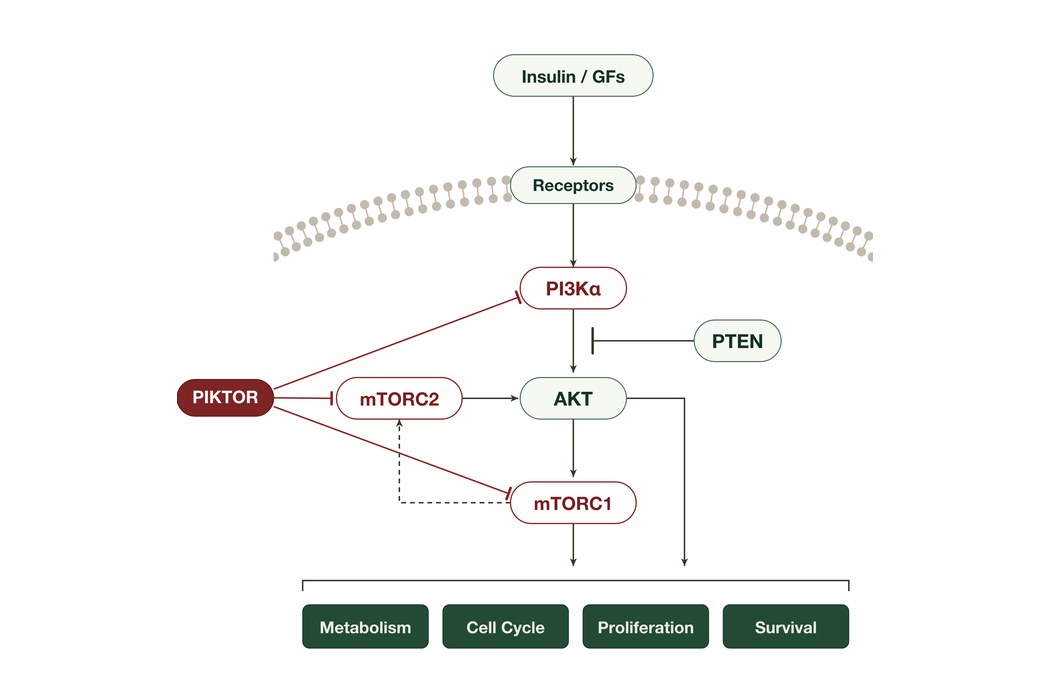
Faeth Bet $92 Million That Cancer’s Escape Route Can Be Blocked
Single-target cancer drugs can teach tumors how to route around them. Faeth’s answer is PIKTOR - two oral medicines, three pathway nodes and a public-company-sized test of whether deeper blockade can stay tolerable.
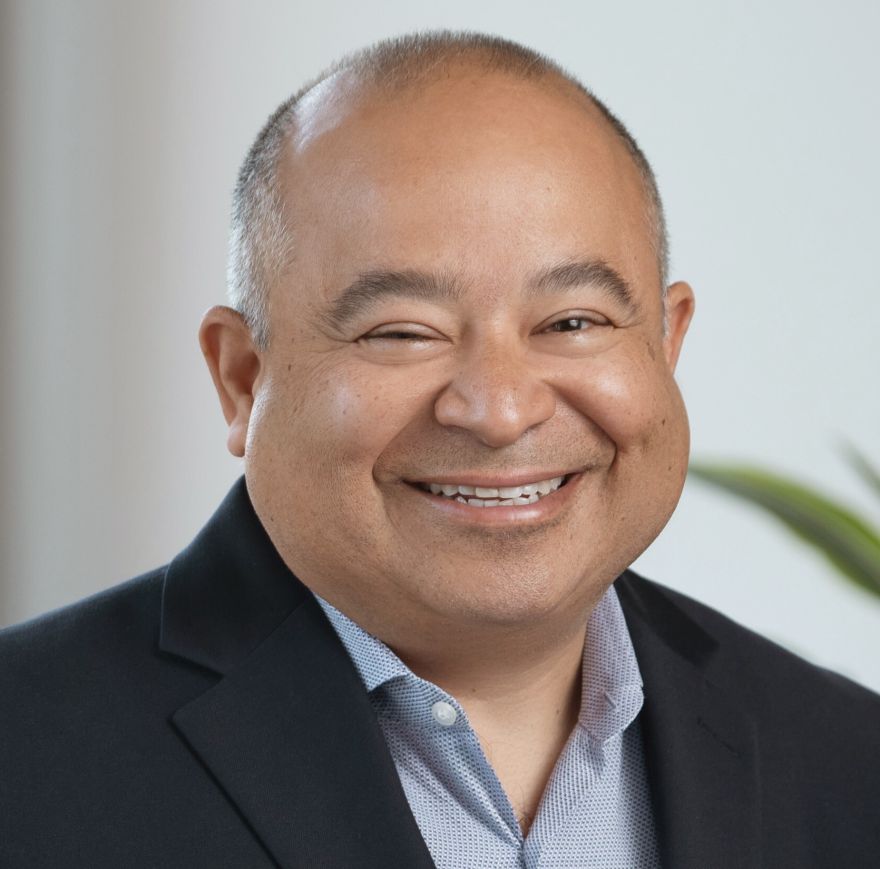
The Chemist Who Wants to Build a Kinder Cancer Drug
He spent 25 years learning how cancer drugs fail. Now he is running a company built on the idea that the next generation can be safer, steadier, and easier to live with.
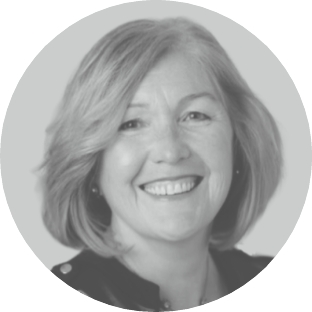
Eiry Roberts Built the Bridge From Lab Bench to Boardroom
Across 26 years at Lilly and seven as Neurocrine's chief medical officer, Eiry Roberts learned that drug development is less a straight line than a chain of judgment calls. Her next chapter puts that operating memory to work in the boardroom.