adc
(25)
The Chemist Who Wants to Build a Kinder Cancer Drug
He spent 25 years learning how cancer drugs fail. Now he is running a company built on the idea that the next generation can be safer, steadier, and easier to live with.
Sanavia Oncology Inc.
Sanavia Oncology is a New York-based biotech company developing next-generation cancer immunotherapies for patients who don't benefit from existing treatments. Its proprietary platform pairs high-throughput sequencing, single-molecule super-resolution microscopy, 3D protein modeling and artificial intelligence to discover novel, clinically relevant cancer-specific epitopes in drug-resistant tumors, then generates antibodies with atomic-level specificity to those targets. The company is building antibody drug conjugates (ADCs), bispecific T cell engagers (TCEs) and CAR-T therapies - led by its SANA-01 ADC - and is backed by Two Bear Capital.
FibroGen, Inc.
FibroGen, Inc. is a San Francisco biopharmaceutical company that spent three decades building first-in-class medicines around hypoxia-inducible factor (HIF) and connective tissue growth factor (CTGF) biology. Its best-known drug, roxadustat, is an oral treatment for anemia approved in China, Japan and Europe. After selling its China business to AstraZeneca in 2025 and paying down debt, the company rebranded as Kyntra Bio (Nasdaq: KYNB) in January 2026 to concentrate on oncology and rare disease, led by FG-3246, a first-in-class CD46-targeting antibody-drug conjugate for metastatic prostate cancer.

AmMax Bio., Inc.
AmMax Bio is a clinical-stage biotechnology company in Redwood City, California, developing first-in-class cancer therapeutics built on a CSF1R-targeting antibody platform. Founded in 2020 by pharmaceutical veteran Larry Hsu, PhD, in partnership with Amgen, the company advances a pipeline that spans a monoclonal antibody for tenosynovial giant cell tumor (TGCT), a therapy for colorectal cancer minimal residual disease (in partnership with MD Anderson), and a lead antibody-drug conjugate, AMB-104, for acute myeloid leukemia. AmMax's strategy is to de-risk development by combining clinically validated antibodies with established linker-payload technology.

ESS Technology, Inc.
ESS Technology is a privately held fabless semiconductor company in San Jose, California that designs high-performance analog and audio chips. It is best known for its SABRE line of digital-to-analog converters (DACs) and analog-to-digital converters (ADCs), built on the patented HyperStream modulation architecture, which are widely regarded among audiophiles as some of the best-sounding audio silicon on the market. ESS parts power everything from LG flagship smartphones and Sennheiser's flagship headphones to home-theater receivers, professional studio gear, soundbars, and automotive audio systems.
Kivu Bioscience
Kivu Bioscience is a clinical-stage biotechnology company in San Mateo, California, building next-generation antibody-drug conjugates (ADCs) for solid tumors. Founded by BioGeneration Ventures and led by ADC veteran Mohit Trikha, the company licenses Synaffix's GlycoConnect and HydraSpace site-specific conjugation technology to engineer more homogeneous, stable ADCs that aim to widen the therapeutic window - hitting tumors harder while sparing healthy tissue. Backed by a $92 million Series A led by Novo Holdings, Kivu has moved its lead candidates KIVU-107 (PTK7) and KIVU-305 (CEACAM5) into Phase 1 clinical trials.
MBrace Therapeutics
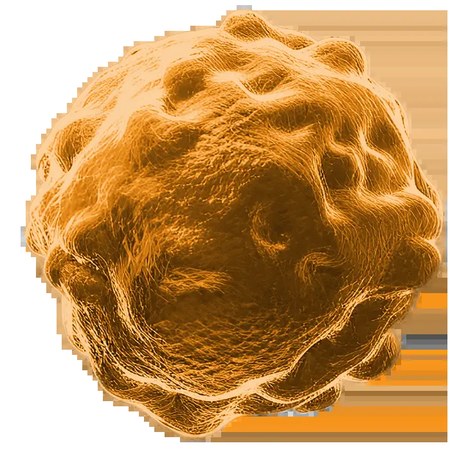
MBrace Therapeutics is a clinical-stage oncology company building antibody-drug conjugates (ADCs) against hard-to-drug cancer targets. Its proprietary SPARTA platform screens antibodies directly inside living tumors to surface antigens that are cancer-specific, accessible, and internalizing - the traits an ADC needs to deliver its toxic payload where it counts. Founded in 2020 and headquartered in San Diego, the company raised an $85M Series B in 2023 (led by TPG) to advance a pipeline led by MBRC-101, a first-in-class ADC targeting the EphA5 receptor now in Phase 1/2 clinical trials.
NEOK Bio
NEOK Bio is a Palo Alto-based clinical-stage biotechnology company developing bispecific antibody drug conjugates (ADCs) for solid tumors. Founded and led by physician-executive Mayank Gandhi and backed by Korean antibody specialist ABL Bio, NEOK launched from stealth in November 2025 with a $75 million Series A. Its dual-targeting approach binds two complementary tumor antigens at once, aiming to widen the therapeutic window and overcome the resistance and toxicity limits of conventional single-target ADCs. The company's two lead programs, NEOK001 (ROR1/B7-H3) and NEOK002 (EGFR/MUC1), both cleared FDA IND review in early 2026 and are headed into Phase 1 studies.
Server Ertem
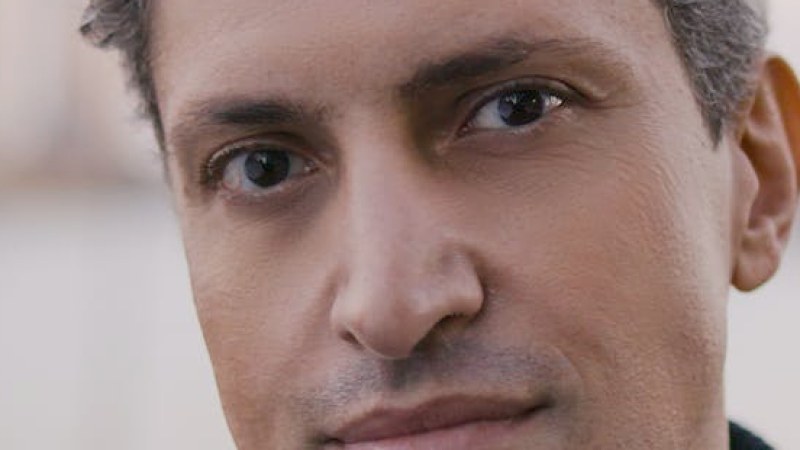
Server Ertem is the founder and CEO of Sanavia Oncology, a New York biotech developing antibody drug conjugates, T-cell engagers, and CAR-T therapies aimed at the roughly 80% of cancer patients whose tumors escape today's treatments. He built the company after a PhD in cancer cell biology at Weill Cornell, a postdoc at Memorial Sloan Kettering, and a Runway Startup Postdoc fellowship at Cornell Tech - stitching high-throughput cell biology, super-resolution microscopy, and machine learning into a platform designed to find cancer-specific epitopes on validated targets with atomic-level precision.

CatenaBio
CatenaBio is a UC Berkeley spinout building a next-generation bioconjugation platform for targeted cancer therapies. Its proprietary CysTyr platform uses an engineered enzyme, Catenase, to forge a site-specific bond between cysteine and tyrosine residues (the C-Y Bond) using only native amino acids. This lets the company attach multiple different drug payloads to a single antibody, producing Multi-Payload Conjugates (MPCs) designed to overcome tumor resistance where conventional single-payload ADCs fall short.
Fortitude Biomedicines
Fortitude Biomedicines is a Waltham, Massachusetts biotech that launched in early 2026 with $13M in seed financing to develop next-generation antibody-based therapies for autoimmune diseases and cancer. Its proprietary GLUE-DAC platform bolts molecular glue degraders onto antibody-drug conjugates, aiming to use catalytic targeted protein degradation to widen the therapeutic window of ADCs and overcome the resistance that has dogged the field. Its lead program, FORT-202, is a first-in-class T-cell targeting bispecific antibody for axial spondyloarthritis expected to reach the clinic in the first half of 2027.

Myris Therapeutics
Myris Therapeutics is a Pittsburgh-based precision oncology company building the next generation of antibody drug conjugates (ADCs). Formerly BioHybrid Solutions, Myris uses proprietary polymer chemistry rooted in Carnegie Mellon's ATRP (atom transfer radical polymerization) technology to grow polymer bottlebrushes on antibodies, achieving ultra-high drug-to-antibody ratios (DAR) of 50-300 - roughly 10 to 100 times higher than conventional ADCs. That capability opens up new chemical space for cancer payloads that were previously unusable, aiming to deliver more potent, precisely targeted therapies.
Ridge Bio
Ridge Biotechnologies is a Bay Area startup using AI-driven enzyme and targeted drug design to build the next generation of precision medicines. Its platform pairs proprietary machine learning models with high-throughput, cell-free wet-lab experimentation to design enzymes and delivery systems for applications spanning antibody-drug conjugates, in vivo CAR-T, targeted nucleic acid delivery, biocatalysis and radiotherapies. The company emerged from stealth in September 2025 with an oversubscribed $25 million seed round led by Sutter Hill Ventures.
Jesse Chen
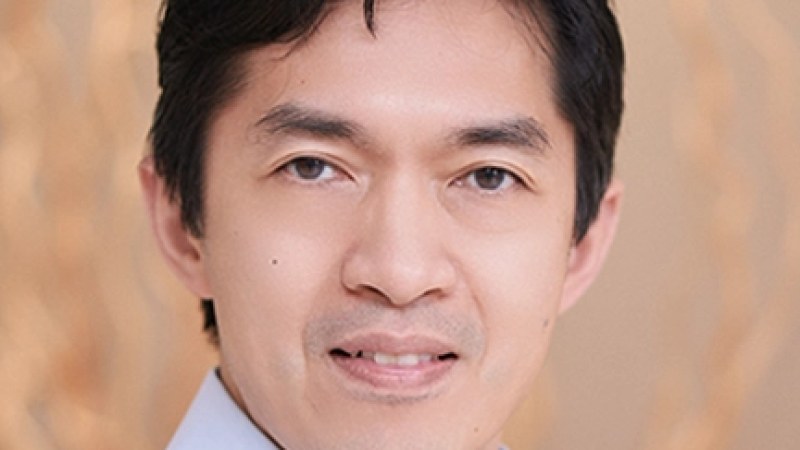
Jesse Chen is the founder, president and CEO of Fortitude Biomedicines, a Waltham, Massachusetts biopharmaceutical company that launched in January 2026 with $13 million in seed financing. A serial biotech entrepreneur with an MIT PhD in biological chemistry, Chen previously co-founded TRIANA Biomedicines and Avilar Therapeutics, was the founding scientific hire at Kymera Therapeutics where he built its targeted protein degradation platform, and held discovery roles at Moderna and Millennium Pharmaceuticals. At Fortitude he is betting that molecular glue payloads, packaged into a platform he calls GLUE-DAC, can overcome the drug resistance that limits today's antibody-drug conjugates and extend them into autoimmune disease.

Laura E. Benjamin
Laura E. Benjamin is the CEO and President of Myris Therapeutics, a Pittsburgh-based biotech building ultra-high DAR antibody-drug conjugates that fuse polymer chemistry with cancer biologics. A molecular biologist by training, she has moved from Harvard pathology labs to Eli Lilly oncology leadership to two CEO chairs - most recently steering OncXerna through more than $100 million in clinical-stage financing before taking the helm at Myris in 2024.

Alentis Therapeutics
Alentis Therapeutics is a Swiss clinical-stage biotech built around a single, unusual biological target: Claudin-1 (CLDN1), a tight-junction protein that becomes exposed in both fibrotic tissue and solid tumors. Founded in 2019 on the discovery of physician-scientist Professor Thomas Baumert, the company develops first-in-class monoclonal antibodies and antibody-drug conjugates that bind exposed CLDN1 to reverse organ fibrosis and treat CLDN1-positive cancers. Headquartered in Allschwil near Basel with R&D roots in Strasbourg, Alentis has raised roughly $365 million across rounds, including a $181.4 million Series D in November 2024, and is running clinical trials for its lead antibody lixudebart (ALE.F02) and two ADCs, ALE.P02 and ALE.P03.

Hexagon Bio
Hexagon Bio is a Menlo Park biotech that mines the genomes of fungi and other microbes to discover new medicines. Its platform pairs machine learning, genomics, and synthetic biology to read DNA sequences, predict the small molecules they encode, and connect those molecules to the human proteins they act on - skipping the random trial-and-error that has long defined natural-product drug discovery. The company is focused on novel cytotoxic payloads for antibody-drug conjugates (ADCs) in oncology, and in late 2025 extended its approach to agriculture through a joint venture with Corteva.
Dave Licata
Dave Licata is a Stanford-trained mechanical engineer turned biotech operator who co-founded TORL BioTherapeutics with legendary UCLA oncologist Dennis Slamon. As President and CFO (and founding CEO), he built TORL into a clinical-stage oncology company developing antibody-drug conjugates against targets like Claudin 6 and Claudin 18.2, raising more than $450 million while keeping a reputation for capital efficiency. He is also Executive Chairman of 1200 Pharma and previously founded Holoclara and served as an Entrepreneur in Residence at Caltech.
TORL BioTherapeutics LLC
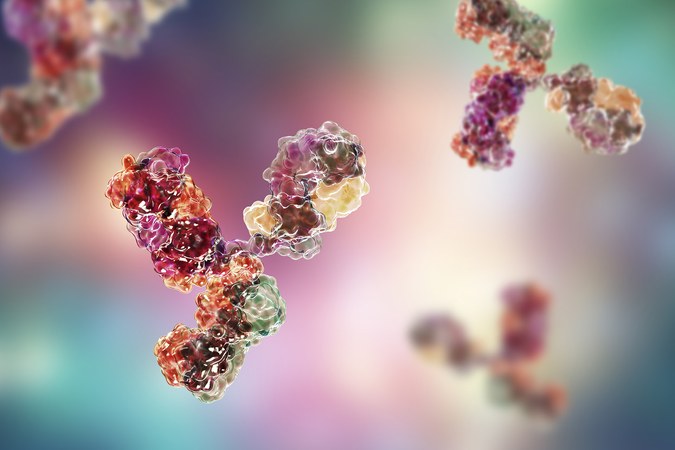
TORL BioTherapeutics is a clinical-stage biopharmaceutical company in Culver City, California developing antibody-based cancer therapies, including antibody-drug conjugates (ADCs) and monoclonal antibodies. Built on discoveries from the UCLA laboratory of Dennis Slamon - the scientist behind Herceptin and Ibrance - TORL is advancing a pipeline against novel cancer targets such as Claudin 6, Claudin 18.2, CDH17, and DLK1. Its lead program, TORL-1-23 (ixotatug vedotin), a CLDN6-targeted ADC, is in pivotal trials for platinum-resistant ovarian cancer. The company has raised over $450 million across multiple rounds, including a $96 million Series C in October 2025.
Myricx Bio
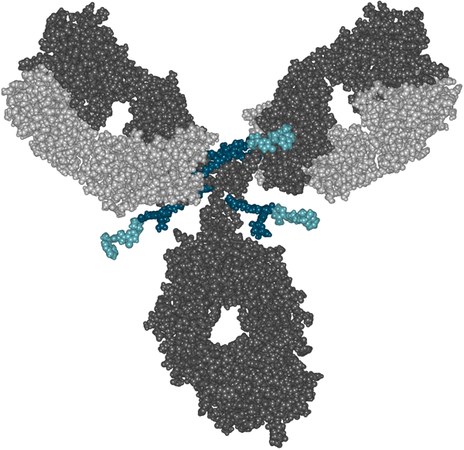
Myricx Bio is a London-based oncology biotech developing a completely new class of payloads for antibody-drug conjugates (ADCs), built on inhibitors of N-myristoyltransferase (NMT). Spun out of Imperial College London and the Francis Crick Institute, the company aims to give ADCs a fresh way to kill cancer cells that resist today's standard payloads. In July 2024 it closed a £90m ($114m) Series A, one of Europe's largest biotech rounds that year, to push its NMTi-ADC pipeline toward clinical trials.
Mohit Rawat
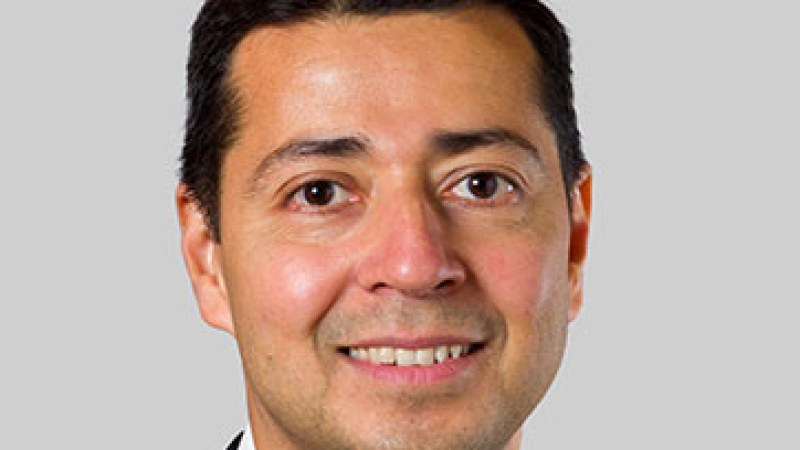
Mohit Rawat is the Boston-based CEO of Myricx Bio, a UK-US biotech building a first-in-class antibody-drug conjugate platform based on NMT inhibition to treat cancer. He arrived in September 2025 fresh off Fusion Pharmaceuticals' $2.4 billion sale to AstraZeneca, where he was President and Chief Business Officer. With a Harvard MBA, an MIT chemical engineering master's, and stints at Novartis, AbbVie and McKinsey, he is steering Myricx toward its first human clinical trials in 2026.

Omni Design Technologies, Inc.
Omni Design Technologies builds high-performance, ultra-low-power semiconductor IP - the data converters and mixed-signal blocks that move information between the analog and digital worlds. Its Swift family of ADCs, DACs and analog front-ends sits inside SoCs for AI infrastructure, 5G/6G, Wi-Fi 7, automotive lidar/radar, satellite links, and quantum control, fabricated on processes from 28nm down to advanced FinFET nodes.

Sean McCarthy
Sean McCarthy is the chairman, president and CEO of CytomX Therapeutics, a clinical-stage biopharma in South San Francisco building 'Probody' conditionally activated antibodies that switch on inside the tumor and stay quiet everywhere else. An Oxford-trained cancer biologist turned operator, he has run CytomX since 2011, taking it from a venture-backed startup to a Nasdaq-listed company with partnerships across Bristol Myers Squibb, AbbVie, Amgen, Astellas, Moderna and Regeneron.

Kush Gulati
Kush Gulati is the Co-founder, President, and CEO of Omni Design Technologies, a Milpitas-based semiconductor IP company he founded in 2015. A serial entrepreneur on his fifth venture, he holds a PhD in Electrical Engineering and Computer Science from MIT and has spent over two decades pioneering ultra-low power analog circuit design. His proprietary SWIFT technology powers data conversion IP used in 5G, autonomous vehicles, AI infrastructure, satellite communications, and LiDAR applications by tier-one customers worldwide. Omni Design raised a $35M+ Series A in September 2025.
Bryan Faust
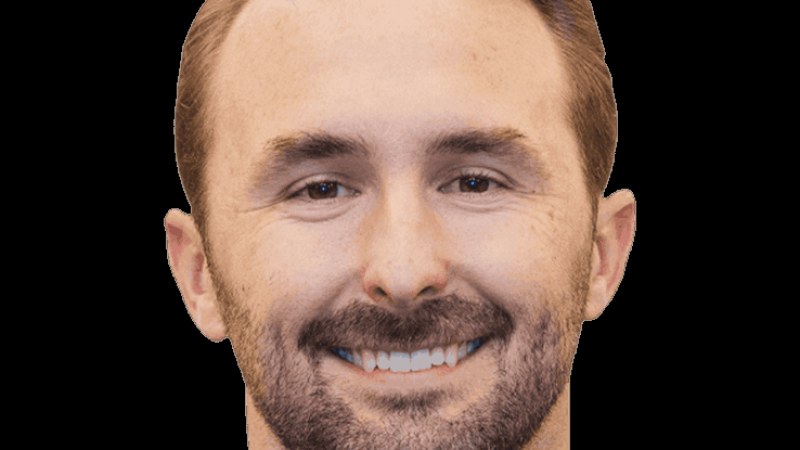
Bryan Faust, PhD is an Investment Partner on the Bio + Health team at Andreessen Horowitz (a16z), where he backs seed and Series A companies at the intersection of biology and technology. A trained biophysicist with a PhD from UCSF, he published research in Nature, Science, and Cell before pivoting to venture—studying antibody-protein interactions, GPCR signaling, and COVID-19 nanobodies along the way. At a16z he has co-led investments in Stipple Bio, Tessera Labs, Gate Bioscience, and Formation Bio, and writes widely on AI in life sciences, biotech financing, and the coming era of programmable medicine. When he's not reading pitch decks, he's surfing, roasting coffee, or hunting down the perfect tacos al pastor.