san-francisco
(2,127)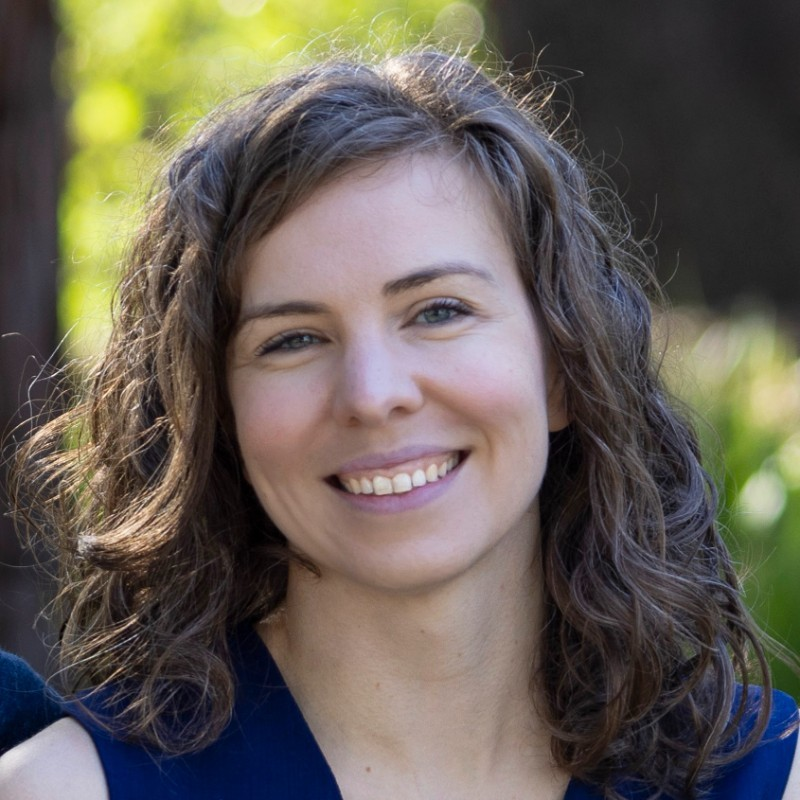
Jenn Gamble and the Long Mile After the AI Demo
The impressive prototype is the easy part. Distyl's founding Head of Data Science has built a career around the harder question: how does a clever model become dependable work?
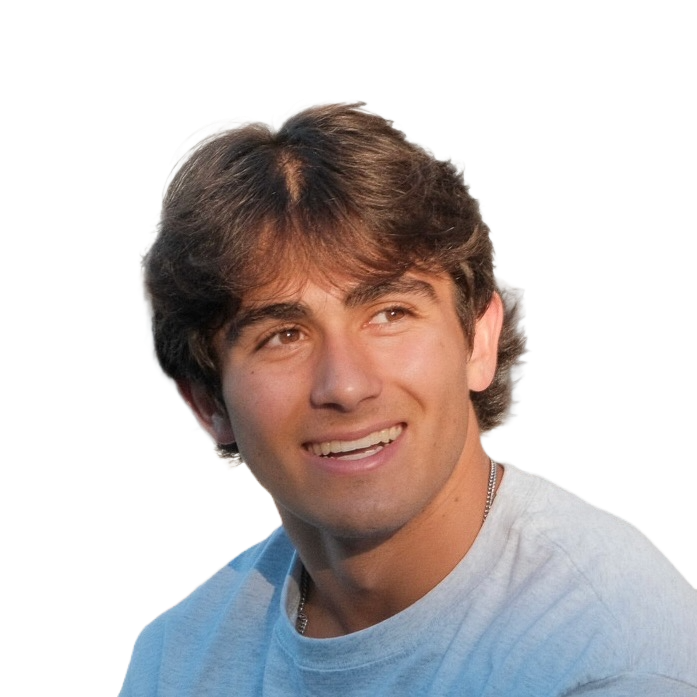
William Armstrong Is Building the Connective Tissue
A run club, a campaign war room, a student SaaS product and a $55 server all point to the same instinct: William Armstrong likes finding the awkward gap between people and systems, then building the missing connection.
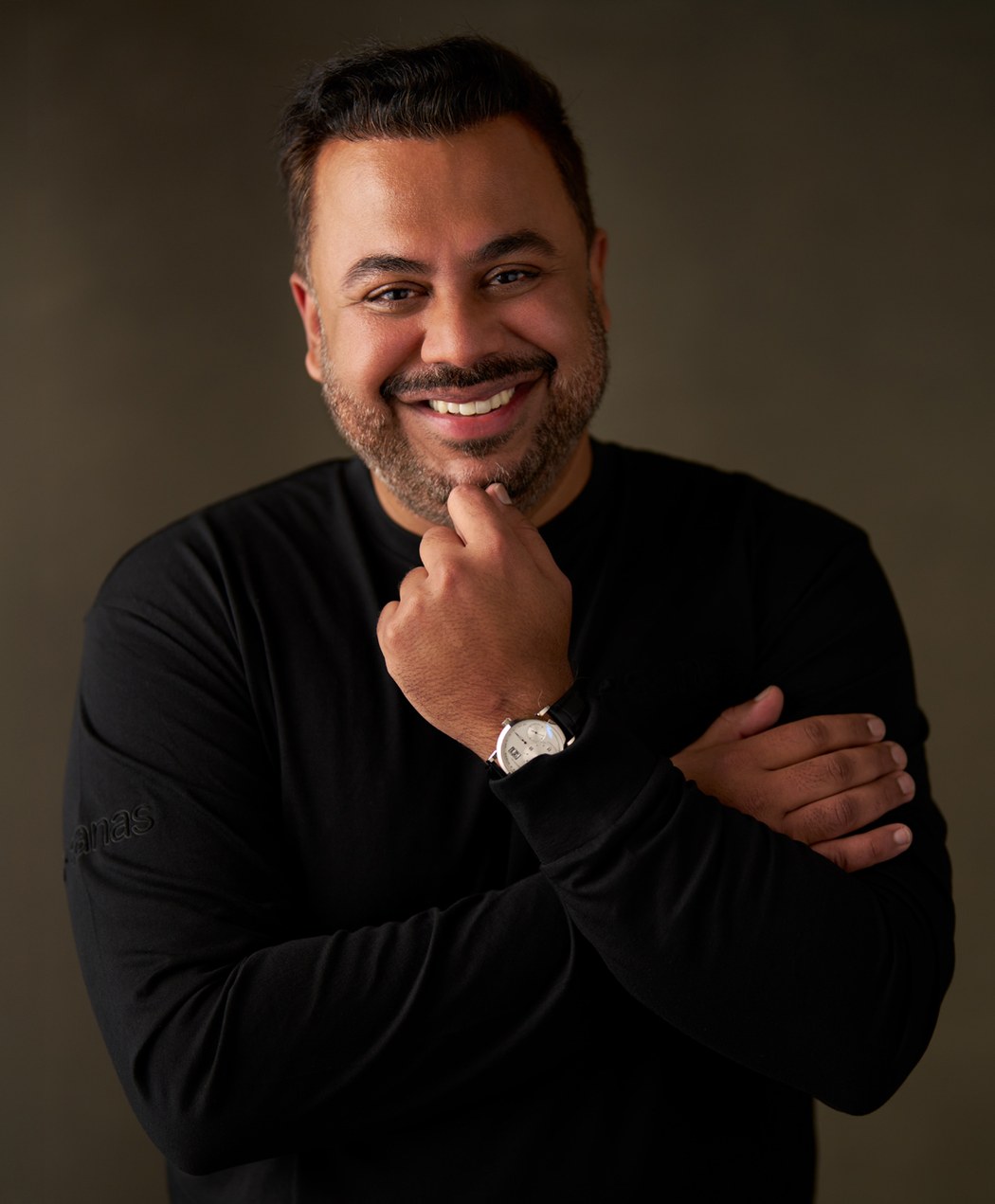
Anant Singh and the Business of Being Understood
He sells software that changes how a voice is heard, while insisting the person behind it must remain intact. At Sanas, Anant Singh has made that tension the center of a global sales story.
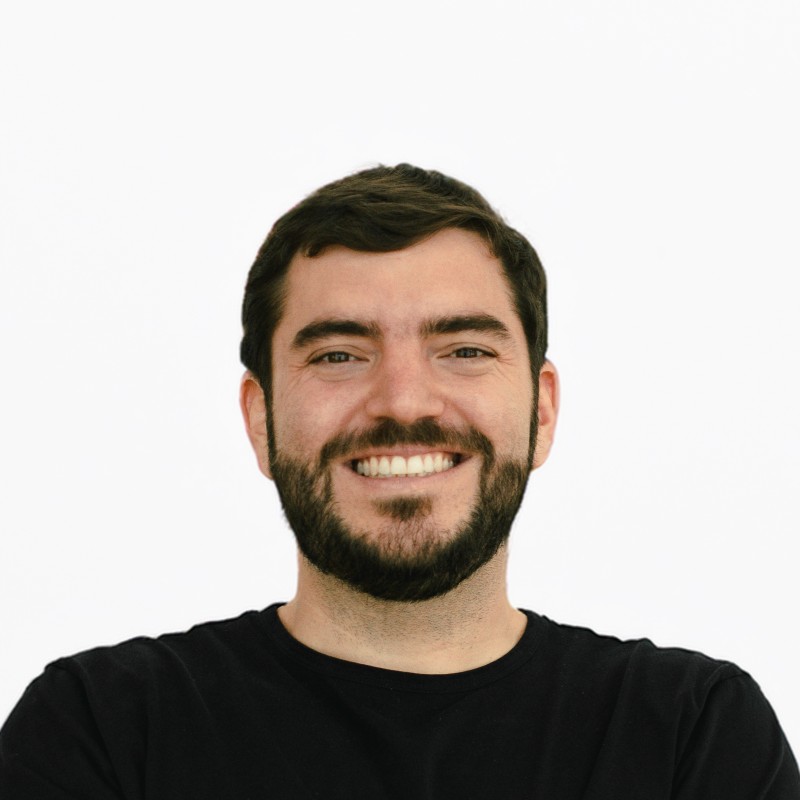
Juan Pablo Ortega and the Trouble With a Simple Payment
He learned the cost of fragmented payments while taking Rappi across nine countries. Now the pilot-turned-founder is trying to give global commerce one control panel - and teaching the software to fly more of the route itself.
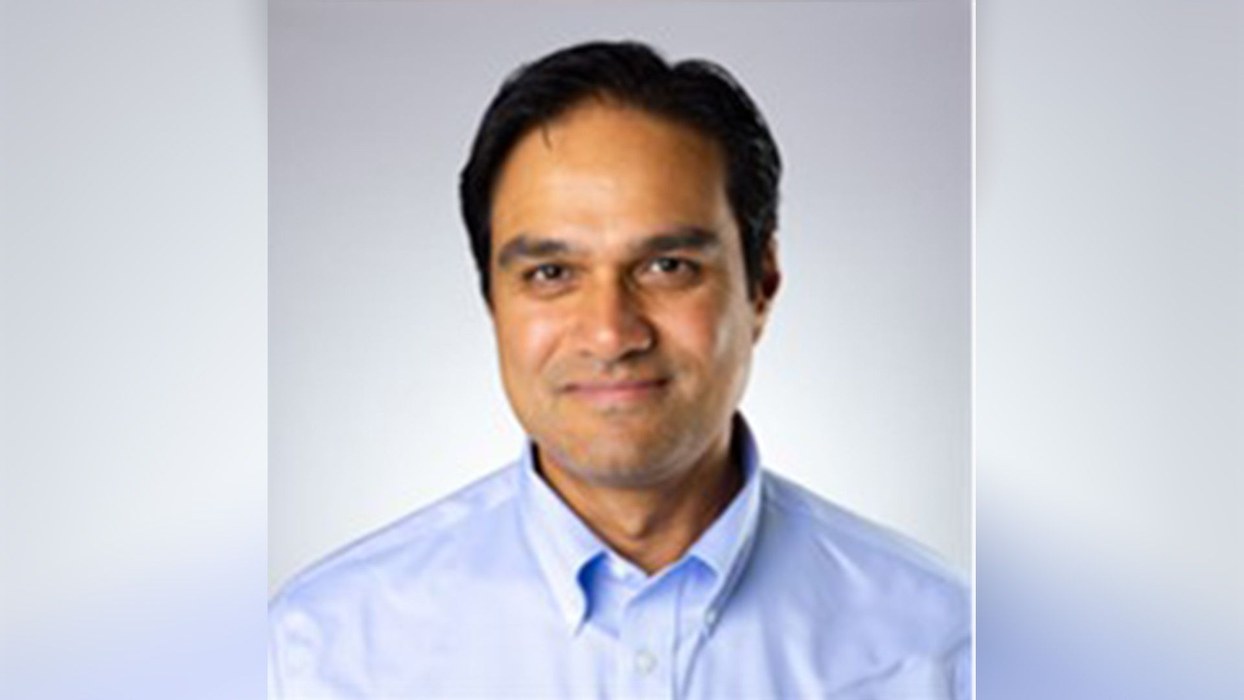
Sujay Jadhav Learned to Read the Signal Before He Learned to Trust the Noise
At 23, he built a paging network amid Cambodia's instability. Three decades later, the Verana Health CEO is still trying to turn noisy systems into decisions people can trust.

Will Tong Took the Long Way to the Right Question
He began with cells, crossed into code, and arrived at a harder engineering problem: how to teach machines the judgment that experts rarely write down.
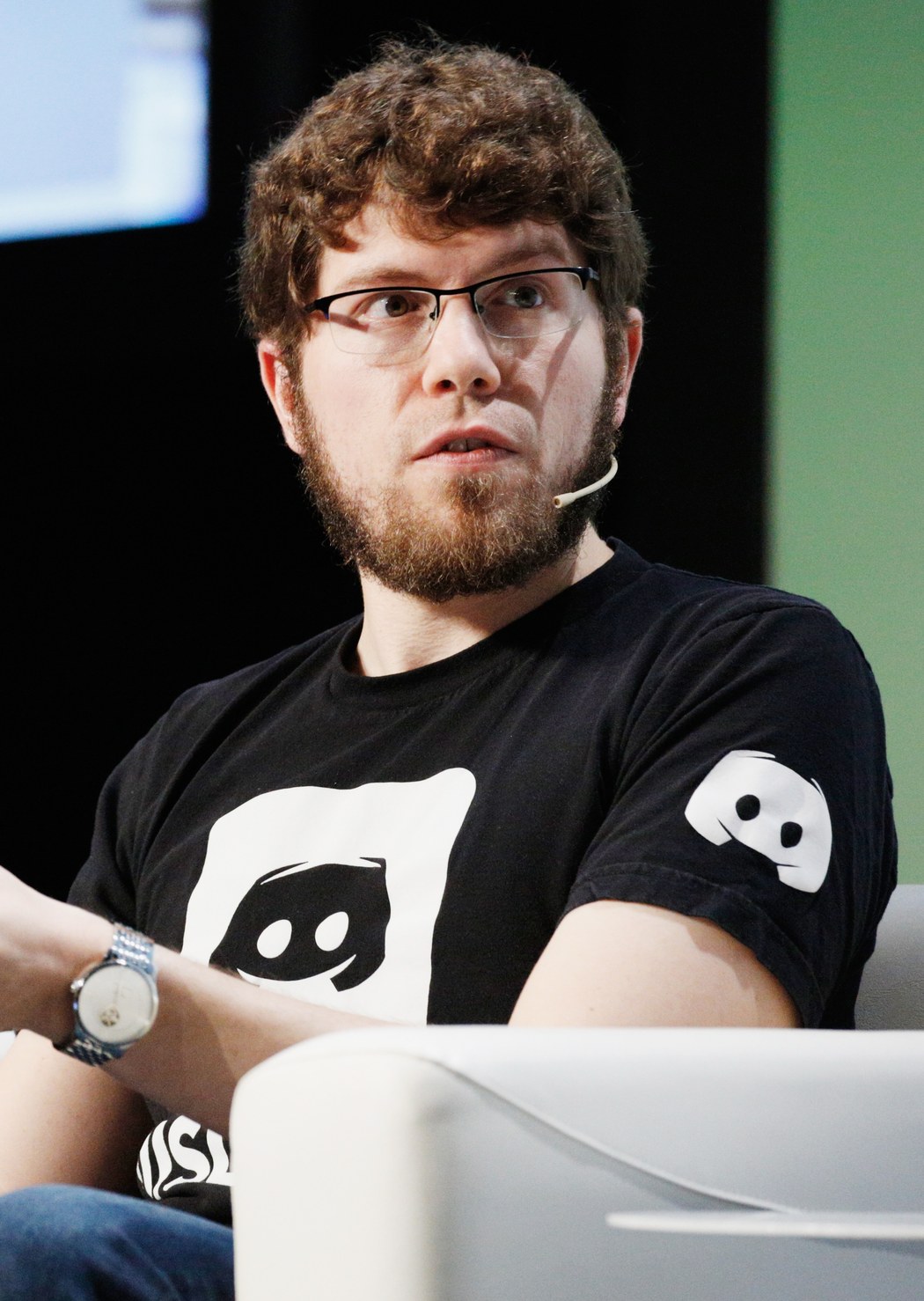
Jason Citron Kept Building Games. The Conversation Kept Winning.
Twice, Jason Citron set out to make a game. Twice, the useful thing turned out to be the room where players talked. That recurring mistake became a career, a company, and a new piece of internet furniture.
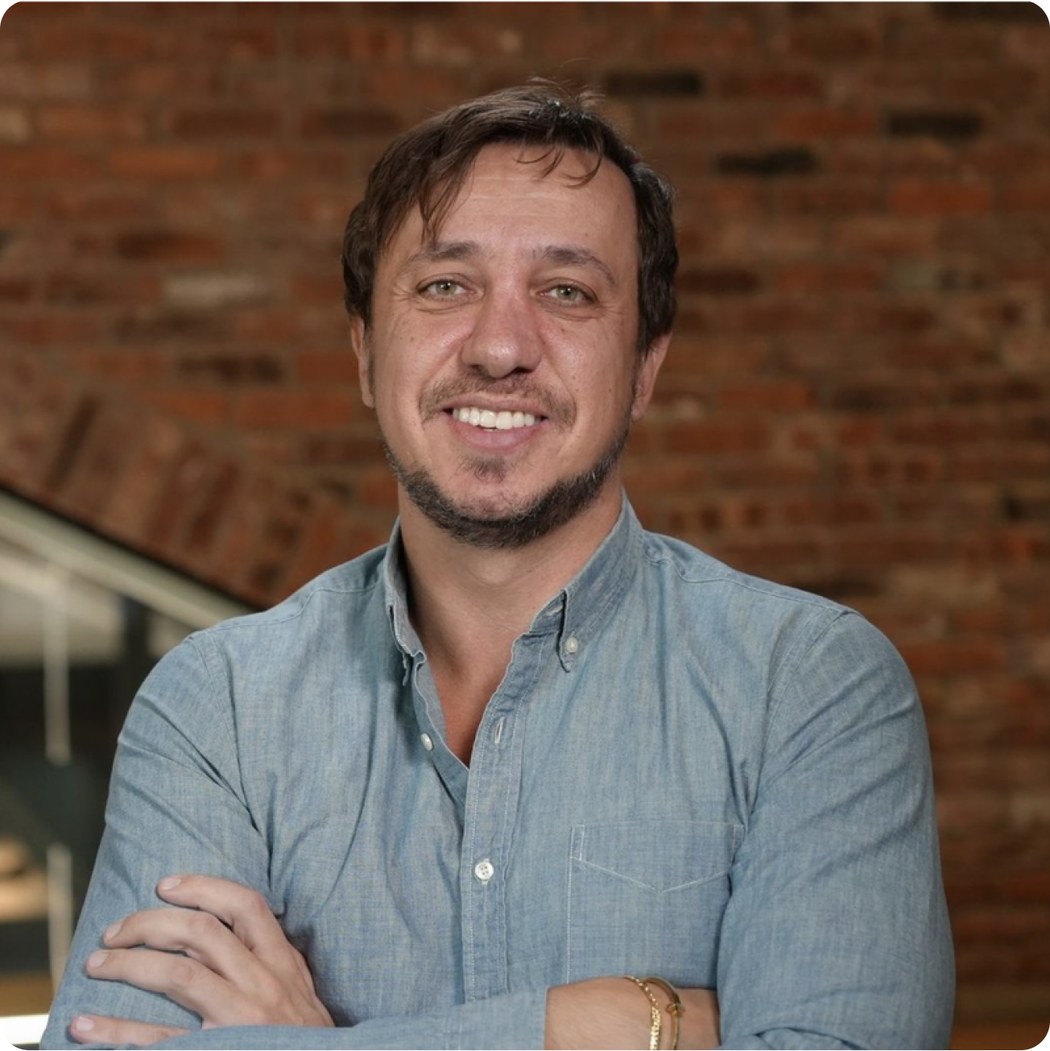
Daniele Perito Went Around the World to Return to His First Problem
Before he built a wholesale marketplace, Perito studied how systems fail, guarded Cash App against fraud and learned to trust both evidence and instinct. Now AI has brought him back to security, with higher stakes and a larger map.

Ryan King Took 100 Noes and Built the Rails Anyway
A coin toss sent Ryan King toward computer science. A hundred investor rejections tested whether he would stay there. Thirteen years after co-founding Chime, the quiet engineer arrived at Nasdaq with proof that useful infrastructure can outlast fashionable doubt.
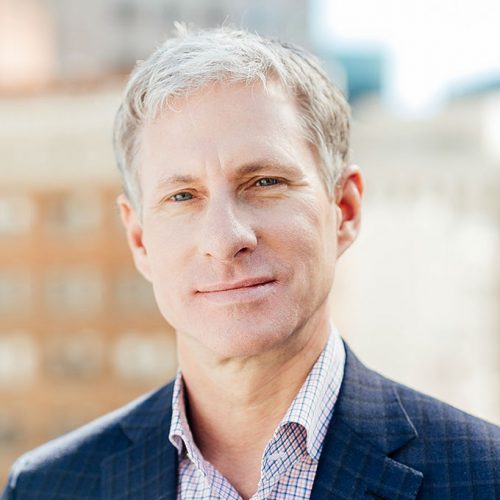
Chris Larsen Has Spent 30 Years Making Money Move
Before crypto had a culture war, Larsen was prying open credit scores and mortgage fees. Ripple is the third act in a career built around one stubborn idea: financial systems should reveal their machinery.
The Search Agency That Bet Everything on One Box - Then the Box Learned to Talk
Victorious won by narrowing its world to search. Now that Google results are becoming conversations, the agency is testing whether a disciplined old bet can survive a very strange new interface.

Atrium Knew Exactly How It Might Fail
The Twitch co-founder raised $75.5 million to make startup law predictable. The warning that undid the experiment was hiding in plain sight - in his own interview.

San Francisco’s AI Boom Has a Downtown Problem
The city has the talent, money and momentum to lead the AI era. The harder question is whether a cluster of brilliant companies can bring an entire downtown back with it.

Rezo Is Betting the Best Drug Targets Hide Between Proteins
Drug discovery usually isolates a culprit. Rezo maps the whole criminal network - then asks which handshake can be broken with a small molecule.
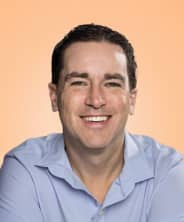
Jason Morris Turned a Three-Person Sublet Into Inkhouse’s West Coast Engine
A career that began with early web companies now runs through AI, IPOs and a 140-person agency. Morris built his case for leadership the unfashionable way: one office, one client and one durable relationship at a time.
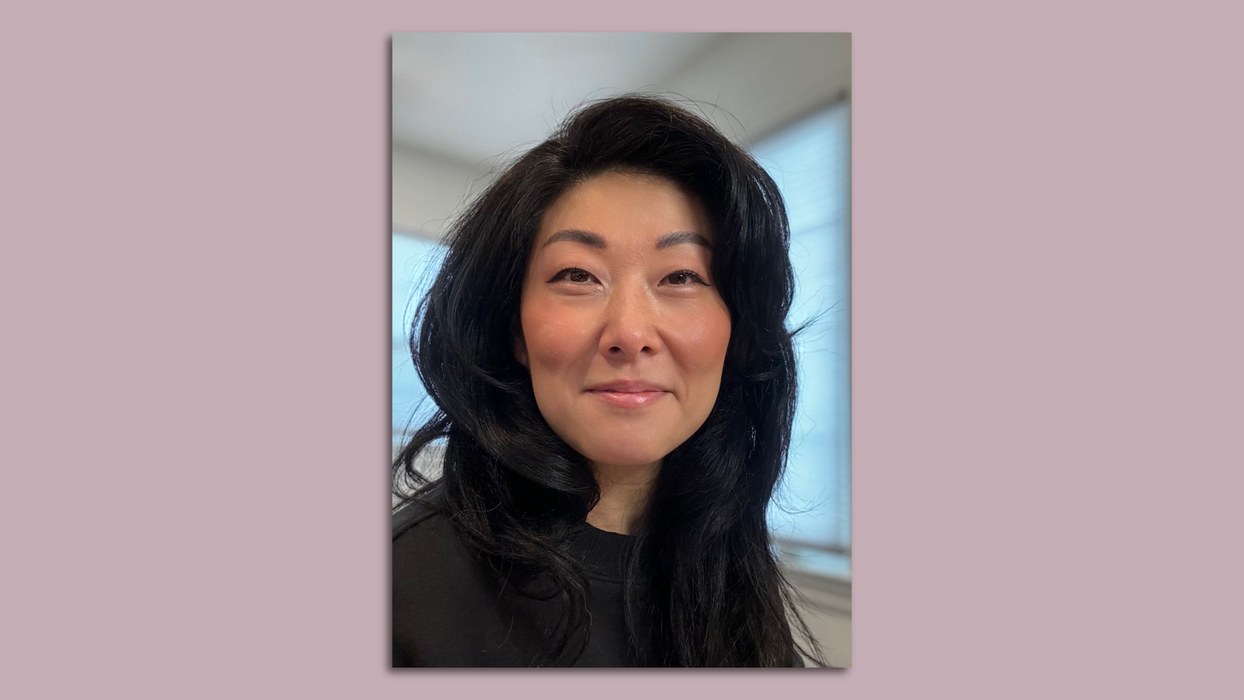
Julie Inouye Runs Toward the Hard Parts
Her first day at CNN was September 11, 2001. Two decades later, the Outcast CEO still builds her work around the same instinct: move toward uncertainty, find the truth, and help people make sense of change.
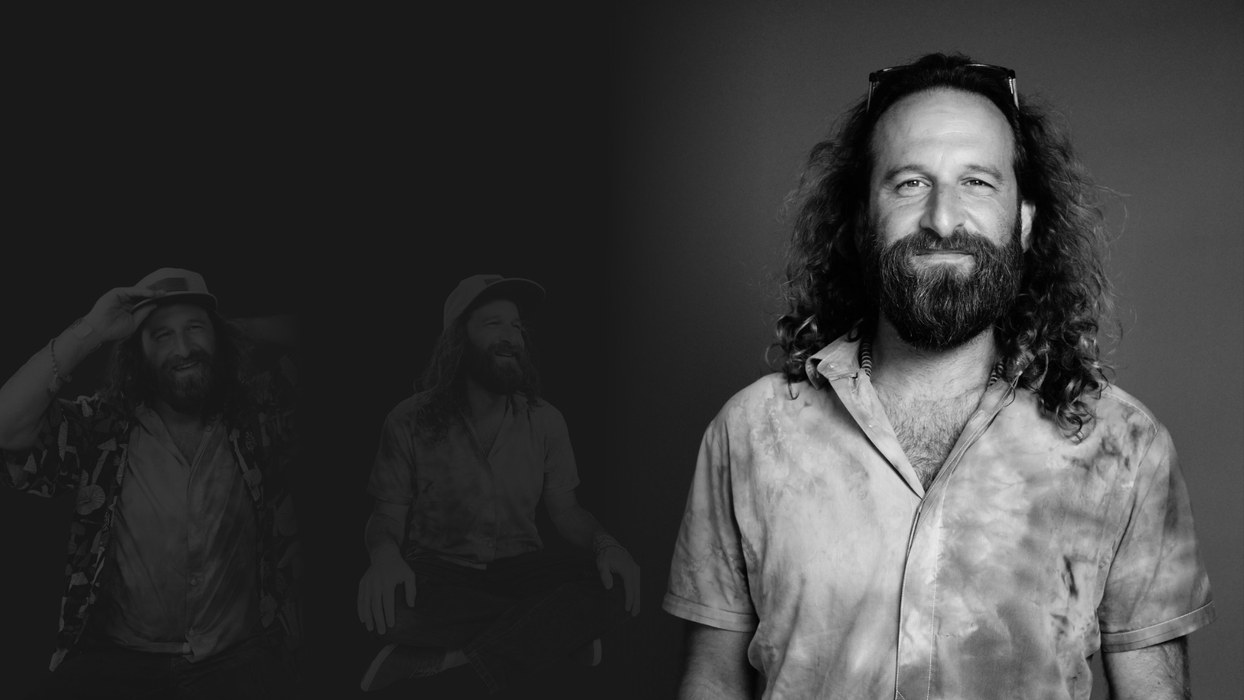
Gagan Levy Wants Advertising to Find Its Conscience - and Its Courage
The Guru founder has spent two decades asking brands to stand for something. Now his field guide turns the same question on the people who lead them.
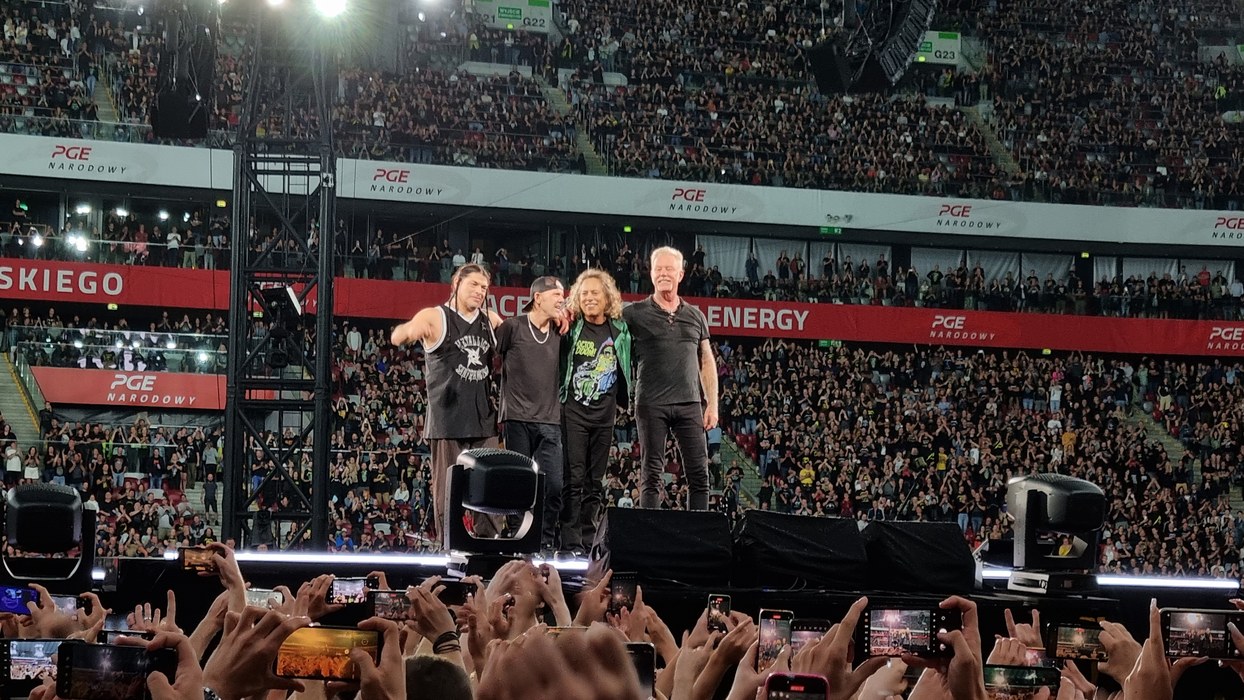
Metallica Built a Home Out of Noise - Then Kept Remodeling It
Four musicians turned a borrowed name, a classified ad and a traded cassette into a 45-year argument for motion. The curious part is not that Metallica endured, but that they kept finding new rooms for the same old thunder.

The Printerless Printer Who Said Yes
VIVAS began by selling banners before it owned a printer. Fourteen years later, the San Francisco shop still runs on the same scarce material: a willingness to take the call, solve the physical problem and get the thing on the wall.

Nectar Made a Business of Explaining Tomorrow Before It Arrived
A boutique PR firm found its edge in the awkward gap between a technical breakthrough and a story ordinary people can repeat. Then it learned that publicity alone was not enough.

The PR Firm That Made an Old Town New by Giving It to the Dogs
Carmel-by-the-Sea had charm, rivals and almost nothing new to announce. Graham & Associates found the story hiding under the restaurant table - then built a 21-year award trail around the same discipline: make the familiar newly interesting.
The PR Agency That Starts With the Audience, Not the Announcement
SutherlandGold has spent more than two decades making complicated companies legible. Its trick is simple to say and hard to execute: begin with the people who need to care, then build the story backward.

The Tiny Agency That Teaches Giants to Be Heard
Landis Communications has 16 employees, a San Francisco address and access to more than 50 agencies worldwide. Its real product is not publicity. It is the knack for turning a complicated mission into a story people can repeat.

Gumas Built a 41-Year Business on One Expensive Truth: Small Brands Cannot Afford to Guess
The San Francisco agency turned the underdog problem into a method: stop copying the category leader, ask better questions, and spend only after you know which difference customers care about.

MSR Communications Built a 27-Year Business on Being Early to the Next Conversation
The San Francisco boutique does not manufacture attention from nothing. It watches for the moment a client's expertise becomes useful - then moves before the moment moves on.

The Creative Studio With a Seat at the Investment Table
Born from Airbnb alumni and built inside WestCap, CōLab treats brand, product, research, and growth as one operating problem. Its best work begins where the polished deck ends: inside the company that has to make the idea real.

J. Wade Public Relations makes luxury look like news
Hotels, wineries, restaurants and designers do not need more adjectives. They need a reason to be noticed - and a small San Francisco agency has built an integrated practice around finding one.

Market Street Partners Sells CEOs the Thing They Rarely Hear: The Unvarnished Answer
A tiny San Francisco firm has spent a quarter-century translating ambitious technology companies into language Wall Street will believe. Its most valuable product may be the sentence nobody inside the company wants to say aloud.
Riff City Sells Attention. Its Clients Spend It on Change.
A small San Francisco agency found a useful seam between publicity and public policy. Its best campaigns do not stop when the story lands - they give people a measurable next move.

Firebrand’s Clever Bet: Make Every Marketing Channel Feed the Next
The San Francisco agency stopped treating PR, search, content and paid media as neighboring departments. Its wager is that one sharp idea, passed intelligently from channel to channel, can beat four disconnected campaigns.