solid-tumors
(41)
The Chemist Who Wants to Build a Kinder Cancer Drug
He spent 25 years learning how cancer drugs fail. Now he is running a company built on the idea that the next generation can be safer, steadier, and easier to live with.
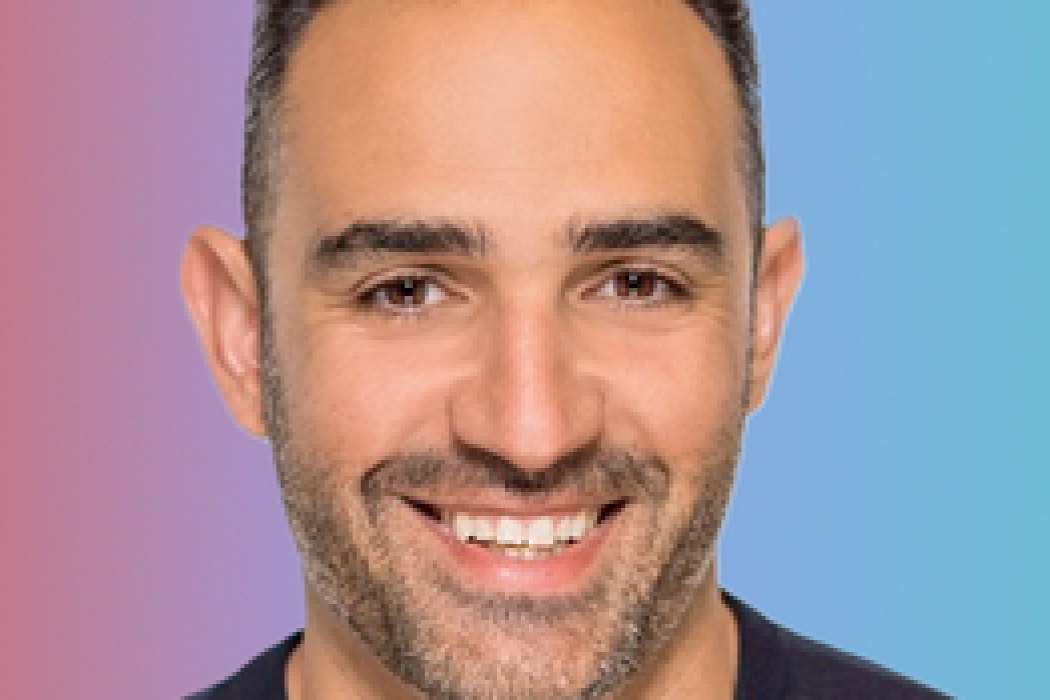
Sabah Oney
Sabah Oney is the president and CEO of Dispatch Bio, a Philadelphia- and San Francisco-based biotech engineering a universal treatment for solid tumors using CAR-T cell therapy. Born in Cyprus and in the U.S. since age 18, he holds a genetics degree from the University of Kansas, a PhD in genetics and genomics from Duke, and an MBA from Stanford. Across nearly two decades in biotech he helped scale Ariosa Diagnostics (acquired by Roche), took Alector public as its chief business officer, co-founded Vilya, and served as a venture partner at ARCH. Dispatch launched publicly in 2025 with $216 million behind its FLARE platform and CAR-T pioneer Carl June among its founders.
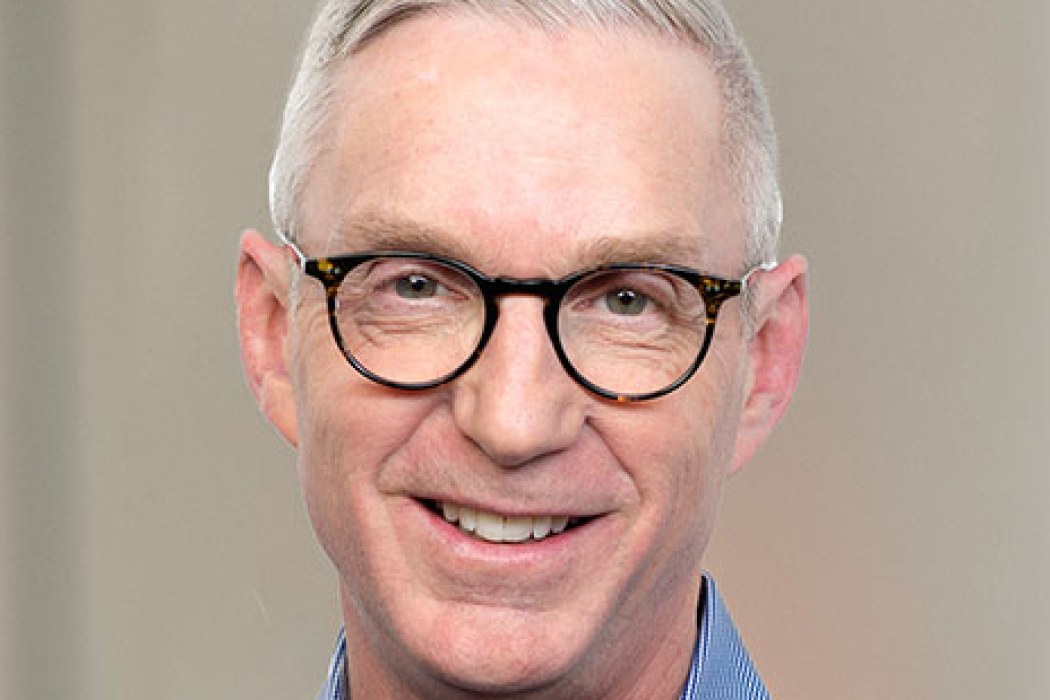
Tom Soloway
Tom Soloway is the Chief Executive Officer of T-knife Therapeutics, a transatlantic biotech developing T-cell receptor (TCR-T) therapies aimed at solid tumors. With more than 25 years across strategy, operations, corporate finance and venture capital, he has helped build and finance a string of life sciences companies including Transcept Pharmaceuticals, Ascendis Pharma and Audentes Therapeutics. He took the helm of T-knife in January 2021, positioning the Berlin- and San Francisco-based company to move its 'supercharged' TCR-T candidates into the clinic while staying lean and capital-efficient.

Ankyra Therapeutics
Ankyra Therapeutics is a clinical-stage Boston biotech developing anchored immunotherapy - a platform that physically tethers potent immune-modulating drugs to aluminum hydroxide so they stay concentrated inside a tumor rather than spreading through the body. Its lead candidate, tolododekin alfa (ANK-101), anchors the powerful cytokine IL-12 in the tumor microenvironment, aiming to unlock IL-12's anti-tumor activity while avoiding the systemic toxicity that has historically limited it. Founded in 2019 out of MIT science and led by CEO Howard L. Kaufman, the company is running Phase 1/1b trials in advanced solid tumors, including combinations with immune checkpoint inhibitors.
Leucid Bio
Leucid Bio is a clinical-stage London biotech developing next-generation CAR-T cell therapies for refractory solid tumors. Spun out of King's College London in 2014 to commercialize two decades of research by Dr John Maher, the company's proprietary Lateral CAR platform redesigns the CAR receptor so its signalling domains sit laterally alongside the cell membrane - mimicking natural immune receptors to boost potency while reducing toxicity. Its lead candidate, LEU011, is an autologous NKG2D-targeting CAR-T therapy now in the Phase I/IIa AERIAL trial for refractory solid tumors.
Triumvira Immunologics, Inc.
Triumvira Immunologics is a clinical-stage immuno-oncology company developing engineered T cell therapies built on its proprietary T cell Antigen Coupler (TAC) platform. Unlike CAR-T, the TAC molecule co-opts the natural T cell receptor to recognize and attack cancer cells, aiming for a more physiological immune response with a potentially safer profile. The company advances autologous and allogeneic TAC T cell candidates against solid-tumor antigens such as HER2, Claudin 18.2, GPC3 and GUCY2C.

Filippo Petti
Filippo Petti is the Chief Executive Officer of Leucid Bio, a London-based clinical-stage biotech developing next-generation CAR-T cell therapies for solid tumours built on a proprietary lateral CAR platform spun out of two decades of King's College London research. Appointed CEO in July 2023, Petti pairs a bench-science start at OSI Pharmaceuticals with years on Wall Street as a healthcare investment banker and equity analyst, and a prior run leading Celyad Oncology as CEO and CFO. Under his watch, Leucid moved its lead asset LEU011 into the AERIAL Phase I/IIa trial, reporting early proof-of-concept in relapsed/refractory solid tumours in late 2025.

Eureka Therapeutics, Inc.
Eureka Therapeutics is a clinical-stage biopharmaceutical company in Emeryville, California, developing next-generation T-cell therapies for cancer, with a focus on hard-to-treat solid tumors. Founded in 2006 by Dr. Cheng Liu, the company pairs its E-ALPHA phage-display antibody engine with its ARTEMIS T-cell receptor platform - an alternative to conventional CAR-T designed to keep engineered T cells potent inside immunosuppressive tumors while sharply reducing the inflammatory cytokine release linked to CAR-T toxicity. Its lead program, ECT204, targets GPC3-positive advanced liver cancer and has received FDA RMAT designation.

Aulos Bioscience
Aulos Bioscience is a Larkspur, California, clinical-stage immuno-oncology company using artificial intelligence to design antibody therapeutics that unlock the anti-cancer power of interleukin-2 (IL-2). Its lead candidate, imneskibart (AU-007) - described as the first AI-designed human monoclonal antibody to enter human clinical trials - redirects IL-2 away from immune-suppressing regulatory T cells and toward immune-activating effector T cells and NK cells, aiming to treat solid tumors such as melanoma and non-small cell lung cancer while avoiding the toxicity that has limited earlier IL-2 therapies.

Dispatch Bio
Dispatch Bio is a Philadelphia-based cancer biotech that emerged from stealth in July 2025 with $216 million to pursue a 'universal' immunotherapy for solid tumors. Its first-in-class Flare platform uses an engineered virus to install a synthetic, tumor-specific antigen on cancer cells while remodeling the tumor's immune-suppressive environment, effectively giving CAR T cells a target where none existed. Founded in 2022 out of the Parker Institute for Cancer Immunotherapy and ARCH Venture Partners, the company is led by CEO Sabah Oney and counts CAR T pioneer Carl June among its scientific co-founders.
Glycyx
Glycyx is a San Francisco biopharmaceutical company developing axelopran, an orally administered peripheral mu-opioid receptor antagonist, to counter opioid-induced immunodeficiency in cancer patients. Roughly 45% of immunotherapy patients take opioids for pain, and studies link that use to sharply worse outcomes on checkpoint inhibitors. Axelopran blocks opioid signaling on immune cells - without touching pain relief - to restore T-cell infiltration into tumors and make 'cold' tumors respond to immunotherapy. The company is Phase 2b-ready with an active IND and has drawn NIH SBIR grant support.
KaliVir Immunotherapeutics
KaliVir Immunotherapeutics is a clinical-stage biotech developing next-generation oncolytic viral immunotherapies for cancer. Its proprietary Vaccinia Enhanced Template (VET) platform engineers vaccinia viruses that can be delivered intravenously, replicate selectively in tumors, and express therapeutic payloads that reshape the tumor microenvironment. Founded in 2019 and headquartered in Pittsburgh, the company advances an internal lead candidate, VET3-TGI, alongside partnered programs licensed to Astellas Pharma and Roche.
Kivu Bioscience
Kivu Bioscience is a clinical-stage biotechnology company in San Mateo, California, building next-generation antibody-drug conjugates (ADCs) for solid tumors. Founded by BioGeneration Ventures and led by ADC veteran Mohit Trikha, the company licenses Synaffix's GlycoConnect and HydraSpace site-specific conjugation technology to engineer more homogeneous, stable ADCs that aim to widen the therapeutic window - hitting tumors harder while sparing healthy tissue. Backed by a $92 million Series A led by Novo Holdings, Kivu has moved its lead candidates KIVU-107 (PTK7) and KIVU-305 (CEACAM5) into Phase 1 clinical trials.
MBrace Therapeutics
MBrace Therapeutics is a clinical-stage oncology company building antibody-drug conjugates (ADCs) against hard-to-drug cancer targets. Its proprietary SPARTA platform screens antibodies directly inside living tumors to surface antigens that are cancer-specific, accessible, and internalizing - the traits an ADC needs to deliver its toxic payload where it counts. Founded in 2020 and headquartered in San Diego, the company raised an $85M Series B in 2023 (led by TPG) to advance a pipeline led by MBRC-101, a first-in-class ADC targeting the EphA5 receptor now in Phase 1/2 clinical trials.
NEOK Bio
NEOK Bio is a Palo Alto-based clinical-stage biotechnology company developing bispecific antibody drug conjugates (ADCs) for solid tumors. Founded and led by physician-executive Mayank Gandhi and backed by Korean antibody specialist ABL Bio, NEOK launched from stealth in November 2025 with a $75 million Series A. Its dual-targeting approach binds two complementary tumor antigens at once, aiming to widen the therapeutic window and overcome the resistance and toxicity limits of conventional single-target ADCs. The company's two lead programs, NEOK001 (ROR1/B7-H3) and NEOK002 (EGFR/MUC1), both cleared FDA IND review in early 2026 and are headed into Phase 1 studies.
T-knife Therapeutics
T-knife Therapeutics is a clinical-stage biotech engineering T-cell receptor (TCR-T) therapies to treat solid tumors. Spun out of Berlin's Max Delbrück Center in 2015, it built a proprietary humanized-TCR mouse platform (HuTCR) that grows a full human immune repertoire in mice, letting the company harvest fully human TCRs naturally selected for affinity and specificity. Now dual-based in San Francisco and Berlin, T-knife is advancing 'supercharged' TCR-T candidates - including a PRAME-targeted, CRISPR-armored therapy (TK-6302) entering the clinic - against cancers that have long resisted cell therapy.

CatenaBio
CatenaBio is a UC Berkeley spinout building a next-generation bioconjugation platform for targeted cancer therapies. Its proprietary CysTyr platform uses an engineered enzyme, Catenase, to forge a site-specific bond between cysteine and tyrosine residues (the C-Y Bond) using only native amino acids. This lets the company attach multiple different drug payloads to a single antibody, producing Multi-Payload Conjugates (MPCs) designed to overcome tumor resistance where conventional single-payload ADCs fall short.

Shennon Biotechnologies
Shennon Biotechnologies is a San Francisco biotech turning immune-cell target discovery from a months-long slog into a same-day job. Its proprietary TCELERATOR platform fuses ultra-high-throughput microfluidics with AI to functionally profile millions of single immune cells in hours, pinpointing the rare T and B cells that recognize cancer antigens. Founded in 2021 by physicist-turned-founder Li Sun, the company is building a pipeline of validated targets for solid tumors and autoimmune disease, backed by a $13M seed round led by DCVC.
T-Cypher Bio
T-Cypher Bio is an Oxford, UK biotechnology company building a pipeline of TCR (T cell receptor) therapeutics for solid tumours and immune-mediated diseases. Spun out of Orbit Discovery in 2021 on technology licensed from the University of Oxford, it pairs a high-throughput, functional bead-display platform with immunopeptidomics, AI and bioinformatics to deconvolute vast T cell repertoires, find disease-specific targets, and identify potent, target-specific TCRs.
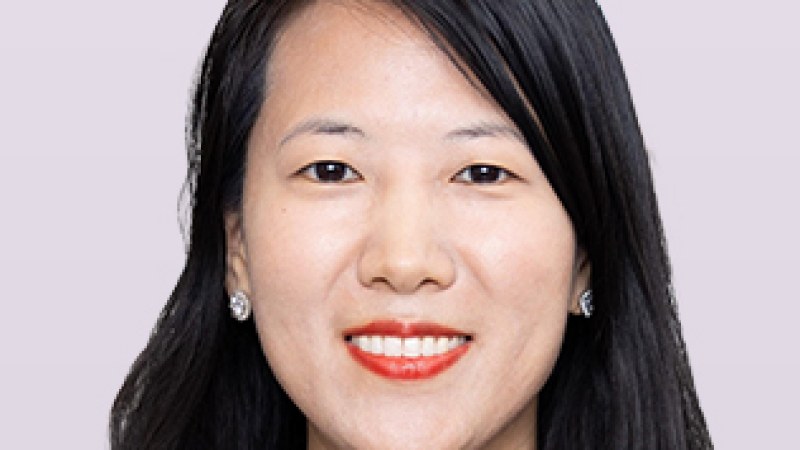
Li Sun
Li Sun is the founder and CEO of Shennon Biotechnologies, a San Francisco single-cell immunotherapy company that profiles millions of immune cells in hours to pinpoint the rare T cells and antibody targets that fight cancer. A physicist by training (PhD from Harvard's Weitz lab, M.Eng from MIT), she spent five years as a deep-tech venture investor at Bessemer and Foundation Capital before building the platform herself. Shennon emerged from stealth in March 2023 with a $13M seed round led by DCVC.

Alentis Therapeutics
Alentis Therapeutics is a Swiss clinical-stage biotech built around a single, unusual biological target: Claudin-1 (CLDN1), a tight-junction protein that becomes exposed in both fibrotic tissue and solid tumors. Founded in 2019 on the discovery of physician-scientist Professor Thomas Baumert, the company develops first-in-class monoclonal antibodies and antibody-drug conjugates that bind exposed CLDN1 to reverse organ fibrosis and treat CLDN1-positive cancers. Headquartered in Allschwil near Basel with R&D roots in Strasbourg, Alentis has raised roughly $365 million across rounds, including a $181.4 million Series D in November 2024, and is running clinical trials for its lead antibody lixudebart (ALE.F02) and two ADCs, ALE.P02 and ALE.P03.

Arsenal Biosciences, Inc.
Arsenal Biosciences (ArsenalBio) is a clinical-stage, programmable cell therapy company in South San Francisco engineering CAR-T cell therapies for solid tumors. By combining CRISPR genome engineering, synthetic biology, high-throughput target discovery and machine learning, it builds 'integrated circuit T cells' that carry logic gates and multiple drug functions to attack tumors while sparing healthy tissue. Founded in 2019 by surgeon-executive Ken Drazan with leading academic immunologists, the company has raised roughly $850M total, including an oversubscribed $325M Series C in 2024 backed by ARCH, NVIDIA's NVentures, Regeneron Ventures and Bristol Myers Squibb.
Autem Therapeutics
Autem Therapeutics is a Hanover, New Hampshire bioelectric oncology company developing AutEMsys, a non-invasive, non-toxic device that delivers personalized, low-level, amplitude-modulated electromagnetic frequencies to patients with solid tumors. Founded by medical oncologist Frederico Costa and led by CEO Michael Choukas, the company targets hepatocellular carcinoma (liver cancer) and other hard-to-treat cancers, aiming to make effective cancer care portable, affordable, and accessible worldwide. Its lead program has earned FDA Breakthrough Device designation for advanced HCC.

AvenCell Therapeutics
AvenCell Therapeutics is a clinical-stage cell therapy company building switchable, universal CAR-T treatments that can be turned 'off' and 'on' even after they are inside a patient. By pairing this controllable switch with a CRISPR-engineered, off-the-shelf allogeneic platform, AvenCell aims to widen the narrow safety window of conventional CAR-T while cutting the cost and wait time of manufacturing, targeting hard-to-treat blood cancers like AML, B-cell malignancies and, increasingly, autoimmune disease.

克睿基因 Cure Genetics
克睿基因 Cure Genetics is a clinical-stage biotech founded in Suzhou in 2016 that develops cell and gene therapies for solid tumors and genetic diseases. It runs two proprietary platforms: AIMS, an allogeneic CAR-NKT cell therapy approach aimed at hard-to-treat solid tumors, and VELP, a directed-evolution AAV vector platform that builds high-quality viral libraries for tissue-targeted gene delivery to the nervous system, heart, and kidney. Its lead programs include CGC729 (anti-CD70 CAR-NKT for renal cell carcinoma) and CGC-602 (a PD-1-IL-2v bispecific antibody).

MaveriX Oncology, Inc.
MaveriX Oncology is a Palo Alto biotech developing conditionally activated small molecule drug conjugates (CA-SMDCs) that exploit tumor-associated hydroxylase biology to deliver cytotoxic and immunomodulatory payloads selectively to solid tumors. Its IMPACT-2X platform aims to widen the therapeutic window of chemotherapy and immunotherapy, killing cancer cells while turning 'cold' immunosuppressive tumors 'hot.' Founded by veteran oncology drug developers and backed by PPF Group and SOTIO, the company's lead program is MVX-5005.
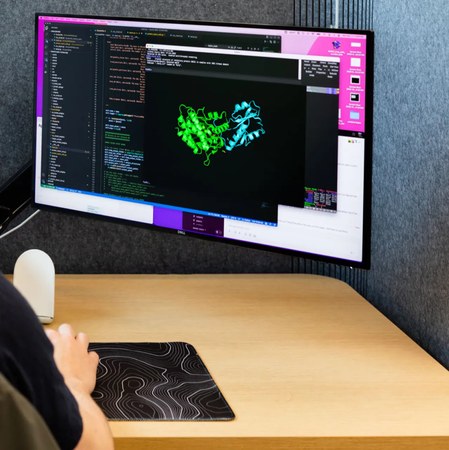
Outpace Bio
Outpace Bio is a Seattle biotech using AI-powered de novo protein design to program immune cells - especially CAR T cells - that can recognize and destroy solid tumors while limiting harmful side effects. Spun out of Lyell Immunopharma in 2021 by Institute for Protein Design alumni, the company has raised roughly $199M and is advancing its lead candidate, OPB-101, a mesothelin-targeted CAR T therapy for platinum-resistant ovarian cancer, toward the clinic.

Seneca Therapeutics, Inc.
Seneca Therapeutics is a clinical-stage biopharmaceutical company developing targeted oncolytic immunotherapeutics built on SVV-001, a non-pathogenic Seneca Valley Virus that selectively replicates in solid-tumor cells expressing the TEM8/ANTXR1 receptor. Founded by oncolytic-virus pioneer Dr. Paul Hallenbeck, the company pairs SVV-001 with immune modulators and checkpoint inhibitors to spark systemic anti-tumor immunity, and is advancing a Phase I/II trial in high-grade neuroendocrine neoplasms while building a pipeline of armed and neo-antigen viral constructs.
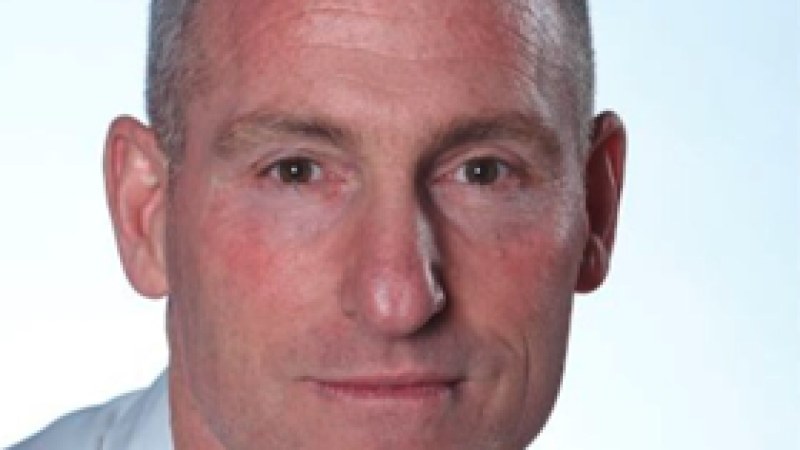
Ken Drazan
Ken Drazan is the Chairman, CEO and co-founder of Arsenal Biosciences (ArsenalBio), a South San Francisco clinical-stage company building computationally designed, programmable T-cell therapies to attack solid tumors. A board-certified liver transplant surgeon turned operator and investor, he previously was President and Chief Business Officer of GRAIL (acquired by Illumina), founded the robotic surgery company Verb Surgical (acquired by Johnson & Johnson), and co-founded the private equity firm Bertram Capital. At ArsenalBio he has raised hundreds of millions of dollars and forged collaborations with Bristol Myers Squibb and Genentech, betting that gene-edited 'integrated circuit' T cells - and an AI foundation model of the T cell - can turn cell therapy into something curative for cancers that have resisted it.
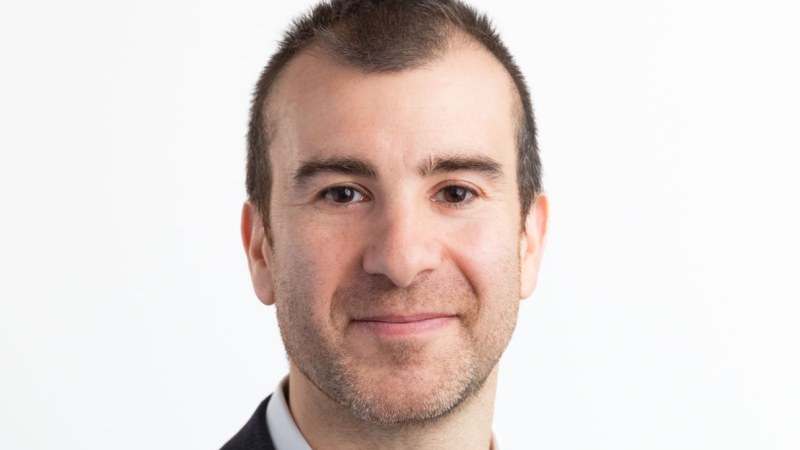
Marc Lajoie
Marc Lajoie is a protein designer turned biotech CEO. He co-founded Outpace Bio in 2021 in Seattle, where he is chief executive, building engineered cell therapies that aim to bring the kind of cures seen in blood cancers to the solid tumors that make up the vast majority of cancer cases. Trained in George Church's genome-engineering lab at Harvard and David Baker's Institute for Protein Design at the University of Washington, Lajoie helped pioneer the design of proteins with moving parts - molecules that compute, switch, and make decisions inside living cells. Outpace raised a $144M oversubscribed Series B in 2024 to push its AI-powered, protein-designed therapies toward the clinic.