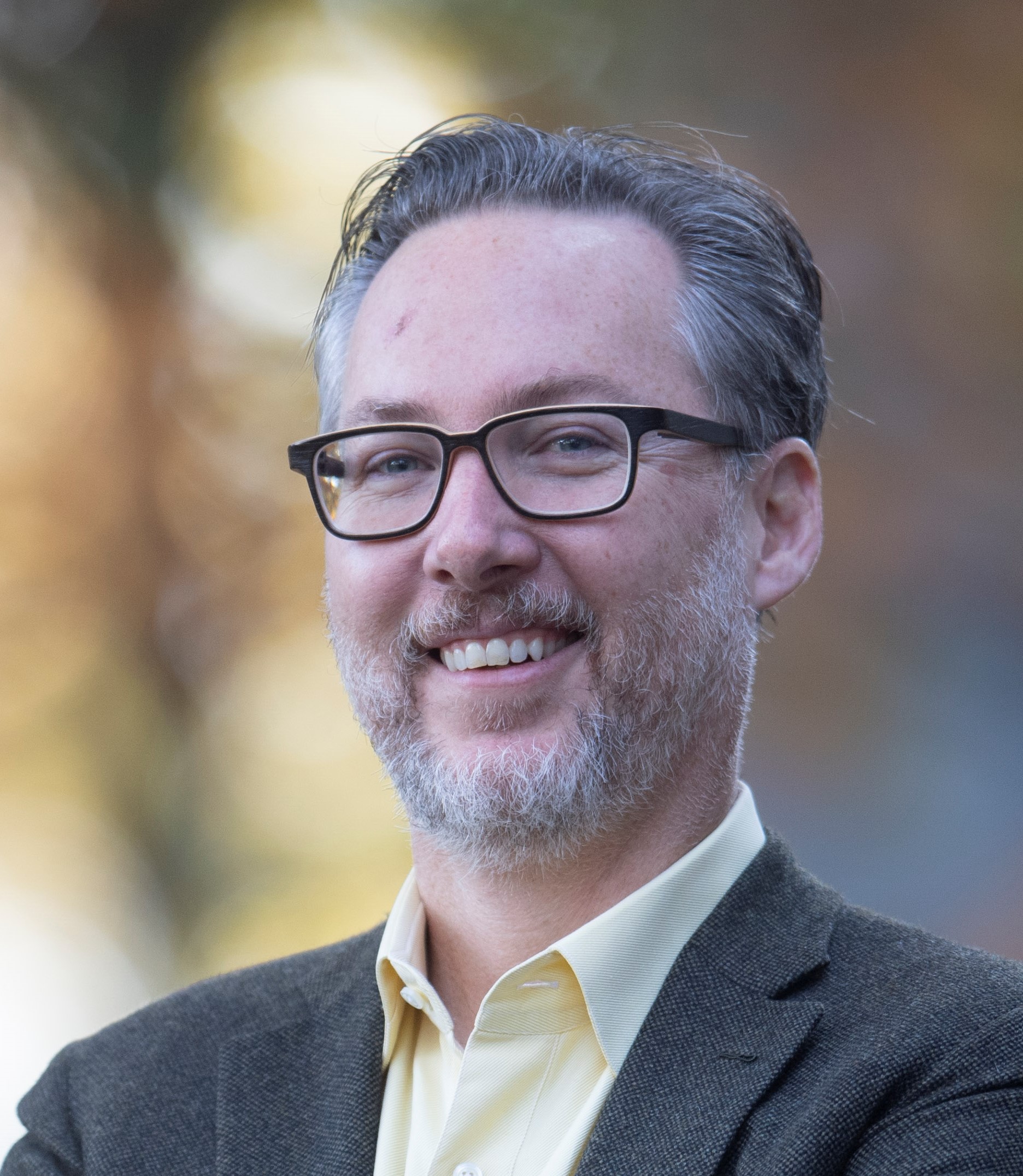
The Cytokine Hunter
Scott Clarke showed up at CatalYm in January 2025 with a specific interest in a molecule most oncologists still don't talk about in the same sentence as PD-1 or CTLA-4. GDF-15 - growth differentiation factor 15 - is a cytokine the body normally produces during pregnancy and cellular stress. In late-stage solid tumors, it gets hijacked. The cancer uses it to tell the immune system to stand down, to stop infiltrating, to forget the fight. Clarke's company makes an antibody that blocks it. And the data that brought him there is the kind that tends to make rooms go quiet.
In the Phase 1/2a trial published in Nature in 2024, visugromab - CatalYm's GDF-15-neutralizing monoclonal antibody - showed median duration of responses of 32+ months in non-squamous non-small cell lung cancer patients, 28 months in urothelial cancer, and 19 months in hepatocellular carcinoma. More than half of those responses were still ongoing at the data cutoff. In a field where durable responses are the rarest currency, those numbers looked like a signal worth following into Phase 2b with a full clinical program.
Three First-in-Class Mechanisms, Twenty Years
Before CatalYm, Clarke ran Ambagon Therapeutics - a company building molecular glue drugs to target proteins previously considered undruggable. Before that, Tizona Therapeutics, where he was appointed CEO in January 2019 and steered the company's first-in-class anti-CD39 antibody, TTX-030, through FDA IND approval and into Phase 1/1b enrollment for advanced cancers. When AbbVie came knocking with a $105 million R&D partnership, Clarke helped structure the Trishula Therapeutics spinoff specifically to advance that CD39 program. Then he moved on.
Before biotech entrepreneurship, there was Roche - where Clarke served as Global Head of Oncology Partnering and Head of Asia and Emerging Markets Partnering, directing licensing strategy across the company's oncology portfolio. And before Roche, BioMarin Pharmaceutical, where as Senior Vice President of Product Development he worked across multiple medicines that went on to earn regulatory approval. The pattern across all of it: find the mechanism that's out ahead of the conversation, build the team, raise the capital, and run the clinical program.
"The strength of the data combined with the company's resources and experienced team create ideal conditions to advance visugromab to become a transformative treatment for cancer patients."
What GDF-15 Actually Does
GDF-15 is not a new discovery. It's been studied in the context of cachexia - the severe weight loss syndrome that kills roughly 20% of cancer patients before the tumor does - and in cardiovascular disease. What CatalYm has pursued is its role in immune evasion. In solid tumors, GDF-15 is overexpressed. It suppresses immune cell activation, blocks T-cell infiltration into the tumor microenvironment, and drives resistance to checkpoint inhibitors like pembrolizumab (Keytruda) and nivolumab (Opdivo). Visugromab targets GDF-15 directly, aiming to unlock the immune response that anti-PD-1 drugs are trying to activate but can't reach when GDF-15 is present.
The strategy is combination therapy - visugromab alongside existing checkpoint inhibitors, not instead of them. The Phase 1/2a results suggest that in patients who would otherwise become resistant to or fail on anti-PD-1 therapy, adding GDF-15 neutralization can restore and extend responses dramatically. The Phase 2b program Clarke is now overseeing evaluates visugromab in combination with chemoimmunotherapy in metastatic non-squamous NSCLC as a first-line treatment, with additional indications in the pipeline.
The Company He Walked Into
CatalYm was founded in 2016 in Planegg-Martinsried, just outside Munich, with seed funding from Forbion Ventures and BGV. By the time Clarke joined as CEO, the company had already assembled a substantial scientific case and a $319M funding stack. The $150M Series D closed in July 2024, led by Canaan Partners and Bioqube Ventures, with participation from Forbion's Growth Opportunities Fund, Omega Funds, Gilde Healthcare, and existing investors including Jeito Capital, Brandon Capital Partners, Novartis Venture Fund, and Vesalius Biocapital III. Clarke's arrival coincided with the announcement of the Phase 2b program initiation - a deliberate signal that the company was transitioning from proof-of-concept to clinical execution.
The team Clarke inherited and expanded is notable. Clinton Musil as CFO and Chief Business Officer, coming from Skyhawk Therapeutics. Sujata Rao as Chief Medical Officer from Insilico Medicine. Heike Krupka as Chief Development Officer from Bristol Myers Squibb. Andrea Goddard as Chief Technology Officer from Roche/Genentech. The bench has done this before, across programs at companies with approved drugs.
The Education Arc
Clarke's academic path describes someone who understood early that the interface between hard science and business is where the leverage is. A B.S. in Chemical Engineering from UC Berkeley. An M.S. in Biotechnology from Northwestern. An MBA from London Business School. Three institutions across two continents. The engineering foundation gives him a different frame for drug development than a straight biology background - systems thinking, process design, failure modes. The business training from London gave him the language for the partnership and licensing work he did at Roche. The biotech specialization stitches both together.
What's consistent across his career is a preference for mechanisms that are genuinely novel and scientifically compelling but not yet well understood by the broader market - CD39 when he joined Tizona, molecular glues at Ambagon, and now GDF-15 at CatalYm. Each time, the bet is that the science is further along than the consensus, and that executing well on clinical development will close the gap.
What Phase 2b Means
The first patient dosed in CatalYm's Phase 2b trial is a milestone Clarke announced within weeks of taking the CEO seat. Phase 2b is the make-or-break moment in oncology drug development - statistically powered, with endpoints that regulators will scrutinize, in the indication most likely to lead to approval if successful. NSCLC is both the largest lung cancer market and a space where the current standard of care leaves substantial room for improvement, particularly in patients with primary or acquired resistance to checkpoint inhibitors.
Clarke has been here before, in different iterations. The discipline it takes to move a first-in-class asset through early clinical signal to a properly designed Phase 2b - and to do it with enough resources to see it through - is the specific competency his career has been building. CatalYm's case is that visugromab represents one of the more compelling mechanisms in immuno-oncology. Clarke's job is to prove it in a randomized trial and then figure out what happens next.