cancer-immunotherapy
(55)
Caribou Cut a Third of Its Team to Bet the Company on Two Cancer Drugs - Here’s What Focus Costs in Biotech
The CRISPR pioneer traded a sprawling platform story for two off-the-shelf cancer therapies, a smaller herd, and a very specific test: can ready-made CAR-T match custom-built medicine before the cash clock runs out?
Legend Biotech
Legend Biotech turned an experiment from a room the size of a freight elevator into a medicine used to treat more than 10,000 people. Now it must prove that one demanding, personalized therapy can become a platform for the next generation of cancer care.

Arcus Biosciences
Arcus built a biotech around a deceptively practical idea: own the pieces of a drug combination before trying to assemble it. After a major TIGIT setback, its next chapter now rests on a kidney-cancer pill, a pancreatic-cancer trial and a careful expansion into inflammation.
Sabah Oney
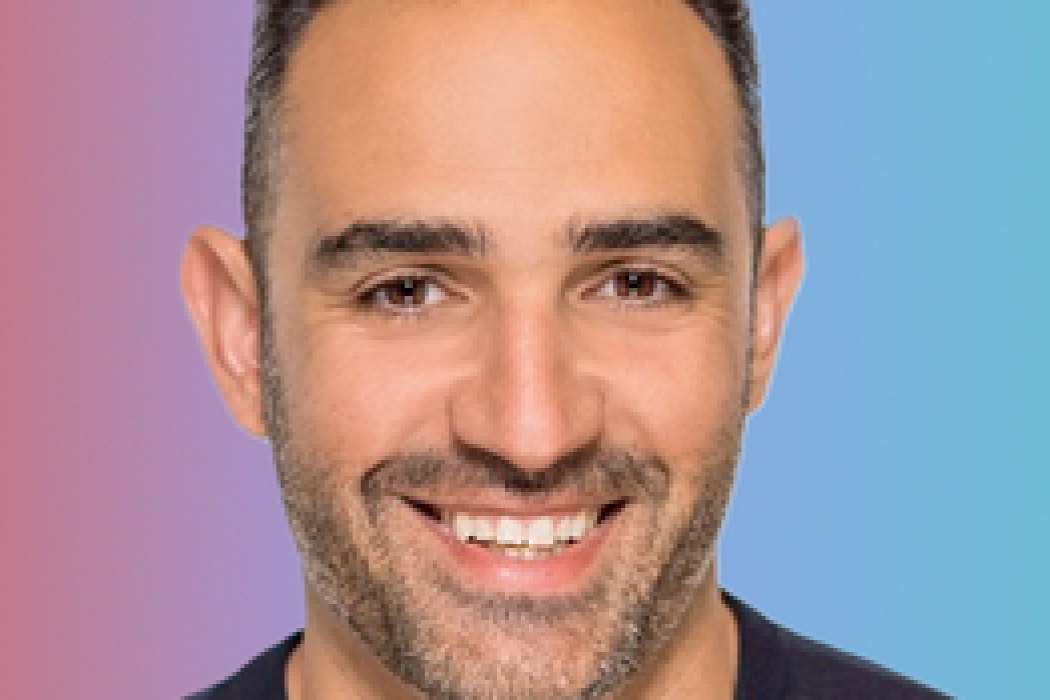
Sabah Oney is the president and CEO of Dispatch Bio, a Philadelphia- and San Francisco-based biotech engineering a universal treatment for solid tumors using CAR-T cell therapy. Born in Cyprus and in the U.S. since age 18, he holds a genetics degree from the University of Kansas, a PhD in genetics and genomics from Duke, and an MBA from Stanford. Across nearly two decades in biotech he helped scale Ariosa Diagnostics (acquired by Roche), took Alector public as its chief business officer, co-founded Vilya, and served as a venture partner at ARCH. Dispatch launched publicly in 2025 with $216 million behind its FLARE platform and CAR-T pioneer Carl June among its founders.

Ankyra Therapeutics
Ankyra Therapeutics is a clinical-stage Boston biotech developing anchored immunotherapy - a platform that physically tethers potent immune-modulating drugs to aluminum hydroxide so they stay concentrated inside a tumor rather than spreading through the body. Its lead candidate, tolododekin alfa (ANK-101), anchors the powerful cytokine IL-12 in the tumor microenvironment, aiming to unlock IL-12's anti-tumor activity while avoiding the systemic toxicity that has historically limited it. Founded in 2019 out of MIT science and led by CEO Howard L. Kaufman, the company is running Phase 1/1b trials in advanced solid tumors, including combinations with immune checkpoint inhibitors.
Sanavia Oncology Inc.
Sanavia Oncology is a New York-based biotech company developing next-generation cancer immunotherapies for patients who don't benefit from existing treatments. Its proprietary platform pairs high-throughput sequencing, single-molecule super-resolution microscopy, 3D protein modeling and artificial intelligence to discover novel, clinically relevant cancer-specific epitopes in drug-resistant tumors, then generates antibodies with atomic-level specificity to those targets. The company is building antibody drug conjugates (ADCs), bispecific T cell engagers (TCEs) and CAR-T therapies - led by its SANA-01 ADC - and is backed by Two Bear Capital.
Teon Therapeutics, Inc.
Teon Therapeutics is a clinical-stage, privately held biopharmaceutical company in Redwood City, California, developing a focused portfolio of orally administered small-molecule drugs that block immunosuppressive, cancer-promoting signaling pathways in the tumor microenvironment. Its GPCR-directed candidates - TT-702, a first-in-class adenosine A2B receptor antagonist, and TT-816, a first-in-class cannabinoid CB2 receptor antagonist - aim to restore anti-tumor immunity for the roughly 88% of solid-tumor patients who do not benefit from existing immunotherapies. The founding team members were primary inventors of Lexiscan, the only FDA-approved selective adenosine therapeutic.
Triumvira Immunologics, Inc.
Triumvira Immunologics is a clinical-stage immuno-oncology company developing engineered T cell therapies built on its proprietary T cell Antigen Coupler (TAC) platform. Unlike CAR-T, the TAC molecule co-opts the natural T cell receptor to recognize and attack cancer cells, aiming for a more physiological immune response with a potentially safer profile. The company advances autologous and allogeneic TAC T cell candidates against solid-tumor antigens such as HER2, Claudin 18.2, GPC3 and GUCY2C.
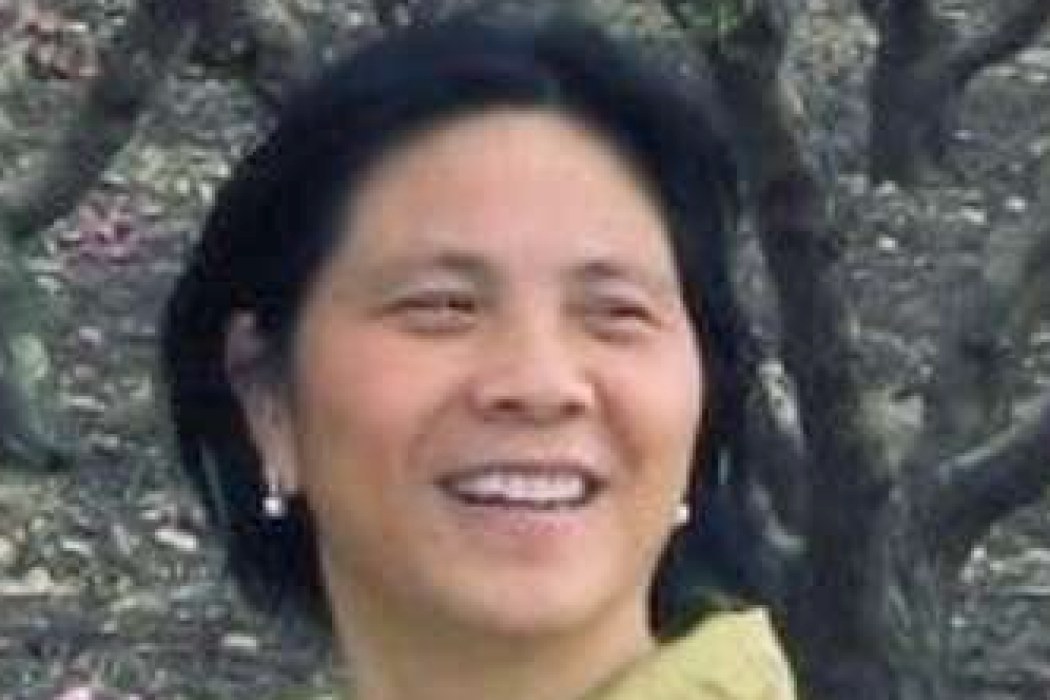
Lina Yao
Lina Yao is a pharmaceutical scientist and the founder of Teon Therapeutics, a Redwood City, California biotech developing first-in-class, orally administered small-molecule cancer drugs that target G-protein coupled receptors to reverse tumor-driven immune suppression. A molecular pharmacologist by training with an MD and PhD and more than two decades in drug discovery, she built her career at CV Therapeutics and Gilead Sciences before launching Teon in 2018. She led the company through an oversubscribed $30 million Series A in 2021 and into the clinic with two novel programs: TT-702, an adenosine A2B receptor antagonist, and TT-816, a cannabinoid CB2 receptor antagonist being studied in combination with Merck's KEYTRUDA.

Eureka Therapeutics, Inc.
Eureka Therapeutics is a clinical-stage biopharmaceutical company in Emeryville, California, developing next-generation T-cell therapies for cancer, with a focus on hard-to-treat solid tumors. Founded in 2006 by Dr. Cheng Liu, the company pairs its E-ALPHA phage-display antibody engine with its ARTEMIS T-cell receptor platform - an alternative to conventional CAR-T designed to keep engineered T cells potent inside immunosuppressive tumors while sharply reducing the inflammatory cytokine release linked to CAR-T toxicity. Its lead program, ECT204, targets GPC3-positive advanced liver cancer and has received FDA RMAT designation.

Aulos Bioscience
Aulos Bioscience is a Larkspur, California, clinical-stage immuno-oncology company using artificial intelligence to design antibody therapeutics that unlock the anti-cancer power of interleukin-2 (IL-2). Its lead candidate, imneskibart (AU-007) - described as the first AI-designed human monoclonal antibody to enter human clinical trials - redirects IL-2 away from immune-suppressing regulatory T cells and toward immune-activating effector T cells and NK cells, aiming to treat solid tumors such as melanoma and non-small cell lung cancer while avoiding the toxicity that has limited earlier IL-2 therapies.

Dispatch Bio
Dispatch Bio is a Philadelphia-based cancer biotech that emerged from stealth in July 2025 with $216 million to pursue a 'universal' immunotherapy for solid tumors. Its first-in-class Flare platform uses an engineered virus to install a synthetic, tumor-specific antigen on cancer cells while remodeling the tumor's immune-suppressive environment, effectively giving CAR T cells a target where none existed. Founded in 2022 out of the Parker Institute for Cancer Immunotherapy and ARCH Venture Partners, the company is led by CEO Sabah Oney and counts CAR T pioneer Carl June among its scientific co-founders.
Glycyx
Glycyx is a San Francisco biopharmaceutical company developing axelopran, an orally administered peripheral mu-opioid receptor antagonist, to counter opioid-induced immunodeficiency in cancer patients. Roughly 45% of immunotherapy patients take opioids for pain, and studies link that use to sharply worse outcomes on checkpoint inhibitors. Axelopran blocks opioid signaling on immune cells - without touching pain relief - to restore T-cell infiltration into tumors and make 'cold' tumors respond to immunotherapy. The company is Phase 2b-ready with an active IND and has drawn NIH SBIR grant support.
KaliVir Immunotherapeutics
KaliVir Immunotherapeutics is a clinical-stage biotech developing next-generation oncolytic viral immunotherapies for cancer. Its proprietary Vaccinia Enhanced Template (VET) platform engineers vaccinia viruses that can be delivered intravenously, replicate selectively in tumors, and express therapeutic payloads that reshape the tumor microenvironment. Founded in 2019 and headquartered in Pittsburgh, the company advances an internal lead candidate, VET3-TGI, alongside partnered programs licensed to Astellas Pharma and Roche.

Lyvgen Biopharma
Lyvgen Biopharma is a Shanghai-based clinical-stage immuno-oncology company founded in 2016 by veteran oncology scientist Dr. Jieyi Wang. It builds agonist antibodies - drugs that switch the immune system on rather than release its brakes - using a proprietary xLinkAb platform designed to concentrate immune activation inside tumors while limiting toxicity elsewhere. Its lead program, the CD137/4-1BB agonist antibody LVGN6051 (exlinkibart), is in Phase Ib/II trials in the US and China, including combinations with Merck's Keytruda, alongside a CD40 agonist (LVGN7409), a PD-1 blocker (LVGN3616), and bispecific candidates. Backed by IDG Capital and others through a Series C, Lyvgen runs R&D in Shanghai, a CMC/manufacturing center in Suzhou, and clinical and business development teams spanning China and the US.
T-knife Therapeutics
T-knife Therapeutics is a clinical-stage biotech engineering T-cell receptor (TCR-T) therapies to treat solid tumors. Spun out of Berlin's Max Delbrück Center in 2015, it built a proprietary humanized-TCR mouse platform (HuTCR) that grows a full human immune repertoire in mice, letting the company harvest fully human TCRs naturally selected for affinity and specificity. Now dual-based in San Francisco and Berlin, T-knife is advancing 'supercharged' TCR-T candidates - including a PRAME-targeted, CRISPR-armored therapy (TK-6302) entering the clinic - against cancers that have long resisted cell therapy.
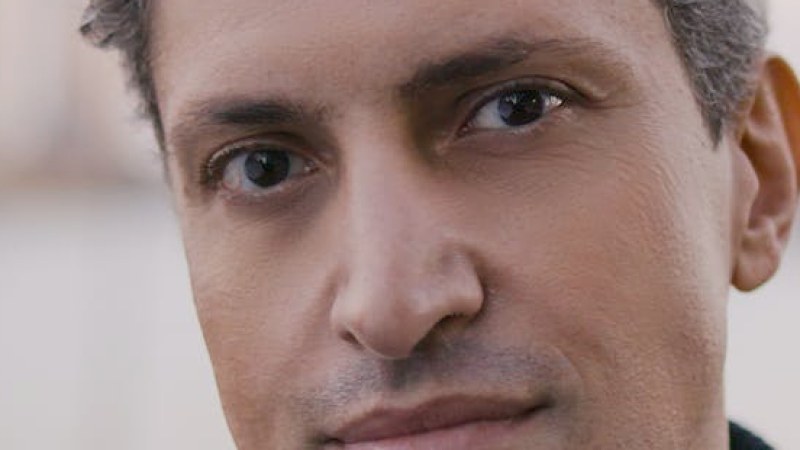
Server Ertem
Server Ertem is the founder and CEO of Sanavia Oncology, a New York biotech developing antibody drug conjugates, T-cell engagers, and CAR-T therapies aimed at the roughly 80% of cancer patients whose tumors escape today's treatments. He built the company after a PhD in cancer cell biology at Weill Cornell, a postdoc at Memorial Sloan Kettering, and a Runway Startup Postdoc fellowship at Cornell Tech - stitching high-throughput cell biology, super-resolution microscopy, and machine learning into a platform designed to find cancer-specific epitopes on validated targets with atomic-level precision.

Flashpoint Therapeutics
Flashpoint Therapeutics is a clinical-stage biotech spun out of Chad Mirkin's nanotechnology lab at Northwestern University, developing 'structural nanomedicines' - drugs whose potency comes not from new molecules but from how existing therapeutic components are arranged at the nanoscale. By co-delivering RNA, DNA, peptide and CRISPR payloads to individual cells with precise stoichiometry and synchronized activation, the company reports it can turn conventionally ineffective drug components into curative therapies, with early data showing dramatically stronger immune activation and tumor killing. Founded by Adam Margolin and backed by a $10M seed round led by Riyadh-based Beta Lab plus a $50M KAIMRC partnership, Flashpoint is advancing its lead immuno-oncology candidate FLASH-001 through the clinic.

Shennon Biotechnologies
Shennon Biotechnologies is a San Francisco biotech turning immune-cell target discovery from a months-long slog into a same-day job. Its proprietary TCELERATOR platform fuses ultra-high-throughput microfluidics with AI to functionally profile millions of single immune cells in hours, pinpointing the rare T and B cells that recognize cancer antigens. Founded in 2021 by physicist-turned-founder Li Sun, the company is building a pipeline of validated targets for solid tumors and autoimmune disease, backed by a $13M seed round led by DCVC.
T-Cypher Bio
T-Cypher Bio is an Oxford, UK biotechnology company building a pipeline of TCR (T cell receptor) therapeutics for solid tumours and immune-mediated diseases. Spun out of Orbit Discovery in 2021 on technology licensed from the University of Oxford, it pairs a high-throughput, functional bead-display platform with immunopeptidomics, AI and bioinformatics to deconvolute vast T cell repertoires, find disease-specific targets, and identify potent, target-specific TCRs.
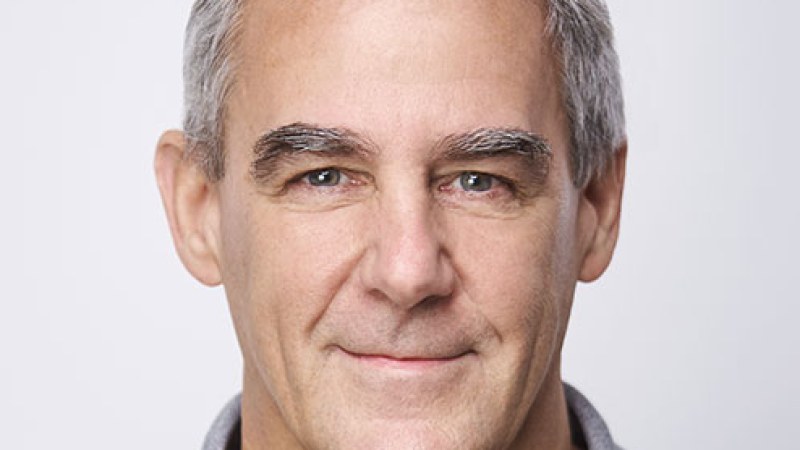
Briggs Morrison
Briggs Morrison is a medical oncologist turned biopharma leader who runs Crossbow Therapeutics, a Cambridge, Massachusetts company building TCR-mimetic antibody drugs that aim T-cells at cancer targets once thought unreachable. Before Crossbow he ran late-stage R&D at the scale of an industry giant, serving as Chief Medical Officer and EVP of Global Medicines Development at AstraZeneca, and holding senior development roles at Pfizer and Merck across three decades. His fingerprints are on blockbuster cancer medicines including TAGRISSO and LYNPARZA. Today he splits his identity between operator and investor: CEO of Crossbow, Entrepreneur Partner at MPM BioImpact, and a fixture on biotech boards including chair of Arvinas.
Jacob Becraft
Jacob 'Jake' Becraft is the co-founder and CEO of Strand Therapeutics, a Boston biotech building the first programmable platform for mRNA medicines. Trained as a synthetic biologist at MIT, he helped invent what he calls a 'programming language for mRNA' - genetic circuits that let a drug make decisions inside the body, switching on only where and when it should. Strand's lead candidate, a self-replicating mRNA that instructs tumors to produce their own IL-12, delivered early complete responses in a first-in-human trial. Becraft has raised more than $400 million to chase the idea that programming biology will be as transformative for medicine as software was for computing.
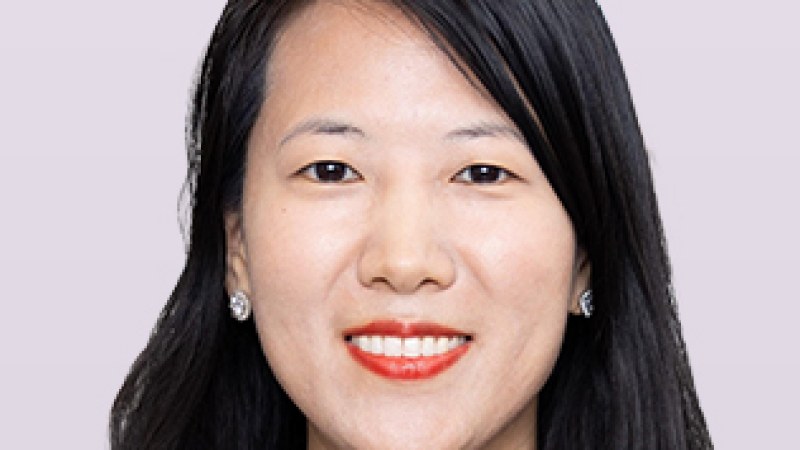
Li Sun
Li Sun is the founder and CEO of Shennon Biotechnologies, a San Francisco single-cell immunotherapy company that profiles millions of immune cells in hours to pinpoint the rare T cells and antibody targets that fight cancer. A physicist by training (PhD from Harvard's Weitz lab, M.Eng from MIT), she spent five years as a deep-tech venture investor at Bessemer and Foundation Capital before building the platform herself. Shennon emerged from stealth in March 2023 with a $13M seed round led by DCVC.
Luis Voloch
Luis Voloch is the co-founder and CEO of Jimini Health, a New York mental health startup that pairs licensed therapists with a clinically supervised AI assistant called Sage. An MIT-trained mathematician and computer scientist who won the school's best-thesis prize, he previously co-founded and served as CTO of Immunai, the AI cancer-immunotherapy company that grew into a billion-dollar unicorn. He has taught entrepreneurship at the Stanford Graduate School of Business and is building toward what he calls a 'Genentech-like company in mental health, powered by AI.'
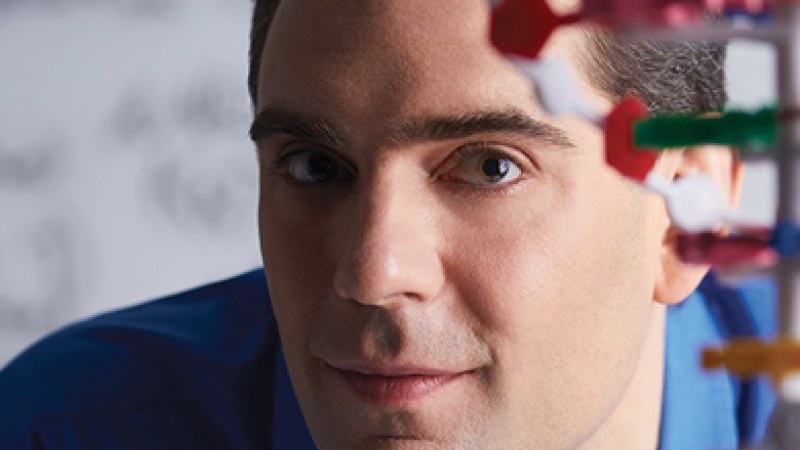
Adam Margolin
Adam Margolin is a computational biologist turned biotech founder who co-founded Flashpoint Therapeutics, a clinical-stage company engineering spherical-nucleic-acid nanomedicines that aim to turn weak cancer therapies into curative ones. After a 20-year academic career that took him from Wharton and Wall Street to running the #3-ranked genetics department in the country at Mount Sinai, and a stint as a Venture Partner at Khosla Ventures, he teamed with Northwestern nanotech pioneer Chad Mirkin to build Flashpoint. He led the company as founding CEO through a $10M seed round before handing the chief executive role to biotech veteran Barry Labinger in 2025. His mission is deeply personal: his mother died of cancer when he was three.
Scott Peterson
Scott Peterson is the Chief Business Officer of T-Cypher Bio, an Oxford-based biotech building next-generation TCR therapeutics for solid tumors and autoimmune disease. A Harvard-trained PhD who started his career at the lab bench as a medicinal chemist at Merck, he crossed over to the deal side and spent two decades shaping pipelines and partnerships at Intarcia, Spero, and Dewpoint Therapeutics before taking the commercial helm at T-Cypher. He is the rare dealmaker who can read both a term sheet and a reaction mechanism.

AvenCell Therapeutics
AvenCell Therapeutics is a clinical-stage cell therapy company building switchable, universal CAR-T treatments that can be turned 'off' and 'on' even after they are inside a patient. By pairing this controllable switch with a CRISPR-engineered, off-the-shelf allogeneic platform, AvenCell aims to widen the narrow safety window of conventional CAR-T while cutting the cost and wait time of manufacturing, targeting hard-to-treat blood cancers like AML, B-cell malignancies and, increasingly, autoimmune disease.

Bonum Therapeutics
Bonum Therapeutics is a Seattle biotechnology company building conditionally active biologics - drugs that switch on only where they are needed and switch off everywhere else. Spun out of Good Therapeutics after Roche's $250M acquisition in 2022, Bonum kept the platform blueprint and its founding team, then raised a $93M Series A to extend the approach. Its patented dual-binding antibody (DBA) technology uses a single domain that binds either an effector cytokine or a marker protein, but only one at a time, creating fully reversible medicines aimed at cancer, autoimmunity, metabolic disease and pain.

Clasp Therapeutics
Clasp Therapeutics is a clinical-stage immuno-oncology company building off-the-shelf, antibody-like T cell engagers that target cancer driver mutations presented on tumor cells via HLA. Spun out of Johns Hopkins and co-founded by cancer-genetics pioneer Bert Vogelstein and immunotherapy leader Drew Pardoll, Clasp uses its proprietary pHLAre platform to redirect a patient's own T cells to kill tumors with what the company calls absolute specificity - hitting mutant peptides found only on cancer cells while sparing healthy tissue. The company launched publicly in March 2024 with a $150 million Series A and dosed its first patient in April 2025.
HanchorBio Inc. 漢康生技股份有限公司
HanchorBio is a clinical-stage biotechnology company building next-generation cancer and autoimmune therapies on its proprietary Fc-Based Designer Biologics (FBDB) platform. Founded in 2020 by Henlius co-founder Scott Liu, the company engineers multi-target Fc fusion proteins designed to reach tumors that resist conventional PD-1/PD-L1 checkpoint drugs. Its lead candidate, HCB101, is an affinity-optimized SIRPalpha-Fc fusion protein targeting the CD47-SIRPalpha 'don't eat me' pathway, engineered to spare red blood cells and avoid the anemia that sank earlier anti-CD47 programs. With operations spanning Taipei, Shanghai, and the San Francisco Bay Area, HanchorBio is advancing a pipeline across solid and hematologic cancers and autoimmune disease.