marketplace
(177)
Pranav Goel and the business of the empty truck
Before Porter, Pranav Goel spent his spare time listening to truck owners in Mumbai. Their idle vehicles became the starting point for a company - and a question about how to make a working day pay.

Amit Kumar Agarwal and the cost of an introduction
A broker wanted to be paid again for a landlord Amit Kumar Agarwal already knew. The former banker’s answer became NoBroker - and a much longer education in what it takes to make a simple idea work.
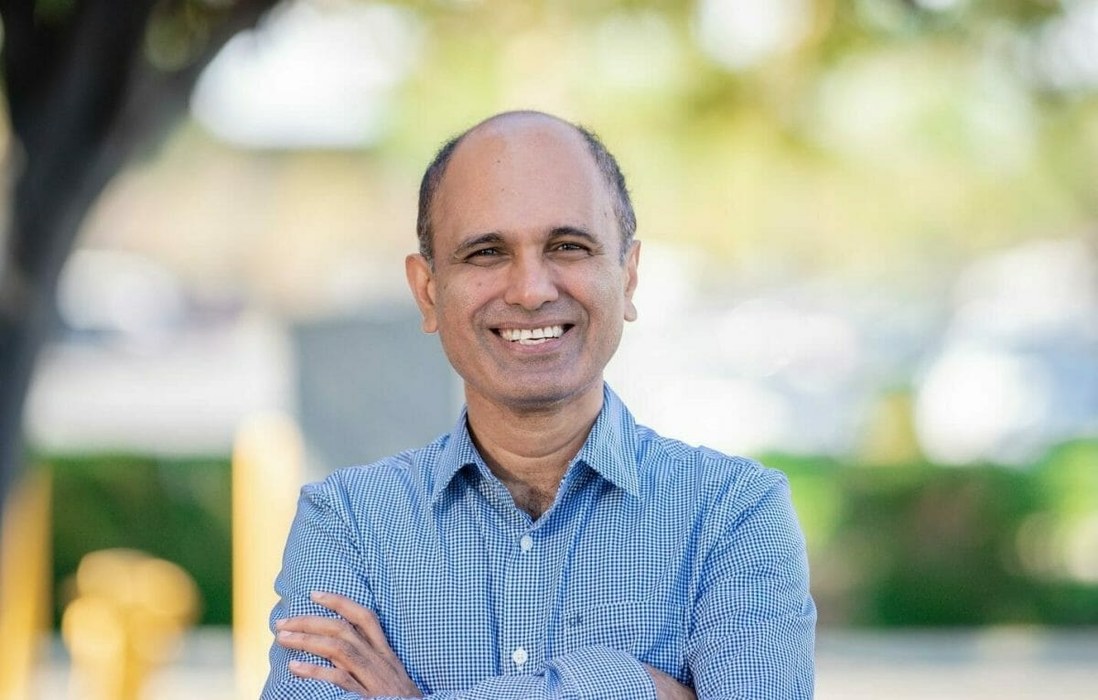
Binu Girija and the price of a parking space
A $39 parking bill sent Binu Girija looking for a fairer way to compare prices. Building Way.com would ask him to rethink something else: his own job.

Abdulkader Almkinzy and the journey before the journey
Before a rental car could take you anywhere, you had to go and find it. Telgani co-founder Abdulkader Almkinzy built a business around bringing it to you.

Doc Shufelt and the Small Question Behind a Long Queue
At Republic Wireless, a troublesome SIM card offered Doc Shufelt a lesson in paying attention. With ArenaCX, he helped turn the everyday problem of customer support into a marketplace.

Jeremy Hodara and the problem behind the buy button
Building Jumia meant teaching a marketplace to deliver, collect payment and earn trust. After a decade in African e-commerce, Jeremy Hodara has taken those questions into a new life of gardens, boardrooms and teaching.

Andriy Logvyn and the business that keeps changing its mind
He began with discounted clothes and kept rebuilding the machinery behind them. For Kasta co-founder and CEO Andriy Logvyn, the next version of the business now puts shopping and banking in the same app.

Yami made home a little closer
A two-hour grocery trip gave Alex Zhou an idea. Yami turned that inconvenience into an Asian shopping destination - and a route into America for the brands on its shelves.

Adi Tatarko Wanted a Better House. She Built Houzz.
A frustrating Palo Alto renovation sent Adi Tatarko back into technology. The company she built with her husband began among school families and grew by listening to the people trying to make a home.

Nicolas le Jeune and the card that never leaves the vault
He left Google and YouTube to build Courtyard with Paulin Andurand. His wager: a collectible could change hands around the world while staying exactly where it was.
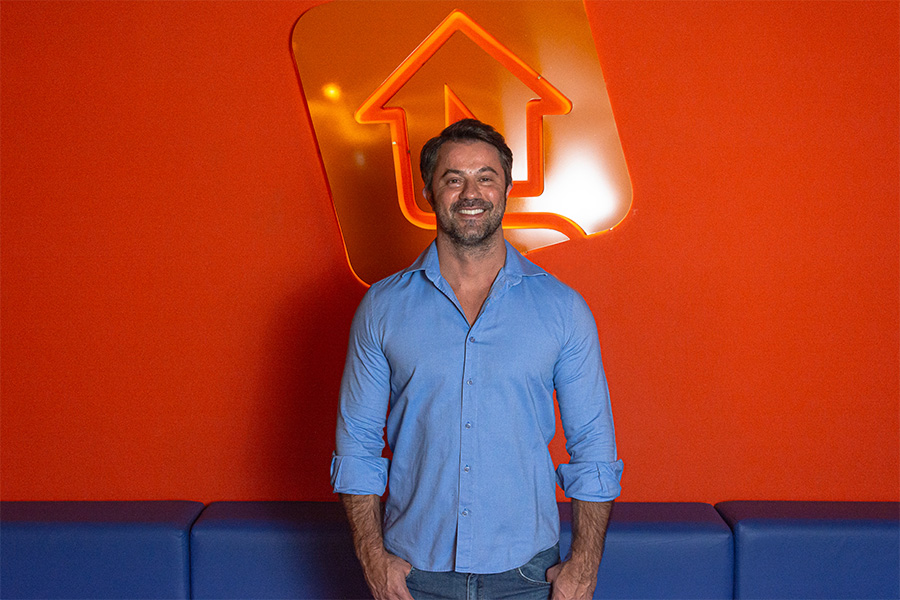
Daniel Scandian and the race to build a hundred-year company
A Formula 3 Light champion helped turn the remains of his family’s flooring business into MadeiraMadeira. Now Daniel Scandian is working on a different measure of success: a company that outlasts its founders.

The Bag That Stayed Put
Bounce began with two founders pedaling luggage across New York. The useful discovery was that travelers would happily come to a neighborhood shop instead - and, years later, that the company should keep its attention on bags.

Lyte Promised to Make Tickets Returnable. Then the Money Stopped Moving.
The ticketing startup began with a humane idea: let fans return what they could not use. Eleven years, at least $53 million and one risky expansion later, its sudden collapse exposed how much trust had been riding on the plumbing.

The Trader Who Put Marble on a Midnight Deadline
Farshid Tafazzoli learned markets before he learned patience. Decades later, he is applying the same appetite for speed to a stubbornly physical corner of design - one sample, one box and one midnight deadline at a time.
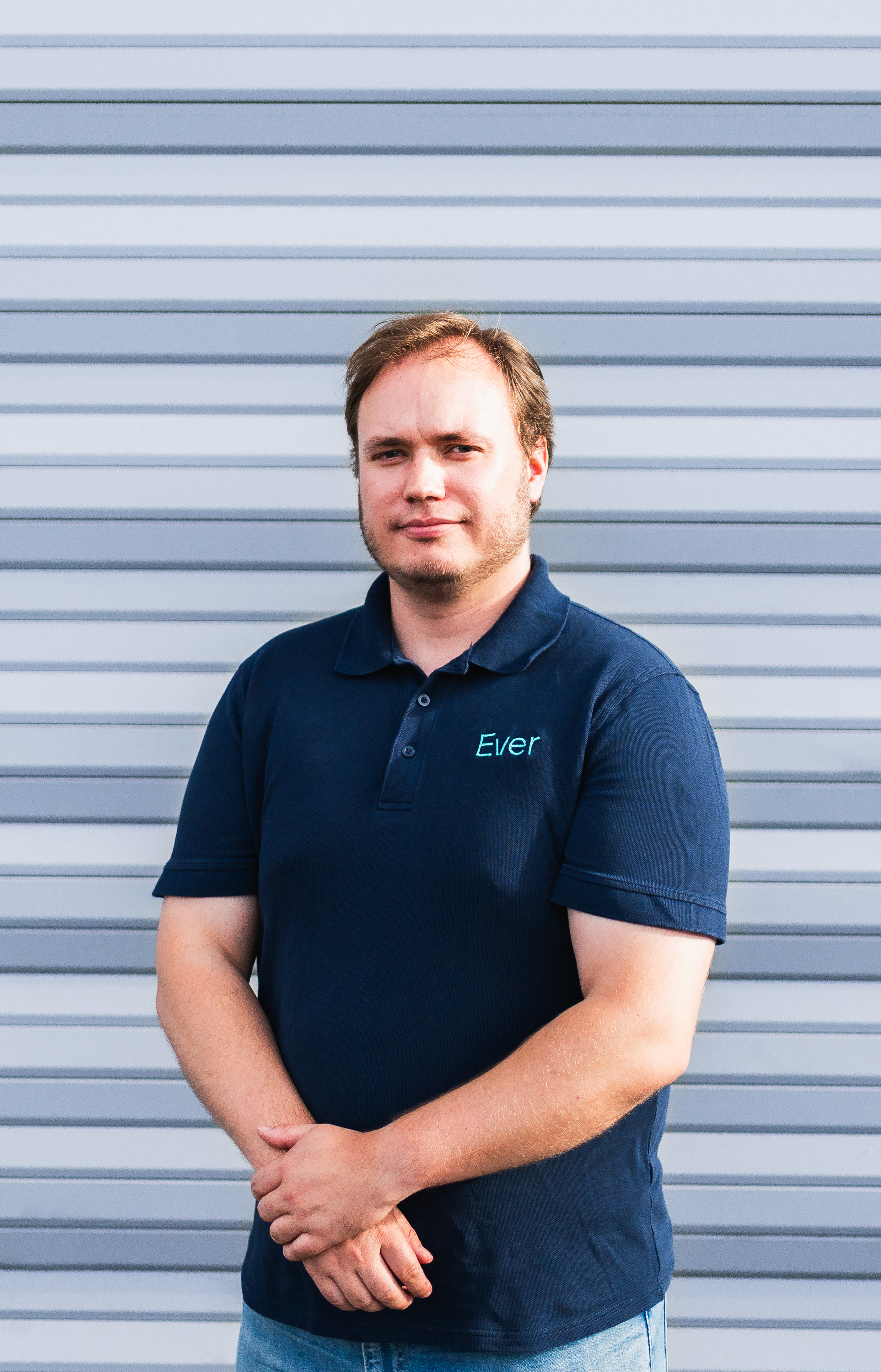
Lasse-Mathias Nyberg Is Teaching AI to Do the Paperwork of Buying a Car
The Stanford MBA and former BCG consultant is betting that the future of used-car retail will be won in the unglamorous space between a customer’s click and a clean title.

Ben Edmond Put the Telecom Industry’s Spreadsheets on Notice
At 41, with two sons and a comfortable telecom career, Ben Edmond traded a salary for a stubborn idea: the internet’s commercial plumbing should run on location truth, not emailed spreadsheets. A decade later, Connectbase is still pursuing the same thesis - only the map has become much larger.

Alon Cohen Built Houzz by Treating Friction as a Blueprint
A frustrating ranch-house remodel gave the engineer a problem worth coding. Fifteen years later, he is leading Houzz into its software-and-AI chapter with the same operating idea: make the complicated feel simple.

EquityZen Built a Waiting Room for the IPO - Then Morgan Stanley Bought the Door
For 13 years, EquityZen has turned startup stock - awkward, restricted and stubbornly illiquid - into something more people can transact. Its new owner, Morgan Stanley, is betting that the private market needs plumbing as much as it needs picks.

The Saskatoon Company Quietly Selling Software to the People Who Sell Software
Vendasta doesn't sell to small businesses. It sells to the roughly 60,000 companies that already do - handing them a rebrandable marketplace, a CRM and, now, a payroll of AI employees to put their own logo on.

The Turkish Word for Owner Became a Verb
Turkey's biggest marketplace started with 2,700 classified ads in 2000. A quarter century later, 'sahibinden' is how the country buys a house, sells a car, and rents an apartment - so much so that the name stopped being a website and started being a habit.

The Tool Seller That Put Brazil's Workshop Aisle Online
Loja do Mecânico found a business in the gap between the tool a professional needs and the place that actually stocks it. Now the Brazilian retailer is turning a pioneering e-commerce operation into a network of stores, local hubs and services built around the people who make and repair things.

When Brazil's Two Premium Fashion Rivals Decided to Share a Closet
Icomm Group merged OQVestir and Shop2gether into one company - then kept them competing on the same runway. Here is how Brazil's leading premium fashion e-commerce operator runs two storefronts, one warehouse, and a marketplace for the brands nobody else stocks.

How a Stanford Class Project Became the Way America Gets Dinner
It started as a phone number taped to a flyer on a Palo Alto campus. A decade later, DoorDash carries more than $100 billion in orders a year and is quietly rebuilding itself into the plumbing for local commerce.

Derek Jeter Wants to Keep Your Cards Out of the Shoebox
The Hall of Fame shortstop and the founder of LegalZoom built a company around a simple frustration: card collecting is a great hobby wrapped in a bad logistics problem. Arena Club grades, vaults, and trades the cards so collectors do not have to.

Borong
The Procurement Platform Built for Enterprises and Suppliers Across Malaysia

Amazon
From a garage bookstore in 1994 to a $200 billion quarter: how Amazon turned customer obsession into the operating system of modern commerce, computing, and now AI.

99 Group (99.co | Rumah123 | SRX)
99 Group is a Southeast Asian real estate technology company that runs property marketplaces in Singapore and Indonesia. Founded in 2014 by Darius Cheung, it operates 99.co and SRX.com.sg in Singapore and 99.co/id and Rumah123.com in Indonesia, connecting home seekers, agents, and developers through map-based search, price analytics, and the X-Value automated valuation tool. After absorbing REA Group's iProperty and Rumah123 and acquiring SRX, it became one of the two dominant property portal groups in the region, positioned against PropertyGuru.

Three Words, Three Meanings: The Quiet Fiction of 'Built on Google Cloud'
"Built on Google Cloud" gets stamped on countless vendor slides, but the phrase hides at least three very different relationships: renting infrastructure as an ordinary GCP tenant, holding a Google Cloud Marketplace listing, or being co-built and resold by Google as its own first-party product. Buyers can't tell them apart from a logo. This piece unpacks the distinction and shows where UJET actually sits: Google sells Google Cloud CCaaS, powered by UJET, as its own contact center offering, managed, delivered and supported by Google, a level of commitment that a marketplace listing or shared hosting does not confer.

Thomas Rivas
Thomas Rivas is the founder and CEO of Vendoo, a software platform that helps online resellers list and manage inventory across marketplaces like eBay, Poshmark, Etsy, Mercari and Facebook. He started selling online as a high schooler in 2007, kept selling through college at the University of Maryland, and turned the tedium of posting the same item to a dozen sites into a company that went through Y Combinator's Winter 2022 batch. Vendoo has grown to roughly 50-60 employees, reached profitability, and has been used to create tens of millions of listings.
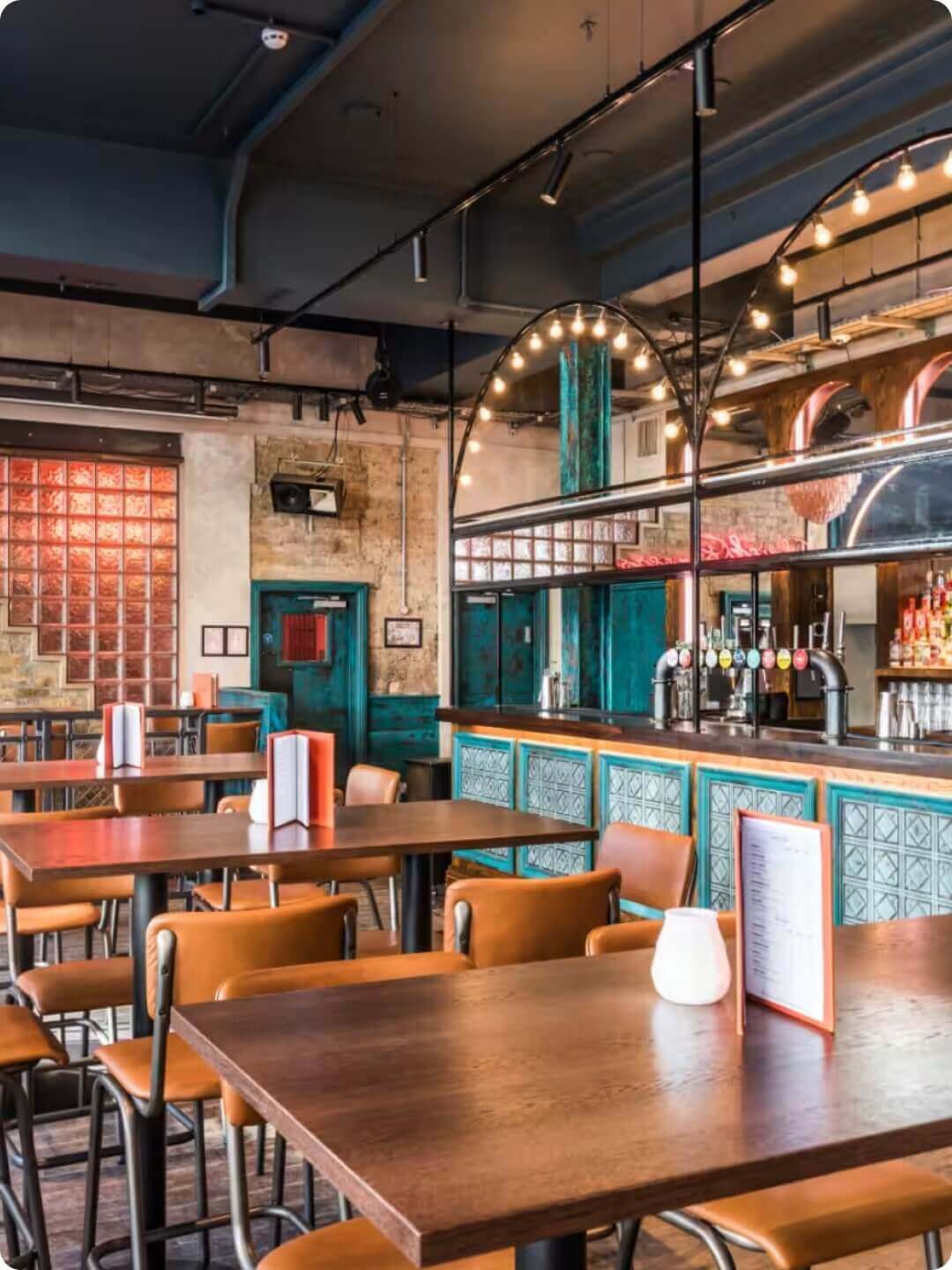
The Marketplace That Grew on Commissions, Not Cash
Tagvenue, the London-born venue-hire marketplace founded in March 2015 by Lancaster University friends Artur Stepaniak and Maksim Kondratjuks, grew into a platform spanning six countries, 22,000+ venues and a million monthly visitors — without ever raising a funding round. This is the story of how a business built on commissions, word-of-mouth demand and disciplined hiring reached global scale on its own revenue instead of venture capital.