media-monitoring
(32)
Biju D. Vincent and the Trouble With More
Biju D. Vincent built DigiMent Research around a practical conviction: a news mention becomes useful when someone understands it. His career is an argument for keeping human judgment in the monitoring business.
David H. Lasker and the value of yesterday’s news
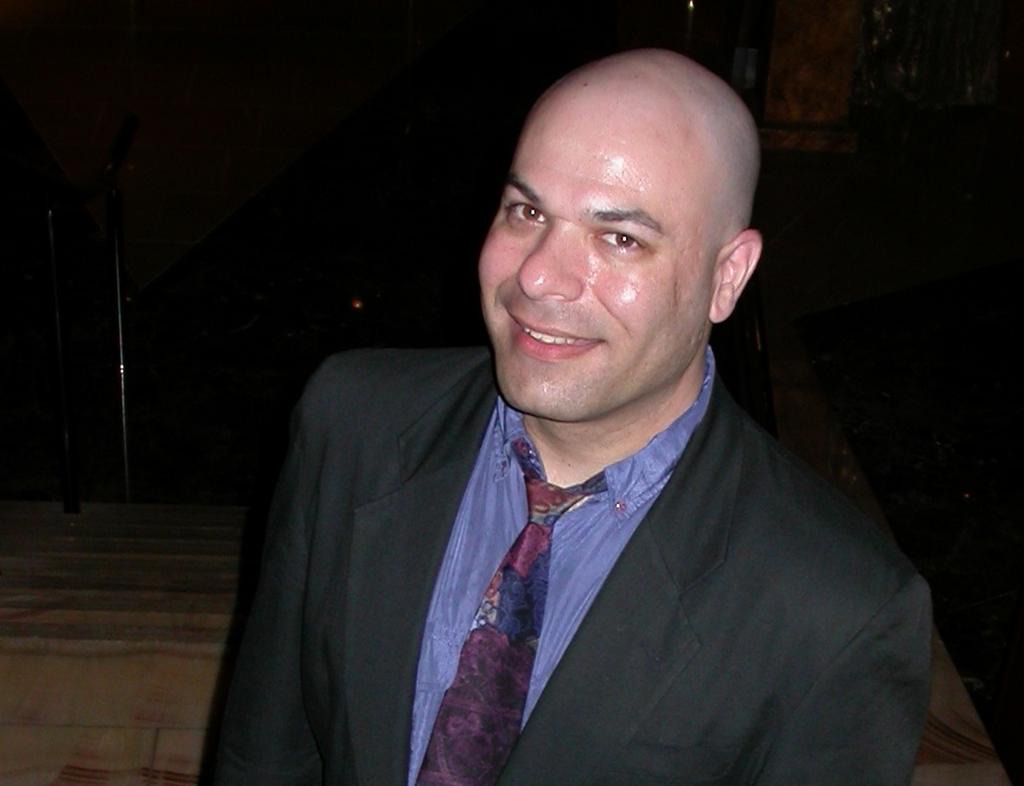
David H. Lasker spent the 1990s filming Chicago’s breaking news. At News Exposure, he built a business around a longer deadline: keeping the broadcast for the person who would need it years later.

The news moved on. Arabia Inform kept it.
Yesterday’s newspaper can become tomorrow’s research question. Arabia Inform has spent decades turning Arabic media into a searchable record - and a business built on remembering.
Robert Waggoner and the business of paying attention
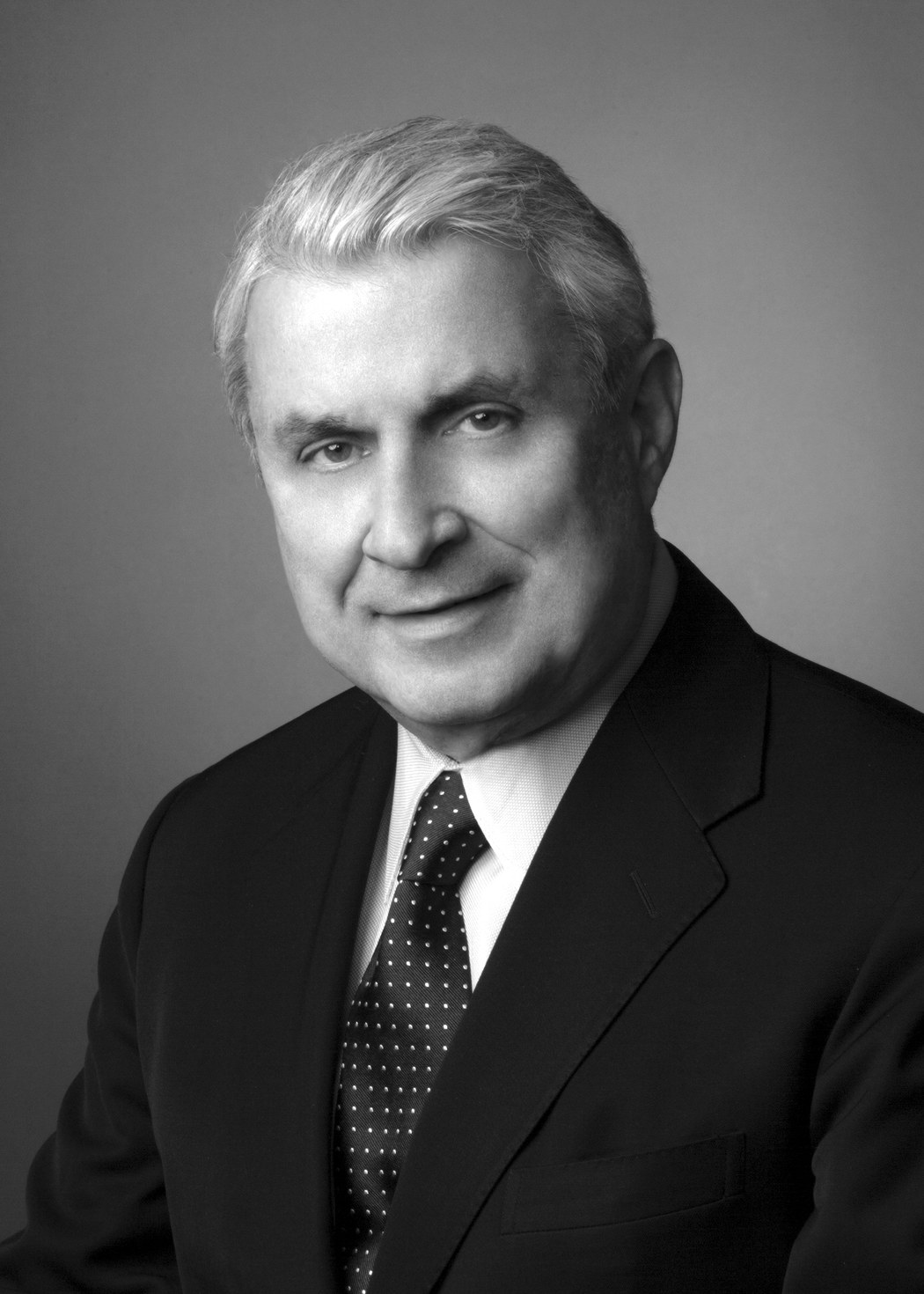
He bought into Burrelles on the day Nixon announced his resignation. From press clippings to concert halls, Robert Waggoner’s career follows a long habit of taking an interest.

Interra finds the faults before your audience does
A good master file can still become a bad stream. Interra Systems has built a business around the places where pictures, sound and subtitles go wrong.

Launchmetrics puts a price on fashion’s attention
A sample cupboard helped inspire a software business. Today, Launchmetrics connects the sample cupboard to the media report - and asks what all that attention is worth.

ACCESS Newswire Bet $43.5 Million on Becoming the Messenger
The Raleigh company spent years helping public companies file the paperwork. Then it bought a rival, took a painful write-down, sold the old business, and placed one quiet bet: communications teams would rather have one platform than six vendors.

The 136-Year-Old Clipping Bureau That Arrived at AI Without a Product Page
Industry Insight AI wears the biography of America’s oldest press-clipping service. The name points forward; almost everything verifiable points to a 136-year lesson in what happens when the medium you monitor disappears.

Fullintel Put People Back in the Machine
Media monitoring promised to automate the morning briefing. Then the alerts became another job. Fullintel built its business on a counterintuitive fix: keep the software, and put trained readers back in the loop.

The Database That Waited Thirteen Years to Raise Money
Muck Rack began as a free place for journalists to find one another. The surprise was who else showed up - and how long its founders were willing to grow before taking a serious check.

PublicRelay and the Seven Stories That Matter
Most media software promises to find everything. PublicRelay built a business around a fussier proposition: find the few things worth acting on, then put a human name behind the answer.

The Best Time to Hire LaBreche Is Before You Need LaBreche
Beth LaBreche built an agency, sold it, and returned with a smaller proposition: when the room gets tense, rent experience by the hour - not by the month.

The Machine Still Needs a Pair of Eyes
Intelligent Media has spent more than 25 years making a contrarian bet: publicity data becomes useful only after somebody checks the work. Its hybrid of software, human verification and custom reporting turns a flood of mentions into a brief a publicist can actually use.

The News the Internet Forgot
Newz Group built a modern media-monitoring business around an unfashionable fact: some of the most consequential news in America still arrives on paper.

The News Machine Still Needs a Human in the Loop
News Exposure built a national monitoring business around a counterintuitive idea: the faster the news cycle becomes, the more useful a careful pair of human eyes can be.

The Small Firm in Albuquerque That Studies What People Believe
Agenda turns audience research, narrative tracking and creative campaigns into a practical advantage for institutions operating under pressure. Its best-known work sits where public affairs meets the information battlefield.

The Last Mile of Media Monitoring Is Still Human
DigiMent Research is betting that the hardest part of media intelligence is not finding more mentions. It is deciding which ones deserve a human being's attention.

The Public Good Projects Found a Second Epidemic Hiding in Plain Sight
Public health used to broadcast. PGP built a listening post - then turned the signal into campaigns, training and news people might actually use.

The Firm City Hall Calls Before the Phones Start Ringing
Tripepi Smith built a communications business around an overlooked customer: the lean public agency with no room for a bad sentence. Its most useful lessons begin with a seven-hour alert, a global news frenzy and a municipal retainer that learned to bend.

Marketwired and the price of being believed
A forged release exposed the stakes of instant corporate news. Marketwired’s path into GlobeNewswire and Notified shows why distribution, identity and investor attention now share a business model.

CARMA wants PR to show its working
Counting headlines is easy. CARMA sells the harder job: explaining what coverage means, whether it helped, and what a communications team should do next.

Roxhill Media sells the homework behind a better pitch
A journalist’s email address is only the beginning. Roxhill combines media research, outreach and coverage analysis to help PR teams decide who deserves a pitch - and what happened after they sent it.

Pulsar Group Wants to Turn the Noise Into Your Next Briefing
Four software brands put Pulsar Group inside the daily work of PR teams, marketers and researchers. Its next bet is that customers will pay for the finished analysis, while the company tackles the cost of putting its portfolio together.

Cision UK wants to make every headline answerable
A £110 million insurance refund shows what media intelligence can measure. Cision’s next test is tracking what AI says about your brand.

Pulsar Stopped Counting Mentions and Started Mapping the Crowd
The London software company built its business on a sharp correction to social listening: the loudest post is rarely the whole story. Its platform maps the communities, narratives and behavioral signals underneath the noise.

Cision Spent Billions Building the Control Room for Corporate Attention
The 150-year-old descendant of a Swedish clipping bureau now watches news, social feeds and AI search for 75,000 organizations. Its bet is simple: the company that can measure attention can help steer it.

Why PR Teams Keep Switching Between Muck Rack and Cision
Fresh journalist data pulls communications teams toward Muck Rack. PR Newswire and enterprise distribution pull them back to Cision - and the gap between those choices is getting narrower.

The Reddit Post That Became the IMDb of Podcasts
It started as one guy on Reddit asking whether an IMDb for podcasts existed. Nobody had built it, so Bradley Davis did - and sold it to Acast for up to $34 million.

Lucidya | لوسيديا
Lucidya is a Riyadh-based, AI-native customer experience management (CXM) platform built for Arabic-speaking markets. Using a proprietary Arabic NLP engine that understands 15+ dialects with roughly 92% sentiment accuracy, it unifies social listening, media monitoring, surveys, customer profiles and omnichannel support into a single system, and now deploys autonomous AI agents for customer-facing roles. Founded in 2016 by Abdullah Asiri and co-founders, the company serves enterprises and governments across the MENA region and in 2025 raised a $30M Series B, one of the largest AI funding rounds in Saudi Arabia.

Zignal Labs
Zignal Labs is a San Francisco-based intelligence software company that turns publicly available information into structured, real-time situational awareness. Founded in 2011 as political-media startup Politear, it pivoted into broader media analytics and now positions itself as a national-security intelligence company delivering AI and agentic tooling. Its platform ingests billions of open-source signals daily across 100+ languages, using machine learning, computer vision, and OCR to detect narratives, track influence, and flag emerging threats for enterprise, government, and defense customers.