The Reddit Post That Became the IMDb of Podcasts
It started as one guy on Reddit asking whether an IMDb for podcasts existed. Nobody had built it, so Bradley Davis did - and sold it to Acast for up to $34 million.
In 2016, someone posted a simple question on Reddit: was there an IMDb for podcasts - a single place to look up who hosted a show, who guested on it, and whether it was any good? The honest answer was no. Podcasting was booming, but its data was a mess of RSS feeds and gut feeling. Bradley Davis read that thread, decided the missing tool should exist, and set out to build it with three collaborators he mostly knew from online. That decision became Podchaser.
A decade later, the metaphor has stopped being a metaphor. Podchaser is a searchable reference layer for the podcast industry - millions of shows, tens of millions of credits linking hosts, guests and crew, plus ratings, reviews and human-curated lists. On top of that free consumer database sits a business: professional tools that public-relations teams, agencies, advertisers and networks pay for. In August 2022, the Swedish podcast company Acast bought the whole thing in a deal worth up to $34 million.
What it actually doesTurning a firehose into a fountain
Davis has a line he likes for the company's purpose: convert the firehose of podcast data into a drinking fountain of insights. It is a good description of the problem. There are millions of active shows and hundreds of millions of episodes, but the useful facts - who is on this episode, who sponsors it, who listens - are scattered or missing entirely. Podchaser's answer was to structure that information and let the crowd fill it in, the same trick Wikipedia and IMDb used before it.
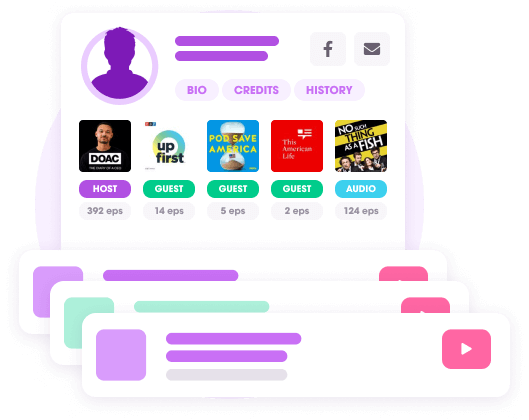
The consumer side is free. Anyone can look up a podcast, rate it, write a review, build a themed list, or add credits for the people who make it. Those credits are the heart of the "IMDb" comparison - a producer or a frequent guest gets a profile that connects every show they have touched. To keep that data consistent, Podchaser went a step further and wrote the Podcast Taxonomy, an open standard for production credit roles that the wider industry now borrows.
Convert the firehose of podcast data into a drinking fountain of insights.Bradley Davis, CEO and founder of Podchaser
The paid productWhat advertisers see before they spend
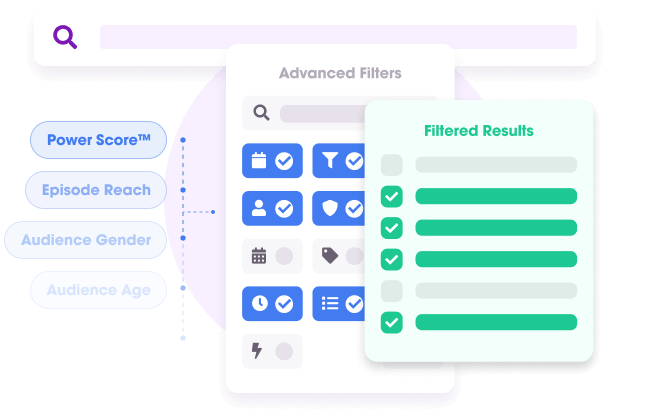
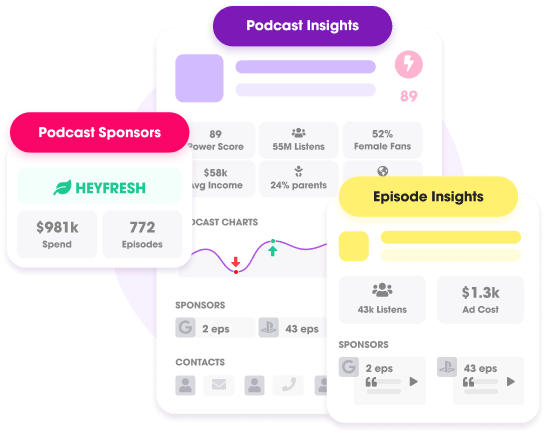
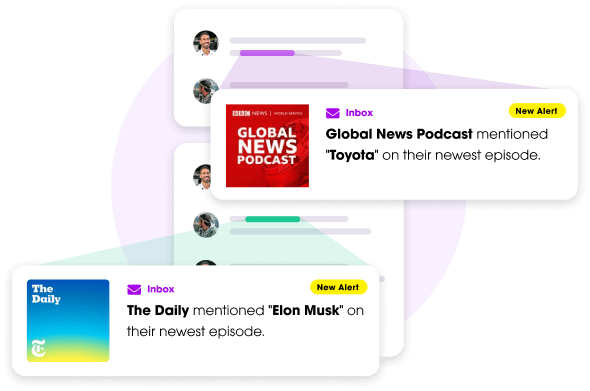
The free database is the reach. The revenue is Podchaser Pro, launched in 2020. It takes the same underlying data and adds the things a marketing team needs to make a decision: estimated audience size, listener demographics - age, gender, income, interests, location - and verified contact details for reaching a show. It layers in brand-safety scoring and media monitoring, so a brand can track where it is being mentioned across podcast transcripts and decide whether a show is a fit before writing a check.
This is the quiet insight behind the company. The exciting-sounding parts of podcasting are the shows. The valuable, boring part is knowing who is actually listening and how to reach them - and that is exactly the part nobody wanted to build. Podchaser did the unglamorous work, and it turned out to be what a $4 billion podcast ad market was missing.
Who pays for itThe plumbing behind other tools
Podchaser's customers are the people who need to find and vet shows at scale: PR and communications teams booking guest spots, marketing and media agencies planning campaigns, publicists, advertisers, and podcast networks. Consumers use the free database; professionals pay for Pro. And there is a third, less visible customer - developers. The Podchaser API exposes the database, contacts, charts, credits, transcripts and monitoring on tiered pricing, and it quietly powers a number of other podcast discovery tools. Becoming the plumbing is an underrated moat: once other products are built on your data, you are hard to rip out.
How it's differentThe database that outlasted its rivals
Podcast data has been a crowded corner. Listen Notes built a strong search engine and API. Rephonic sells research tools and listener estimates. Magellan AI focuses on ad-spend analytics. Chartable, once a direct rival, has shut down. What set Podchaser apart was depth in the parts that are hardest to copy: the crowd-sourced credits, the verified contact database, and an API woven into other people's products. Coverage plus contacts plus infrastructure is a harder thing to replicate than a dashboard.
Podchaser's data and discovery tools are crucial to taking podcasting to new heights.Alan Patricof, co-founder of Greycroft
The moneyTwo rounds and an exit
Podchaser's funding history is refreshingly short. A $1.65 million seed round in 2019 brought in High Alpha and Hyde Park Venture Partners. A $4 million Series A in January 2021, led by Greycroft, funded the expansion of the database and Pro. Then, in the summer of 2022, Acast acquired the company - roughly $27.2 million upfront plus up to $6.8 million in earn-out, for a total of up to $34 million. No decade-long grind, no billion-dollar mirage: a well-scoped data company that became indispensable and sold on its own terms.
The Acast dealWhy a hosting company wanted the map
Acast hosts and monetizes podcasts. What it lacked was authoritative, structured metadata to sell against - the demographics, reach and favorability data that advertisers want before they buy. Podchaser had spent six years assembling exactly that. Buying it gave Acast's advertiser clients a clearer picture of open podcasting at a moment when the ad market was projected to reach $4 billion. Podchaser continues to operate as an independent brand, and its data now also feeds Acast's advertising and analytics stack.
Together we will unlock the vast opportunity that we know exists for open podcasting.Ross Adams, CEO of Acast
The peopleOklahoma City, six continents
Podchaser was remote before remote was standard - the founding team collaborated across the United States, Australia and Hawaii, largely as online strangers, before ever meeting in person. Davis eventually moved the company's base to Oklahoma City after a visit convinced him the city was undervalued, and cheaper: a big house cost a fraction of what it would on the coasts. The team has stayed lean, around 33 people spread across six continents - a reminder that a category-defining data company does not require a giant headcount.
The arcFrom thread to acquisition
What you can takeThe copyable idea
The Podchaser playbook is unusually clean. Someone described a missing tool out loud; the founder built it instead of waiting for permission. He picked the boring, structural part of a hot market - the metadata, not the shows - and made it the product. He stacked a free tier for reach, a subscription for revenue, and an API for defensibility. And he stayed lean enough that a two-round, sub-$6-million company could be worth up to $34 million to the right buyer. It would not have worked in a market that already had a trusted reference layer, or without the patience to let a crowd fill a database over years. Podchaser had neither obstacle, and finished the to-do list nobody else would.