oklahoma-city
(11)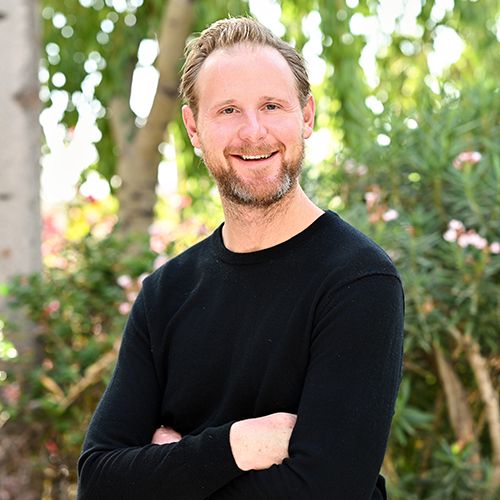
Matt Wills and the Business of What Happens Next
A religion graduate became a banker, a pharmacy builder and then the operator behind Lumata Health. His career keeps returning to the same unglamorous question: what happens after the plan meets real life?

Stephen Fransen Took the Eye Clinic on the Road
Long before remote care became a health-tech slogan, the Oklahoma retinal specialist put portable lasers in a vehicle and went where patients were. Lumata Health is the scaled-up version of the same stubborn idea: access is part of the treatment.

The Agency That Began With a Stack of Gift Cards
Debbie Anglin started moonlighting for founders an ad agency had turned away. Twenty-five years later, her firm still makes its living in the difficult space between what an organization wants to say and what the public is willing to hear.
Jones Strategies Made Three Digits Feel Like a Doorway
The Oklahoma City firm built its name where publicity gets difficult: mental health, government, infrastructure and aerospace. Its cleverest work turns a complicated institution into one thing people can remember - and act on.

Daniel Maloney Found a Company Hiding in the Analytics
A wedding-planning startup noticed an odd stream of Pinterest traffic. Daniel Maloney followed the clue, changed the company and built Tailwind around a habit he learned at Google: watch what people do, then make the useful thing easier.

Bradley Davis Built the Map Podcasting Forgot to Make
A frustrated listener asked Reddit for an IMDb of podcasts. The answer became Podchaser - and a lesson in how stubborn curiosity can turn a messy open medium into useful infrastructure.

The Reddit Post That Became the IMDb of Podcasts
It started as one guy on Reddit asking whether an IMDb for podcasts existed. Nobody had built it, so Bradley Davis did - and sold it to Acast for up to $34 million.
The $200 Million Water-Bottle Company Built to Give Its Profits Away
Simple Modern entered a crowded aisle with $200,000, an Amazon playbook and a promise to give away at least 10% of its profits. A decade later, its cups sit in more than 10,000 storefronts - and the mission is still written into the math.

The Company Behind the Switch: How Jasco Quietly Wired 100 Million Homes
You may not recognize the name Jasco, but you have probably handled its work. The Oklahoma City company built a 50-year business by hiding in plain sight - behind familiar brands, ordinary household problems and an uncommon promise to give half of its owned-brand profits away.

Progentec Diagnostics, Inc.
Progentec Diagnostics is an Oklahoma City company building blood-based biomarker tests and digital health tools for autoimmune diseases, starting with lupus. Its lead product, the aiSLE DX Flare Risk Index, uses an 11-biomarker algorithm to predict a lupus flare up to 12 weeks before it happens, giving rheumatologists a chance to intervene early. Spun out of research tied to the Oklahoma Medical Research Foundation, the company pairs lab science with patient-facing tools like the LupusCorner community to move autoimmune care from reactive to proactive.

Mohan Purushothaman
Mohan Purushothaman is the co-founder, chairman, and CEO of Progentec Diagnostics, an Oklahoma City company building blood tests and digital tools that aim to predict autoimmune disease flares before they happen. He came to diagnostics by an unusual route: a Johns Hopkins Ph.D. focused on pharmaceutical pricing, a Harvard research fellowship, five years inside Roche, and a pricing-software practice he built and sold to Alliance Life Sciences. In 2014 he turned that commercial instinct toward lupus, partnering with the Oklahoma Medical Research Foundation, and in 2020 raised a $5M Series A led by Plains Venture Partners to bring the aiSLE DX flare-prediction platform and the LupusCorner patient community to market.