At 9:30 on the morning of August 25, 2000, Internet Wire distributed a press release about Emulex, a maker of networking equipment. It contained the sort of news that makes a trader stop drinking coffee: an investigation, a departing chief executive, an earnings reversal. The release was forged. The distribution was real.
According to the SEC’s account, a news service picked up information from the release at 10:13. Over the next 16 minutes, Emulex temporarily lost $2.2 billion in market value. A former Internet Wire employee had impersonated a company representative. The machinery for moving information had carried a lie into the market.
That is an uncomfortable place to begin a company profile. It is also a revealing one. Internet Wire would become Market Wire, then Marketwired; its distribution business would eventually be folded into GlobeNewswire. Today, that lineage sits inside Notified. Across the changes of name and owner, the commercial question has remained remarkably durable: what must happen before other people can rely on a company’s announcement?
to trading halt
Emulex market value
Historical incident involving Internet Wire. These figures describe Emulex’s market movement, not the distributor’s revenue or valuation.
A name that could get past the receptionist
Internet Wire began in Los Angeles in the 1990s, associated with co-founders Michael Terpin and Michael Shuler. A contemporary account dates its founding to 1994. Its proposition was practical: send corporate announcements through an emerging internet distribution network. A reported $17.5 million venture round in 2000, led by Sequoia Capital and Hummer Winblad Venture Partners, supplied money to expand.
By 2003, the name was causing trouble. Prospective customers could assume that “Internet Wire” meant publication only on a website. The company also used other routes, including satellite and fax. It changed its name to Market Wire while signing a preferred-distributor agreement with Nasdaq.
The economics were concrete. The Los Angeles Business Journal reported a national, 800-word release price of $875 at Market Wire against about $1,200 at PR Newswire. Nasdaq gained a revenue-sharing arrangement and a warrant for a possible minority stake. Market Wire gained access to pitch the exchange’s listed companies.
There is a useful lesson hiding in this fairly unglamorous transaction. Buyers needed a dependable way to reach the market, and the company’s name had been making its service sound narrower than it was. The rebrand removed a misunderstanding; the exchange relationship brought the offer to people with a recurring reason to buy it.
The wire starts listening
In 2010, Marketwire bought Sysomos, a Toronto social analytics business. Sending an announcement answered one question: where did the message go? Listening to online conversations addressed another: what were people making of it? MaRS, which had supported Sysomos, described technology that could analyze the context and tone of conversations. The acquisition price was undisclosed.
Then came the changing business cards. Marketwire adopted “Marketwired” in 2013. Nasdaq completed its acquisition in February 2016, describing a combination of distribution reach, targeting and analytics. In April 2018, West bought Nasdaq’s public relations and digital media businesses for approximately $335 million. That price covered a portfolio, so treating it as Marketwired’s standalone valuation would be misleading.
- MarketwiredLegacy news distribution
- GlobeNewswireDistribution business absorbed in 2018
- NotifiedBroader brand adopted in 2021
- EquinitiNotified acquisition closed in 2025
A service lineage across acquisitions and brands, not four successive names for one legal entity.
Marketwired was folded into GlobeNewswire in 2018. The broader Intrado Digital Media business adopted the Notified name in 2021. Equiniti completed its purchase of Notified in May 2025, bringing shareholder services closer to the systems companies use to communicate with investors. Nasdaq remains a partner: a five-year renewal announced in February 2026 covers communications technology for qualifying new listings.
The expansion makes commercial sense. A public company must prepare information, distribute it, host an investor conversation and keep its website current. Each handoff creates work. Owning more of those steps lets a supplier sell a larger relationship.
Who pays to press send?
Today’s Notified serves PR agencies, corporate communications teams and investor relations departments. It reports more than 10,000 global customers and over 230,000 releases distributed annually. Those are figures for the present business, not a headcount of surviving Marketwired accounts.
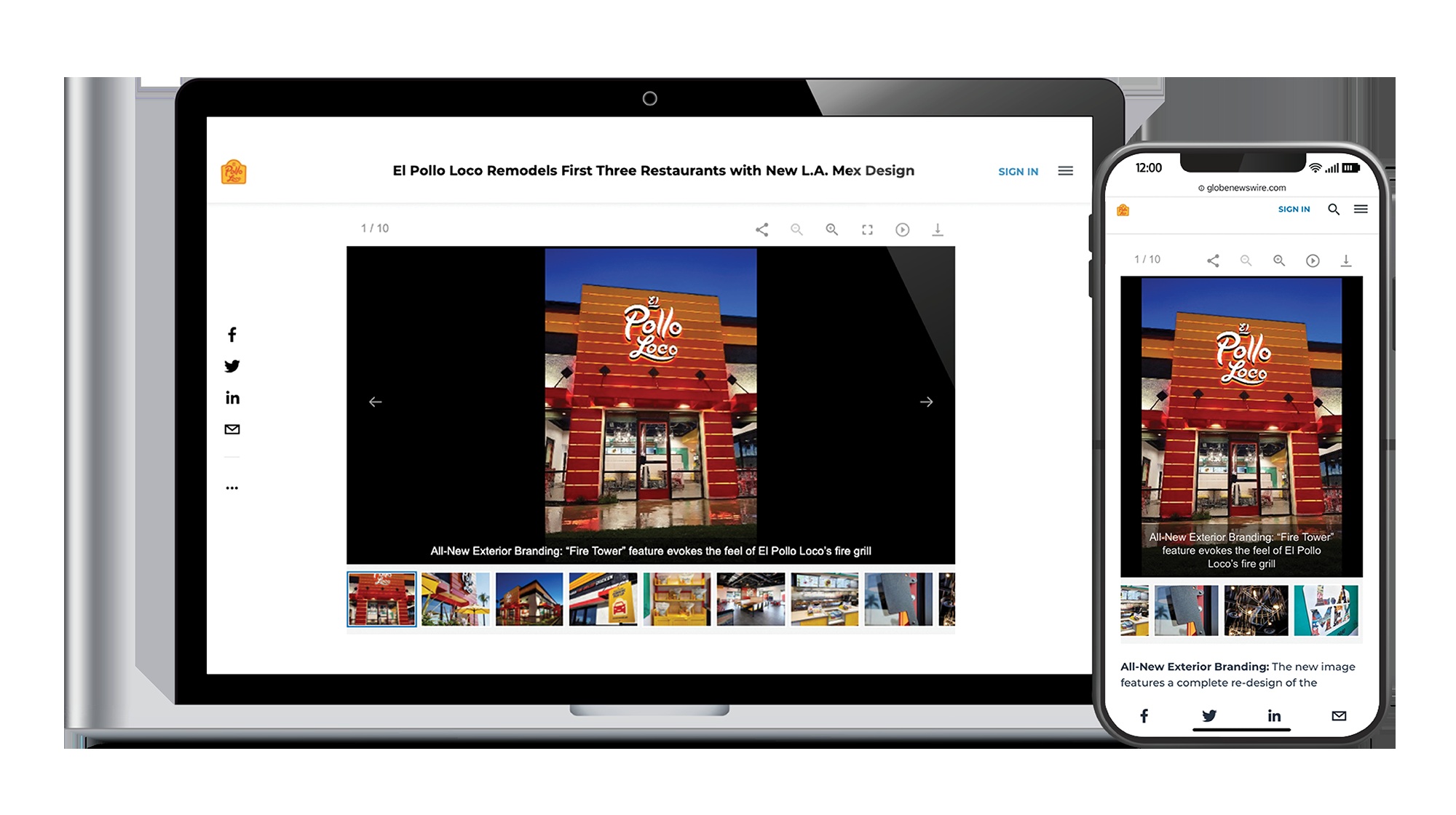
GlobeNewswire supplies the distribution network. Customers can target by geography, industry and media type, include multimedia and examine performance reports. Content OS surrounds that service with drafting, media contacts, pitching, monitoring and analytics. An agency can research a contact, prepare an announcement, distribute it and track the response within the broader offering.
IR Hub addresses the investor side: websites, earnings events, releases, filings and analytics, supported by editorial and production staff. Consider the ordinary pressure of an earnings day. The release, slides, call and website must tell a consistent story. A connected system can reduce the number of places someone has to update while the clock is running.
The human part appears repeatedly in customer accounts. In a testimonial on Notified’s website, Zoom’s head of investor relations, Charles Eveslage, praises help with time-sensitive updates outside business hours. For a buyer with an announcement due, availability is a product feature.
“The immediate support we receive is invaluable”
Charles Eveslage / Head of Investor Relations, Zoom
Customer testimonial published by Notified
The commercial model combines paid distribution with software and service packages. Registration is free; sending releases is paid. GlobeNewswire asks customers to contact sales about cost and subscription options. The historical $875 figure belongs firmly in 2003. For a current purchase, a useful comparison starts with the proposed destinations, release volume, multimedia requirements and support included in the quote.
Business Wire and Cision’s PR Newswire remain direct distribution alternatives. Notified’s case rests on the combination: an owned wire, PR tools, investor communications, verification and assistance from people. That combination becomes more useful as the number of coordinated communications tasks grows. A small business announcing one local event may have little use for the full suite.
The selfie before the statement
In August 2024, Notified announced an integration with CLEAR. Existing CLEAR users could authenticate their identity; new users could enroll using identification and a selfie. A verified submitter’s GlobeNewswire release could then display a CLEAR Verified badge. The launch covered U.S.-based customers.
There is something wonderfully literal about this: before a company speaks to the world, a human may have to show a face. The badge establishes a fact about the sender. It does not independently prove every assertion in the document.
Placed beside the Emulex episode, the feature makes the underlying problem easier to see. In that historical incident, a fraudulent sender got an unauthorized message distributed. Modern authentication addresses that class of risk. The parallel does not establish that the 2000 event directly caused the 2024 partnership, and the intervening businesses had many other reasons to strengthen security.
Who sent it?
Identity verification concerns the submitter.
What does it claim?
Evidence and editorial judgment concern the content.
What happened next?
Reporting concerns reach, response and outcomes.
That distinction is worth copying into any communications process. Establish who can authorize publication. Check names, numbers and claims. Agree on the intended audience. After distribution, measure the response that mattered to the business. A long list of copied releases cannot, by itself, tell you whether anyone became better informed.
The next reader may be a machine
Notified’s recent product decisions follow a new audience: AI systems that retrieve, summarize and cite company information. In February 2026, it announced the AI Press Release Optimizer inside Content OS. The tool offers recommendations on structure, clarity and quotability; authors can accept, edit or ignore them. It was announced as available to GlobeNewswire clients at no additional charge beginning in March.
The same month, Market Intelligence entered early-adopter availability in IR Hub, initially offering public earnings transcripts. The announcement distinguished that initial access from further summaries and analysis still to come. Product roadmaps deserve that distinction: a promised capability and a delivered one can sound identical in a sales conversation.

On September 2, Notified announced three further IR Hub features as available globally to IR clients: reporting on how AI might interpret earnings discussions, reporting on AI discovery of website content, and a chatbot using approved company material. The practical attraction is visibility into questions and interpretations that previously sat outside the company’s own website analytics.
Distribution is widening too. An August 2026 Hearst agreement added eligible releases to designated pages on SFGATE, the San Francisco Chronicle and SeattlePI. Those placements are a distribution service. Independent reporting remains a separate editorial decision. A communications team needs to preserve that difference when counting its successes.
For buyers, the useful discipline is to choose the result before buying the route. A filing deadline calls for reliable execution. A product launch calls for a relevant audience and material worth covering. AI visibility calls for accurate, clearly structured information and careful interpretation of the metrics. The tools can assist each task; their presence alone cannot make an announcement interesting.
The company that once had to explain it could distribute beyond the internet now helps clients examine what machines make of their news. Through all those new interfaces, the old question persists. Before pressing send, who has earned the right to be believed?