ai-visibility
(44)
Charlie Wilkie Is Teaching Corporate Goodness to Survive the Algorithm
Across the Guardian, Upworthy, HuffPost and 3BL, Charlie Wilkie has built a career around a stubborn question: how can worthy ideas earn attention without losing their worth? His latest answer treats AI not as a writing trick, but as a new arena for trust.
The PR Firm That Learned to Pitch the Answer Machine
5WPR built a large independent agency by answering journalism's five old questions. Now it is betting that the sixth question - who gets named by an AI - will remake the communications business.

The $1,500 Bet That Refused to Stay the Same
Zen Media began with a graduate thesis, a nearly empty bank account and a market that did not yet have a name. Seventeen years later, its most durable product is not PR, social or AI - it is the habit of changing the offer before the buyer changes the channel.

Creative Concepts Was Early to Social Media. Now It Is Reading the Comments.
In 2006, Valorie Luther gathered executives to discuss a business tool few companies knew they needed: social media. Twenty years later, her consultancy is making the same bet on AI visibility - and on the unruly truth hiding in other people's comment sections.
3BL Bought the Neighborhood. Now It Wants to Measure the Conversation.
The Northampton company spent years assembling the specialist outlets of responsible business. Its next wager is that corporate reputation can be distributed, benchmarked and even read through the eyes of an AI.
The Company Selling Certainty in an Uncertain Media Business
For thirty years, Brandpoint has sold PR teams a rare commodity: a predictable path into the news. Now it is betting that the same publisher network can make brands legible to both people and machines.
The Merger That Bet Every Company Would Become a Technology Company
Archetype began with an unfashionable bit of organizational housekeeping: combine a PR veteran and a digital agency, then erase the line between them. The result is a 600-plus-person experiment in making complicated companies sound human.
The Editor Who Put the Newsroom Inside a PR Firm
Mark Pasetsky left the magazine business with an editor’s suspicion of empty claims. Sixteen years later, his firm sells something more useful than noise: a repeatable way to turn executive expertise into public proof.
The Internet Changed Its Mind. TheBestReputation Learned to Change Faster.
After a Google update broke a working playbook, the Williamsburg firm rebuilt around a useful idea: reputation is not a page of blue links anymore. It is the answer the internet gives before you enter the room.

The Press Release Was Supposed to Be Cheap. EZ Newswire Made It Measurable Instead.
A $25 experiment in automated press releases grew into a premium distribution platform that charges up to $1,500 a release. The interesting part is not the markup - it is what EZ Newswire learned to sell instead of vague reach.
The Agency That Decided Google Was No Longer the Front Door
LIMELIGHT began with two legal-media veterans and an unfashionable hunch: expertise means little if buyers - and now machines - cannot find it. Less than two years later, the New York agency says it is nearing 20 clients and is building a business around making complicated firms legible.
The House That Made the Press Release Feel Lonely
CBC built a business around an unfashionable idea: journalists understand products better when they can actually use them. Now the 25-year-old agency is turning those same human relationships into a strategy for being found by machines.
The Agency That Discovered Trust by Accident
Scott Baradell started writing because he was jobless and grieving. The calls that followed became a 20-year experiment in a stubborn B2B idea: credibility works better when PR, search and content stop behaving like strangers.
The Decade Andrea Aker Spent Learning to Let Go
Aker Ink began as one writer's bid for independence. Its more revealing story is how she stopped treating independence as the business model.
The PR Firm That Learned When to Stop Being Polite
Bospar built a national agency without an office, made persistence into a trademark, and then discovered that its sharpest work sometimes begins with a retreat. Now it is teaching companies to pitch not only reporters, but the machines reading them.
Plat4orm Makes Complicated Companies Easy to Believe
For a small, remote-first agency, Plat4orm has chosen a large and stubborn problem: turning technical expertise into public trust. Its best work begins where the obvious press release ends.
The Car People Who Learned to Sell the Story, Too
Kahn Media started with an automotive journalist's simple advantage: he knew what editors would actually open. Eighteen years later, that instinct has become an integrated agency built to turn specialist credibility into attention - and attention into sales.
Highwire wants to make complicated companies impossible to ignore
A staffing report, a presidential cameo, and an AI answer engine reveal how Highwire is expanding the job of a public relations agency. The common thread is finding something useful to say before asking for attention.
Marketwired and the price of being believed
A forged release exposed the stakes of instant corporate news. Marketwired’s path into GlobeNewswire and Notified shows why distribution, identity and investor attention now share a business model.
Offleash PR and the art of being understood
A database startup needs a place in the conversation. A public company needs a new audience. Offleash’s business is helping complicated technology make sense to the people who matter - and, increasingly, to AI search.

The PR firm that had to explain itself to Google
(W)right On Communications helps complicated organizations make sense to the people who matter. When it launched two specialist agencies, the first audience to get confused was a search engine.

Dymic Digital’s First Big Client Paid for Its Ambition. Then It Left.
An early franchise account helped Dymic build a full-service agency, then exposed its dependence on one customer. Today, its pitch joins marketing strategy, execution and a new push into AI visibility.

Your Growth Work Vanishes Before the Market Sees It
YesPress wants agencies, fractional executives and consultants to turn the work already happening inside client companies into a steady public record - without building a newsroom of their own.
Cision UK wants to make every headline answerable
A £110 million insurance refund shows what media intelligence can measure. Cision’s next test is tracking what AI says about your brand.

Surfer Turned the SEO Scorecard Into an AI Visibility Console
Surfer made on-page SEO feel like a game. Now it wants to show whether ChatGPT knows your name - and tell you what to publish when it does not.
Frase Turns Search Chores Into a Publishing Shift
Frase has grown from a clever briefing tool into a content operator that can research, draft, score, publish, and watch the work. The useful question is no longer whether it can write, but how much of your editorial loop you are willing to hand over.
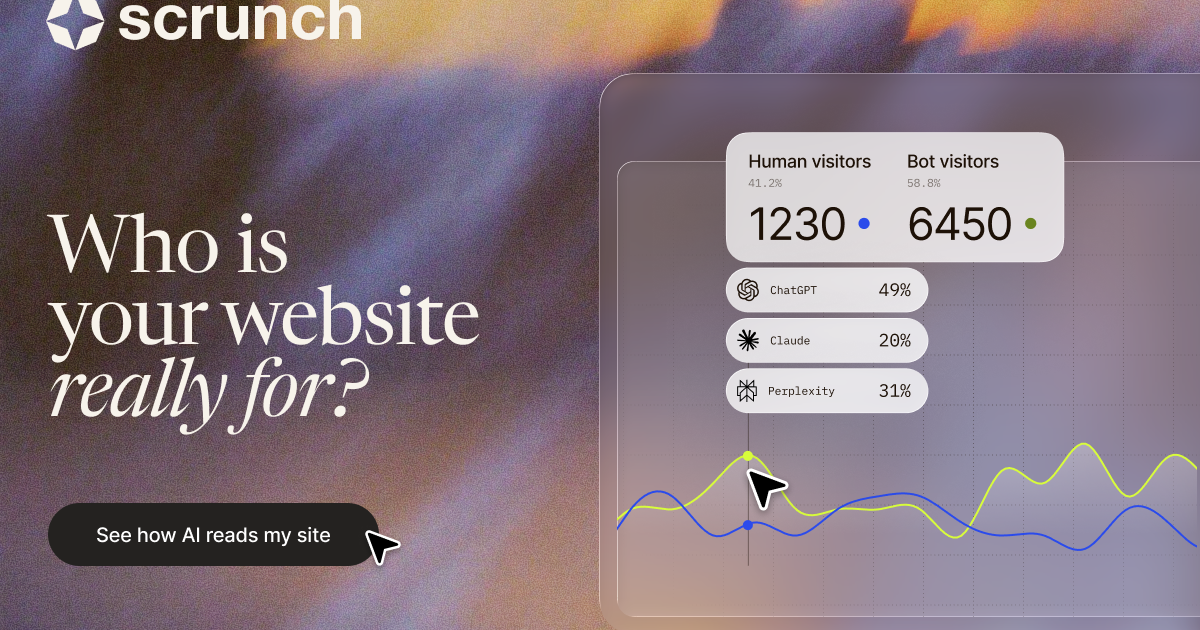
Scrunch AI Wants Your Website to Speak Bot
Chatbots have become browsers with opinions. Scrunch shows brands what those machines see, say and skip - then helps fix the pages losing the argument.

At Cision, Amy Jones Is Making the Case for Better Signals
After 25 years building growth systems, Amy Jones has arrived at the company that tracks what the world is saying. Her new brief is equal parts marketing problem and measurement puzzle.

Semrush Can See Your Blind Spots. Can You Afford All of Them?
The old SEO toolbox has become a control room for Google, ChatGPT and the rest of the discovery web. Its breadth is the reason to buy - and the reason to check the invoice twice.

Your AI Visibility Dashboard Cannot Publish the Missing Proof
Profound and Evertune can show brands where AI search leaves them out. YesPress addresses the layer their dashboards do not: a public, editorial record answer engines can cite.