At an ordinary product launch, the journalist arrives, accepts a drink, watches a demonstration, pockets a sample and leaves with a tote bag that will eventually become a grocery bag. CerconeBrownCompany prefers a slower form of persuasion. It puts the journalist in a house for four days. The mixer makes pasta. The sheets get slept in. The eggs become breakfast. A cooler spends the afternoon beside the pool, doing the plain, useful work that coolers are hired to do.
This is the premise behind CBC's HOUSE Programs, the service that has come to define a small communications agency in Natick, Massachusetts. Founded in 2001 by Len Cercone and Erika Brown, CBC works mainly with consumer brands in food, beverage, health, wellness, clean beauty and lifestyle. It sells public relations, creator programs, brand strategy, content, events and measurement. Yet the interesting part is how all those services meet in a temporary domestic world where products stop being claims and start becoming props in somebody's actual day.
The room is the product
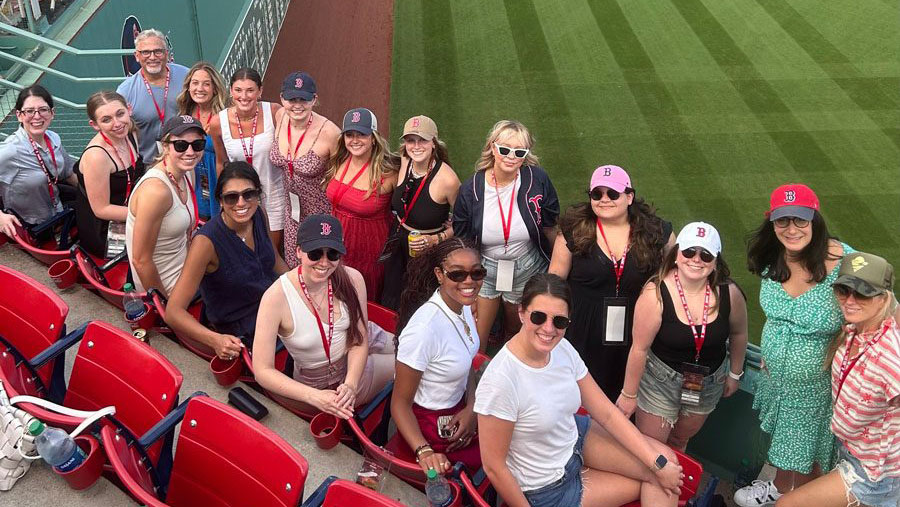
A HOUSE is not merely a pretty press trip. CBC chooses a theme, recruits editors and writers, gives each sponsor category exclusivity, sources the venue, arranges travel, sequences the activations, manages suppliers, hosts the group and follows up when everyone is home. The format typically puts about ten editors into each four-day session. For Culinary House West in Temecula in May 2026, two sessions stretched across eight days: 18 sponsor brands, 19 editors and 25 represented outlets.
The choreography can sound faintly ridiculous until one remembers how consumer reporting works. A spec sheet can say a stand mixer is easy to use. Fresh fettuccine supplies evidence. A mattress brand can mail fabric swatches. A journalist who wakes up in its sheets has acquired an opinion. Brands including KitchenAid, Vital Farms, YETI, Oatly, Chobani, Philips, Newell Brands and LOFT have participated in CBC programs because trial creates questions that scripted presentations rarely invite.
“No forced pitches. No staged moments. Just real, unhurried time with the brands.”CBC on its HOUSE format
That promise contains CBC's competitive position. Large agencies can buy scale. Influencer platforms can rent reach. Event firms can construct a spectacle. CBC's claim is that it can produce intimacy without losing the machinery of a national campaign. Its media relationships are the scarce ingredient; the itinerary is the vessel.
CBC's case studies are unusually fond of numbers. A LOFT content trip in Vermont produced a reported 30 million impressions, 518 social posts and a 16.5 percent engagement rate. A Newell Brands getaway produced more than 12 million social impressions. Culinary House West reported 94.1 million earned impressions and 281 social posts while coverage was still arriving. Health House East reported 153 million earned impressions, 178 organic social posts and 11 placements in its July 2026 recap. These are agency-reported campaign results, not audited revenue, but they reveal how CBC expects to be judged: not by whether the table settings photographed well, but by what happened afterward.
The machine enters the house
For two decades, the expected output of a media relationship was a story read by people. Then search began answering questions instead of merely listing pages. CBC's response was not to abandon its old product, but to argue that the old product had acquired a second audience. Earned coverage in structured, accessible, expert-attributed publications is also material from which AI systems assemble answers.
In 2026 the agency packaged that argument as Credibility Architecture and a free guide called Five PR Lanes. The lanes are media relations, thought leadership and subject-matter experts, creators and influencers, company content, and measurement. The practical idea is modest: decide on three to five defensible claims, support them with qualified experts, then keep the language consistent as those claims move through independent outlets and owned channels. One prominent placement may impress a chief marketing officer. Repeated corroboration is what CBC believes helps a model recognize a pattern.
experience
coverage
claims
visibility
“The problem isn't one great placement. It's the absence of five coordinated ones.”Len Cercone, founder and CEO
The shift also changes what expertise means. CBC recommends a registered dietitian, dermatologist or food scientist over a marketing executive when the subject calls for credentials. It favors a substantial creator video that explains a category over a brief sponsored mention. And it tells brands to structure their own pages around real questions, put the answer near the top and name the person who reviewed it. The agency is still selling public relations. It has simply widened the definition of who - or what - is reading.

A number, a miss and a changed mind
CBC does not publish current HOUSE pricing. A commercial directory lists the agency at $195 an hour with a $1,000 to $10,000 minimum project range, but those figures are neither company-confirmed nor a HOUSE rate. The cleanest public cost belongs to an older Nalgene reputation campaign: Cercone estimated $20,000 to $25,000 in out-of-pocket spending, excluding the hard-to-isolate hours of three agency staffers.
Estimated out-of-pocket spend for Nalgene's “Least Wasteful Cities” campaign. It is a useful reference point, not a current CBC price list.
That campaign also left behind the kind of detail agency case studies usually sand away. The microsite did not attract as many visitors as CBC wanted. More video, a mobile application and broader retailer support might have extended its reach, but the budget did not permit them. The lesson was not that the survey-led idea was wrong. It was that a clever hook cannot distribute itself. Later CBC work puts distribution, content capture, follow-up and measurement inside the program architecture rather than treating them as decorations added at the end.
The parts worth stealing
Most companies cannot rent a vineyard house and invite nineteen editors. They can copy the operating logic. Start with use, not adjectives. Give a credible outsider enough time to discover the product's limits. Keep the core claim stable even when the story angle changes. Design the follow-up before the event. Measure the behavior that matters - site visits, qualified leads, search visibility or purchases - rather than declaring victory at a large impression count.
- Build the claim first. Write three to five specific statements the evidence can carry across every channel.
- Choose the witness carefully. A credentialed expert or informed user can supply authority a brand title cannot.
- Create useful contact time. A meal, test or workshop should help somebody understand the product, not merely photograph it.
- Plan the echo. Earned stories, creator work and owned pages should reinforce the same truth without repeating the same script.
- Audit the afterlife. Track what gets covered, what people do next and whether search or AI answers begin to reflect the intended claim.
A useful idea has edges
The HOUSE model fits products that improve with trial: food, appliances, wellness routines, beauty products, travel goods and objects used around a home. It is a poorer fit when the offering is abstract, the news window is hours rather than months, the brand cannot allow unscripted questions, or the travel and production budget would consume money better spent on distribution. Category exclusivity is valuable to a sponsor, but it limits how many similar brands can join. Intimacy also has a ceiling. Add too many activations and the house turns back into the trade show it was designed to escape.
The AI proposition has its own boundary. Consistent language cannot rescue an unsupported claim, and publication does not guarantee citation. Search systems change. Different models favor different sources. CBC's framework works best as disciplined communications practice with a new measurement layer, not as a vending machine for chatbot mentions.
Twenty-five years, still hosting

Cercone began his career advising Boston nonprofits and later worked on brands including GM, Timberland, BMW and Eddie Bauer before starting CBC. The company now lists a team of vice presidents, managers, account executives, coordinators and specialists. Its stated cultural values are curiosity, creativity, honesty and accountability. Cercone's more memorable version is: “Grow your craft, grow your wealth, grow as a person.” It is a pointed answer to the churn and burnout for which agency life is famous.
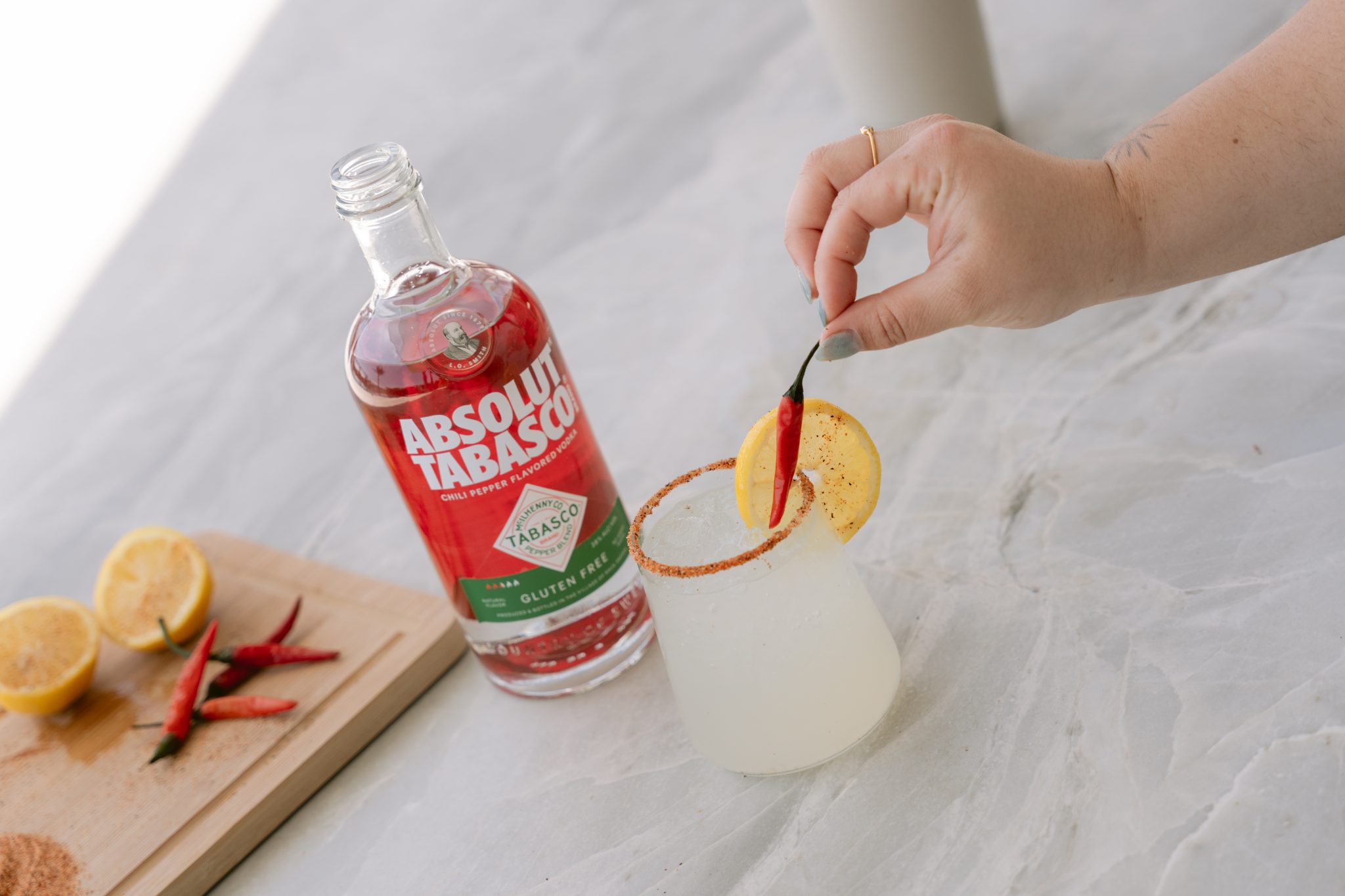
The company has collected a Bulldog PR innovation award, Bell Ringers and a 2023 Silver Stevie for agency of the year. The Stevie recognized CBC's effort to connect earned media with e-commerce, web analytics and business outcomes. That matters because the central risk of experiential PR is seduction by the experience itself. Everyone had a lovely time. The photographs are sunny. The cocktails had tiny peppers. But did anything happen?
CBC's best answer is the system surrounding the house: selection, sequence, relationships, content, follow-up and measurement. The house is only where those elements become visible. Its newest AI language can sound like a fashionable annex, but the deeper continuity is hard to miss. In 2002, CBC wagered that a person who genuinely experiences a product becomes a more credible teller of its story. In 2026, it is wagering that machines notice credible tellers, too.