The strange thing about publicity is that the visible part is not the work. A founder sees the magazine profile. A customer notices the watch in a gift guide. An investor forwards an interview. Behind each appearance sits a less photogenic operation: a calendar, a list of reporters, a useful angle, several versions of a subject line and the discipline to follow up without becoming a nuisance.
BPM-PR Firm has built a business out of that invisible machinery. Monique Tatum founded Beautiful Planning Marketing & PR in New York in 2005. Today the agency works across consumer brands, technology, wellness, fashion, finance, executives, events, arts and culture. It says the senior team remains on accounts from the first day, and that its placements are earned - editors choose the story; clients do not buy the space.
That sounds like an operational detail. It is actually the pitch. Big networks offer reach and specialist departments. Freelancers offer intimacy. BPM is selling a middle path: a boutique team with broad media range, where the person shaping the strategy stays near the person doing the pitching. For a client, fewer handoffs can mean fewer opportunities for a good story to become corporate paste.
“PR should never be transactional. It should be transformational. Every campaign we run is built on that belief.”Monique Tatum, founder and CEO
/ Make the familiar feel newly interesting
Consider Armitron. When BPM began the campaign detailed in its portfolio, the watchmaker had nearly half a century of history. Heritage is valuable, but it creates an awkward PR question: how do you present an old company as relevant without asking everyone to forget that it is old?
The first problem was not a defective product. It was a mismatch between the brand’s long commercial life and its current share of public attention. BPM’s answer was not a single anniversary announcement. The agency assembled many reasons to look again: monthly watch collections, an Armitron Loves Johnny collaboration, smartwatches and children’s products, a Yankee Stadium event, charitable programs and award submissions. History became material, not baggage.
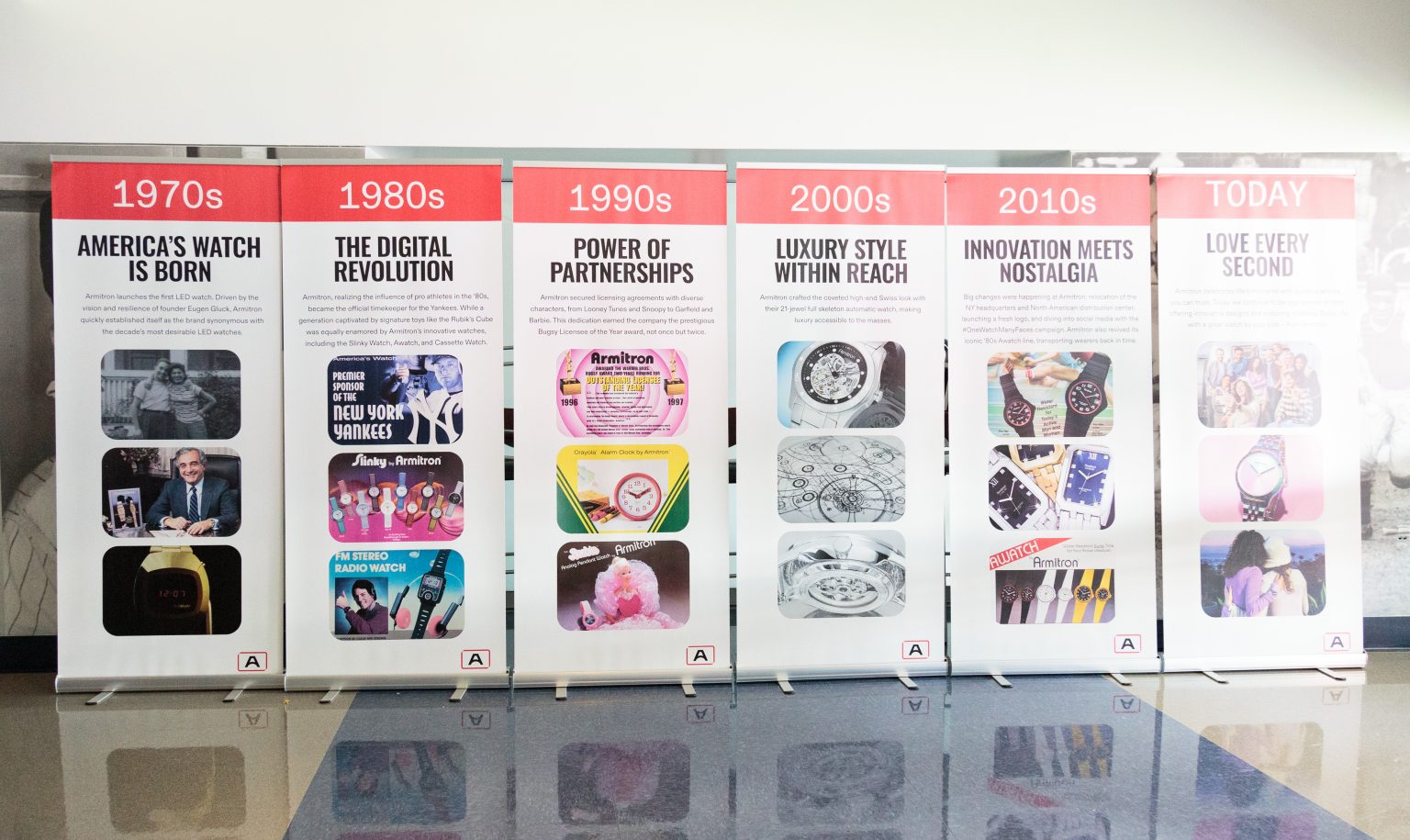
The campaign’s reported results - 281 unique earned articles and 8,918 engagements - are more instructive than its $48 million advertising-value equivalent. AVE, which estimates what similar space might cost as advertising, is a contested PR metric. It can make earned coverage sound wonderfully precise. The article count says something plainer: BPM kept finding new hooks after the first one had been used.
/ A campaign is a sequence, not a firework
BPM’s service list is long: television and print outreach, digital news, podcast booking, bylines, executive commentary, product and book launches, influencers, awards, sponsorships, press conferences, crisis counsel and investor communications. But these are better understood as instruments than separate products. The business model is custom professional service - a scoped campaign or ongoing relationship assembled around what the client can credibly say and where the intended audience might hear it.
Subtl Beauty shows the patience inside the model. BPM spent seven months pursuing coverage around the brand’s $5.5 million raise, new products and packaging. PR Daily’s summary credits the effort with 75 articles and 2,034 engagements. The useful fact is seven months. Funding news supplied urgency, but product news gave the story somewhere to go after the financing announcement aged.
For Soaak Technologies, the raw material was different: a sound-frequency therapy app seeking entry into wellness and lifestyle media. The reported outcome was more than 111 earned articles, including appearances in outlets such as GQ, Marie Claire, Axios and Well+Good. Same agency, different route. A legacy watch needs cultural renewal; an unfamiliar wellness app needs explanation and credible context.
/ From publicity shop to reputation system
The agency’s public offer has expanded as the boundary around PR has dissolved. A product launch can influence a retailer. An executive profile can reassure investors. A well-timed award can give salespeople a new proof point. BPM now describes counsel around investor relations, mergers, exits and leadership transitions alongside the familiar work of media pitching. In other words, attention is treated not merely as exposure but as business infrastructure.
This also explains the firm’s cross-industry appetite. Its public client history includes Bellabeat, The Mane Choice, Sabon, Rebtel, Moulin Rouge, Antonia Saint NY, WITHit and Hot 97’s Summer Jam. The products have little in common. The recurring problem does: a company has something true to say, but the market has not yet assigned it the desired importance.
BPM’s 2024 Arts & Culture division made this logic explicit. The firm had already worked around dance, theater, fashion and live events; naming the practice turned accumulated experience into a legible market position. This is a move other small firms can copy. A specialty becomes believable after the work exists - then a new label makes that work easier to buy.
One credible mention is evidence. A run of them begins to look like reputation.
/ Bring a story engine, not a lonely announcement
The most useful lesson from BPM’s portfolio is available even to a company that never hires the firm. Start by inventorying real moments: a launch, a hire, new data, a customer result, a partnership, an event, an informed opinion, an award worth pursuing. Then connect them. The funding round makes the founder timely; the founder explains the product thesis; the product launch proves the thesis; customer evidence keeps it alive.
Next, match each moment to a distinct audience. Business reporters may care about capital and category formation. Trade journalists care about distribution or technical novelty. Lifestyle editors want a useful object, a trend or a visual. The story should change shape without changing facts. Finally, measure more than clip totals: qualified inquiries, branded search, retailer conversations, investor response, message pull-through and whether journalists return for the next story.
Cost is part of that constraint. BPM does not publish a rate card, so there is no defensible public figure for what its campaigns cost. Prospective clients request a quote. That matters because the attractive chart at the end of a campaign hides the client labor inside it: interviews, samples, approvals, data, executive time and the willingness to keep producing news after launch week.
The firm itself is now two decades old. That longevity is less flashy than a viral stunt, but it fits the company’s argument rather neatly. Public relations is often sold as sudden attention. BPM’s stronger case is about accumulation - the ordinary, repeatable work by which a name starts to feel familiar, and familiarity begins to behave like value.