In July 2007, Andrea Aker started a company without really intending to build a company. She wanted an independent practice, the freedom to write and think, and the satisfaction of producing work at a standard she could police herself. A few months later, the Great Recession arrived. It was an awkward season for a new public-relations consultant, but an oddly clarifying one: keep going, get useful, survive.
The business survived. The idea behind it survived too well. For roughly a decade, Aker's faith in independence doubled as a faith in personal control. She could guarantee quality because she touched everything. She could also take the company only as far as her own hands could reach.
“My ideas could only be realized as far as I could personally take them.”Andrea Aker, reflecting on Aker Ink's first 15 years
The bottleneck wore a quality-control badge
Founders like to call this craftsmanship. Often it is fear with excellent typography. Aker has been disarmingly plain about hers: when she was younger, she thought she could do everything better, so she believed she needed to do everything herself. It took about 10 years to recognize the fallacy.
What changed her mind was not a single failed launch. It was accumulation. One person can write the copy, shape the pitch, counsel the client and check the numbers, but each success adds another demand on the same pair of hands. The first thing to fail was scale. The founder's independent lifestyle, which had protected standards, was now restricting the ideas.
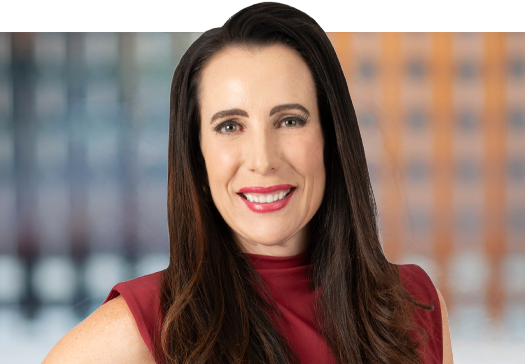
Aker's answer was mentorship. Recruit specialists. Teach them. Give them ownership. Let a data-savvy marketer, a journalistically trained PR professional and a creative specialist argue in the same room. The company now lists 13 employees on LinkedIn and spans PR, brand strategy, content, search, paid media, email, social, websites and AI visibility. It remains boutique-sized, but it no longer behaves like one person's desk with extra chairs.
What the company actually sells
The catalog is broad, but the product is integration. Aker Ink works on focused projects and ongoing retainers, and can operate as a client's outsourced marketing department. For a business with one internal generalist - or no marketing leader at all - that means renting a senior strategist and a bench of specialists instead of hiring each role.
The operating model
The first stage matters more than agency decks usually admit. Aker Ink begins with a brand assessment and data review, asking whether the positioning is clear, the website can convert, the tracking works and the promised difference is actually different. Companies frequently jump into campaigns with cracks in that foundation. More traffic merely helps strangers discover those cracks faster.
This diagnosis-first habit separates Aker Ink from two common alternatives. Traditional PR shops may understand editors and reputation but not the ranking signals or conversion paths downstream. Performance agencies may know the auction and the dashboard but have little instinct for earned authority. Aker Ink's pitch is that the same business question should govern both.
The receipts are pleasingly unpoetic
Public relations loves a grand noun - awareness, relevance, momentum. Aker Ink's case studies are more persuasive when they get awkwardly specific. Phoenix REALTORS received 196 media placements and 2.38 million estimated views in 2025. A campaign for senior community Mulberry Farms delivered four times the lead submissions and a Google Ads conversion cost of $35.92, against a cited average of $87.36. Axis for Autism recorded an 88 percent rate of top-three ad placement and a $37.83 cost per conversion, below a $52 benchmark.
The longer relationships show what integration looks like under pressure. Aker Ink supported MeMD from 2017 through its 2021 acquisition by Walmart Health. During the pandemic surge, the work supported a 300 percent rise in visits and six new service lines in six months. For Duffy Group, a content-led search program eventually attributed 35 percent of form submissions to organic search and lifted domain authority by 20 percent.

These are selected outcomes published by the agency, not a promise that every brief produces fireworks. The useful pattern is the coupling: coverage plus discoverability, traffic plus conversion, content plus a sales path. The company is most convincing when the channel disappears and the business problem remains.
The cost of borrowing the department
Aker Ink does not post a rate card. Its Clutch profile lists a minimum project size of $5,000 and an average hourly rate between $200 and $300. The two verified engagements there keep their totals confidential. This is enough to place the firm: not a bargain freelancer, not a holding-company network, but a senior boutique whose value depends on replacing several fragmented vendors or internal hires.
Its customers range from startups to Fortune 500 companies, with repeated work in healthcare, finance, legal services, real estate, manufacturing, associations and wellness. That mix rewards an agency comfortable with technical experts and regulated language. It also explains the emphasis on thought leadership: in those markets, the executive's credibility is often part of the product.
A new answer engine, the same old trust problem
In late 2025, Aker Ink launched AkerGEO, a service for improving how brands appear in ChatGPT, Gemini, Claude, Copilot and Perplexity. The agency offers readiness assessments and ongoing programs combining PR, content, search and technical work. It is a timely addition, but its logic is conservative: generative visibility extends the existing marketing system; it does not replace useful content, earned reputation or sound SEO.
There is a neat symmetry here. The founder learned that one person should not hoard every function. The agency now argues that one channel should not hoard the strategy. In both cases, the breakthrough comes from connection rather than control.
The four moves worth stealing
- Inspect before you promote. Test positioning, differentiation, tracking and the website before sending paid or earned attention toward them.
- Give every channel the same job. PR, search, content and paid media should serve one defined outcome, not report separate victories.
- Explain the why behind the dashboard. Aker emphasizes transparent reporting so clients understand the strategy, the realistic milestone and the next move.
- Remove the heroic founder. Standards scale through recruitment, mentorship and ownership, not through one person reviewing every comma forever.
Who should buy this - and who should not
A growth-oriented company with a real offer, a multi-channel problem and enough patience to repair the foundation before demanding leads.
A buyer seeking the cheapest one-off asset, refusing access to business data or expecting PR, SEO and AI visibility to deliver overnight.
Integrated work also fails when the client cannot decide who owns decisions, when sales never follows up on leads, or when subject-matter experts will not make time to be interviewed. An agency can coordinate the instruments; it cannot make an absent executive play the solo. The model needs access, trust, a usable budget and the willingness to change what the initial assessment exposes.
Aker Ink's story is satisfying because its business proposition repeats its founder's lesson. Better work does not come from gripping every piece more tightly. It comes from arranging good specialists around a shared problem, giving them a clear measure of success and then allowing the system to do what one heroic person cannot.