content-marketing
(295)
TrendWaltz and the trouble with clicks
A click is easy to count. A customer is harder to win. TrendWaltz bundles search, advertising, content, and website development around the distance between the two.

Michael Stelzner and the business of a good question
Before he hosted the Social Media Marketing Podcast, Michael Stelzner wrote white papers for technology companies. His next business began with a question he could not answer alone: how were marketers actually using social media?

Nathan Chan had questions. So he started a magazine.
An IT support job, an improvised publishing education and a very ambitious guest list. How the founder of Foundr turned his own curiosity into a business for people learning to build one.

Byron White started with a bigger picture
A designer’s résumé struck Byron White as the wrong introduction. Three decades of startups later, the WriterAccess founder is still finding businesses in the awkward space between talented people and the work they want to do.

Brilliant Ads and the work between the ads
Brilliant Ads puts team coordination beside campaign creation. Its pitch raises a useful question: how much of better marketing begins before an ad goes live?

MAKA made the blank page optional
A Chinese design platform found a useful shortcut: let professionals make the templates, then let everybody else get on with the marketing.

Gushwork makes the quiet website talk
The forklift dealer. The compliance consultant. The manufacturer. Gushwork turns what they know into pages buyers can find - and inquiries a sales team can answer.

Directive wants fewer dead-end leads.
The B2B agency built its reputation by asking what happened after the click. Its next bet takes that question into PR, influence, and AI search.

SEO Agency USA wants to be the answer
For technical B2B companies, the next customer may arrive with a shortlist written by AI. SEO Agency USA is building its business around getting onto that list - and checking what the machine gets wrong.

WriterAccess puts humans back in the story
Byron White sold his writing marketplace, then bought it back. His next bet: businesses will pay for human judgment, even when software can supply the words.

NJ Advance Media sells the audience it knows
The company behind NJ.com has turned a local newsroom’s audience into a marketing business. Its most useful lesson starts before anyone buys an ad.
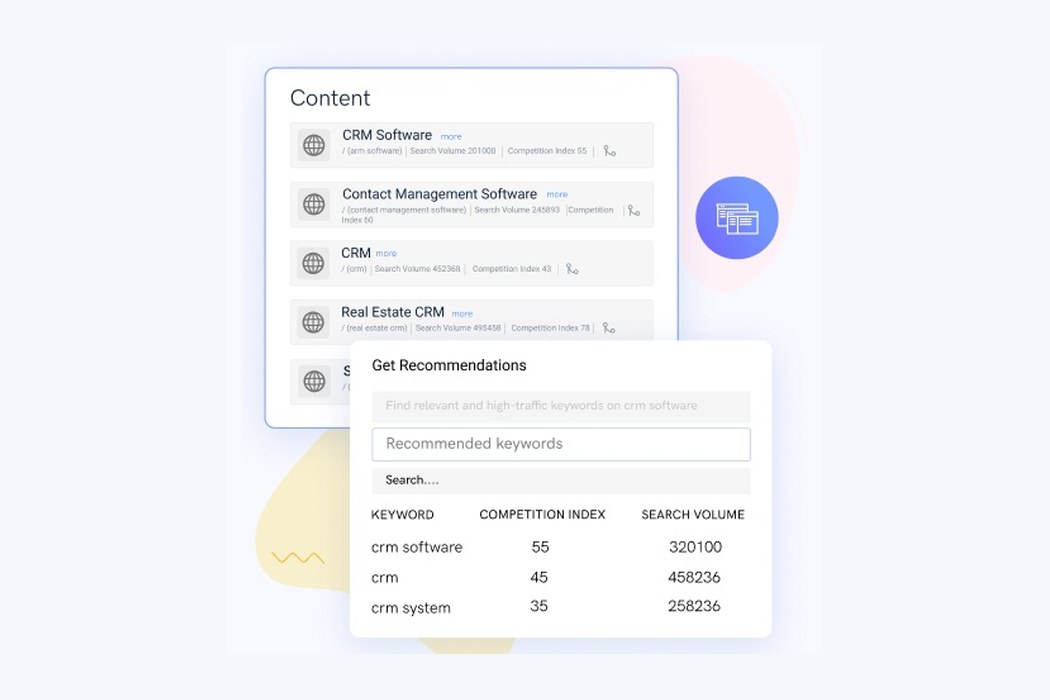
NinjaContent and the price of doing everything
NinjaContent put a content desk inside a $14.99 software bundle. Its parent’s retreat from 50 apps reveals the harder part of making work simpler.

Selling Simplified learned to read the room
A contact list tells you who someone is. Selling Simplified built its business around a harder question: when might they actually want to buy?

John F. Kouten and the Business of Paying Attention
He wanted an agency of his own. Building JFK Communications taught John F. Kouten how many jobs can hide inside that one ambition.

John Rampton and the price of three little letters
Before Due became a business, it was a $130,000 domain name. For John Rampton, the distance between a good address and a useful company has always been measured in people.

Nick Brown learned to chase growth. Then he chose the exit.
A zoologist became an online retailer, then built a Bristol agency for software companies. Nick Brown’s most revealing business decision may be the one that brought that agency to a close.

Gerri Knilans and the business of paying attention
Before Trade Press Services, Gerri Knilans ran a preschool. Across three entrepreneurial ventures, she kept returning to the same practical questions: what do people need, and will you do what you promised?

Bridgehead Media knows the local version.
A global brand can translate every word and still miss the point. Bridgehead Media builds local creative teams to help the message land.

Tom Gerace and the Customer Who Wouldn’t Listen
He helped build the machinery of online advertising. Then the Skyword founder spent years making a different case: give people something they would choose to read.

Catalyst Marketing Agency: Think big. Staff small.
A wine club, a cannabis ingredient maker and a financial-data startup share an awkward problem: they need more marketing skills than they can sensibly hire. Catalyst sells a way to keep the team small and the work connected.

SEO.com: Being found is only the beginning
The domain says SEO. The business behind it is trying to connect a much longer chain: the question, the click, the customer, and the sale.

First came the audience. Then came the business.
Content Marketing Institute nearly disappeared selling the wrong thing. Listening to its readers turned a struggling startup into a business built on teaching marketers how to earn attention.

SEO Expert and the art of doing the small things
An Iowa agency puts keyword research, careful execution, and repeat measurement at the center of its pitch. The interesting question is what happens after the rankings move.

Osman Koç and the trouble with getting what you wanted
A lifetime deal brought UserGuiding cash, customers, and a queue of questions. For co-founder Osman Koç, it was an early lesson in a career spent helping people find their way through software.

Sunil Rajaraman and the business of paying attention
He turned screenwriters into a writing marketplace and helped bring The Bold Italic back to life. After losing a city council race, Sunil Rajaraman found his next business in the meetings most people skip.

Vince Broady and the business of paying attention
A GameSpot co-founder with a degree in religious studies has spent his career asking what makes software worth using. From game reviews to Thismoment and Management Controls, Vince Broady keeps returning to the people on the other side of the screen.

This Old Marketing made a habit of being heard
Joe Pulizzi and Robert Rose turned a weekly argument about marketing into a media property with more than three million downloads. The useful lesson is how much work goes into sounding this casual.

Marketing School made the lesson smaller. The audience got bigger.
Neil Patel and Eric Siu turned bite-sized marketing advice into a listening habit. Behind the easy format sits a harder lesson about distribution, production costs and earning trust.

Your next six months of content already exist.
The Content 10x Podcast teaches a deceptively practical idea: give good work a longer life. Behind the microphone, Amy Woods runs an agency that turns recordings into a publishing plan.
Before the draft, find the audience.
Animalz built a business on other people’s content. Its podcast opens the workshop door - and reveals why the work before writing matters so much.