content-marketing
(82)
Jason Westland and the plan that needed rebuilding
Before ProjectManager reached NASA and the United Nations, its customers were leaving almost as fast as they arrived. Jason Westland’s story turns on what he fixed next - and why he keeps returning to the problem of scattered work.
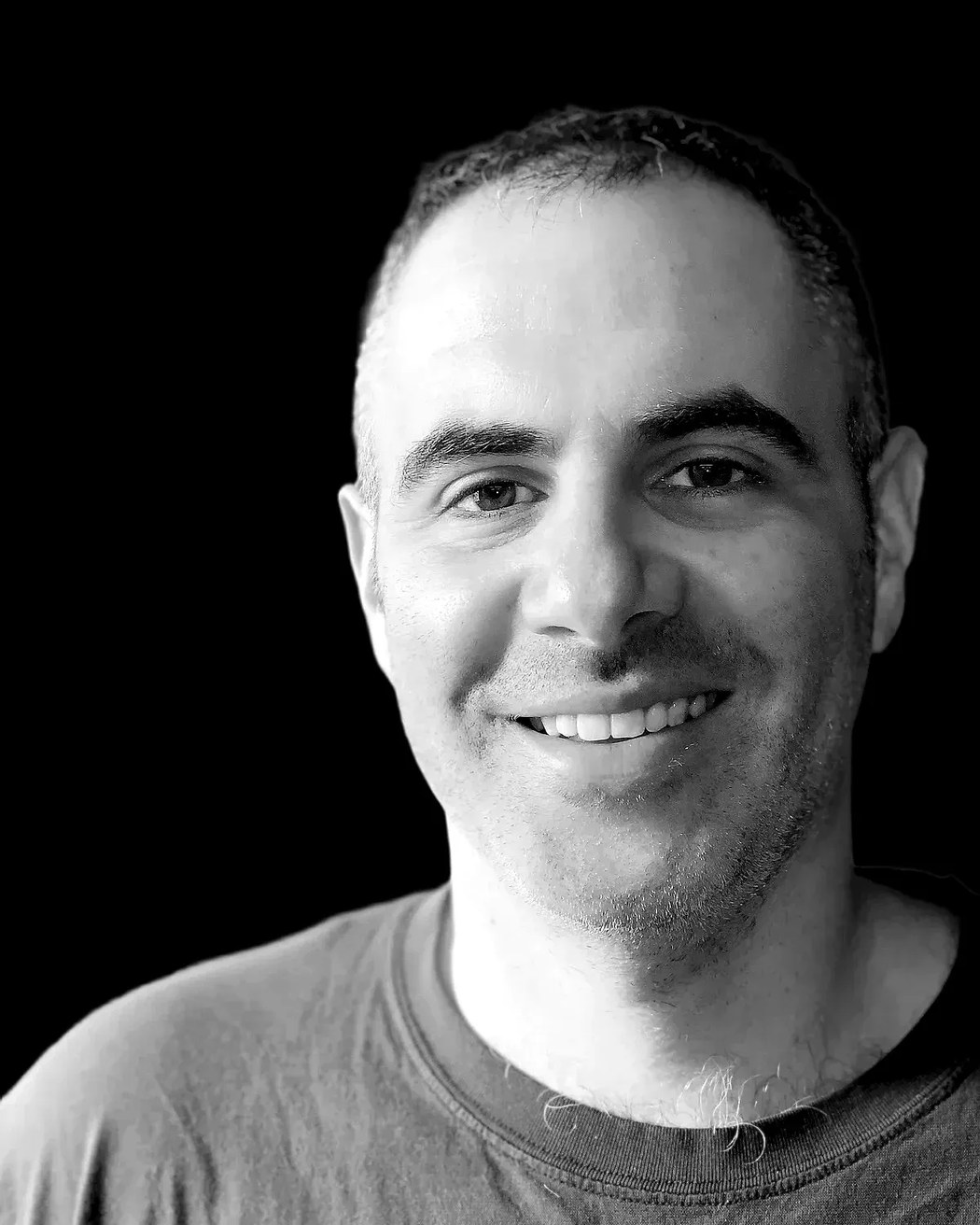
Noah Brier and the things a logo cannot tell you
A late-night experiment asked strangers what brands meant. It set Noah Brier on a path through Percolate, company culture, and a new question: what happens when software can read the room?

Jay Swansson and the business of giving writers credit
A college baseball player with a law degree helped build ClearVoice around a practical question: how does a writer’s reputation become a paying assignment? Jay Swansson’s answer involved software, a long partnership, and a coach’s interest in the rest of the team.

Joe Griffin and the business of being found
He built search businesses, co-founded ClearVoice and sold it to Fiverr. Now Joe Griffin is working on the next version of an old problem: helping the right people find the right work.

Michael Stelzner and the business of a good question
Before he hosted the Social Media Marketing Podcast, Michael Stelzner wrote white papers for technology companies. His next business began with a question he could not answer alone: how were marketers actually using social media?

Nathan Chan had questions. So he started a magazine.
An IT support job, an improvised publishing education and a very ambitious guest list. How the founder of Foundr turned his own curiosity into a business for people learning to build one.

Byron White started with a bigger picture
A designer’s résumé struck Byron White as the wrong introduction. Three decades of startups later, the WriterAccess founder is still finding businesses in the awkward space between talented people and the work they want to do.

John F. Kouten and the Business of Paying Attention
He wanted an agency of his own. Building JFK Communications taught John F. Kouten how many jobs can hide inside that one ambition.

John Rampton and the price of three little letters
Before Due became a business, it was a $130,000 domain name. For John Rampton, the distance between a good address and a useful company has always been measured in people.

Nick Brown learned to chase growth. Then he chose the exit.
A zoologist became an online retailer, then built a Bristol agency for software companies. Nick Brown’s most revealing business decision may be the one that brought that agency to a close.

Gerri Knilans and the business of paying attention
Before Trade Press Services, Gerri Knilans ran a preschool. Across three entrepreneurial ventures, she kept returning to the same practical questions: what do people need, and will you do what you promised?
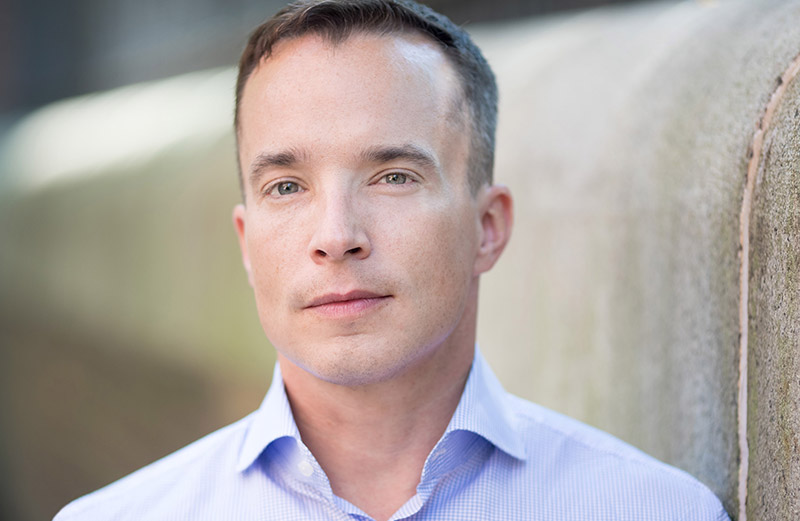
Tom Gerace and the Customer Who Wouldn’t Listen
He helped build the machinery of online advertising. Then the Skyword founder spent years making a different case: give people something they would choose to read.

Osman Koç and the trouble with getting what you wanted
A lifetime deal brought UserGuiding cash, customers, and a queue of questions. For co-founder Osman Koç, it was an early lesson in a career spent helping people find their way through software.

Sunil Rajaraman and the business of paying attention
He turned screenwriters into a writing marketplace and helped bring The Bold Italic back to life. After losing a city council race, Sunil Rajaraman found his next business in the meetings most people skip.

Vince Broady and the business of paying attention
A GameSpot co-founder with a degree in religious studies has spent his career asking what makes software worth using. From game reviews to Thismoment and Management Controls, Vince Broady keeps returning to the people on the other side of the screen.
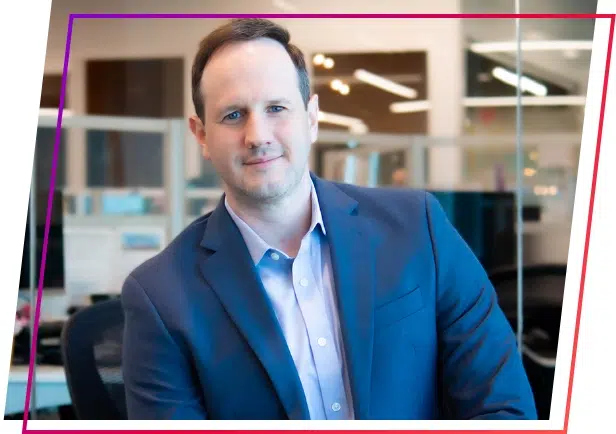
Ryan Gould and the trouble with being interesting
A product launch can thrill its makers and leave its buyers cold. At Elevation Marketing, Ryan Gould keeps returning to the gap between what a company wants to say and what a customer needs to hear.

Lisa Jilek and the art of asking a better question
From a technology consultancy to Brandpoint, Lisa Jilek has made a career of connecting business ambitions with the people who carry them out. Her latest assignment asks what happens to a brand when the answer arrives before the click.

Robert Wheatley Put Trust Back on the Label
The Chicago strategist has spent a career asking food and lifestyle brands to prove what they promise. His answer keeps returning to the same scarce ingredient: trust.

Ross Shelleman Put the Middle of Marketing Back on the Map
The Chicago operator spent years turning data into an agency business. Now, as CEO of Manifest, he is making a blunt case for the neglected stretch between brand fame and the final click.

Trina Moitra Bet Her Career on the Marketing You Cannot Scale
She went from an engineering degree and $10-an-hour writing jobs to Convert’s C-suite. Her durable advantage is deliberately inefficient: useful work, close relationships, and the patience to let trust compound.

Laura Norman Makes the Complicated Move
At Datadog, she helps a large marketing organization find its rhythm. In San Francisco, she spent years helping a small park find its future. Laura Norman's career is a study in turning many voices into forward motion.

Lisa Matherly Keeps the Customer in the Room
After two decades in cybersecurity marketing, Lisa Matherly still begins with the same deceptively simple move: listen closely, teach clearly, and let the customer shape what comes next.

Karen Thomas-Smith Put the Customer Before the Campaign
Long before customer-first became a slogan, Karen Thomas-Smith rebuilt a healthcare marketing team around a blunt question: what does the buyer actually need to understand? The answer changed the org chart, the content, and the numbers.

Annalisa Camarillo Learned the Machines. Then She Taught Them to Mean Something.
Her career began in an engineering department and grew through psychology, publishing and enterprise software. At Quantifind, Annalisa Camarillo turns the hidden machinery of risk intelligence into a story that people can act on.

Joel Capperella Took a CMO Job With a Category Problem Attached
After eight years helping Workiva turn complex reporting software into a global growth story, Joel Capperella chose an even less glamorous puzzle: making revenue recognition impossible to ignore.

Christina Mautz Builds Marketing Around the Customer, Not the Fashion of the Moment
Across Yahoo, Amazon, Moz and a succession of Seattle startups, Christina Mautz has kept returning to one unfashionably durable idea: growth begins with understanding the customer.

Keriann Strickland Built a C-Suite Career by Knowing Which Story Matters
The Billings-born journalist became Submittable's chief marketing officer without abandoning the editor's habit that got her there: find the human thread, draw the connection, and make every word earn its place.

Dayna Rothman Learned Marketing by Writing It Down
Before Dayna Rothman ran marketing teams, she learned the whole department one interview at a time. Writing became her apprenticeship - and eventually her route into the C-suite.

Tina Lombardo Makes the Case for Design That Keeps Moving
The Penji marketing advisor has spent a decade turning design's subjective choices into practical decisions - one brief, revision, and useful piece of advice at a time.

Giriish Bindal Has Spent 20 Years Turning Attention Into Action
From research analyst to HR-tech CMO, Bindal's career is a study in how patient editorial craft becomes commercial leverage.