On November 20, 2013, two marketers released a podcast that found room for both Minecraft and a tractor company’s magazine. Joe Pulizzi and Robert Rose were discussing Forbes, YouTube and LinkedIn. Then came John Deere’s The Furrow. Read the first episode’s notes and the pairing starts to make sense: the platforms were new; the question of how to hold an audience was older.
- A free weekly show for marketers and content creators, built around news, opinions and familiar voices.
- More than three million downloads across 150-plus countries, according to the show.
- A real production commitment: the recording is only part of the job.
The magazine hiding inside the microphone
This Old Marketing occupies a particular corner of business media. Its subject is what happens when businesses behave like publishers, and publishers try to remain businesses. Each week, the hosts interpret marketing and media developments for people who have to decide where to spend their attention, their budget, or both. It is an ongoing conversation with an editorial point of view.
The two careers explain the angle. Pulizzi founded Content Marketing Institute and The Tilt. Rose advises marketing organizations and founded Seventh Bear. The show’s own description contrasts Pulizzi’s publishing roots with Rose’s experience as a chief marketing officer. One sees an audience that could become a business; the other sees the organization that must make the work happen.
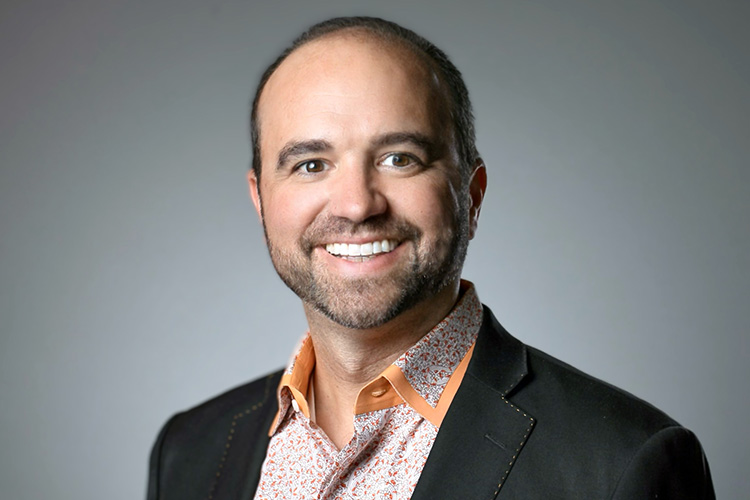

That makes the show useful to a content director defending an editorial investment, or a creator wondering whether followers amount to a business. The listener gets competing interpretations of the same development. A marketing headline often arrives dressed as an instruction: do this next. Pulizzi and Rose make room to argue about the instruction.
Its competition is the rest of a marketer’s reading and listening week. The University of Portsmouth lists it alongside Marketing Over Coffee as a resource for students. This show’s appeal is the collision of publishing economics, corporate strategy and personality. You can hear an argument develop rather than receive a finished checklist.
A goodbye that lasted 577 days
The origin was suitably modest. In their 500th-episode retrospective, the hosts recalled a car ride that produced the idea and a launch less than two weeks later. By December 2017, they had reached episode 211 and recorded what they thought was a finale. Pulizzi had also announced that he would step away from active CMI operations to spend time with family and pursue other projects.
Then, on July 15, 2019, came episode 212. Its notes announced a return after 577 days. The discussion covered subscription fatigue, print publishing and the changing CMO role. The numbering carried on. For a listener, there is something pleasing about that small decision: a new episode belongs to a conversation already under way.
The comeback offers a useful question for any publisher. What remains when the release schedule stops? An archive remains. So does a recognizable premise. This history cannot tell us how many listeners waited, but it does show that ending publication need not mean discarding the work. The hosts eventually reached their 500th episode in October 2025.
There was room for nonsense along the way. Gary Busey introduced episode 300, the first video installment. Kevin Smith sent a greeting for episode 500. Football kept intruding, too. The oddness gives the professional subject some air: people spending an hour together need more than a succession of business nouns.
The hour you hear. The hours you don’t.
The casualness has a production budget measured in time. In Rose’s March 2024 account, weekly preparation took about two hours, production another two, and post-production 10–15 hours across the team. Early recording tools were unreliable, so the hosts combined separate audio files. By 2024, they were using StreamYard and treating the program as a video show also available in audio, responding to discovery opportunities on YouTube.
A prospective producer should pause at those numbers. The apparent product is an hour of conversation. The operating job includes getting that conversation discovered. Using Rose’s estimates, preparation, production and publishing total roughly 14–19 team-hours. A manager budgeting only the time in front of a microphone would leave most of this workload uncovered.
“You are developing a show; you are not the show.”
Robert Rose / on podcast production
A sponsor buys the room
Listening is free. Sponsor messages are part of the program. The 2019 return was sponsored by Content Marketing World; episode 300 named Parse.ly. Current notes identify membership in the HubSpot Podcast Network and carry HubSpot advertising. The commercial proposition is easy to understand: a sponsor gets heard by people who chose a marketing conversation.
The hosts’ books and newsletters also appear in show notes, connecting the program to their wider professional work. Those businesses should not be mistaken for products owned by the podcast. Nor should Rose’s advisory clients be counted as its customers. This Old Marketing is the media property through which the conversation travels.
Its scale needs equally careful reading. The published reach figure exceeds three million downloads in more than 150 countries. A download count accumulates episodes, repeated listening and time. It is evidence of circulation. It cannot tell a sponsor how many distinct people will hear next Friday’s advertisement.
Copy the appointment, earn the audience
For a reader, the practical use is simple: pick an episode about a decision you face, follow its show-note links, and separate the hosts’ opinions from the underlying reporting. Treat the conversation as material for your own judgment. In October 2026’s episode 552, for instance, they considered publishers rebuilding communities on their own sites alongside the rise of the marketing-engineer role.
For a company planning a show, start with the recurring question your audience cares about. Give that question a recognizable format. Protect time for publishing as well as recording. Those are reasonable lessons to draw here. They depend on having something informed to say and an organization willing to keep making room for it.
The conditions matter. An urgent sales target gives a slow audience-building project little room to prove itself. Pulizzi has argued for direct response when immediate results are required. And two established practitioners bring credibility a new host must earn. Copying the banter will not copy their careers. The more useful imitation is giving a defined audience a reason to make another appointment.