integrated-marketing
(155)
Mary Ann O’Brien and the promise a brand has to keep
She was signing her name “CEO” in third grade. From Gateway Computers to OBI Creative in Omaha, Mary Ann O’Brien has built her career around a harder question: does the customer get what the company promises?
Jeff Browe and the long way to yes
An automotive loyalty veteran leaves WPP, takes charge of Bastion in the United States, and becomes CEO of BastionBUNTIN. His career keeps returning to one question: what makes people stay?

Luke Kempski and the Art of Staying a Beginner
He arrived at JPL in 1989 to produce videos. Thirty-seven years later, Luke Kempski is still working out what people need to learn - including the people who run the agency.

Shelley Reinstein and the table that kept getting bigger
Shelley Reinstein started Autumn Communications around her kitchen table. As brands asked for more, she built an agency where publicists, creators, producers and affiliate specialists could work on the same brief.

Philip Pennellatore Put His Childhood Street on the Door
After nearly two decades inside a Boston agency, Philip Pennellatore bought it, rebuilt it and gave it the name of the Dorchester street where he grew up. The result is a succession story with unusually deep roots.
Henry Chassaignac Built a Career by Making Creative Work Accountable
The copywriter who opened Zehnder's Nashville office now runs the employee-owned agency. His career is a study in joining a good line with a hard number.
The Agency That Makes Wolf Eyes Sell Dog Food
Brighton Agency built its reputation in categories where the product is complicated, the audience is skeptical and a clever slogan is not enough. Its best trick is not decoration. It is translation.

The James Agency Lost 62% in an Hour. Then It Kept Everyone.
A Scottsdale marketing firm built its reputation on hospitality, then watched that market vanish in a morning. Its response - open books, zero layoffs, and a ruthless 10% cost hunt - explains how the agency works today.

The Agency That Sent Media Away - Then Asked It to Come Home
Doner spent years pulling advertising apart into specialist shops. Its most revealing move was putting the pieces back together - and betting that the middle of America is a point of view, not a flyover zone.
ChappellRoberts Turned Tampa Bay Into Its Own Best Pitch
For nearly five decades, this Ybor City agency has done something harder than making ads: it has turned local identity into measurable action, from stadium seats to patient visits to a food bank reborn as a hub of opportunity.
The Agency That Makes Boring Things Matter
Borshoff built a forty-year Indianapolis institution by doing an unfashionable thing very well: making utility notices, corporate risks and civic institutions feel consequential to ordinary people.

WH inc. and the Strange Business of Being Liked
The Seattle agency has survived since 1969 by betting on a neglected part of marketing: the long, untidy stretch in which a customer decides whether a brand deserves to be chosen again.
The Brand Guild Built an Agency Around a Useful Disagreement
Barbara Martin believes in the power of no. Jayne Sandman tends to say yes. Their 16-year experiment suggests that a brand may need both instincts in the room.
The Martin Group Built a Big Agency by Keeping the Small Ones
A one-person Buffalo shop became a 108-person, 200-account communications firm by buying expertise without sanding off its edges. The interesting part is not that it grew - it is what The Martin Group chose to keep small.

The Ad Agency That Leaves the Office
For 55 years, Mintz + Hoke has practiced a peculiar kind of advertising: before it makes the message, it tries to live inside the audience's problem. The result is an independent Connecticut agency that behaves part anthropologist, part media shop, and part very curious neighbor.
The Advertising Agency That Sold Itself to the People Already Inside
Mower spent decades assembling an independent agency. Then it made an unusual exit: the company became the property of its employees - and turned friendship into a research method.

Dale Bornstein Built an Agency by Treating Culture as the Work
After 27 years at one agency, Dale Bornstein took a risk on a smaller one. Her bet was that people-first leadership could be a growth strategy - and M Booth's next decade made the case.

The Agency That Bought the Building - Then Kept Rebuilding Itself
SCC has survived 37 years of advertising fashion by practicing a useful contradiction: stay independent, keep changing. Its newest act turns an awkward succession into a sharper proposition for brands that cannot afford to behave like the category leader.

The Agency That Planted a Watch in a Cornfield
Rose built its reputation by making foreign brands legible in unfamiliar markets - sometimes with television, sometimes with influencers, and once with a 10,000-square-metre crop circle shaped like a Samsung watch.
Dalton Built a Bigger Agency Around Two Small Words
Dalton spent decades adding disciplines, offices and agencies. Then it reduced the pitch to three words: we get people. The interesting part is the arithmetic behind that promise.

The Agency That Tried to Own the Whole Problem
Star Group sold a seductive idea: the best agency should solve more than the ad. For 30 years it kept widening the assignment - until the machinery built for growth met a cash crisis it could not out-create.

VCCP Sold After Three Years. Then It Kept Acting Like a Start-Up.
A kitchen-table agency won O2 on day one, sold for up to £30 million three years later, and somehow preserved its taste for wrong answers. Its trick is not rebellion for its own sake - it is making twenty specialties behave like one company.
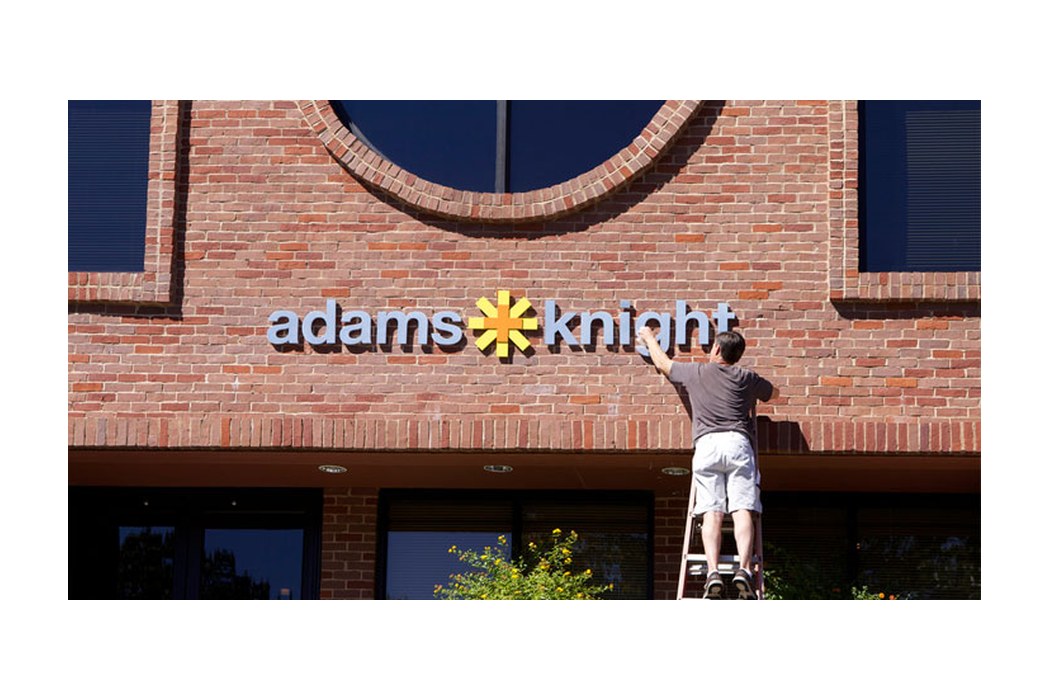
The Agency That Turned a Pizza Argument Into 19 Billion Impressions
Adams & Knight found a cheaper way to market a small state: pick a fight people already wanted to have, then give the argument somewhere to go.

The Firm That Got Smaller to Think Bigger
Strategies 360 once spread across 13 states. After bankruptcy, layoffs and a change of ownership, its smaller Western network is making a more interesting bet: local knowledge works best when research, lobbying and creative people share the same table.

The PR Agency That Put Its Timesheet on Trial
Aspectus sells a scarce thing in B2B marketing: one accountable team for the story, the website, the media and the lead. Its sharper wager is commercial - charge for the outcome, not the hours.

The Agency That Keeps Buying New Ingredients
Adcom has survived 36 years of agency churn by treating its own capabilities like a work in progress - adding analytics, production, merchandising and AI without giving up its Cleveland address or independent streak.

The Ad Agency That Refused to Be Bought
When holding companies came calling, GS&F chose a stranger buyer: its own staff. The result is a 48-year-old Nashville shop where the people making the work also own the consequences.

The Ad Agency That Learned to Move a City
R&R Partners wrote four words that escaped advertising and entered the language. The more revealing trick is what happened next: the Las Vegas agency learned to treat campaigns as coalitions, cities as products and persuasion as infrastructure.

The Advertising Agency That Bought Back the Right to Say No
Marcus Thomas spent decades adding disciplines, offices and technology. Then it discovered the most valuable thing an independent agency can own is its own attention.

The postcard that refused to stay small
Brandon began with a camera on the Carolina coast. Sixty-seven years later, the same family business sells an unusually broad promise: strategy, creative and performance that share one scoreboard.