There is a particular kind of assignment that advertising people rarely put in the first thirty seconds of a highlight reel. Explain notification preferences for an electric utility. Keep a closed museum in the public imagination for eighteen months. Persuade 40,000 employees that information security belongs to them, not merely to the people in IT. These jobs arrive carrying policy, acronyms and the faint aroma of a committee meeting. Borshoff has made a forty-year business from finding the human nerve inside them.
The company is an independent, women-owned advertising and public relations agency in Indianapolis. Its menu now covers advertising, brand strategy and design, media planning and buying, digital and web work, public relations, crisis management, employee communications and video production. But a menu is the least interesting way to understand Borshoff. The better way is to look at the problems it repeatedly accepts: trust is low, attention is scarce, the audience is complicated, and the subject will not simplify itself.
A crisis firm learns to make ads
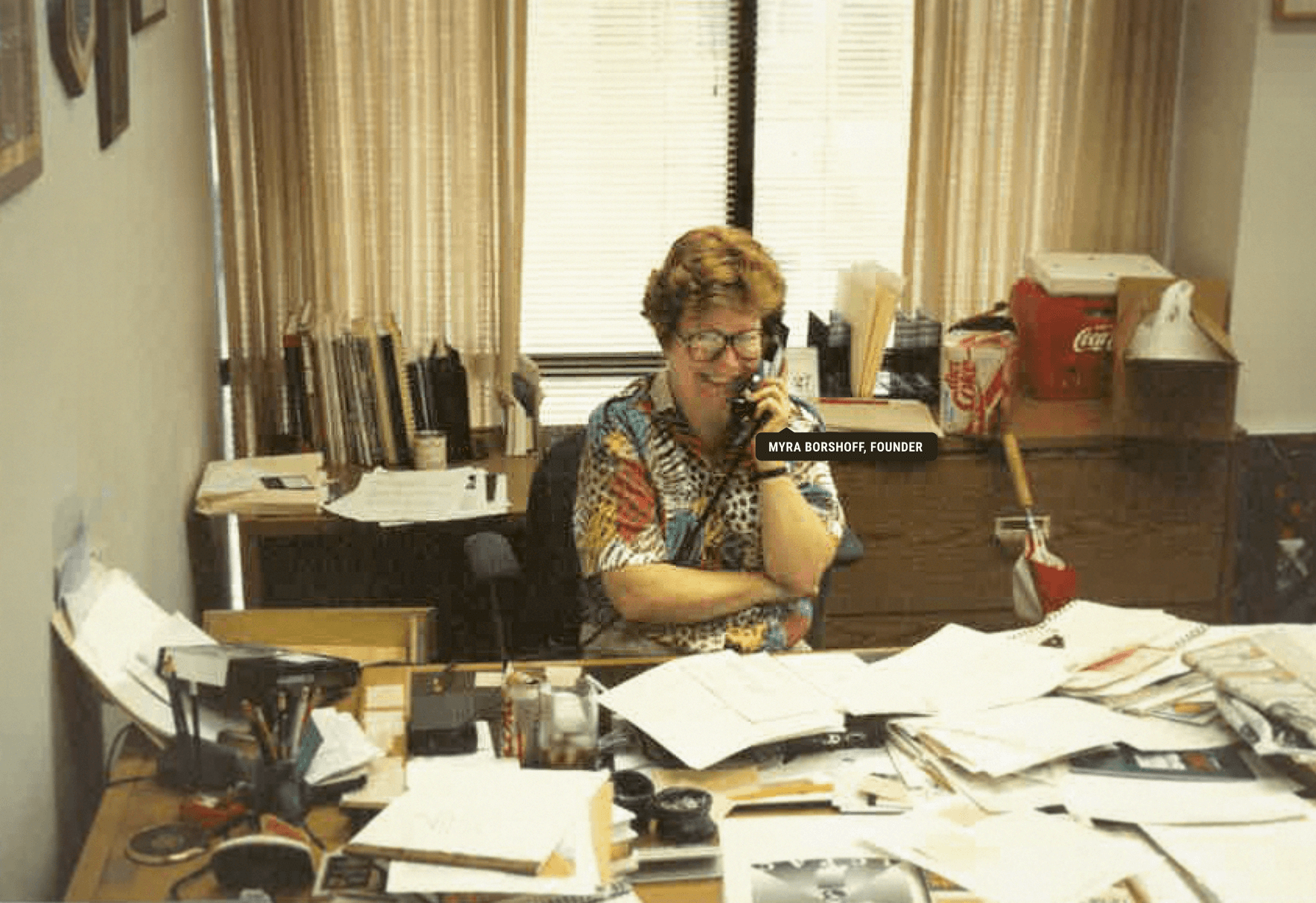
Myra Borshoff opened Borshoff Ketchum from her home on Indianapolis's near northside in 1984 with partner Tom Ketchum. The first client was St. Francis Hospital, now Franciscan Health. Public relations and crisis counsel formed the spine. In Indianapolis, Myra became sufficiently associated with damage control that the local business press called her its queen.
Expansion did not arrive as a tidy strategy slide. The firm had trouble recruiting advertising people. Karen Alter and Jennifer Berry helped build the creative side, while Alter made 15 to 20 cold calls a week. By 2006, advertising and creative services had finally reached equal footing with public relations. This is worth lingering over. The first thing that failed was not the idea of an integrated agency. It was the assumption that a respected PR name could simply declare itself an ad shop and have the talent market agree.
We just solve them in a communications context.Jennifer Dzwonar, crisis and community relations partner
The agency's answer was accumulation: designers, media planners, video makers, digital specialists and sector knowledge, added over years. The result is less a collection of departments than a useful sequence. Research finds the obstacle. Strategy chooses the audience and behavior. Creative earns attention. Media finds the moment. Public relations lends credibility. Measurement asks whether anybody actually did the thing.
Name the behavior. “Improve awareness” is fog. Create an account, set an alert, visit, enroll or donate can be counted.
Find the receptive moment. A utility customer cares about alerts when a storm is coming, not when the marketing calendar has an opening.
Make the audience the protagonist. The NIPSCO work celebrated residents improving their communities, with the utility supporting the plot.
Measure the next action. Impressions matter less when sign-ups, preferences, visits and time on site are available.
The electric bill is a timing problem
Consider Indianapolis Power & Light, now AES Indiana. The utility had built an online alert center where customers could choose messages about outages, restoration estimates, billing and payment. The ordinary approach would advertise the feature continuously and hope repetition did the work. Borshoff varied images and messages with the seasons and used weather-triggered digital ads during storms and freezing temperatures - the moments when the value of timely information becomes wonderfully obvious.
The campaign produced 10,000 new online accounts and more than 26,000 notification preferences. For NIPSCO's energy-transition initiative, Borshoff placed local people doing useful work at the center of the story. That campaign sent more than 166,000 visitors to a landing page, where they stayed two to three minutes. The distinction is small but powerful: the institution is not automatically the hero of its own communication.
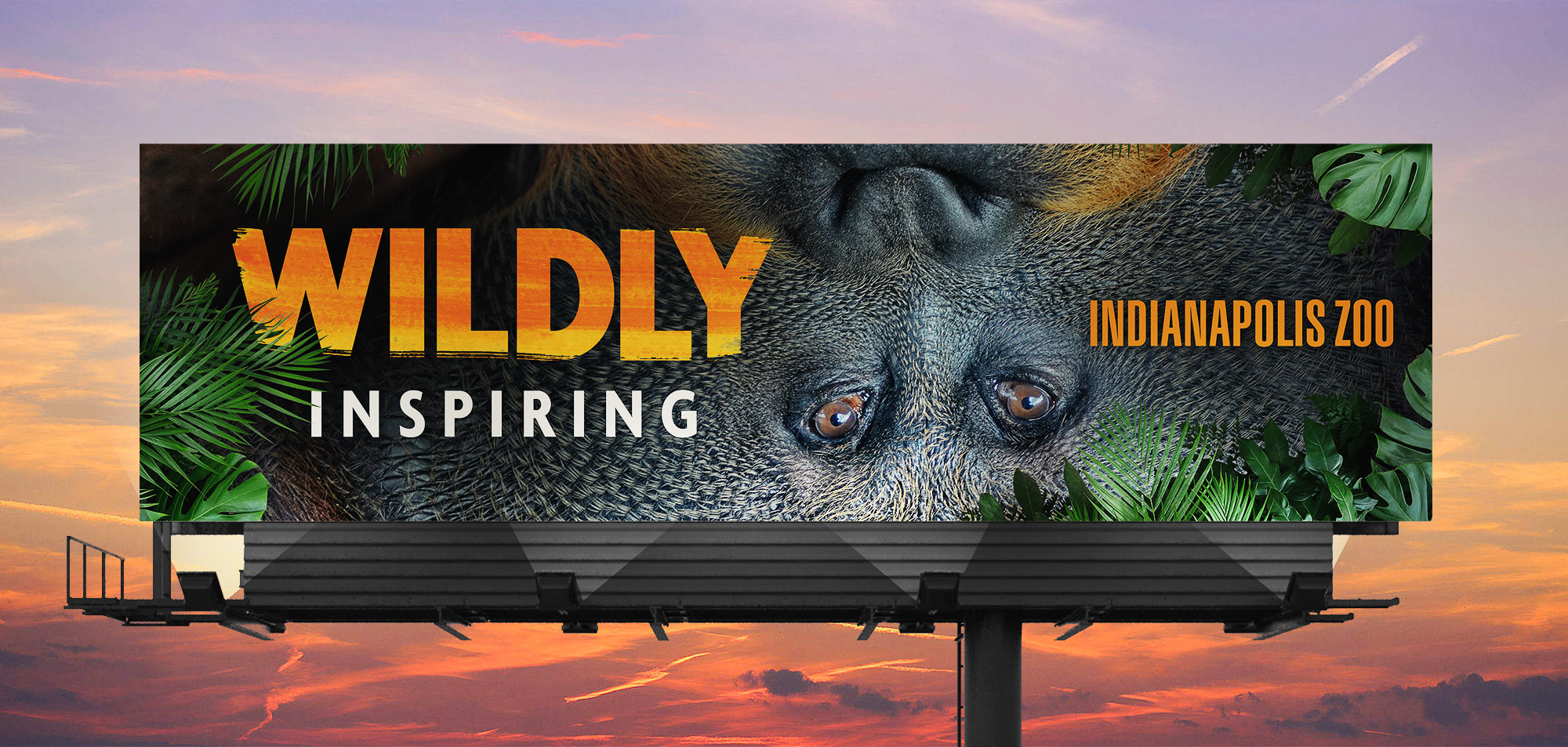
At the Indianapolis Zoo, the challenge was broader: reach new audiences, increase revenue per visit and give existing patrons a reason to return. Borshoff studied visitor data, built a year-round campaign and delivered impressions 40 percent more efficiently while exceeding attendance goals. At the Indianapolis Motor Speedway Museum, the brief was stranger. The building would be closed for eighteen months during a transformation supported by an $89 million capital campaign. Borshoff's campaign generated 16.5 million local impressions and more than 272 million trade and national impressions. The $89 million was the museum's campaign ambition, not the agency's fee. Borshoff does not sell from a public rate card; an engagement is scoped around research, production, media and counsel.
A mascot for corporate espionage
The clearest glimpse of the agency's temperament may be Gage Risk, a fictional security spokesman created for an unnamed Fortune 500 company. He was described as part Ace Ventura, part Clark Griswold. Employees repeated his catchphrases, queued for selfies and began treating information security as a responsibility shared across more than 40,000 people. It was a serious message delivered by a man who sounds as if he might arrive at the office in a station wagon.
This is where Borshoff sits in the market. A specialist crisis firm can advise the executive team. A digital shop can buy the click. A production house can make the film. A large network can assemble all three across continents. Borshoff's wager is that a roughly fifty-person independent agency can integrate those disciplines with less translation - especially for healthcare, higher education, utilities, finance, attractions and civic organizations. Its advantage is not mysterious scale. It is memory: who the stakeholders are, where regulation pinches, which local relationships carry trust and when a technically accurate message will still sound wrong.
The succession was the product, too
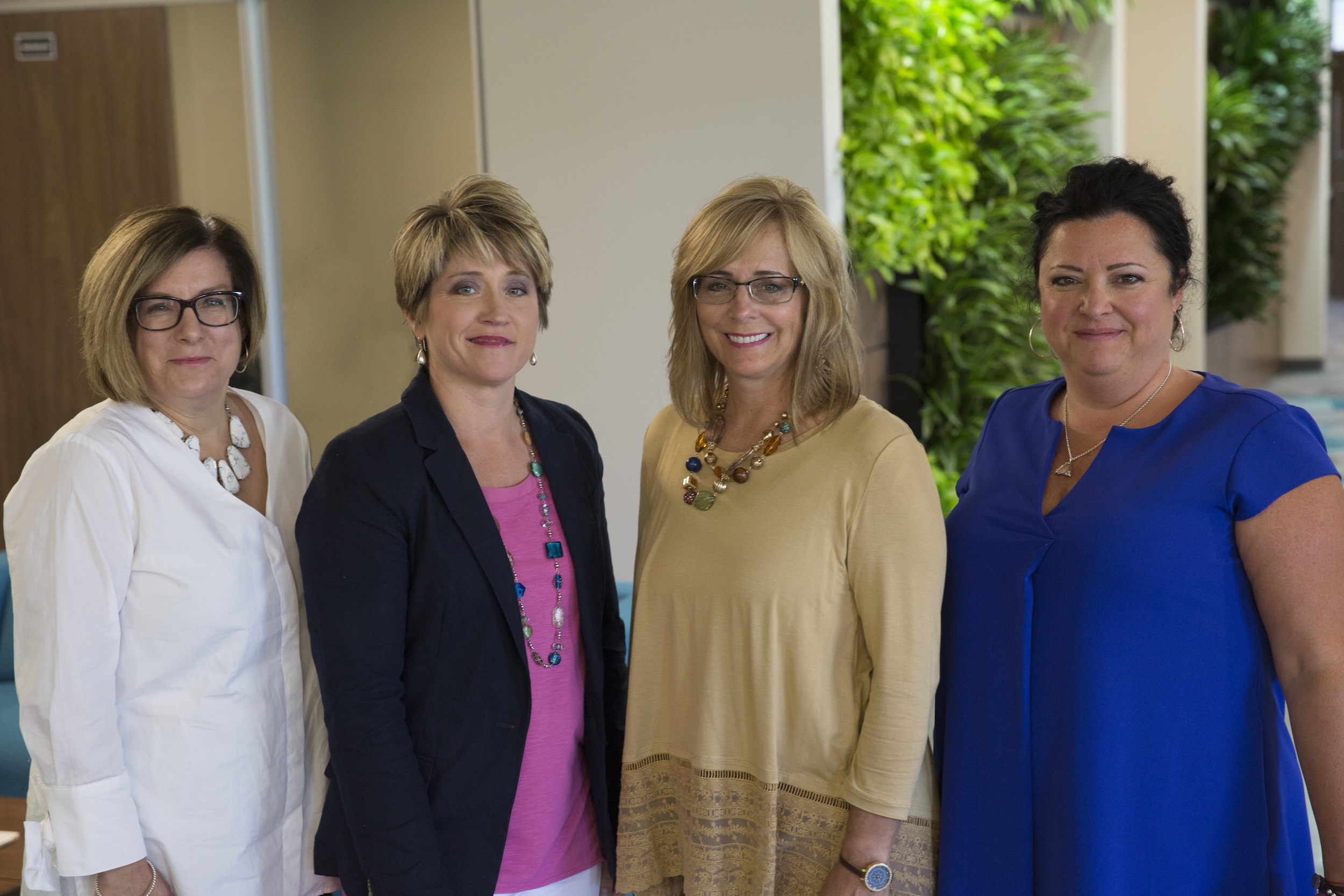
Borshoff's ownership story is unusually undramatic, which is another way of saying it was managed. Myra sold her stake in 2010. Other senior owners retired in stages. Jennifer Dzwonar, Karen Alter, Jennifer Berry and Katherine Coble rose from inside the firm into ownership. Coble briefly left for a large Indianapolis health insurer in 2008, then discovered that client-side life was not the escape she imagined. A former client played matchmaker; Coble returned and eventually became an owner. In 2026 she became CEO as Alter moved toward retirement.
The culture has its own evidence. Employees are “Shoffers.” A Bring Your Baby to Work program began in 2000 and had welcomed 17 babies by 2019. The 40th anniversary became 40 Acts of Purpose, including meals packed for hunger relief and social support for a youth film festival. There are internal “Shoffies,” a Shofftoberfest and, inevitably, a beer-stein-hoisting trophy. None of this proves the work is good. It does explain why the agency's language about relationships feels less like a line added after the brand workshop.
What to steal from Indianapolis
The most copyable Borshoff idea costs almost nothing: once a year, put the leadership team in a room and list the people whose behavior or trust the organization depends upon. Ask what each group hears, what it needs and which internal audience has been ignored. Put communications inside the crisis plan before the crisis. When possible, take the problem to an agency rather than prescribing a billboard, a video or a TikTok account. A good channel choice should emerge from the behavior, not from executive enthusiasm for the newest button.
The method has conditions. Research must reach the people doing the work. Leaders must accept findings they did not expect. A board cannot pay for a tested campaign and then dismantle it according to one member's taste. And local knowledge becomes provincial if it is never challenged by data or outside perspective. Borshoff itself has written bluntly about campaigns derailed by board intervention. Integration is valuable only when the parts are allowed to integrate.
In February 2026, the Indiana Chamber named Borshoff its Small Business of the Year, citing leadership, business success and community involvement. The award is neat. The more instructive achievement is continuity. A firm founded when “Ghostbusters” was in theaters survived the internet, social media, programmatic advertising, remote work and the arrival of generative AI without abandoning the modest insight underneath its first crisis brief: people do not owe an institution their attention. The institution has to earn it.