women-owned-business
(113)
EPSoft wants to fix work before it speeds it up
A staffing company learned to automate business processes. Now EPSoft is applying the same instinct to hiring: check what is really happening before making it happen faster.

Crystal Equation makes the case for a better middleman
The staffing firm pairs technical recruiting with the less glamorous work of keeping people and data operations running. Its most useful lesson: a good introduction is only the beginning.
Bluewater found a new audience in the dark
When corporate events stopped, Bluewater took its idle technology into a Michigan forest. The resulting night walk reveals what this company really sells: a reason for people to pay attention.
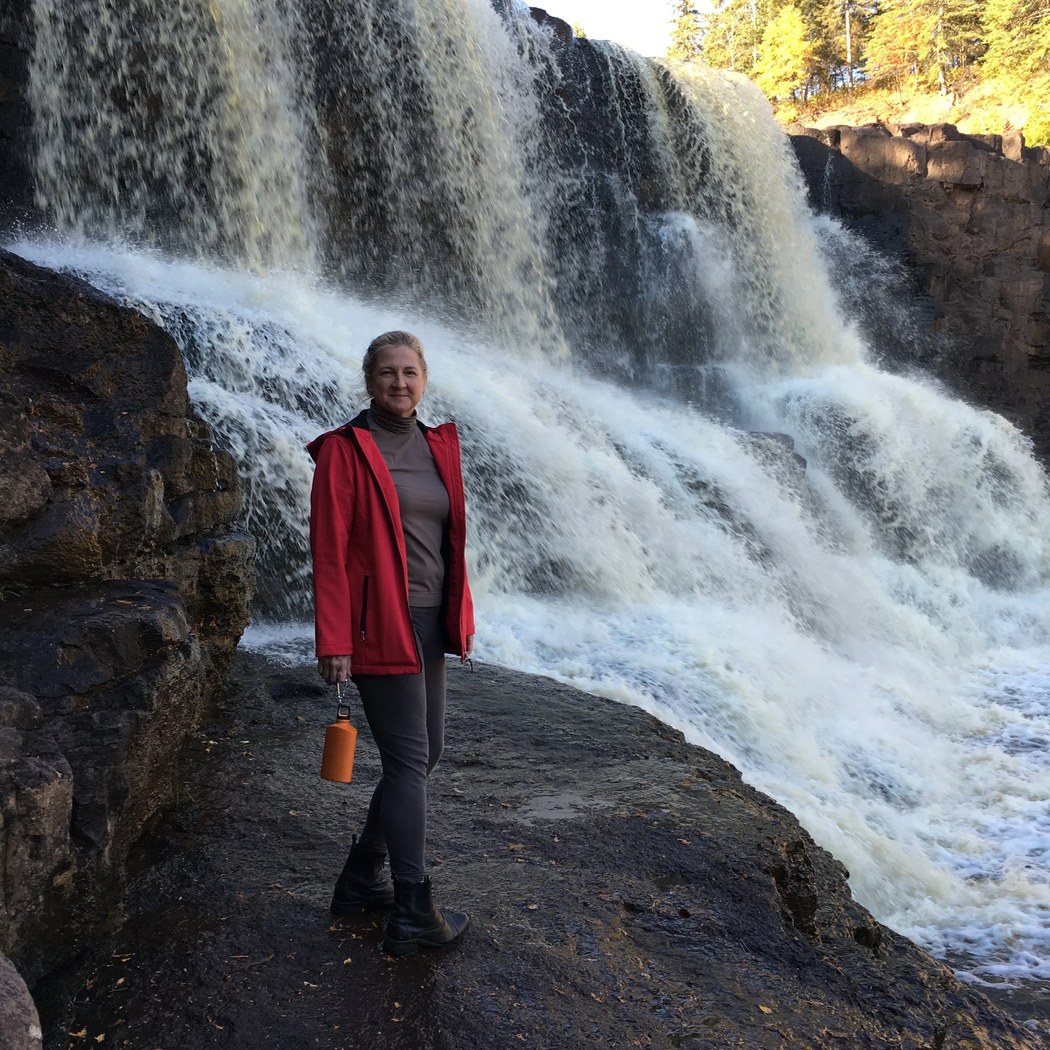
Julie Mackenzie’s Other Office Has 27 Sheep
The Minneapolis strategist built a career helping organizations navigate change. Her clearest lessons in continuity, stewardship and scale may have come from an old apple tree, a restored farm and a flock of Rambouillet sheep.

Ellyn Davidson Put in 23 Years Before She Bought the Place
She arrived at Brogan & Partners as a 22-year-old intern. After learning the business from nearly every angle, she became its owner - and kept the agency's most unusual promises intact.

The Architects Who Made Small Spaces Do More
Design, Bitches built a serious practice out of an unserious-sounding name. Its real trick is making restaurants, houses, clinics, and classrooms behave like invitations.
The Ad Agency That Learned to Listen Before It Spoke
Brogan & Partners built a business around messages people would rather avoid. Its trick is not louder advertising, but research precise enough to discover why an audience has stopped listening.

The Ad Agency Where the People Making the Work Own the Place
Hirons sells advertising, public relations and digital strategy. Its more interesting product is alignment: the people doing the client work also own the company.
The Agency That Makes Boring Things Matter
Borshoff built a forty-year Indianapolis institution by doing an unfashionable thing very well: making utility notices, corporate risks and civic institutions feel consequential to ordinary people.

The Design Agency That Outgrew the Word Design
For forty years, JK kept adding answers to the same question: how do you make people care? In 2026, its name finally caught up with the work.

Everywhere Agency Learned the Internet’s Oldest Trick: People Trust People
Before “influencer” became a line item, an Atlanta shop built a business around the stubborn fact that recommendations travel better through people than through media plans. Then the rest of advertising caught up.

The Agency That Tried to Own the Whole Problem
Star Group sold a seductive idea: the best agency should solve more than the ad. For 30 years it kept widening the assignment - until the machinery built for growth met a cash crisis it could not out-create.
The One-Stop Shop That Learned to Ask Bigger Questions
Rivers Agency began as one woman promising good work at a fair price. Thirty-three years later, its most revealing advantage is not a slogan or a specialty - it is the ability to keep strategy, copy, code and media in the same conversation.
The Bank Ad With an Otter in Its Pocket
Crawford helped a regional bank sell checking accounts with sea otters, rebuilt trust around a zinc plant, and made a county name into a verb. The method begins where founder Marion Crawford began: in a newsroom, looking for the fact people will repeat.
The Company That Explains the Orange Cones
For three decades, Quest has worked in the awkward space between an infrastructure plan and the people who must live through it. Its product is not publicity so much as translation - of engineering into plain English, disruption into notice, and public suspicion into a conversation.
RF|Binder Learned the Price of Clarity the Hard Way
The New York consultancy began with internet clients, lost half its business after 9/11, and rebuilt around a stubborn idea: communication works only when it starts with the business problem.
Level Mpls Found Its Edge in the Work Nobody Can Explain Quickly
A Minneapolis agency built a specialty out of the awkward brief: health warnings, fair-lending programs, workforce shortages and public services. Its trick is to make the complicated feel personal - then count what people do next.

The Agency That Bought Back Its Independence
A Fort Wayne firm spent half a century learning that the most valuable media plan begins with a local problem. In 2022, two longtime insiders bought the agency and made that lesson the business.
CTL Communications Learned to Make the Room Matter After the Room Disappeared
When live events vanished, the British agency discovered that a meeting is not a format. It is a behavior-change problem - and that distinction turned a near-shutdown into a wider communications business.
The $22.11 Agency That Learned to Sell Clarity
Dixon Schwabl + Company began in a duck-wallpapered bedroom, survived a collapsed roof and spent four decades resisting the ad industry's favorite habit: splitting the problem into smaller invoices.
The $1,000 Bet That Taught a Small Agency How to Stay Small
Kate Austin began with seven clients, an old laptop and $1,000 she could afford to lose. Fifteen years later, the lesson was not how to become a giant agency - it was how to make useful marketing fit the people usually priced out of it.

The Radio Rep Who Switched Sides
Shea Murtaugh began with one automotive client, no capital and an awkward discovery: the best way to protect an advertiser from the media business was to leave the selling side of it. Two decades later, her agency still treats a client’s budget as if it came from its own pocket.

The Infrastructure Firm That Brings Jenga to a Street Fight
Zan Associates works in the awkward space between a transportation plan and the people expected to live with it. Its trick is disarmingly practical: leave the hearing room, make participation tangible, and show residents where their fingerprints landed.
The Agency That Learned to Hand Over the Keys
Charles Ryan Associates began with one man, one client, one desk and one telephone. Fifty-two years later, its most useful product may be the thing agencies rarely sell: institutional memory that survives the person in charge.
The Radio Host Who Learned That Storytelling Was the Easy Part
Tuuti Agency grew by selling stories. Then founder Shawnda Huffman discovered the harder product was a team that could deliver them - without losing the human touch that made the agency worth hiring.
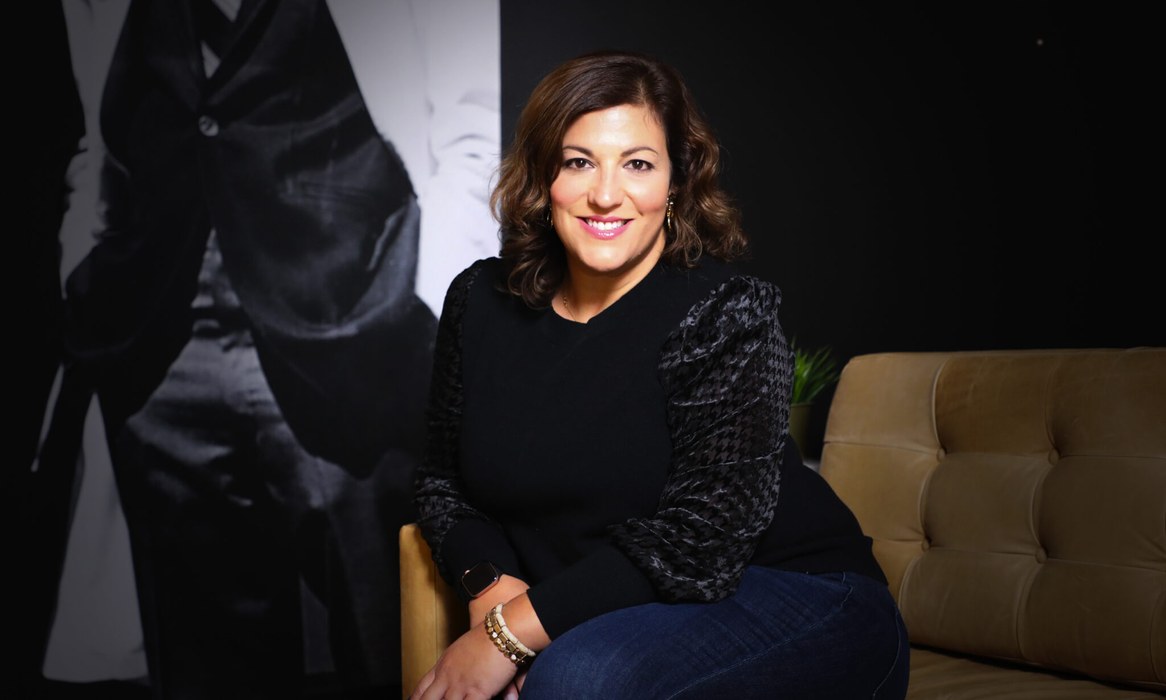
Tina Kozak Came Home to Detroit - Then Bought the Agency That Called Her Back
She nearly became a Spanish teacher, learned communications on the auto-show circuit, and returned to the city she missed. At Franco, a job became a stewardship - and eventually an ownership stake in a 62-year-old Detroit institution.
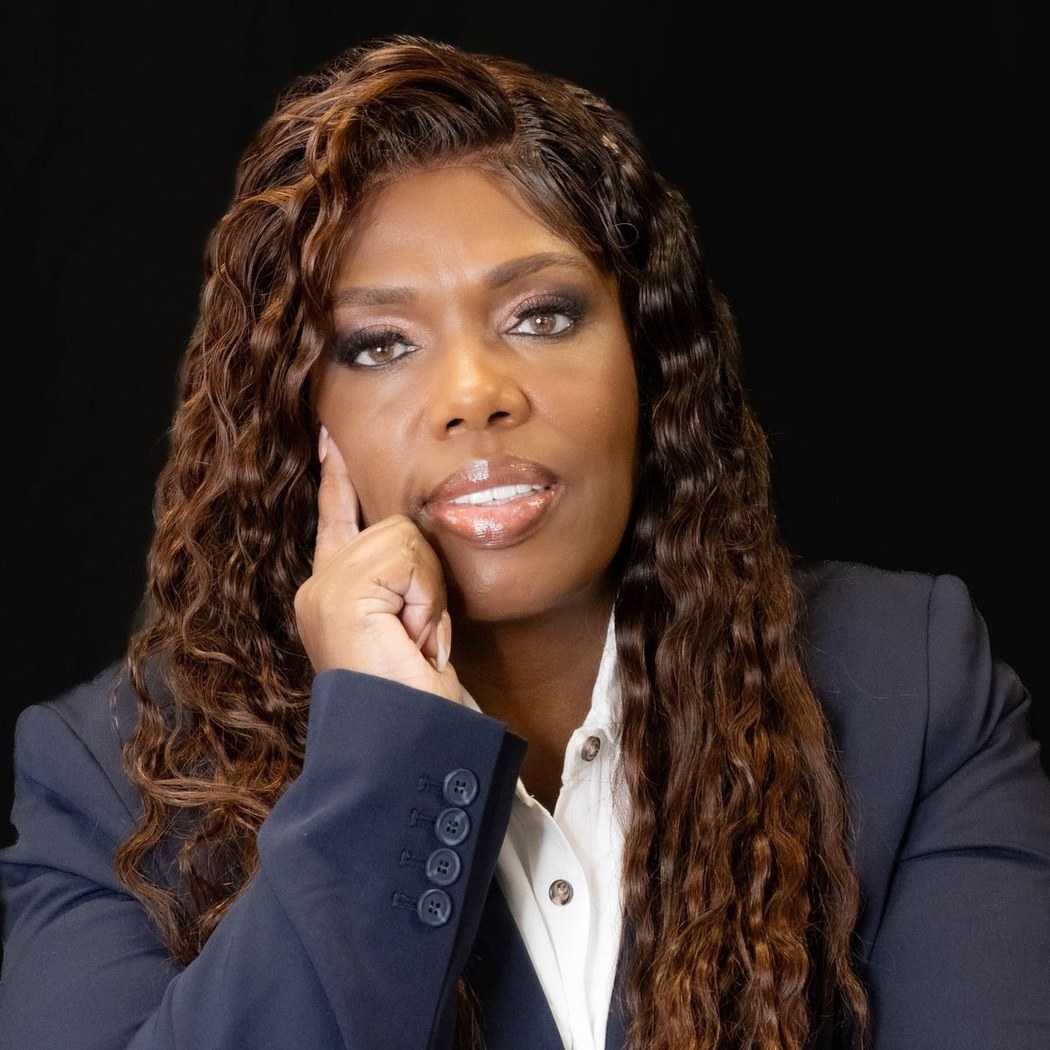
Nekesa Echols Built a Business Around One Point of Accountability
An 18-year Army veteran turned founder, Echols is building a Texas contractor around a deceptively simple promise: one team owns the work from first survey to final system.
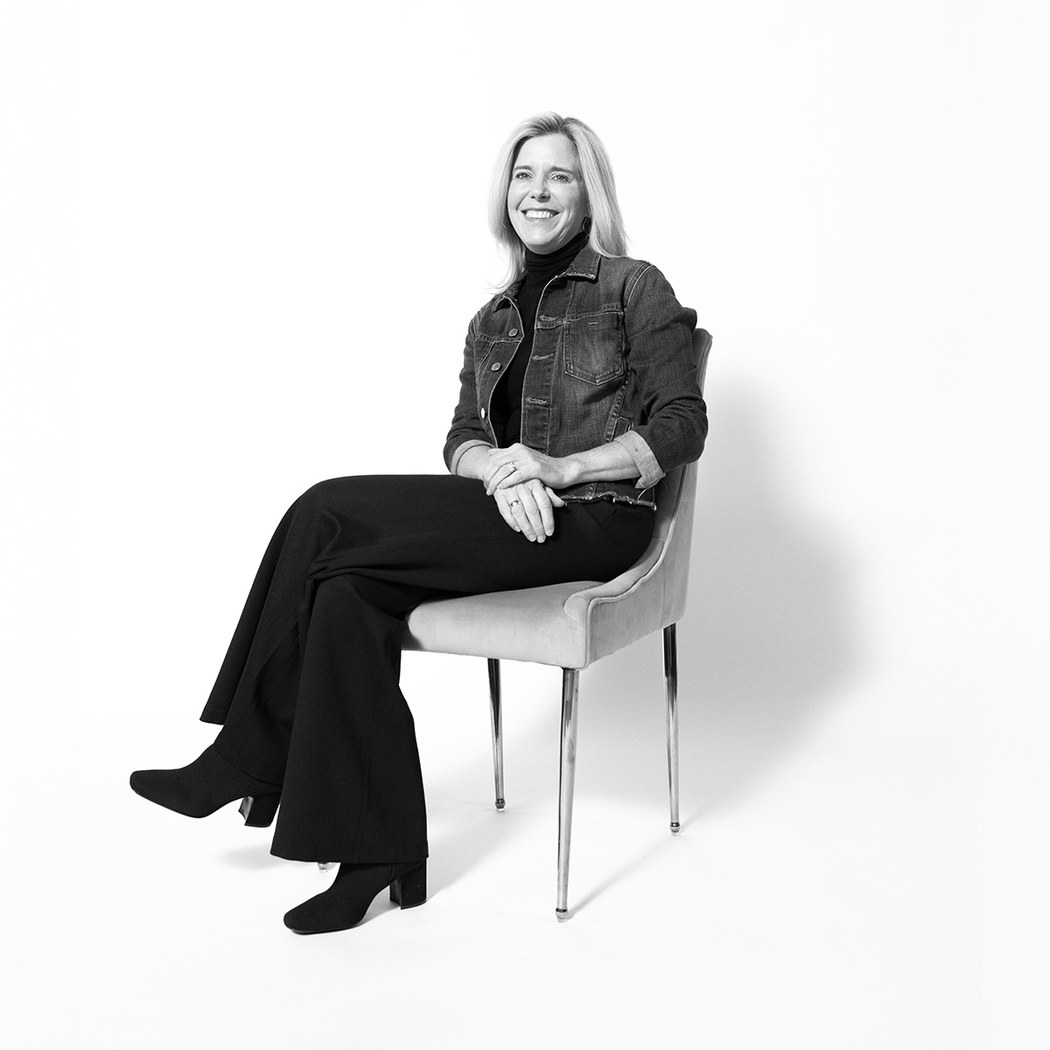
Marion Crawford Learned to Find the Story Before She Built the Agency
Before she sold strategy, Marion Crawford sold bar-code scanners, wrote television news on the ride back to the station and learned to keep the day's number on a sticky note. Those old habits still explain the agency she runs today.
Slide Nine Bet Its Name on the Ninth Slide
A Columbus communications firm found its new identity in the least glamorous place imaginable: a client-service promise buried inside a pitch deck. The ninth slide became a name - and a test of whether an agency can turn its operating habits into a brand.
The Lobbyists Who Begin Before the Lobbying
J Strategies built a public-affairs firm around a useful observation: by the time an issue reaches the hearing room, the real argument may already have happened somewhere else.