indianapolis
(39)
F. William Grube and the value of small diamonds
F. William Grube built Calumet around specialty businesses that bigger oil companies could overlook. His story runs from an Indianapolis gardening family to a quarter-century as CEO, with a few arrowheads along the way.

Mike Dunlap and the business of showing up
In 2009, Mike Dunlap joined Merchants Bank as it stepped into a mortgage market others were leaving. His career since then connects the machinery of lending with a very plain idea about how people should be treated.
Mike Rechin’s case for being big enough
Mike Rechin helped First Merchants grow from roughly $3 billion to $13 billion in assets. His career offers a closer look at the places, relationships and planned handoffs behind the numbers.
Todd Borgmann and the value of knowing what you already have
Before Todd Borgmann became Calumet’s CEO, he sold its products, worked its trading business and ran its finances. Now he is putting that inside knowledge to work on a different question: how much of the company’s future can be built from what it already owns?

What a Handbag Can Teach a Future CEO
Before Lindsay Wasson Lingle became CEO of WE, she learned how to make a bag. Her route through consumer products, manufacturing setbacks and portfolio marketing gives the family office’s next chapter a practical point of view.
Derek Bang and the business of the second act
Before Kodiak Solutions became an independent company, Derek Bang spent eighteen years building inside Crowe. His story runs through product development, the price of experimentation and a band that still needs him on keys.
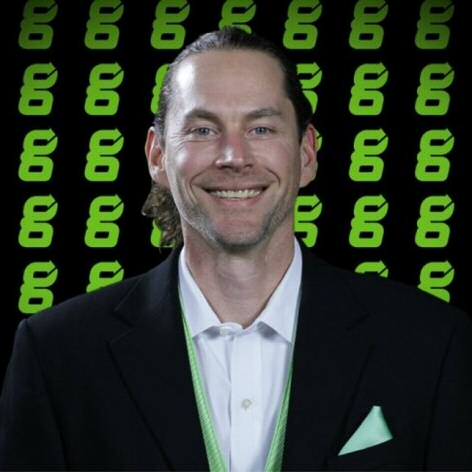
David DeRam and the case for alligator blood
A joke at the founding table became a company creed. For Greenlight Guru co-founder David DeRam, building software, racing 2,000 meters and backing young basketball players keep returning to the same question: what makes a team keep going?

Jay Love and the Gift That Comes Back
After decades building fundraising software, Jay Love became preoccupied with what happened after the donation. His answer shaped Bloomerang, a planned succession, and a $4 million gift to his own university.
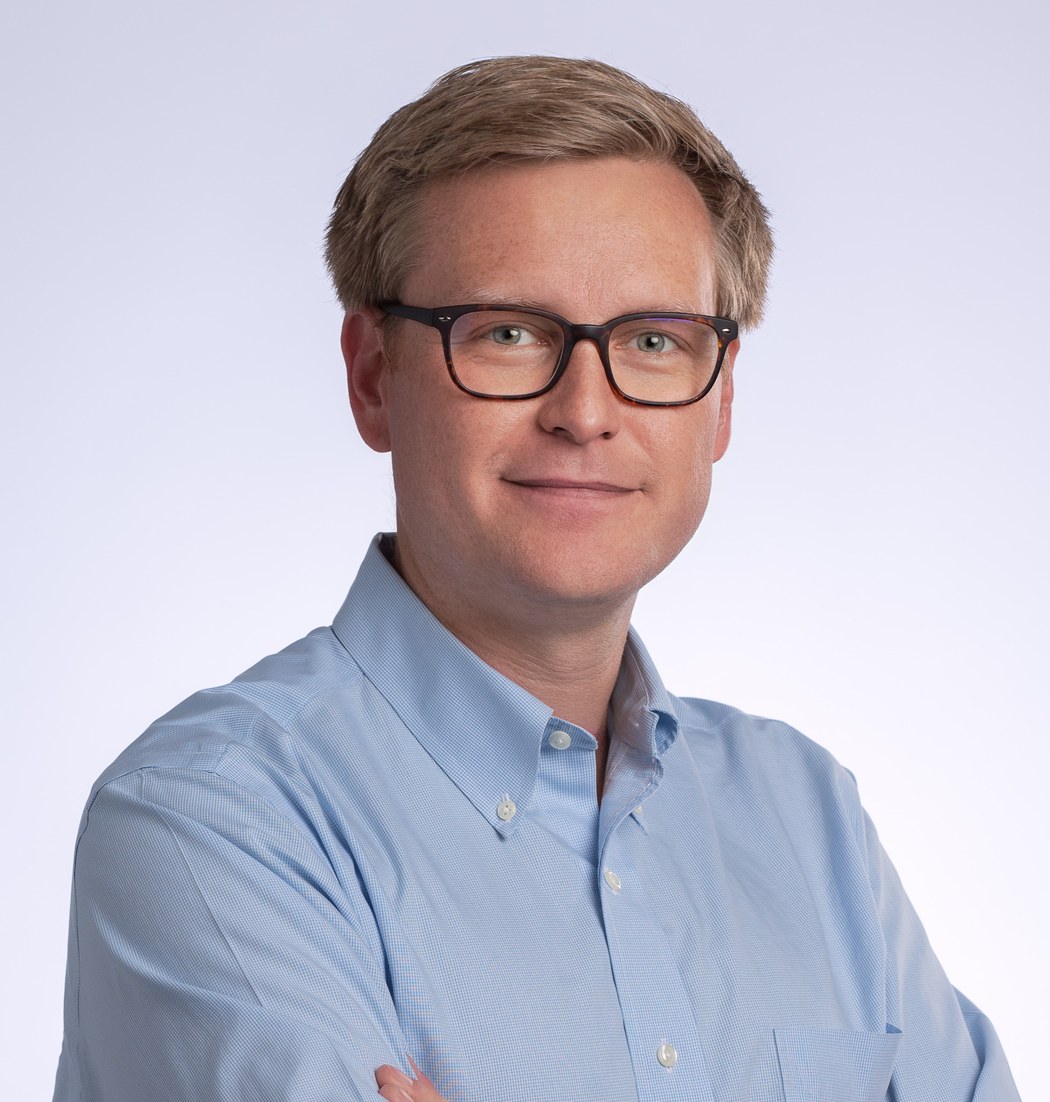
Ross Hendrickson and the art of handing over the keys
He helped build Bloomerang around the donors who come back. After a decade, Ross Hendrickson made room for a new CEO - and carried his interest in nonprofit technology into a different job.
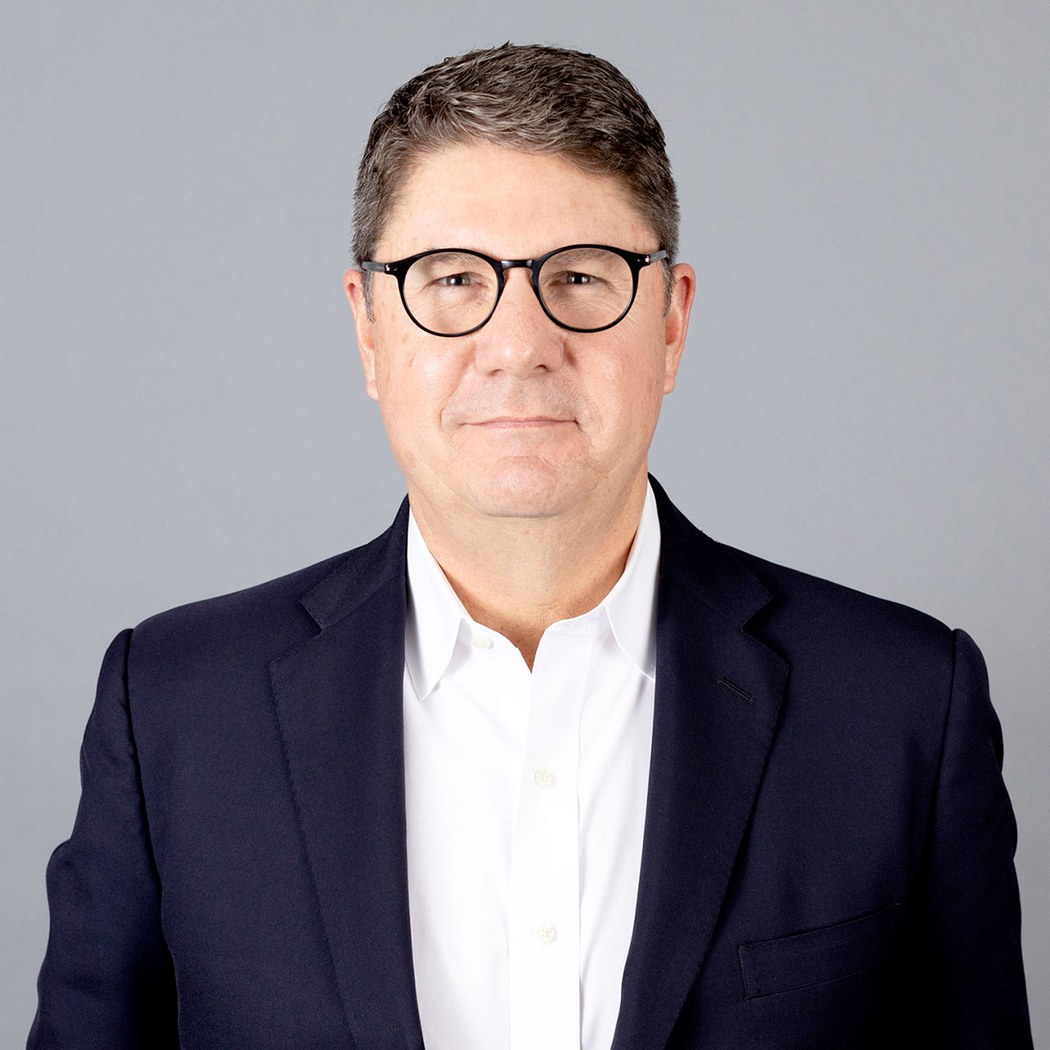
Brad Benbow and the Business That Outgrew Its Job Description
From cable advertising to consulting and capital, Brad Benbow kept widening the work. His story runs through longtime colleagues, a book about belief and buying, and a family’s open door in Indiana.
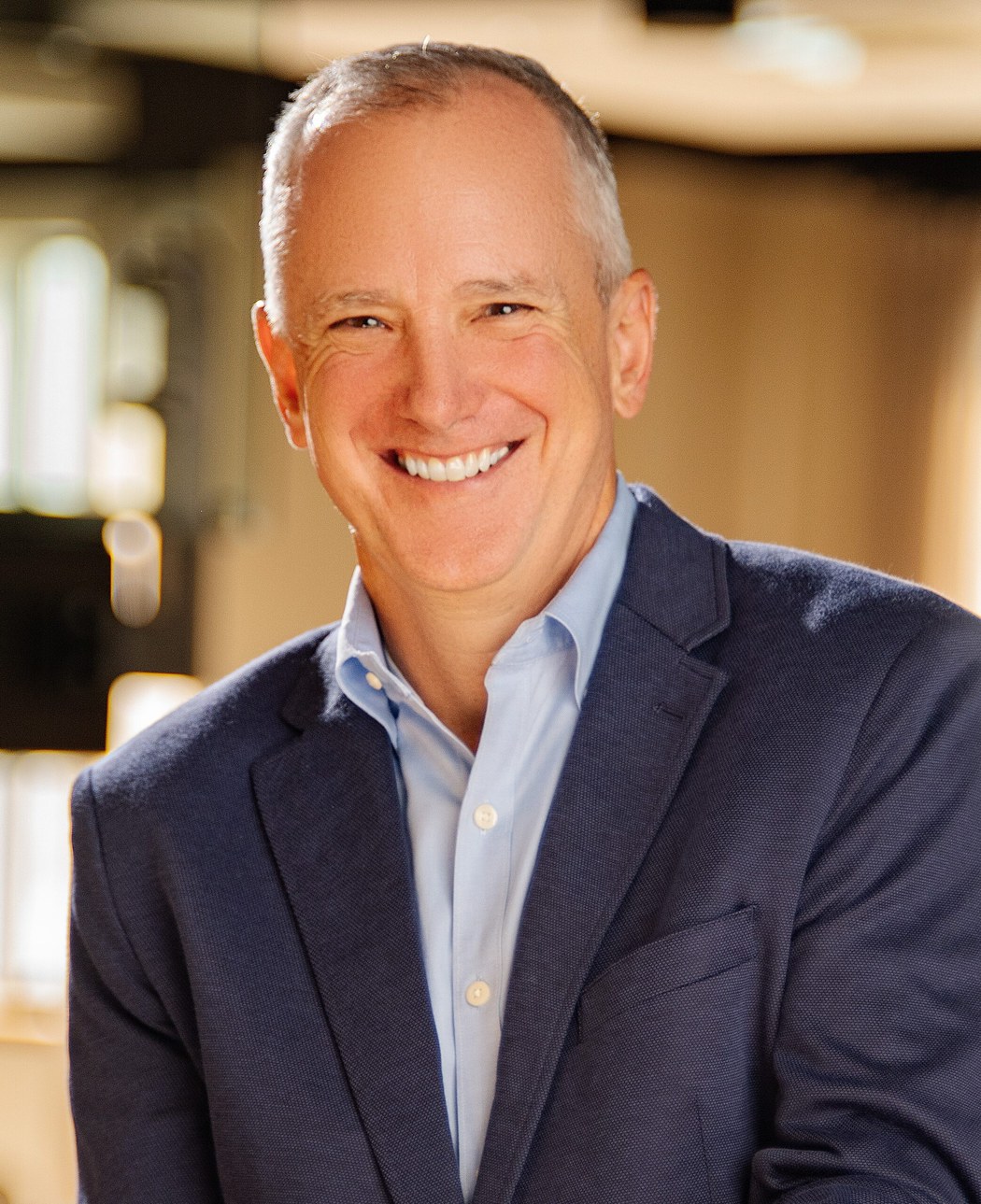
J. A. Lacy and the advantage of staying
At LDI, J. A. Lacy carries a fourth-generation family business into its next chapter. His working materials are doors, paint, freight and a willingness to keep building after the deal is done.
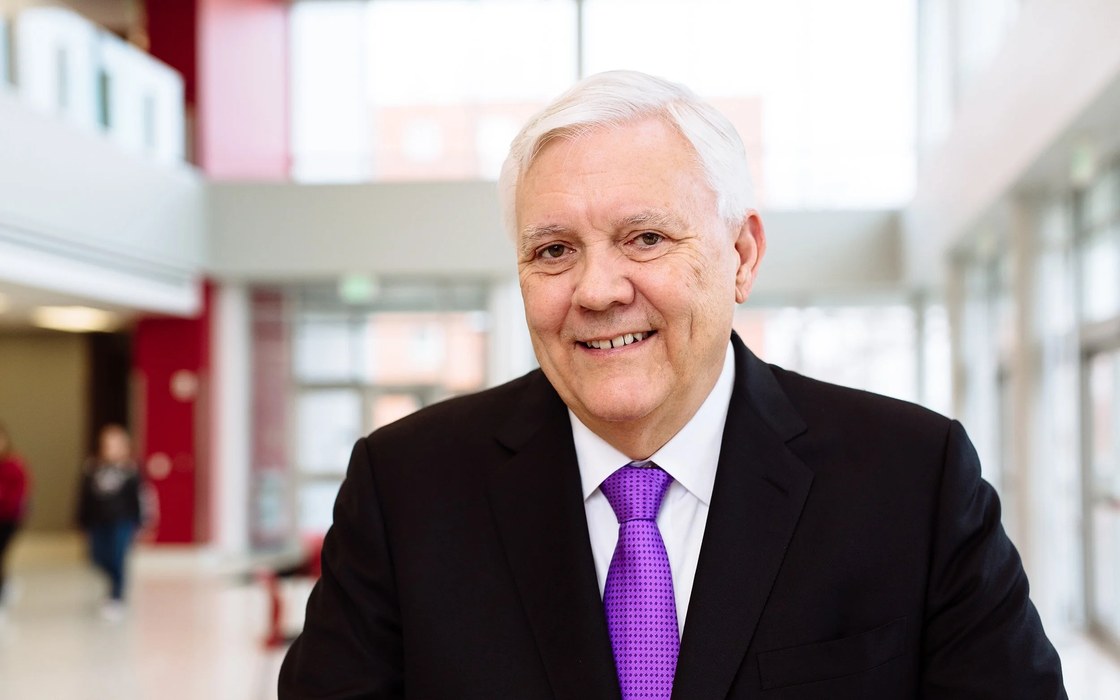
Darell Zink and the problem with fixing one thing
Known as Gene, Darell Zink helped take Duke Realty public before turning his attention to the connections between housing, schools and neighborhood life. His Indianapolis projects reveal what a finance career can look like when the unit of ambition becomes a whole community.
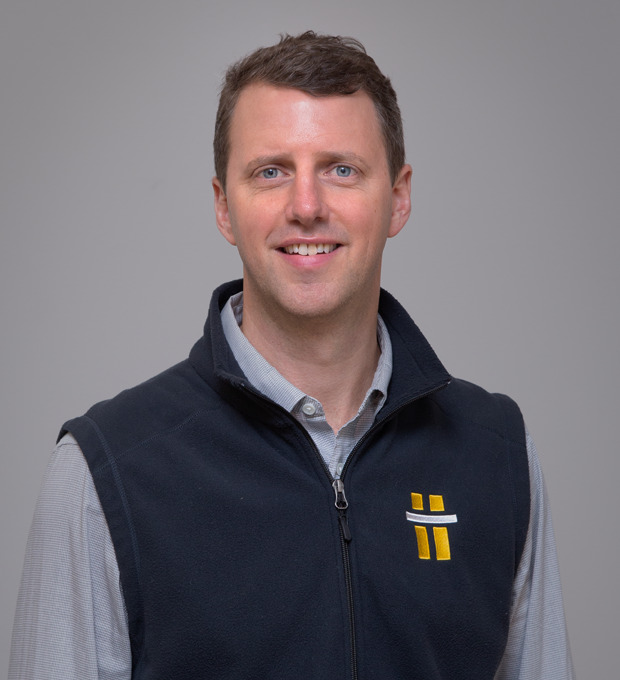
Geoff Dillon and the art of going unnoticed
He moved from New York finance to the roads of the Midwest. At Heritage Construction + Materials, Geoff Dillon is building a business around work most people notice only when it goes wrong.
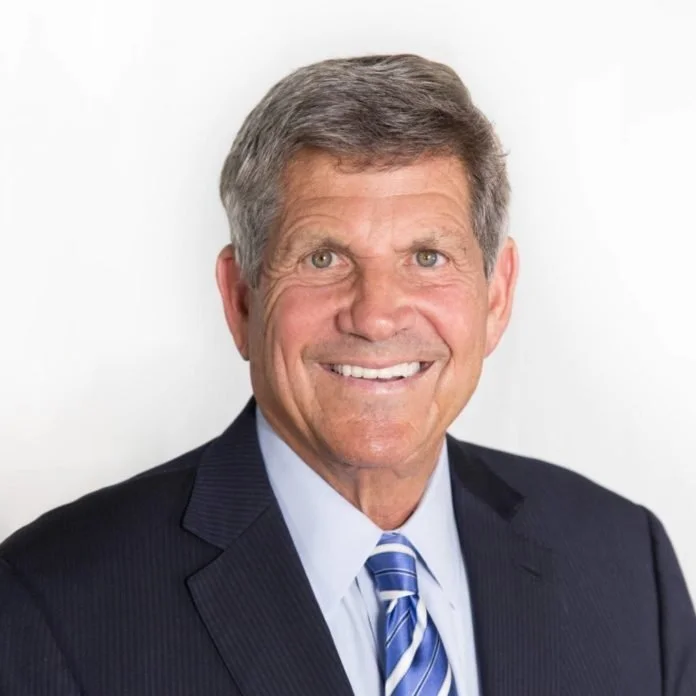
Jeff Smulyan and the fine line between genius and idiot
A teenage newspaper mishap, a radio format nobody wanted, and a baseball team he could not keep. Jeff Smulyan’s career comes with an instruction worth printing: admit your mistakes.
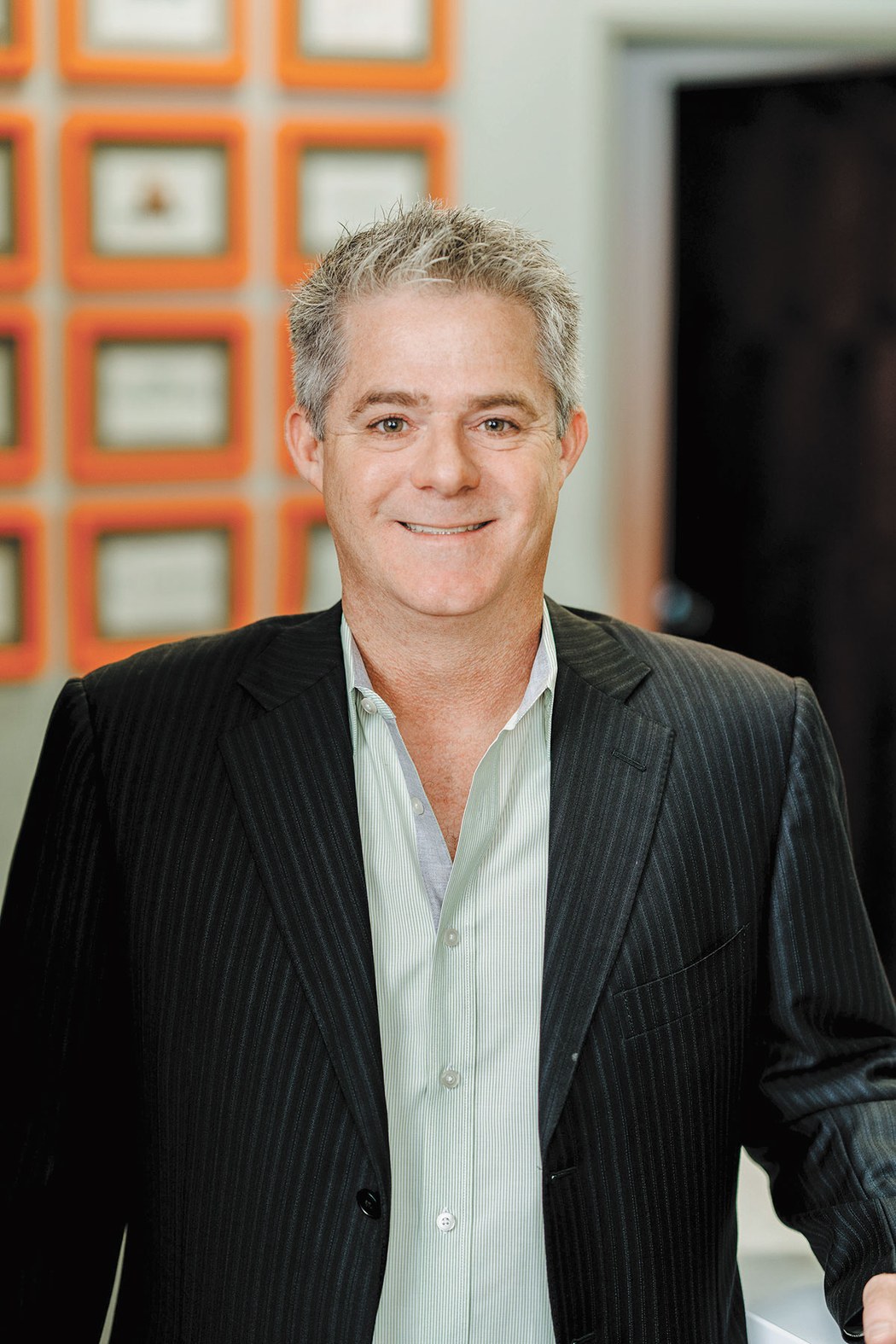
Christopher Day’s case for an ugly PowerPoint
Before he led Elevate Ventures, Christopher “Toph” Day raised $1.5 million with a ClipArt pitch deck. His career in Indiana keeps returning to the same question: what makes people willing to back an idea?
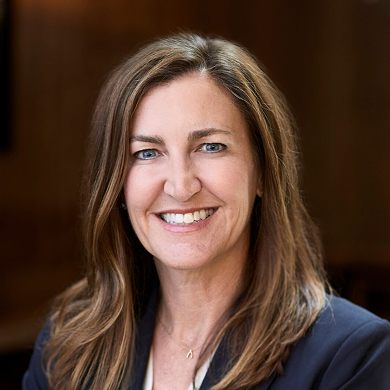
Amy Schumacher and the value of a longer clock
Before she led The Heritage Group, Amy Schumacher built a chemical business. Now the fourth-generation CEO is putting industrial experience to work on a question with a long deadline: what should the next generation inherit?
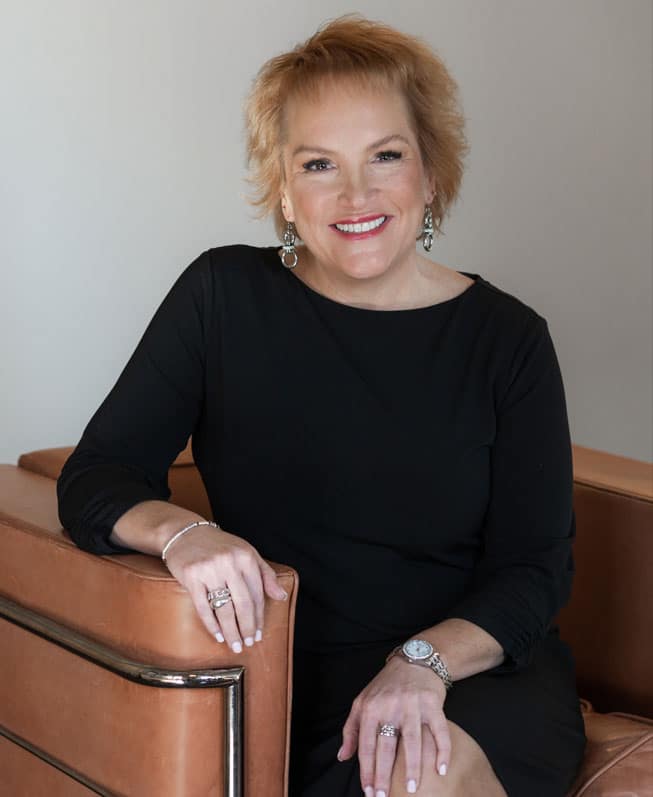
Deana Haworth and the people outside the plan
Raised in rural southern Indiana, Deana Haworth noticed who conventional campaigns were missing. Now the CEO of Hirons, she brings that attention to audiences, employee-owners and the next generation of leaders.
Venture Logistics and the expensive art of moving empty space
A truck can arrive on time and still waste money. Venture Logistics sells manufacturers a more demanding proposition: fix the network that sent it.

The Ad Agency Where the People Making the Work Own the Place
Hirons sells advertising, public relations and digital strategy. Its more interesting product is alignment: the people doing the client work also own the company.
The Agency That Makes Boring Things Matter
Borshoff built a forty-year Indianapolis institution by doing an unfashionable thing very well: making utility notices, corporate risks and civic institutions feel consequential to ordinary people.
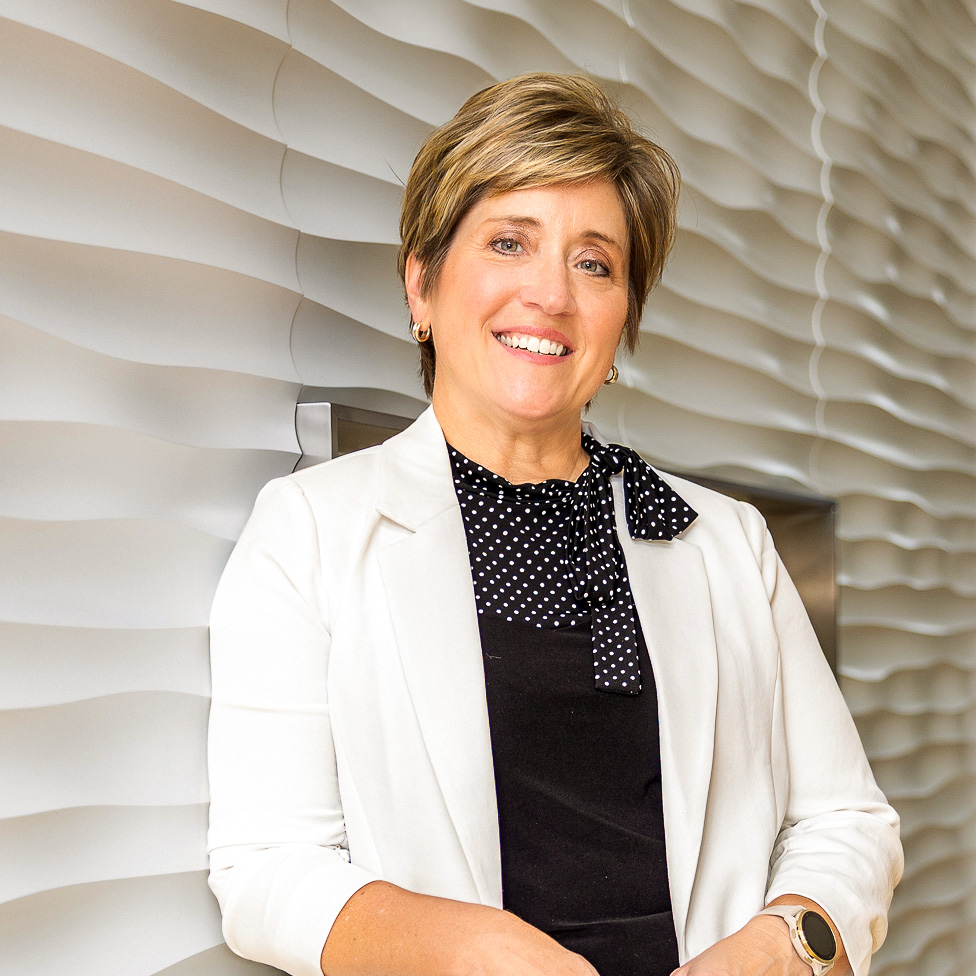
Katherine Coble Learned to Lead at Mile 11
The Indianapolis agency CEO has spent two decades making communication feel human - and 44 half marathons learning why progress rarely looks graceful up close.

The Agency That Made a Drywall Corner Interesting
Miller Brooks has spent four decades finding the human drama inside tankless water heaters, drywall corners and sanitation carts. The trick is not making boring things loud. It is discovering why the right person should care.

The Agency That Begins Before the Logo
A 15-person Indiana agency has built a business around an unfashionable idea: the clever part comes after the listening. Its best work shows what happens when research, language and execution remain in the same room.
The Indianapolis Agency That Put a Price Tag on Creative Work
JDA Worldwide sells the usual agency ingredients - brand, PR, digital, media - with an unusual insistence on showing the arithmetic. Its best case studies read less like a mood board and more like a scoreboard.

High Alpha Wants to Make Starting Up Less of a Solo Act
The Indianapolis venture firm pairs startup builders with investment capital. Its $125 million fourth fund puts a decade of company-making experience behind a deceptively simple bet: founders can move faster with a team already beside them.

Susan Golightly Trusts the Question More Than the Dashboard
Long before every company promised to be data-driven, Susan Golightly was asking the less fashionable question: what will people actually do with all that information? Her career has been an argument for curiosity, context, and the patient work of turning evidence into action.
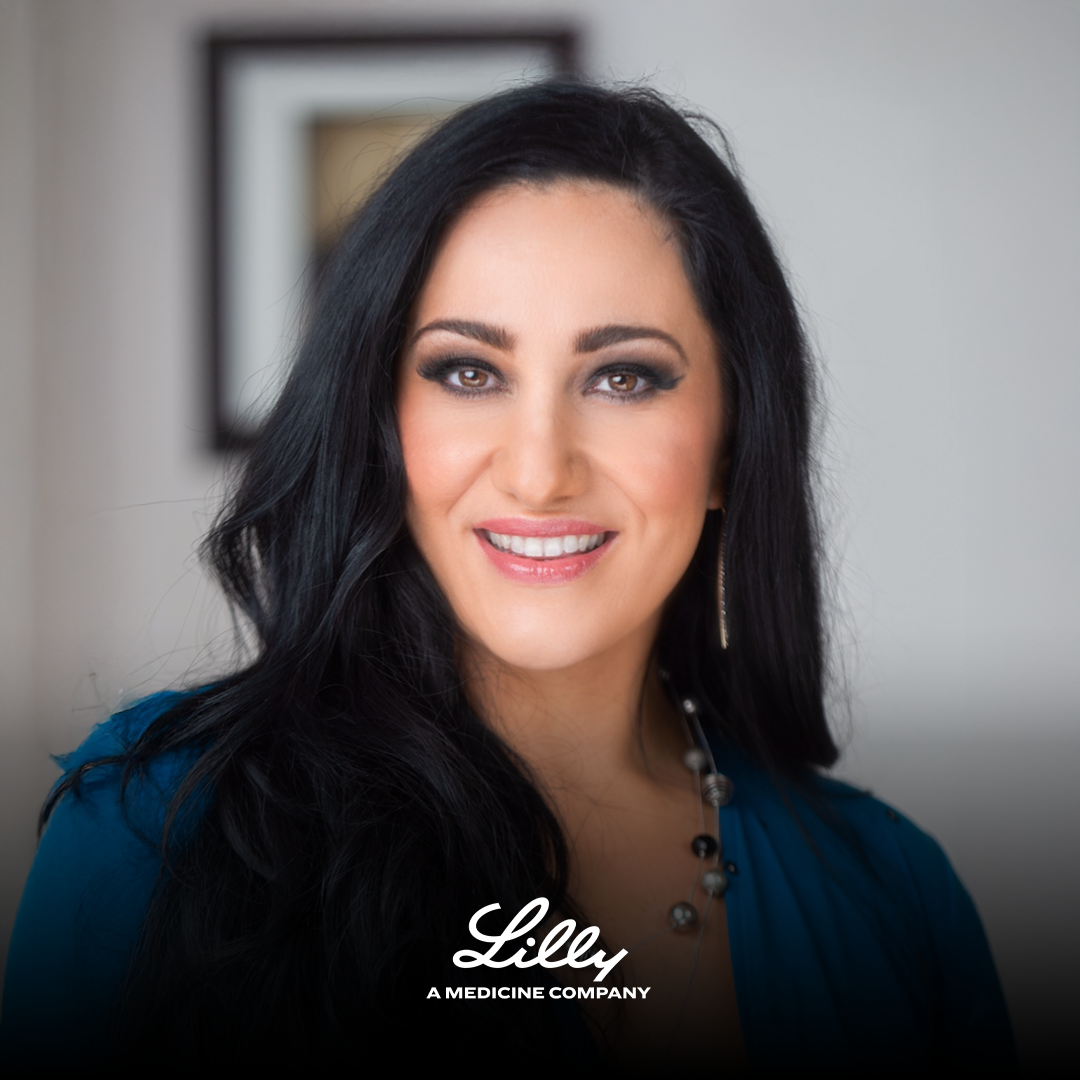
Lina Polimeni Wants Health to Have a Life Outside the Doctor’s Office
After 23 years at Eli Lilly, the Italian-born marketer is turning a pharmaceutical company into a participant in culture - and treating attention as a responsibility, not a trophy.
The 123-Year-Old Private Equity Firm That Starts Planning the Exit on Day One
HKW reviews more than 1,000 opportunities a year, then applies a four-team system to the few it buys. The unusual part is not the funnel - it is that the exit team gets involved as soon as the deal closes.

The Venture Studio That Put Brand Strategy on the Starting Grid
Droplight sells founders a pit crew, not a slide deck. Its bet is that capital, operations, creative work and motorsport can run as one engine for brands that need traction beyond paid media.

The Startup Factory Hiding Inside Corporate America
Alloy Partners takes the things big institutions already have - customers, expertise, capital and distribution - and turns them into startups built outside the corporate machine. Now it is testing how much faster that factory can run with AI agents on the floor.