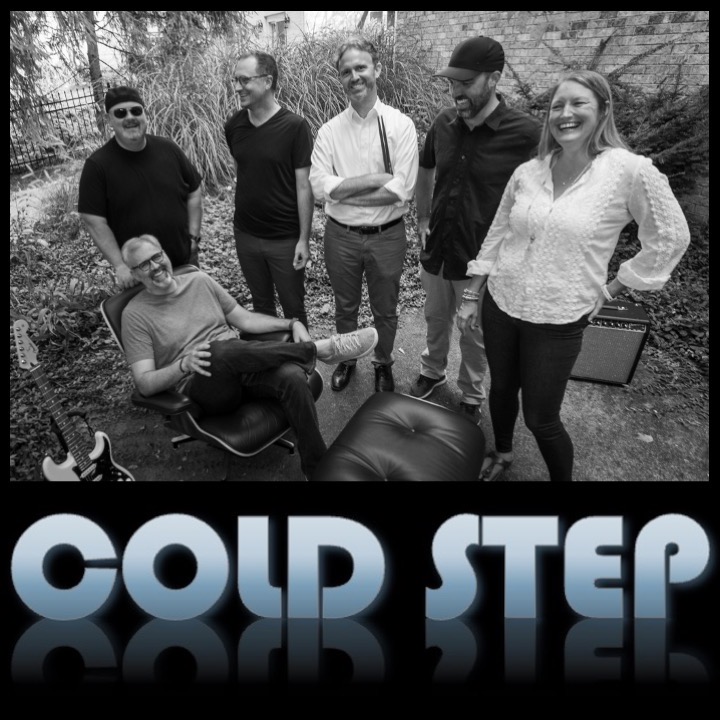
Derek Bang has a reasonably convincing claim to the keyboard. His band's website nevertheless invites applications from a smaller replacement. At six feet eight, it jokes, he takes up rather a lot of stage. The founder and CEO of Kodiak Solutions has been performing in rock and jazz groups since he was 14. A business career has given him several other titles, but it has failed to retire the musician.
Cold Step, his Indianapolis band, lists him on vocals and keys. Its musical territory runs through rock, rhythm and blues, and dance music. There are four lead vocalists, which makes the chief executive one voice among several. Some of these connections go back to school: bandmate Elliot met Derek and drummer Greg in middle school. The group's account of itself is cheerfully short on executive solemnity. Derek gets the joke about his height; everyone else gets a turn, too.
There is a temptation to turn that into a management theory. Better to leave a little room for the pleasure of playing. Bang has built a career around making complicated work more useful, while keeping a separate place where the outcome can be judged by whether people feel like dancing.
The idea needed somewhere to live
Bang began his professional career at EY, moving from audit into advisory work. In January 2005, he joined Crowe Horwath in Indianapolis. He wanted to build a consulting practice. He also had a software idea that required a firm willing to give it a chance.
The attraction was practical. Crowe already had technology capabilities, and Bang liked its collaborative approach. An idea could travel further there because there were people and resources to develop it. His subsequent work on Revenue Cycle Analytics brought Crowe its first two patents. In 2008, he became a partner.
That sequence puts some substance behind the familiar advice to find the right environment. Moving firms involved moving an unfinished possibility. A useful idea still needed colleagues, development time and a customer willing to participate. Bang's role was to help those pieces meet. The eventual software belonged to an organization; getting it started had required an individual to keep looking for a receptive home.
“What attracted me to Crowe was that it had a great technology practice already.”
Derek Bang, 2019
A promotion with an unusually practical brief
In October 2013, Crowe made Bang its first chief innovation officer. The title came with responsibility for the New Product Development team. Ten new solutions and revisions were then in various stages of development. The firm wanted new products to contribute 20 percent of its revenue growth over its five-year plan.
He was taking over work that Dave Jarrett had championed before retiring after more than 38 years at Crowe. That detail matters. Bang was helping formalize an existing commitment to creating products, with experience and sponsorship already behind it. Innovation had a predecessor, a team and an operating brief.
The firm's product approach combined technical knowledge, industry expertise and applied technology. Each part supplied something the others needed: understanding the work, understanding the customer and being able to build a solution. Bang described the purpose in terms of making clients' jobs easier. For an impressive-sounding title, it was a welcome down-to-earth test.
In April 2015, incoming CEO Jim Powers expanded Bang's role to chief strategy and innovation officer. Alongside new solutions, he would help develop, communicate and execute the firm's strategic initiatives. Product development and the direction of the business were now joined in the same brief. He had to help decide where the firm was going and help explain how it would get there.
The money behind permission
Bang's account of Crowe's development fund was unusually candid about failure. Some spending would produce nothing. Successful projects had to repay the cost of the ideas that did not work. His explanation treated experimentation as a portfolio, with returns assessed across it.
The machinery underneath was equally revealing. Partners contributed about $24,000 each in fiscal 2016. The fund gave staff a way to record time spent on new products, so development did not have to become an unpaid evening occupation. Permission to experiment had an accounting code.
That arrangement addressed an awkward workplace question. If people are rewarded for client work, what happens when they spend a day exploring an idea? Crowe created a place for those hours to go. The system acknowledged that development consumed resources before anyone could know whether it would earn them back.
The 2016 figures made the commitment visible: $6.8 million spent, 54 active projects and five technology platforms in development. These were Crowe's firmwide numbers. Their relevance to Bang is the mechanism he helped explain and oversee: giving uncertain work a budget, then showing the people funding it what happened.
Independence, eighteen years in
The next change arrived with a new company name. In August 2023, TPG and Crowe announced an agreement to establish the practice Bang had founded in 2005 as an independent business. TPG Growth would acquire a majority stake; Crowe would retain a minority interest. Bang and the existing management team would lead Kodiak Solutions.
At the announcement, the business had more than 350 employees. Bang described independence as a way to gain resources and flexibility for expansion. The people who had built the operation would continue running it, supported by a new majority owner and their longstanding firm as a fellow shareholder.
Eighteen years is a substantial opening chapter for a newly independent company. It changes the meaning of the founder's title. Bang had built within an established partnership before taking the business into a different ownership structure. Customers, colleagues and accumulated product knowledge travelled with it.
The transaction also gave his strategy role a different setting. Expansion would now be pursued through a standalone organization. The announcement identified both organic growth and acquisitions as areas for investment. A business developed inside one firm had acquired room to make its own next set of decisions.
The expensive lesson that survived the AI boom
By September 2026, Bang was discussing that longer journey on the Elevate podcast. The conversation covered the financial crisis, mentorship and his three-part framework for business success: strategy, management and luck. It is an unusually modest final ingredient for a founder to include. A plan can be thoughtful and its execution competent while circumstances remain troublesome.
His account also included an earlier machine-learning investment undertaken without first identifying the right customer problem. The lesson he drew was to begin with the problem and choose technology that could help solve it. Coming from someone with years spent sponsoring development, the admission carries more interest than another prediction about what AI might do.
The possibility that interested him was helping capable employees accomplish more. Growing a business requires good people, and finding them is difficult. Tools that free up their time therefore have an immediate purpose. The question becomes specific: which part of their work can the tool improve?
A July 2026 article he co-authored with colleagues Ankit Sharma, Eric Boggs and Nicole Reinhart described internal testing before wider deployment. Their teams assessed output quality, productivity gains, the need for oversight and the technology's remaining limitations. Natural-language interaction interested them, but reliability and measurable value still had to be established.
That is a useful continuation of the earlier development-fund story. Experimentation gets a place in the organization; results then have to justify a larger commitment. The difficult part comes between trying something and deciding what the trial has actually demonstrated. New terminology does little to shorten that work.
A career leaves room for an encore
His relationship with Indiana University has continued well beyond graduation. Bang holds an accounting degree and an MBA from the Kelley School of Business, where he serves on the Dean's Council. In a Kelley video, he credits the 3/2 MBA with helping develop curiosity, connections and confidence. The program joins undergraduate and graduate business study across five years, giving his early training a longer runway.
There is another kind of education in his account of an Outward Bound professional program. He praised the outdoor experience for setting it apart from other programs he had tried, calling it “wildly successful for us.” It is a brief endorsement, but a specific one: he valued taking colleagues into a different setting to work together.
His own description of leadership returns to customers and employees. In a 2024 video, he explained advice he had received about taking care of both. He also emphasized innovation, cost-conscious delivery and significant value for the customer. After the patents, titles and ownership changes, his operating concerns still sound close to the work itself.
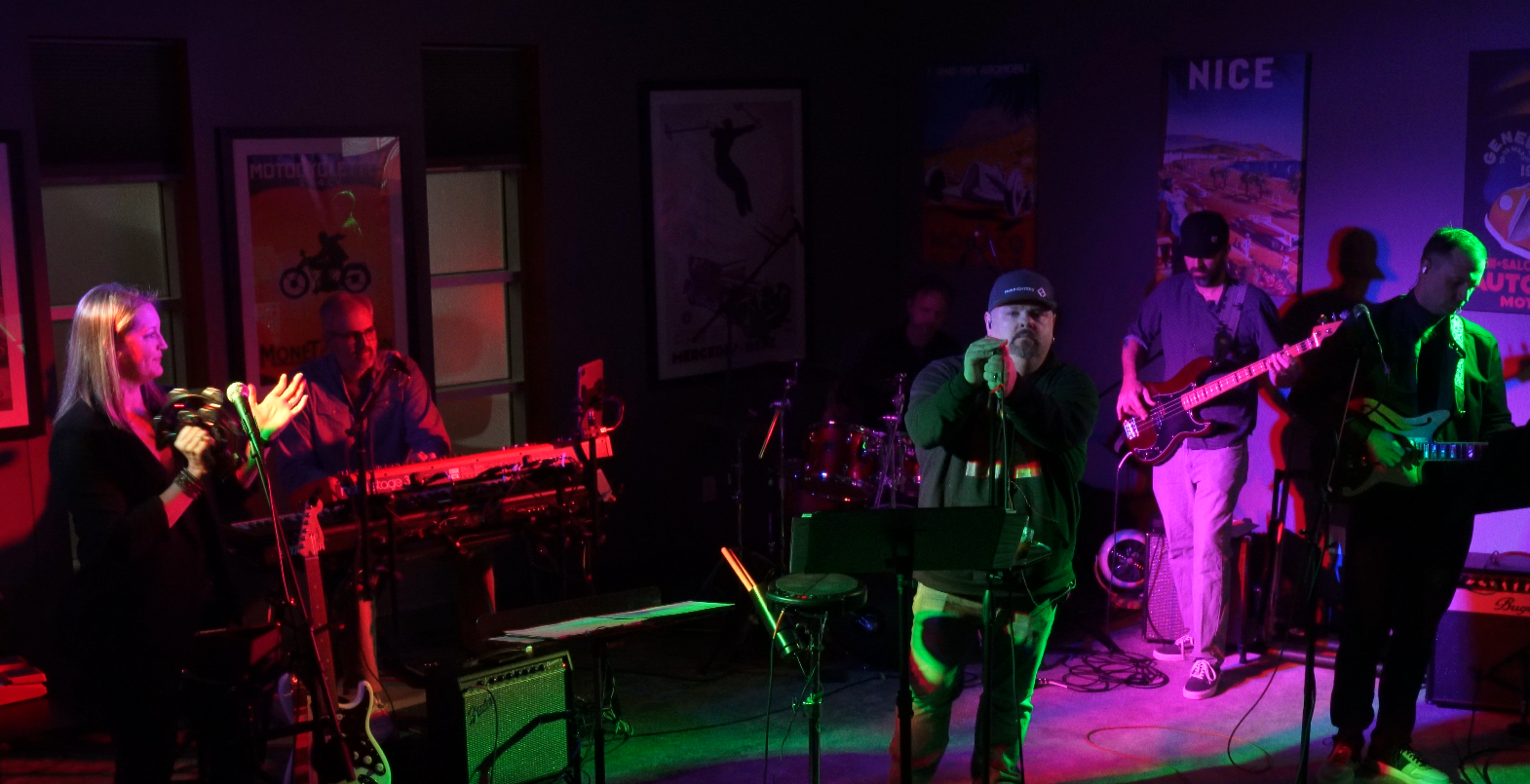
Then there is Cold Step, where he remains available for vocals and keys. The band's photographs offer a pleasing second view of a familiar executive biography: cables underfoot, a keyboard within reach, other musicians sharing the frame. His career has changed settings several times. Music has kept its place on the calendar.
Follow the next verse
Continue with Derek on LinkedIn, Kodiak Solutions and Cold Step's band page.
Watch his full Elevate conversation on YouTube or his Kelley film. Read the 2015 leadership announcement and the 2023 independence announcement.